
Image by Jill Wellington from Pixabay
Are your students getting ready for Halloween? Mine are! This song was inspired by the book “Where’s the Halloween Treat?” by Harriet Ziefert and Richard Brown (Putnam Juvenile). The children count up to seven in this story.
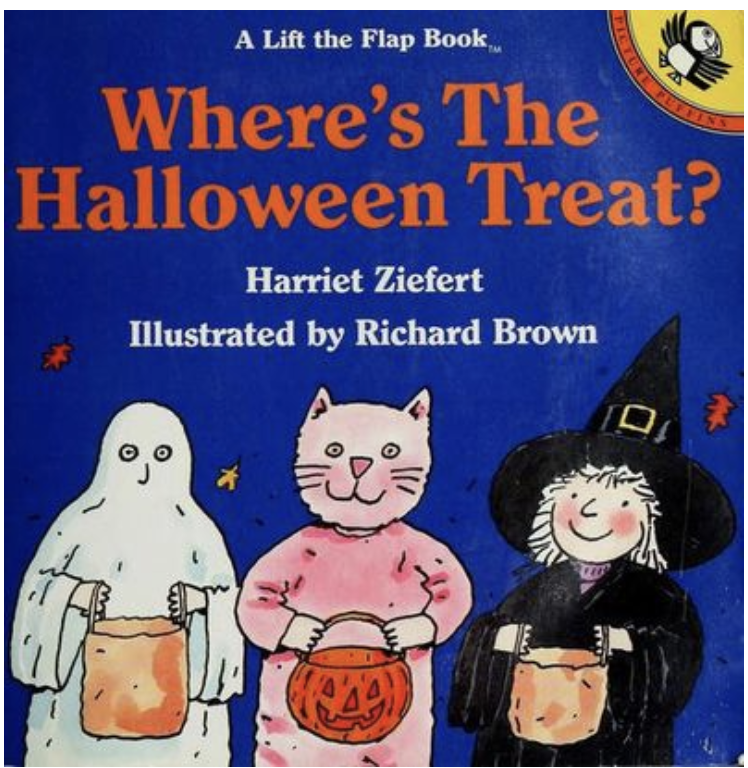
1) Have students sit in front of you. Get ready by reading a Halloween book. Ask students, What do you see? They may be able to name some of the Halloween vocabulary words.
2) Now use the Trick or Treat picture cards. Make two copies, one to show students and one to display around your classroom.
Point to one word, such as ghost. Ask students, What do you see? Encourage them to say, I see a ghost. Show all of the words.

For the ghost, move your arms like you’re floating.
For the witch, you might pretend to make some witch’s brew or cast a spell.
For the monster, make scary fists and stomp in place.
For the skeleton, move your elbows up and down.
For the black cat, you can creep in place.
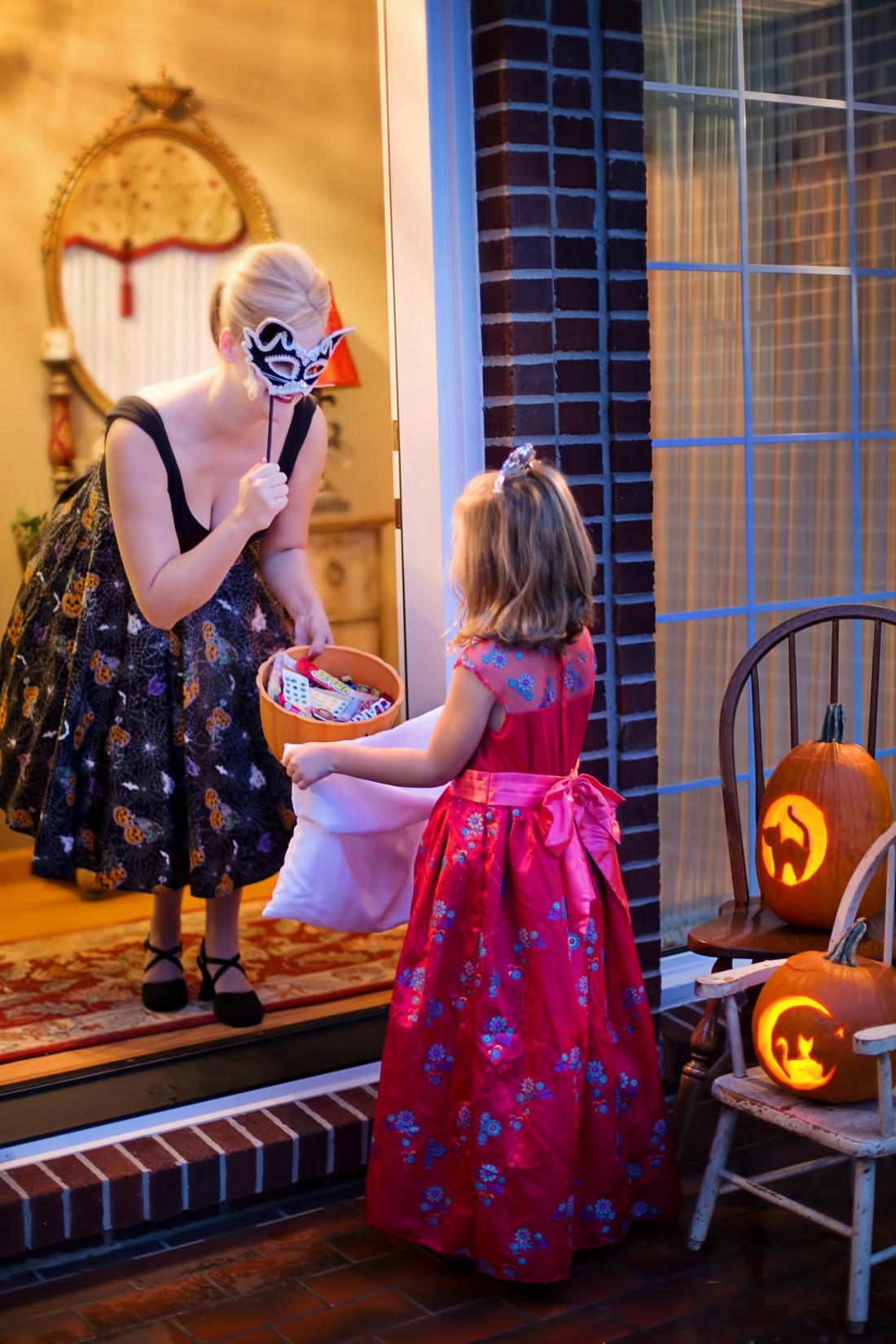
3) Talk about Trick or Treat. When I taught in Tokyo, I explained the tradition of children going from house to house and getting treats from neighbors. Bring a treat bag or plastic pumpkin. When children ring the doorbell or knock on the door, children say, Trick or Treat!
Here are the lyrics:
Trick or Treat
Words and music by Kathleen Kampa and Charles Vilina © 2013 by Kathleen Kampa
Chorus:
Trick or treat! ch-ch-ch Trick or treat! ch-ch-ch
It’s Halloween! Say “Trick or treat!” ch-ch-ch
Trick or treat! ch-ch-ch Trick or treat! ch-ch-ch
It’s Halloween! Say “Trick or treat!” ch-ch-ch
Verse:
I see a ghost!
I see a ghost!
Ooooooooooooooh!
Sing again with Halloween characters: witch, monster, skeleton, black cat
Here’s the music. Kathy Kampa’s Special Days and Holidays. Track #8 or Spotify
Here’s a video I created for my students. With COVID restrictions, I took the video while I was alone in the room, so I couldn’t move around a circle. I’m holding up the picture cards, but in my classroom, they’re posted around the room.
4) Stand in a circle. Practice a movement standing in one spot for each Halloween character.
4) Play the music! On the chorus, Trick or Treat . . . march around the circle.
On It’s Halloween, put your arms up in the air as you continue marching.
For each of the verses (such as I see a ghost), stop in one place and pretend to be that character or point to the pictures.
On Oooh, do spooky arm movements.
Then begin marching again around the circle.
5) Add new characters to the song. Invite your students to draw their Halloween costumes and post the pictures around the classroom.
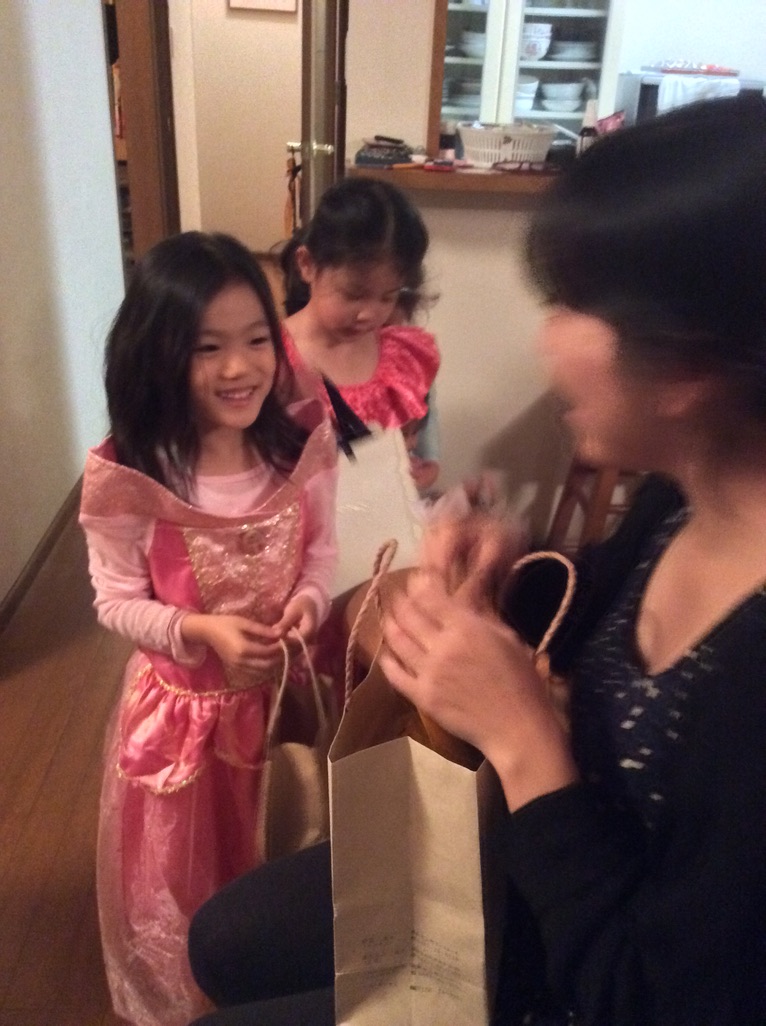
6) Finally, sing this song at your Halloween party. At our party, I lead the students around the room singing the chorus of “Trick or Treat.” We stop to ring the bell or knock at a pretend door. One by one, my students’ parents pretend to open the door. The students say, Trick or Treat!, Thank You! and Happy Halloween!
In addition to having fun, this song teaches young learners:
a. simple phrases, especially for EFL / EAL students –
It’s Halloween! Trick or Treat! I see a ____.
b. Halloween vocabulary words and sight words
c. movements, such as marching, that go from one place to another
d. ways to move and stop
e. how to express their own ideas for the vocabulary words and inspire their creativity
We hope that your students enjoy singing and dancing throughout October. The music for this song and other Halloween favorites (Pumpkin, Pumpkin, Skeleton Dance, Marching Monsters, I’m A Witch) are available on Kathy Kampa’s Special Days and Holidays.
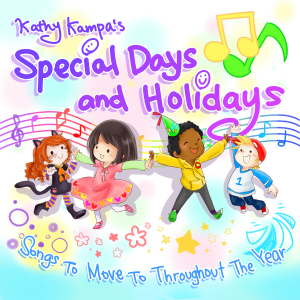
You can find it at iTunes, CD Baby for downloads, and ETJbookservice.
If you like this, my second album has more happy songs for children that have grown in my young learner classroom. Dance like falling leaves, bloom like a spring flower, move through the butterfly life cycle . . . . you’ll find LOTS of fun and magic in this album, too.
Happy teaching!
Kathy Kampa

Kathy Kampa is a passionate educator of young learners. She seeks to nurture children’s imaginations and spark creativity through fun and engaging activities. Kathy believes that movement should be a part of every young child’s learning.
Kathy is the co-author of Magic Time, Everybody Up, Oxford Discover, and Beehive (all by Oxford University Press). She has composed music for Tokyo Shoseki’s English language courses.

