Fun Halloween Activity: Marching Monsters for Kids

Featured
4089923322_05f94d8340_o (1)

Get ready for Halloween! Add “Marching Monsters” to your Halloween activities. What makes this song great?

I’m gifting you these Google slides. You can print them or just share them on your device.  You can easily sync your music to these slides.

Marching Monsters Halloween Slide Show: Kathy Kampa’s Special Days and Holidays

There are four Halloween characters in this song–monsters, skeletons, witches, and jack-o’-lanterns. Have fun pretending to be the four characters. Practice the four verbs– march, skip, sway side-to-side in a waltz, and jump! Now put them together.

“How can we march like monsters? (Who doesn’t love marching like monsters?!)

Let’s skip. How can we skip like skeletons? 

How do you waltz? How can we waltz like witches? (sway side to side)

Let’s jump! How can we jump like jack-o’-lanterns?

Practice “Turn around and stop!”

Note: Moving and stopping are essential movement skills for very young learners.

For very little ones, skipping is a new skill. Try walking with a little hop. Or galloping.

Here are the lyrics.  You can also find them in the slide show above.

Marching Monsters   

Words and music by Kathleen Kampa

1. Marching monsters! Happy Halloween! Boo!

Marching monsters! Happy Halloween! Boo!

Marching monsters, Turn around and stop! (hold)

Marching monsters Happy Halloween! Boo!

2. Skipping skeletons! Happy Halloween! Boo! . . .

3. Waltzing witches! Happy Halloween! Boo! . . . .

4. Jumping jack-o-lanterns! Happy Halloween! Boo! . . . .

Just watch the video and have fun!

Did you notice that you can build phonemic awareness with this song too?  The word pairs begin with the same initial sound.  You can separate the verbs and nouns.  Students match.

Marching Monsters worksheet and flashcards

For a bigger challenge, write the letters m, sk, w, j, and h on the board. What pair of words begins with these letters in the song?

m-> marching monsters

sk-> skipping skeletons

w-> waltzing witches

j-> jumping jack-o-lanterns

h-> Happy Halloween! 

Picture9-10

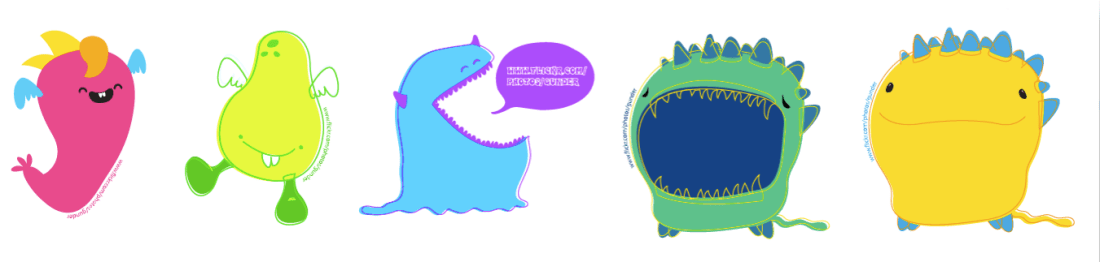
Want to add a cute monster craft? http://acupcakefortheteacher.blogspot.jp/2012/07/my-frankenstein-craftivity.html

4089923322_05f94d8340_o (1)Monsters by Gunder on Flickr Attribution CC 2.0 license

http://bit.ly/Gundermonstersdrawing

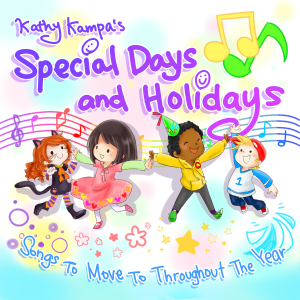
We hope that your students enjoy singing and dancing throughout October.   The music for this song and other Halloween favorites (Pumpkin, Pumpkin, Skeleton Dance, Marching Monsters, I’m A Witch) are available on Kathy Kampa’s Special Days and Holidays.

Special Days and Holidays

You can search for my music on iTunes. or Apple Music.

If you like this, my second album has more happy songs for children that have grown in my young learner classroom. Dance like falling leaves, bloom like a spring flower, move through the butterfly life cycle . . . . you’ll find LOTS of fun and magic in this album, too.

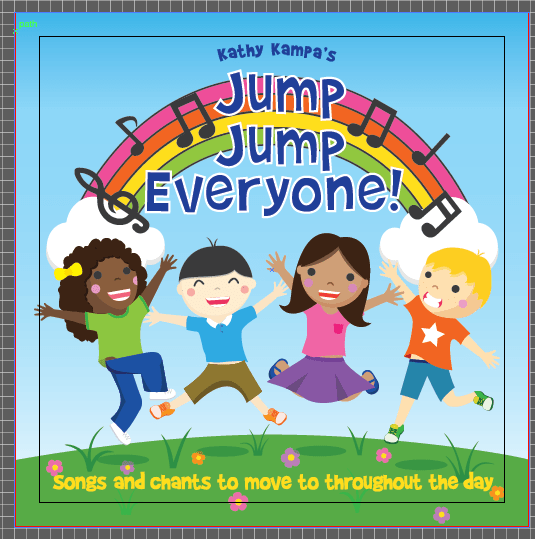
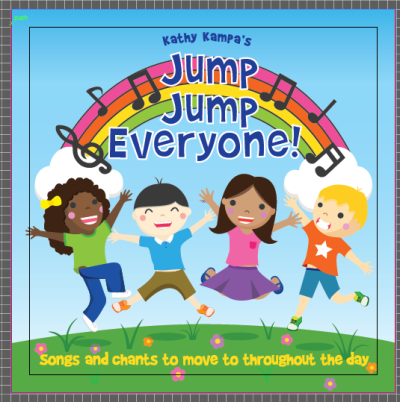
Jump Jump Everyone

Happy teaching!

Kathy Kampa

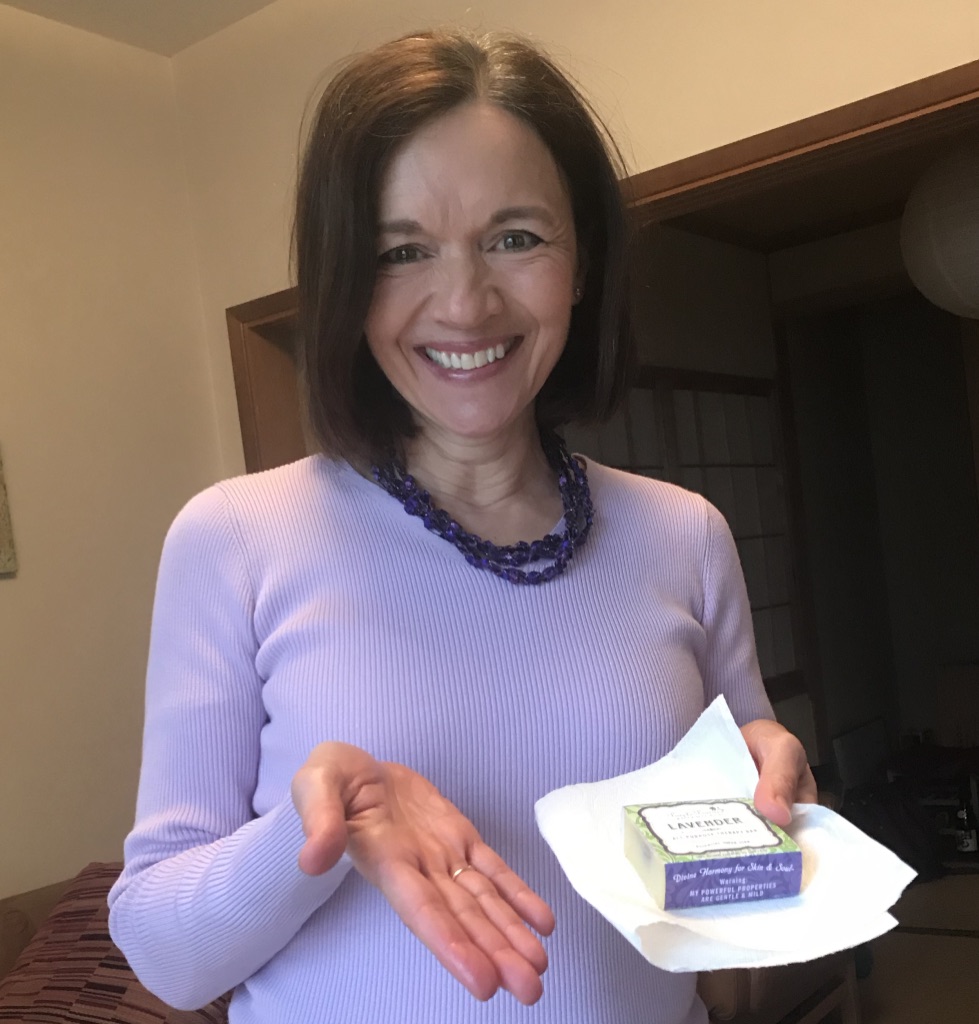
Kathy's bio photo

Kathy Kampa is a passionate educator of young learners. She seeks to nurture children’s imaginations and spark creativity through fun and engaging activities. Kathy believes that movement should be a part of every young child’s learning.

Kathy is the co-author of Magic Time, Everybody Up, Oxford Discover, and Beehive (all by Oxford University Press). She has composed music for Tokyo Shoseki’s English language courses.

The Life Cycle of the Butterfly

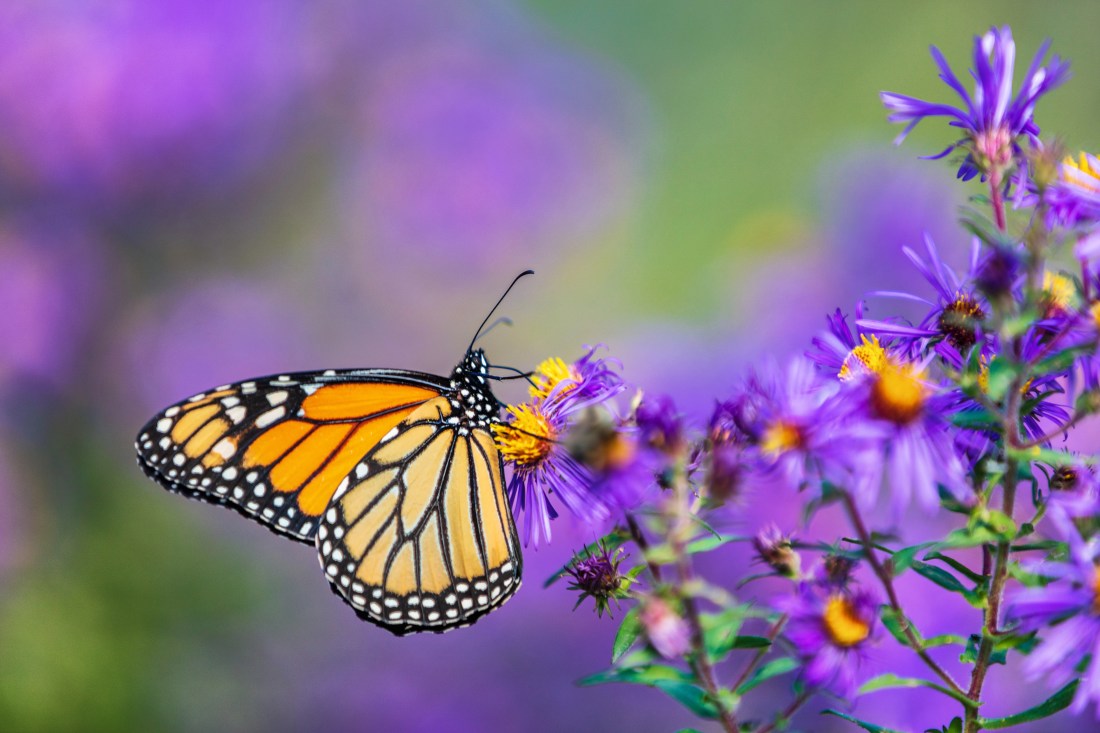
little girl laughing, butterfly

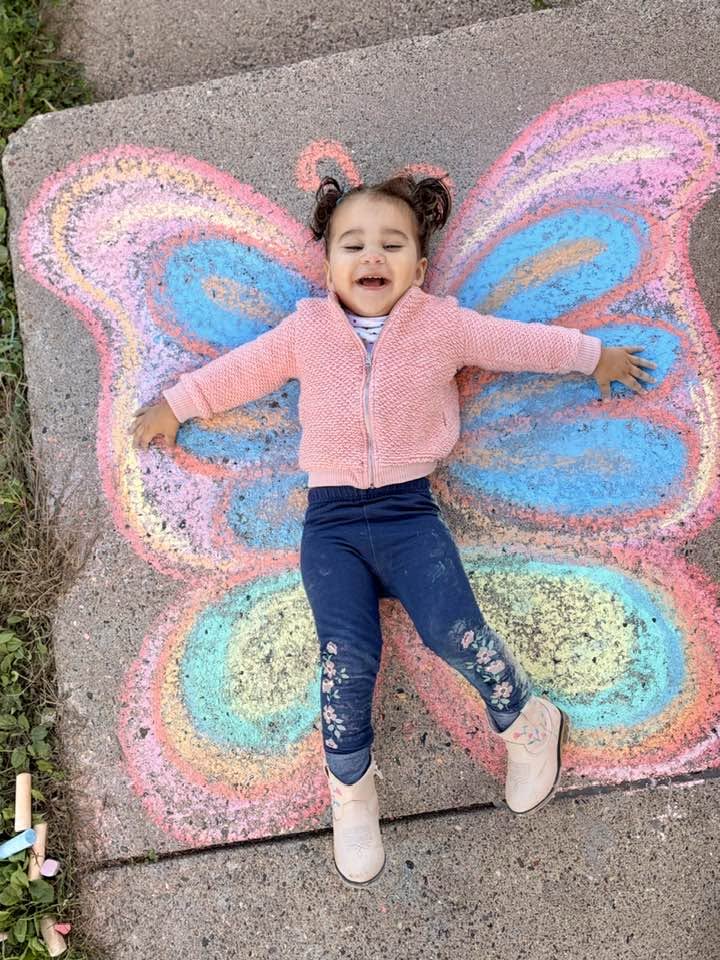
Do you love butterflies? My students love pretending to be butterflies. Use some chalk to create some magic, too! This is one of my little students pretending to be a butterfly! –Photo by Kristina Rose Photography.

Here in Minnesota, we’ve seen butterflies flying in our pollinator garden. It’s wonderful to see them!

You can teach your students about the butterfly life cycle in a CLIL lesson, or Content and Language Integrated Learning.  CLIL lessons link classroom content with vocabulary and grammar paradigms. We can bring the world of nature into our English lessons!

Illustration of the butterfly life cycle showing four stages: eggs, caterpillar, chrysalis, and butterfly.
Butterfly life cycle stages illustration

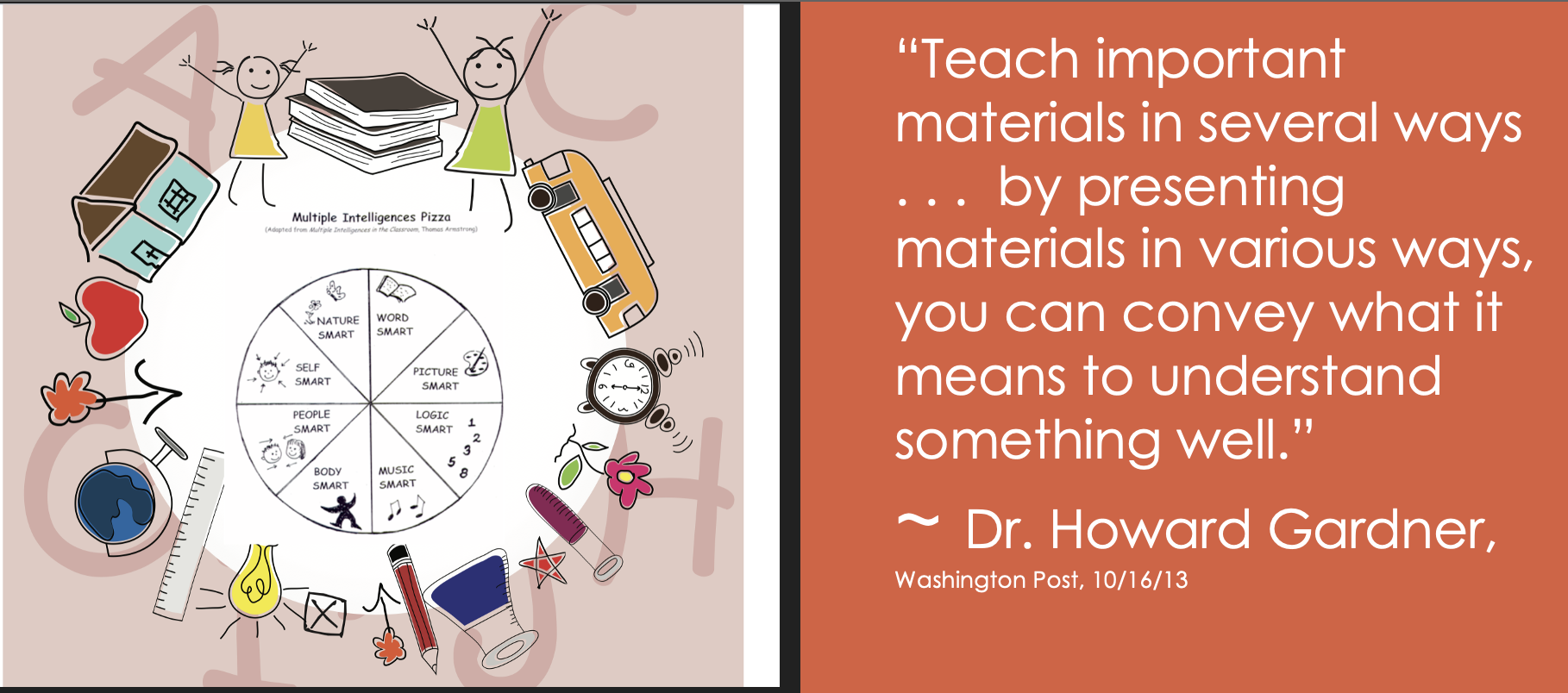
Using the theory of Multiple Intelligences, you can use many ways for your students to learn. Use words to describe the pictures or puppets. Use music and follow the pattern in the chant. Move your fingers or whole body. Invite students to work together and come up with their own ideas. Notice how each part of the life cycle changes.

Illustration of 'Multiple Intelligences Pizza' featuring various intelligence types like Nature Smart, Word Smart, and Music Smart, surrounded by colorful icons representing different learning styles.

In addition, if you teach want to teach conceptually, consider the concept of “change.”  What changed in each part of the life cycle? (size, the way it moves, the way it looks, etc.)

Through this activity, students will:

 -know the names of the butterfly life cycle

–create movements for each part, with their fingers, with whole body

–perform a chant

–recognize a life cycle 

Please refer to the illustration below as we go through the steps of the lesson.

1.  First, present the new language:

egg              caterpillar            chrysalis               butterfly

Butterfly life cycle drawings. pngYou may introduce the language using the picture card illustrations (right), or use these Google slides to show students beautiful images of the vocabulary.  It’s fun for students to find these life cycle images in the story of “The Very Hungry Caterpillar” by Eric Carle.

I often introduce the language with an egg shaker, a Folkmanis caterpillar puppet that changes into a butterfly, and a scarf (to be the chrysalis).  

2. Create finger shapes for each word.  The “fingerplay movements” below the illustrations will show you how, or use your imagination to create your own ideas.

3.  Say the chant using the finger movements.

 Tiny Egg Chant  (Butterfly Life Cycle Chant)

by Kathleen Kampa © 2013

Tiny egg, tiny egg  X  X  XX  X  (ch – ch- ch ch – ch)

Tiny egg, tiny egg  X  X  XX  X  (ch – ch- ch ch – ch)

Tiny egg, tiny egg  X  X  XX  X  (ch – ch- ch ch – ch)

1-2-3-4   LOOK!

Caterpillar, caterpillar X  X  XX  X  (ch – ch- ch ch – ch)

Caterpillar, caterpillar X  X  XX  X  (ch – ch- ch ch – ch)

Caterpillar, caterpillar X  X  XX  X  (ch – ch- ch ch – ch)

1-2-3-4  Look!

Chrysalis, chrysalis X  X  XX  X  (ch – ch- ch ch – ch)   (Repeat 3 times)

1-2-3-4  Look!

Butterfly, butterfly X X XX X  (ch – ch- ch ch – ch)   (Repeat 3 times)

Wait . . . .   Good-bye!

________________________Image courtesy of japanachai at FreeDigitalPhotos.net____________________

Here is a simple recording of the chant that you can use:

The professional recording can be found on Jump Jump Everyone.

4.  Finally, you can expand the activity by having students move to the chant using their whole body. Students can curl up to make tiny egg shapes, then wiggle about on their tummies as caterpillars. They can balance on one foot in a chrysalis shape. While students are balancing quietly, give each student one or two colorful scarves for butterfly wings.  Your students might enjoy moving around the room like butterflies.  I often play “Aviary” by Camille Saint-Saëns, or the Japanese song “Cho Cho.” I’ve also written a song called “Flitter Flutter Butterfly” that connects nicely with this. 

Video: Here are my young learners in Tokyo doing this chant with me.

______________________________________________________________

Through the power of CLIL, students have now experienced the life cycle of a butterfly in a meaningful, memorable way. They have embodied the vocabulary and will happily repeat this activity in future lessons.

You can transfer the idea of the butterfly life cycle to other animal life cycles, such as the frog life cycle. How does the frog change? How is this similar to the butterfly life cycle?

Let us know how this activity works in your classroom, and if you discovered any new ways to teach it!

Here’s a beautiful visual of the gradual transformation. According to The Butterfly Lady, “When the Monarch caterpillar is ready to pupate it will spin a silk button, attach itself, and hang head-down in a “J” shape. The caterpillar will stay like this for around 24 hours. Shortly before the caterpillar is ready to shed their larval skin, it will straighten and the antennae will become ragged. The caterpillar wiggles to discard the skin and reveals the pupa (chrysalis).”

Inspire your students by teaching them the life cycle of the butterfly. This simple chant invites students to do fingerplay movement or use their whole body. You can find this beautiful chant by Kathy Kampa on Jump Jump Everyone.

Happy Teaching!

Kathy

Are you streaming music? Go to Spotify or Apple Music to find my music. You’ll find “Tiny Egg” and “Flitter Flutter Butterfly” on “Jump Jump Everyone.”

Cover for 'Special Days and Holidays' by Kathy Kampa featuring four children dancing and singing surrounded by musical notes.

Jump Jump Everyone, my second album, is filled with many happy songs that have grown in my young learner classroom. The songs encourage children to move. Many songs link to classroom content. Children can dance like falling leaves, bloom like a spring flower, move through the butterfly life cycle . . . . you’ll find LOTS of fun and magic in this album.

Kathy Kampa loves to bring joy to the world through her children’s music. She is passionate about making learning engaging for young learners. You’ll find more resources on Kathy’s YouTube page.


Let’s Do the Skeleton Dance

Featured
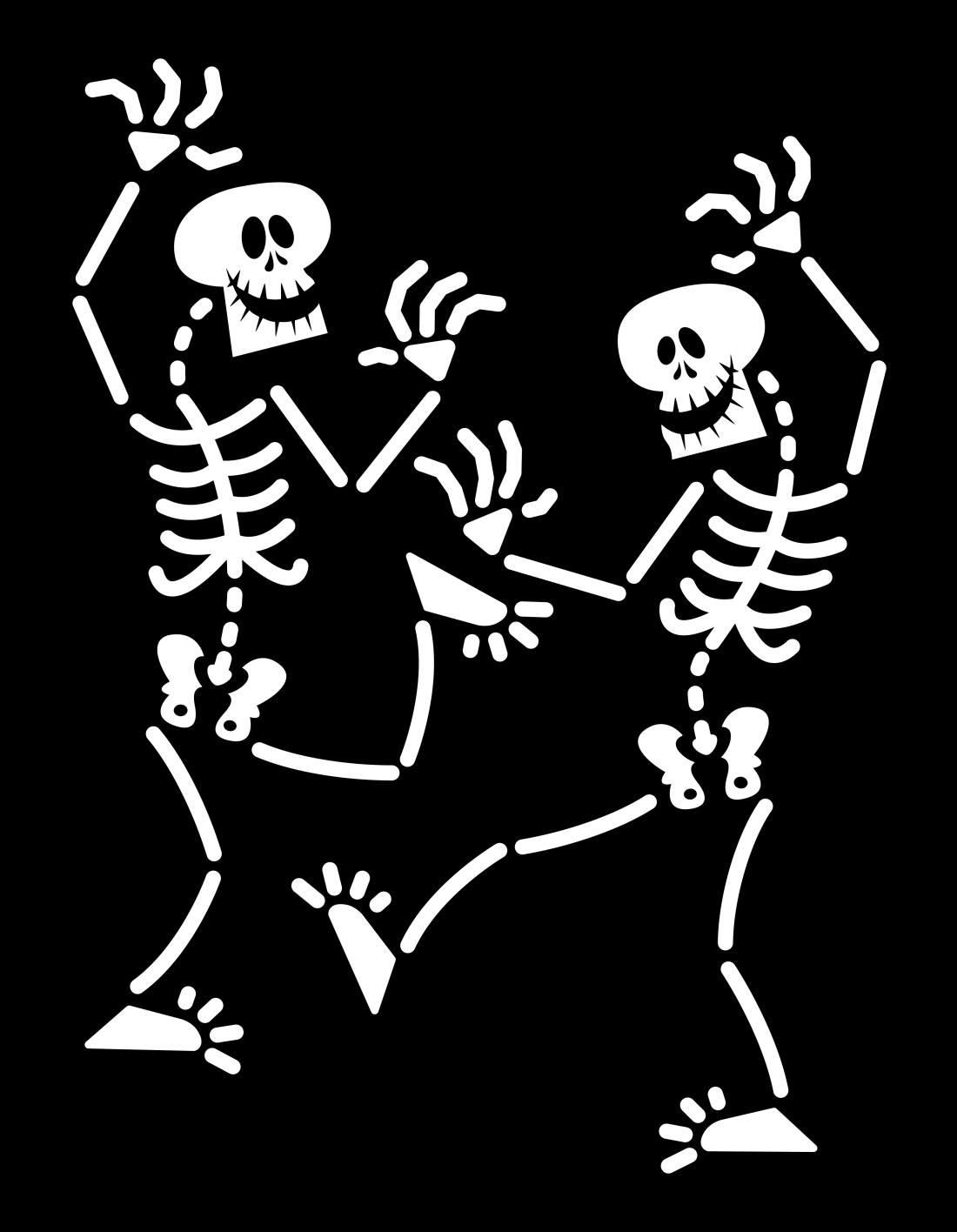
Two playful skeletons dancing against a black background

Skeleton Dance is definitely one of my students’ favorite songs! Why should you love it, too?

Skeleton Dance is one of the first children’s songs that I wrote. And it’s certainly been requested over and over by children and teachers around the globe. I’ve taught Skeleton Dance to students in pre-kindergarten through junior high school. It’s a favorite song with my online students from Ukraine. I’ve shared this song with teachers in the US, Japan, Korea, Taiwan, Thailand, Vietnam, the Philippines, Mainland China, Indonesia, Mexico, Finland, and Turkey.

Kathy Kampa’s Skeleton Dance has been performed by hundreds of students from around the world. You can watch some of my students in Japan doing the Skeleton Dance, and read the lyrics below:

Here’s how you do the Skeleton Dance:

In this song, students will move four different body parts: shoulders, elbows, knees, and feet.
First, students move their shoulders to the beat. Explore different ways of moving each of these body parts.

 Move your shoulders . . .
A. Skeleton, skeleton, skeleton dance,
Move your shoulders, do the skeleton dance.
Skeleton, skeleton, skeleton dance,
Move your shoulders, do the skeleton dance.

Next, students move their whole bodies to the front, to the back, and to the side. I usually start by moving only my arms, but my students love to jump in each direction.

B. To the front, to the back, to the side, side, side,
To the front, to the back, to the side, side, side,

Next, students move their shoulders up, down, and around. Each time they repeat the song, they will move a different body part in these directions. When I teach this, I point with my finger to show the directions.

C. Put your shoulders up. Put your shoulders down.
Move them up and down and all around.
Put your shoulders up. Put your shoulders down.
Move them up and down and all around.

Finally, students move their shoulders in their own way.

D. Shoulders dance . .ch ch ch ch ch ch ch ch
Shoulders dance . .ch ch ch ch ch ch ch ch

This dance is repeated with the following body parts.
Before I play the music, my students and I figure out how we’ll move up, down, and around using each of these body parts.

2. Move your elbows . . .
3. Move your knees . . .
4. Move your feet . . .

You can download this song from iTunes (Track #15). It’s available on streaming services, like Spotify.

Why use this song in your class?

It teaches body parts.

It teaches directional movements.

It’s a great way to start your school day!

It’s an easy, energizing Brain Break.

It’s a perfect rainy day, get-your-wiggles-out song.!

It’s an effective activity for a health unit.

The song will stick in students’ heads.

It’s just what you need for your Halloween celebrations!

And you can invite parents to have fun dancing with their children!

The kids will ask for it again and again.

It’s so much fun!

Bonus activities

What else can you do with this song?

Reading and Writing:

If you’d like to practice reading the lyrics, check out these fabulous reading and writing activities by Yoko Oho. It’s a fun way to read the words! Click through to see all of the pages to see what Yoko created.

Coloring

Here’s a fun coloring activity from Daria. You can see skeletons for Dia Los Muertos (Day Of The Dead). Have fun coloring “calaveras.” Get these activities on Daria’s TPT page

Pinterest ideas: Here are some fun songs, worksheets, blogs, craft activities, games, costumes, and simple cooking ideas for Halloween.

So, grab your costumes and get ready for one of my favorite holidays.

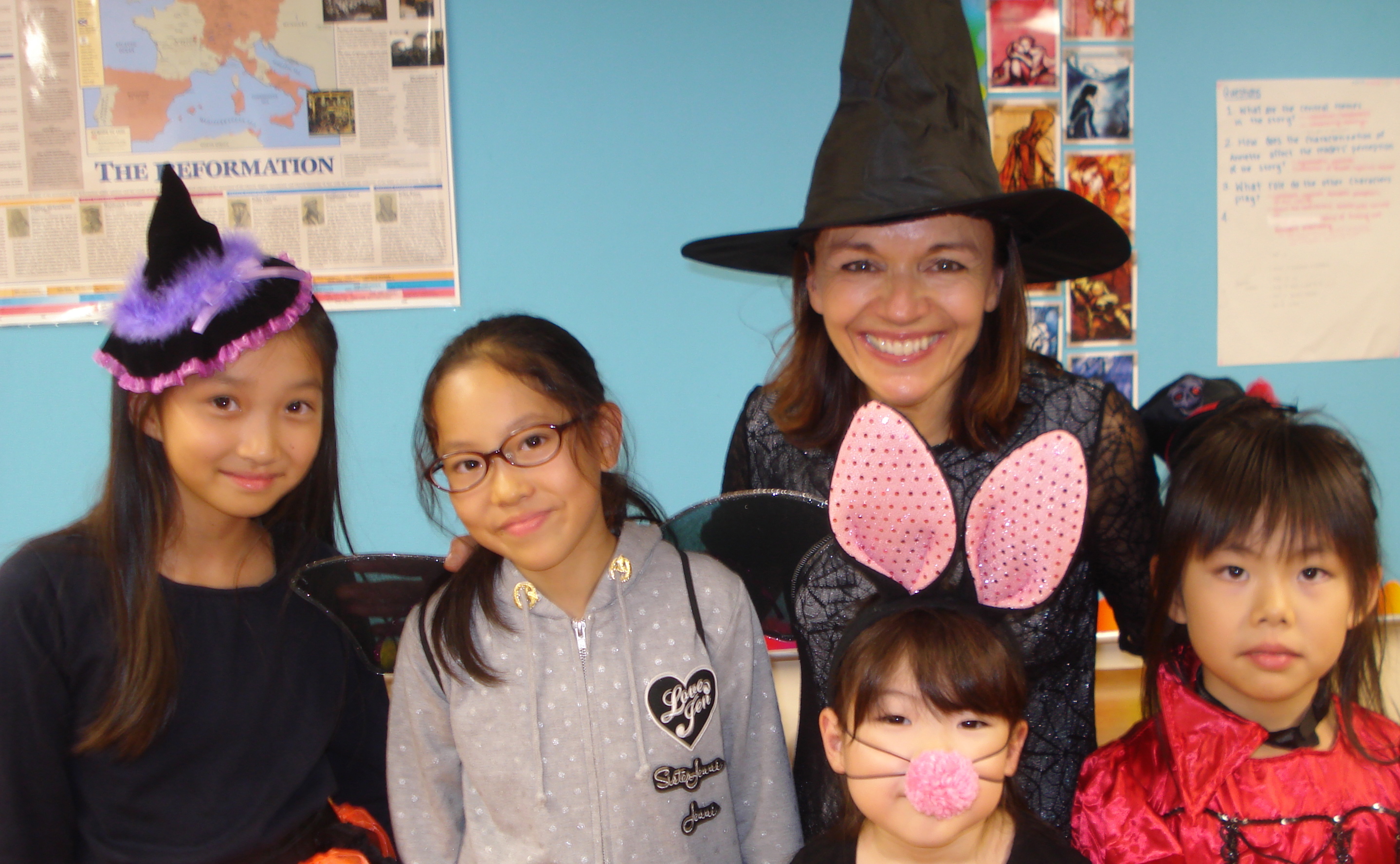
A group of four girls and one woman dressed in Halloween costumes, smiling together. The woman is wearing a witch hat, while the girls have various playful costumes, including bunny ears and a red outfit.
Kathy and her English students
Cover illustration for 'Special Days and Holidays' by Kathy Kampa, featuring diverse children joyfully dancing with musical notes and colorful elements.
Kathy’s songs were written especially for young learners. Each song focuses on popular classroom topics and invites children to use their imaginations. Songs also support the development of English language skills through repetition and simple melodies. Students love moving to Kathy’s songs!

Kathy Kampa is a passionate educator of young learners. She seeks to nurture children’s imaginations and spark creativity through fun and engaging activities. Kathy believes that music and movement should be a part of every young child’s learning.

Kathy is the co-author of Magic Time, Everybody Up, Oxford Discover (ELTon winner), Beehive/Buzz and Blue Dot(published by Oxford University Press). She has taught young learners in Tokyo, Japan for over 30 years. Kathy has composed educational music for Tokyo Shoseki and recorded songs for Learning World. She is active as a teacher trainer, inspiring teachers around the world. Kathy and her husband are currently writing educational materials in Minnesota.

If you’re interested in more of Kathy’s work, check out her YouTube channel at Kathy Kampa.

Autumn Activities for Kids: Explore Colorful Falling Leaves

Featured

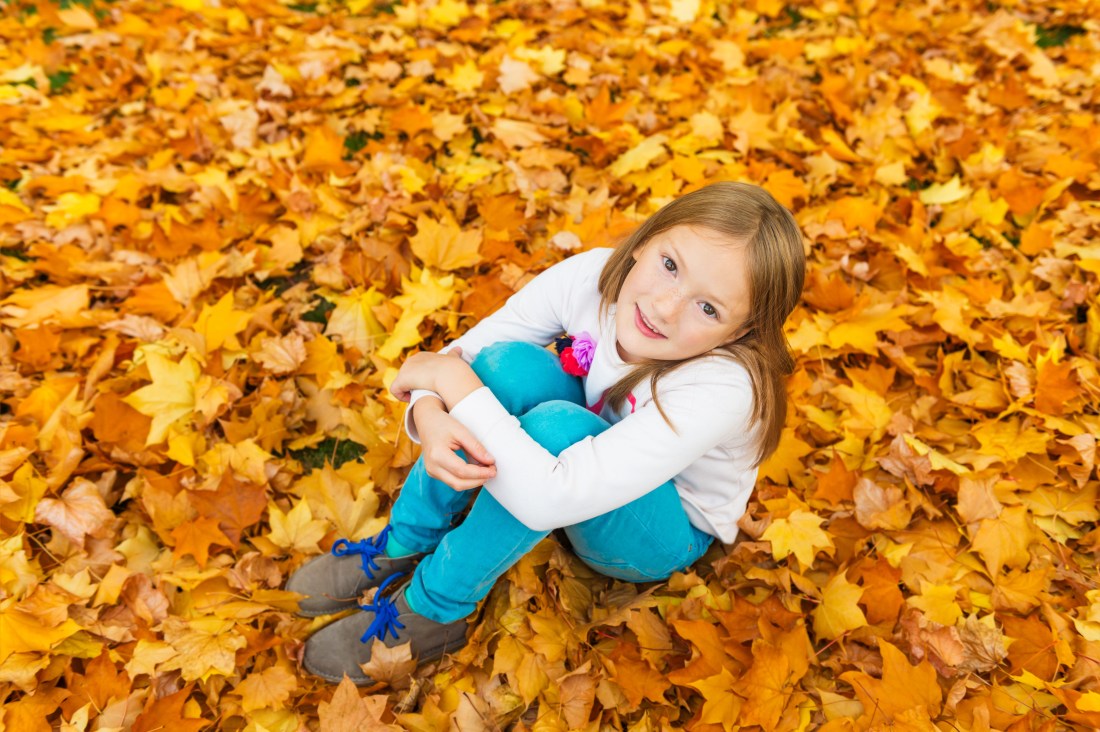
Autumn is one of my favorite times of the year. Actually, I do love something about every season!! Here in Minnesota, we can find leaves of red, yellow, orange, and brown!

Looking up through trees with vibrant autumn leaves against a clear blue sky.

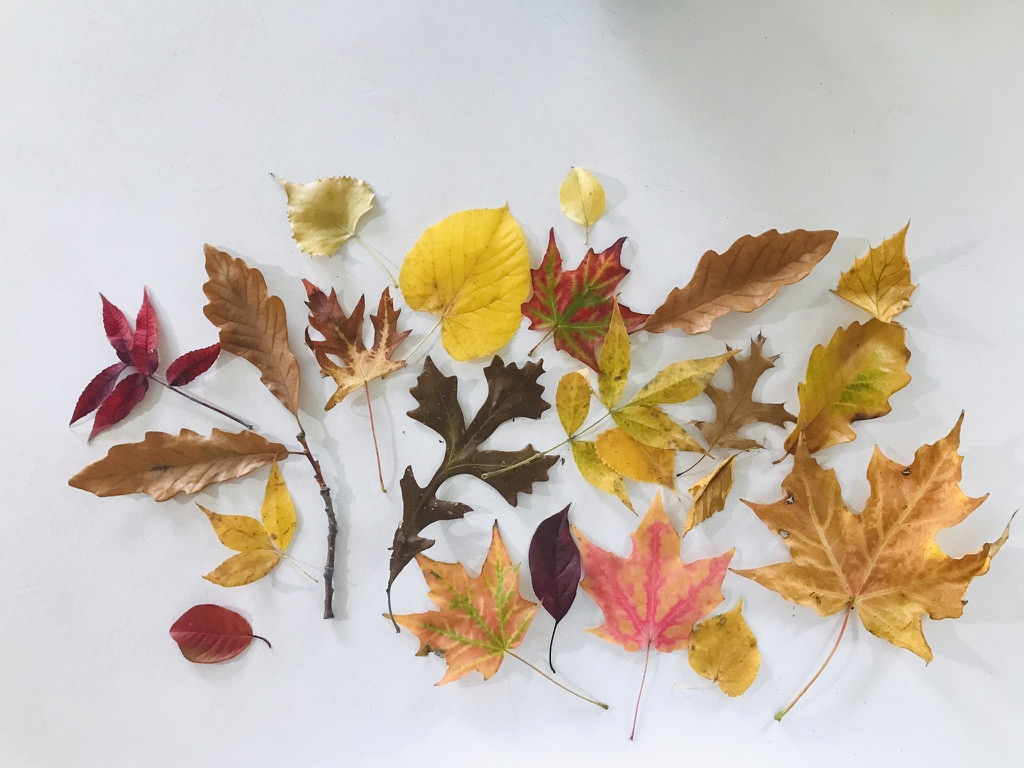
When I prepare for this lesson, I collect a variety of leaves.

-big and small leaves

-leaves in different colors

-leaves from different kinds of trees

The current image has no alternative text. The file name is: 8a704779-492b-45f8-99db-400d7b0a4b51_1_105_c.jpeg

Hold a leaf and watch it fall to the ground. Talk about what you saw. “This small leaf moved like this. (You can show this with your hands) Let’s see if that happens again.”

Repeat this process with your other leaves. If you have time, invite your students to drop the leaves and watch how they travel to the ground. What did they notice?

This is one of my students’ favorite songs for autumn. I especially love the incredible instrumentation that Andre DiMuzio created to accompany it.

Here are the free Google slides with the lyrics.

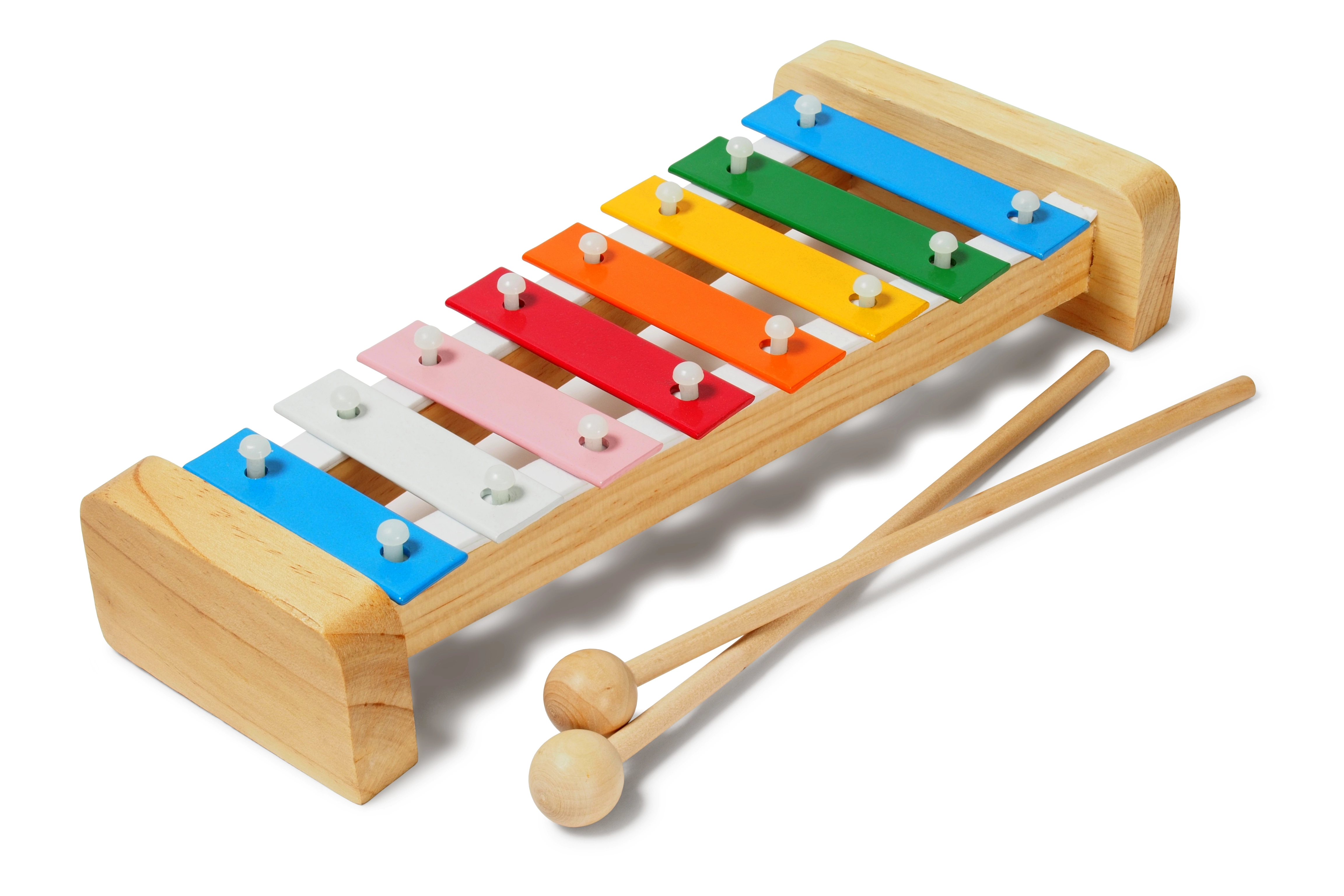
It’s fun to teach this song with a xylophone or glockenspiel. You can play it by starting at the shortest bar (C) (do’), and going step by step to the longest bar. If you turn the instrument on its side with the shortest bar on top, it’s easy to see and hear the melody descending. Just play the melody. Then add the lyrics.

A colorful wooden xylophone with eight keys and two mallets.

Falling Leaves Adapted by Kathy Kampa

Down, down, down, down, the leaves are falling to the ground. 

    do       ti        la       sol             fa              mi        re        do‘

Whoosh!

Red, yellow, orange, and brown, the leaves are falling to the ground. 

  do       ti        la         sol             fa              mi        re        do

Whoosh!

I sing the song with a scarf in my hand. Children love dancing with lightweight scarves. They just love the way the scarves float so lightly. I pass out one scarf to each student. I model swaying with my scarf from side to side. This crosses the midline of their bodies. We move from a high level to a low level.

*Note: For very young learners, I tie a knot in the middle of the scarf to make it smaller. Children can hold onto the knot.

Then, the magic “Whoosh!” Children can toss their scarves into the air. Scarves are easier to catch because they’re so light. My students laugh when the scarf lands on their arm, their head, their shoulder . . . .

You can model this action with your students. I usually do this twice. Look! The scarf is on my head! Look! The scarf is on my elbow!

Then encourage students to spin around. This is a wonderful, vestibular movement! They can spin fast or slow. My students will sing this song over and over again. On the recording, the last time just slows down to signal the end of the song.

Here’s a video of my young learners in Tokyo.

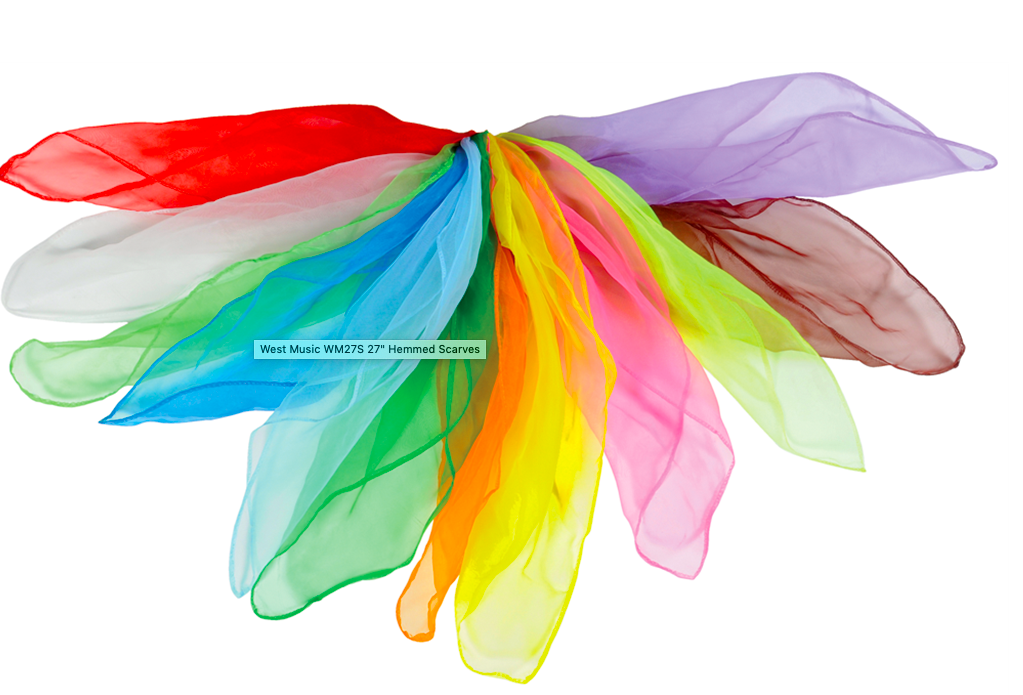
I use small, lightweight hemmed scarves like these. Search for “hemmed scarves” or “juggling scarves.” Check the reviews. I like mine! Young children can practice naming the color, too.

If your scarves are big for your students, just tie a knot in the middle of the scarf. They should hold onto that part.

Screen Shot 2020-03-19 at 16.55.57

Check out my Pinterest board for more autumn activities. This song is available on my album “Jump Jump Everyone.” You can find it on most streaming services, such as Spotify. For more kid-tested music and movement activities, check out my music on iTunes.

Jump Jump Everyone
Kathy has produced two music CDs for very young learners, Kathy Kampa’s Special Days and Holidays and Jump Jump Everyone, which build English language skills through movement while nurturing creativity and imagination! Grown and loved by real kids!

Kathy Kampa is a teacher, author, and teacher-trainer who specializes in working with young learners. She taught at Seisen International School in Tokyo, Japan in the PYP (Primary Years Program) and continues to teach young learners in Minnesota. Kathy uses a globally minded, inquiry-based approach to teaching that helps students develop 21st-century skills. She also supports the development of English language skills by creating songs, chants, and TPR/movement activities targeted to young learners’ needs.

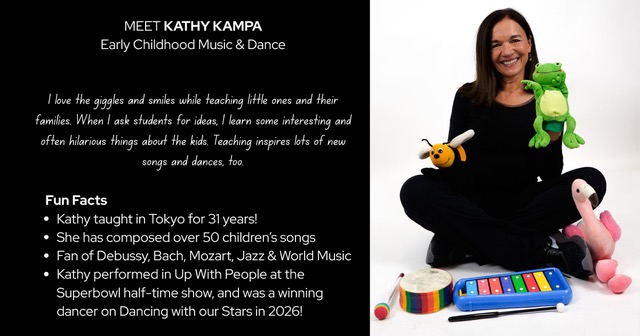
A woman with long hair, dressed in a black top and pants, is smiling while sitting on the floor. She holds a green stuffed frog in one hand and a colorful toy in the other. Various toys are scattered around her, including a xylophone, a colorful ball, and a stuffed bee. The background features a black wall with text about her experience in early childhood music and dance.

Kathy and her husband Charles Vilina are also co-authors of Magic Time, Everybody Up, Oxford Discover, Beehive, Buzz, and Blue Dot, all published by Oxford University Press.

Here’s another video of this song.

#AUTUMN #FALLINGLEAVES #KIDSMUSIC #AUTUMNDAYS #AUTUMNCOLORS #NURSERYRHYMES #ENGLISHSONGS #KINDERGARTEN

I love this photo! When we lived in Tokyo, we witnessed such beautiful autumn leaves. People celebrate the season outside by enjoying picnics, taking hikes, and taking lots of pictures!

A woman wearing a traditional kimono with colorful patterns, standing near a stream surrounded by autumn foliage.
Photo by Kathleen Kampa, 2020, Showa Kinen Park

Fun Dance Activities for Kids: The Ultimate Movement Break

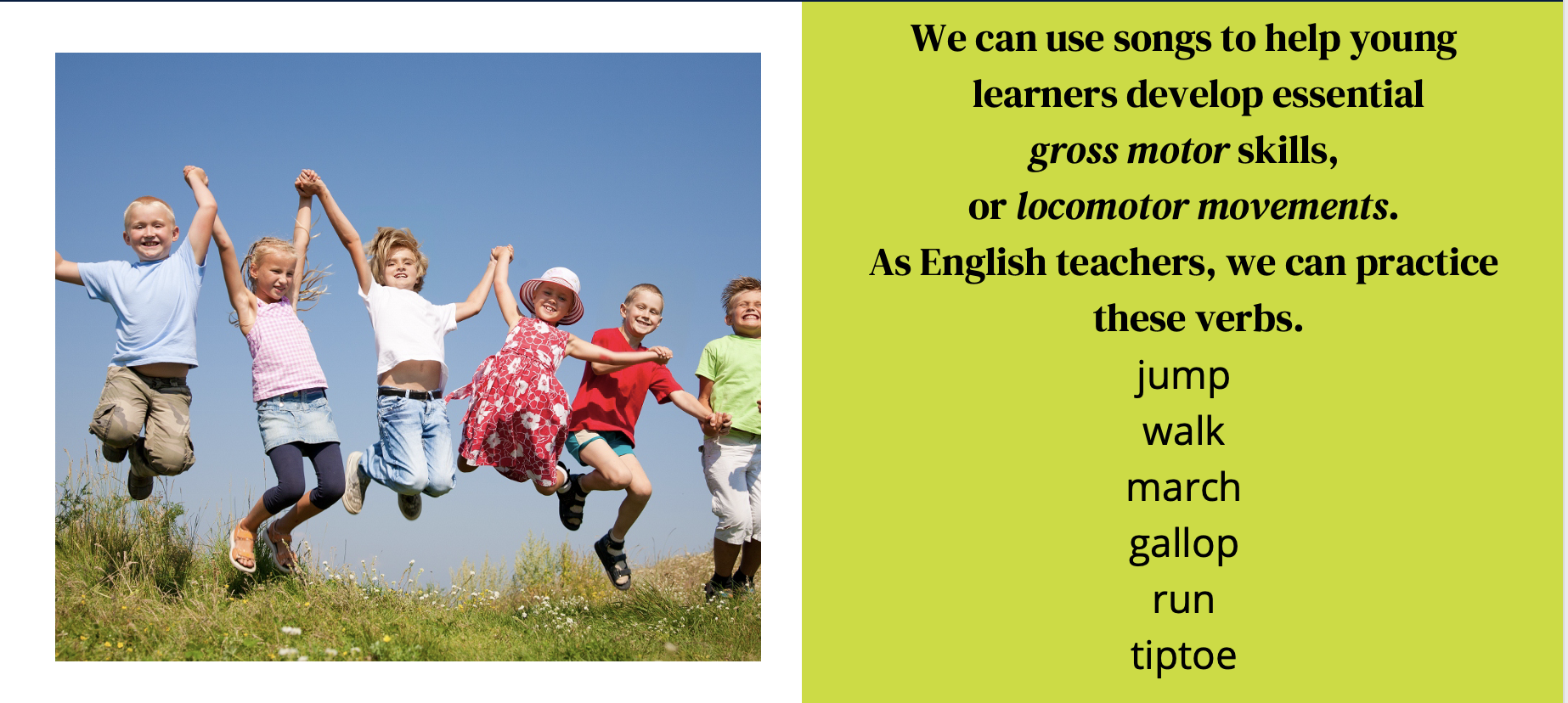
When your little ones need a movement break, this is the perfect dance song! It teaches various locomotor movements, movements that go from one place to another. Perhaps more importantly, it teaches little ones to pause and stop. When they stop, different adjectives prompt their poses. It’s a song that my students and parents ask for over and over again!

Here are the lyrics. The music is available on Spotify.

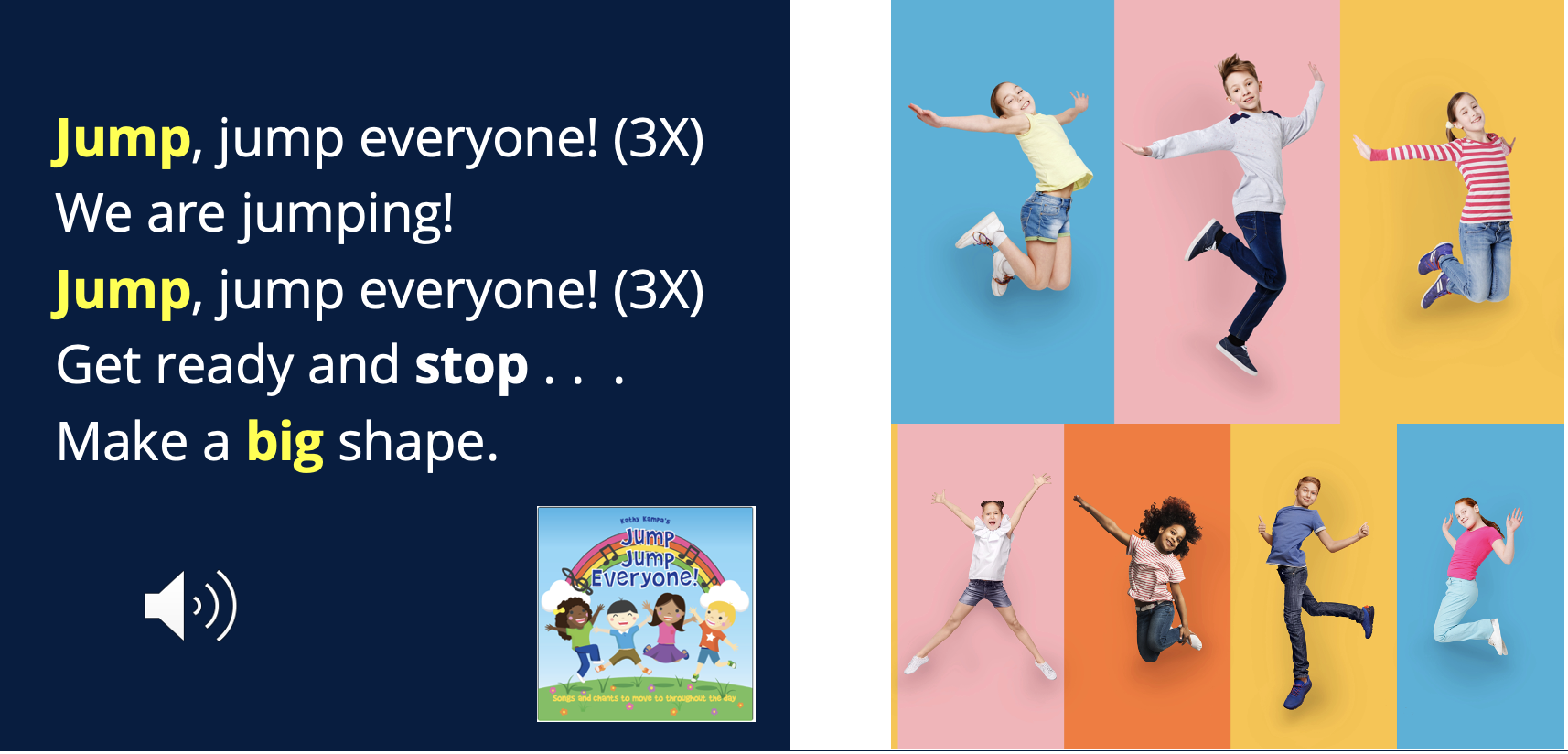
Jump Jump Everyone by Kathy Kampa

Jump, jump, everyone! (3X) We are jumping!

Jump, jump, everyone! (3X) Get ready and stop. Make a big shape.

Substitute:

2. Walk, walk everyone . . . Make a small shape.

3. March, march everyone . . . Make a silly shape.

4. Gallop, gallop everyone . . . Make a happy shape.

5. (inside run) Run, run everyone . . . Make a tall shape.

6. Tiptoe, tiptoe everyone . . . Make a tiny shape.

7. Jump, jump everyone . . . Make your favorite shape!

Here is a short snippet of our Wirth Center for the Performing Arts families at our 2026 Spring Gala. The students are from our Music Play and Dance Play classes. They’re performing “Jump, Jump Everyone.” This is the very end of the song where they are facing the audience. We do most of this song moving together around in a circle. Look at the joy on everyone’s faces!!! Most of these children range in age from six months to four years. We have two student helpers who loved this dance, too!!!

How to teach this song:

Before I use the recorded music, we practice each locomotor movement and the poses.

“Let’s jump . . . when we jump, we need to use two feet to get up off the ground. Can you jump? “

Parents can help little ones by holding them under their arms and bouncing them along. They can also help them jump high in the air like the video. See the video.

“We can jump around the circle. Stop, then make a big pose.”

You can describe the way your students are making their poses. “Olivia is making a big pose with her arms up high. Griffin is making a big pose by stretching his legs out wide.”

Practice each locomotor movement around the circle, along with the poses.

Walk . . . you can pretend to walk your dog. Or your elephant. Or you can walk with a baby in a stroller.

March . . . let’s lift our knees up high.

Gallop . . . put one foot in front of the other. You can put your hands behind your back. Listen to the uneven rhythm. (clap a galloping rhythm.)

Run . . . When we are outside, we can run with big steps. But we are inside, so let’s be careful. Look at my “inside run.” I’m running fast, but I’m running with little steps. (model this to the students)

Tiptoe . . . can you lift your heels up? Let’s move quietly. Maybe the baby is sleeping. Or maybe your daddy!

Let’s jump again!!

Now move in a circle with the music. Here’s the link on Spotify.

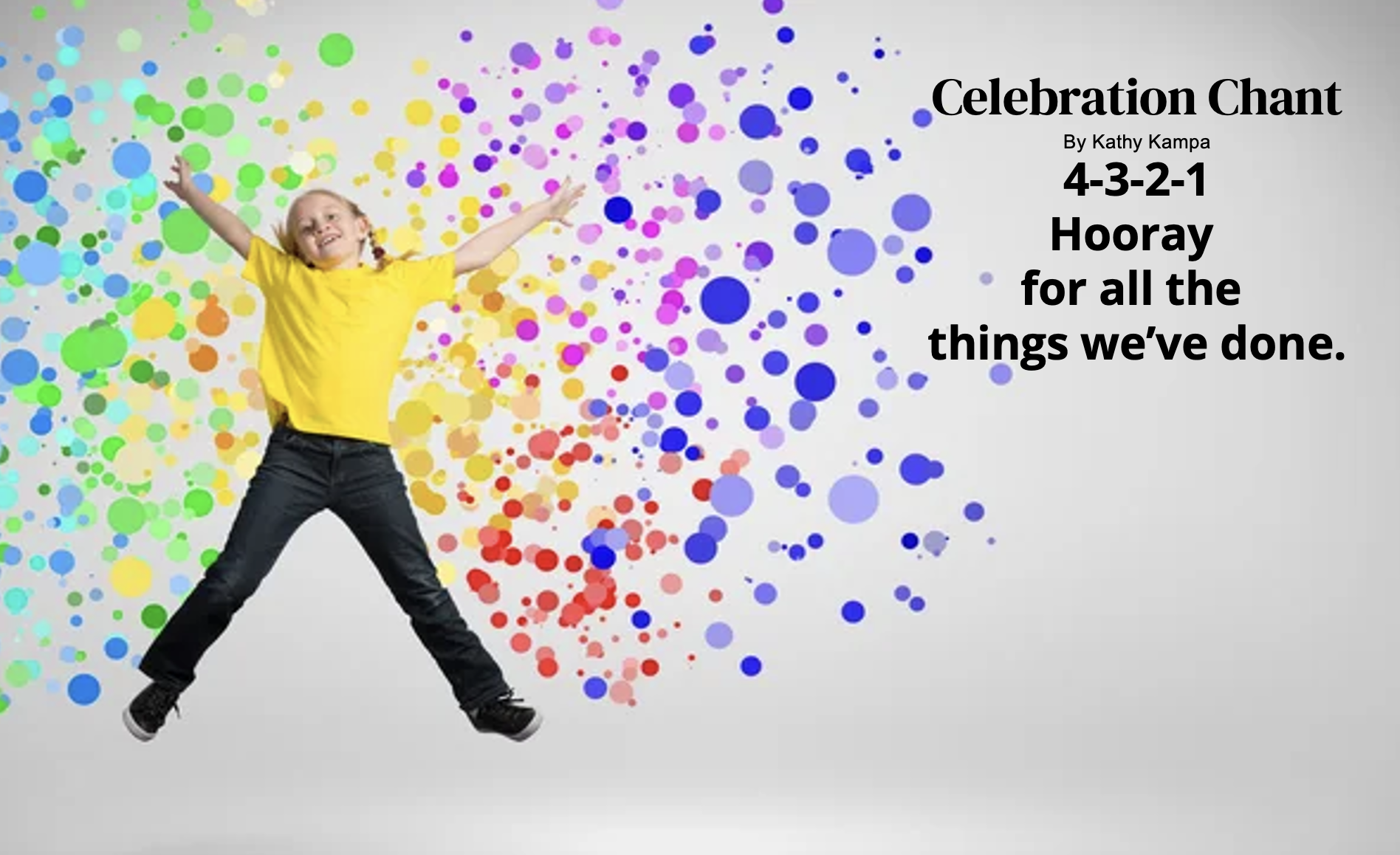
When we finish an activity, I often end with a Celebration Chant.

How to do this:

Use your fingers to show the numbers. (or for very littles, just clap.)

Shake your hands on “Hooray for all the . . .”

Clap your hands on “things we’ve done.”

If you’re looking for songs and chants that build language skills as well as music and movement skills, check out my two albums on Spotify.

Kathy Kampa’s Special Days and Holidays is filled with songs and chants that celebrate special events–including birthdays, a loose tooth, and holidays throughout the year. “Skeleton Dance” has been one of our top hit songs, but all are well-loved by my students.

Jump Jump Everyone is filled with many happy songs that have grown in my young learner classroom. The songs encourage children to move. Many songs link to classroom content. Children can dance like falling leaves, bloom like a spring flower, move through the butterfly life cycle . . . . you’ll find LOTS of fun and magic in this album.There are useful transitional songs, too.

Music by Kathy Kampa

Why use songs by Kathy Kampa?

Kathy Kampa loves to bring joy to the world through her children’s music. She is passionate about making learning engaging for young learners. You’ll find more resources on Kathy’s YouTube page. Kathy seeks to nurture children’s imaginations and spark creativity through fun and engaging activities. She also supports the development of English language skills by creating songs, chants, and TPR/movement activities targeted to young learners’ needs. She believes music and movement should be a part of every young child’s education. Kathy’s Songs for Kids (Kathy Kampa’s Special Days and Holidays and Jump Jump Everyone) are available on iTunes and streaming services like Spotify.

As a PYP teacher, Kathy uses a globally-minded and concept-based inquiry approach to teaching and learning through which students develop 21st-century skills. Kathy is an author and teacher-trainer with Oxford University Press. Together with her husband, Charles Vilina, they have written Magic Time, Everybody Up, Oxford Discover, Beehive, Buzz, and now Blue Dot (2025). They have worked with Tokyo Shoseki to create wonderful songs for children learning English.

Looking for more songs to start your school year on the right foot. Check out these songs for cleaning up your space.

Celebrate Hinamatsuri: Ideas for Girls’ Day Activities

Featured

Subscribe to continue reading

Subscribe to get access to the rest of this post and other subscriber-only content.

Embracing Winter: Engaging Children with Snowy Songs

Featured

It’s winter 2025 here in Minnesota. We’ve had a lot of snow already! And every time it snows, I start to sing this song in my head. (You might, too!)

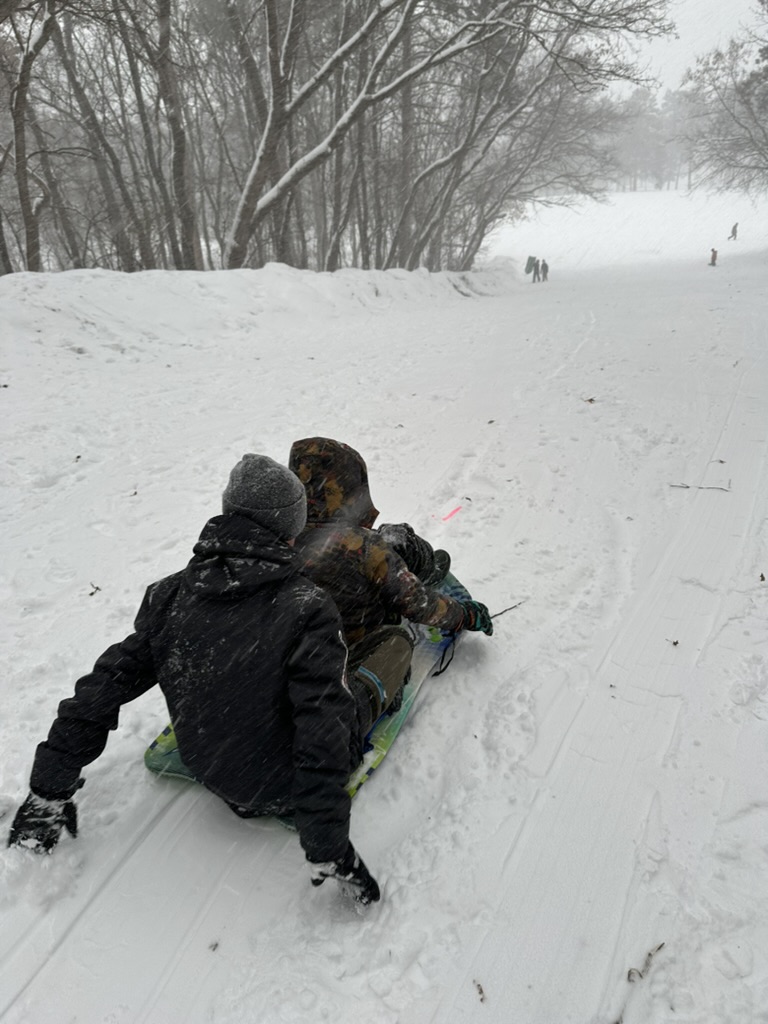
A snowy winter is a dream for us here in Minnesota. And today–it’s been snowing all day long! I went sledding with my neighbor’s children. With about eight inches of snow, we have to say that it was a winter wonderland!

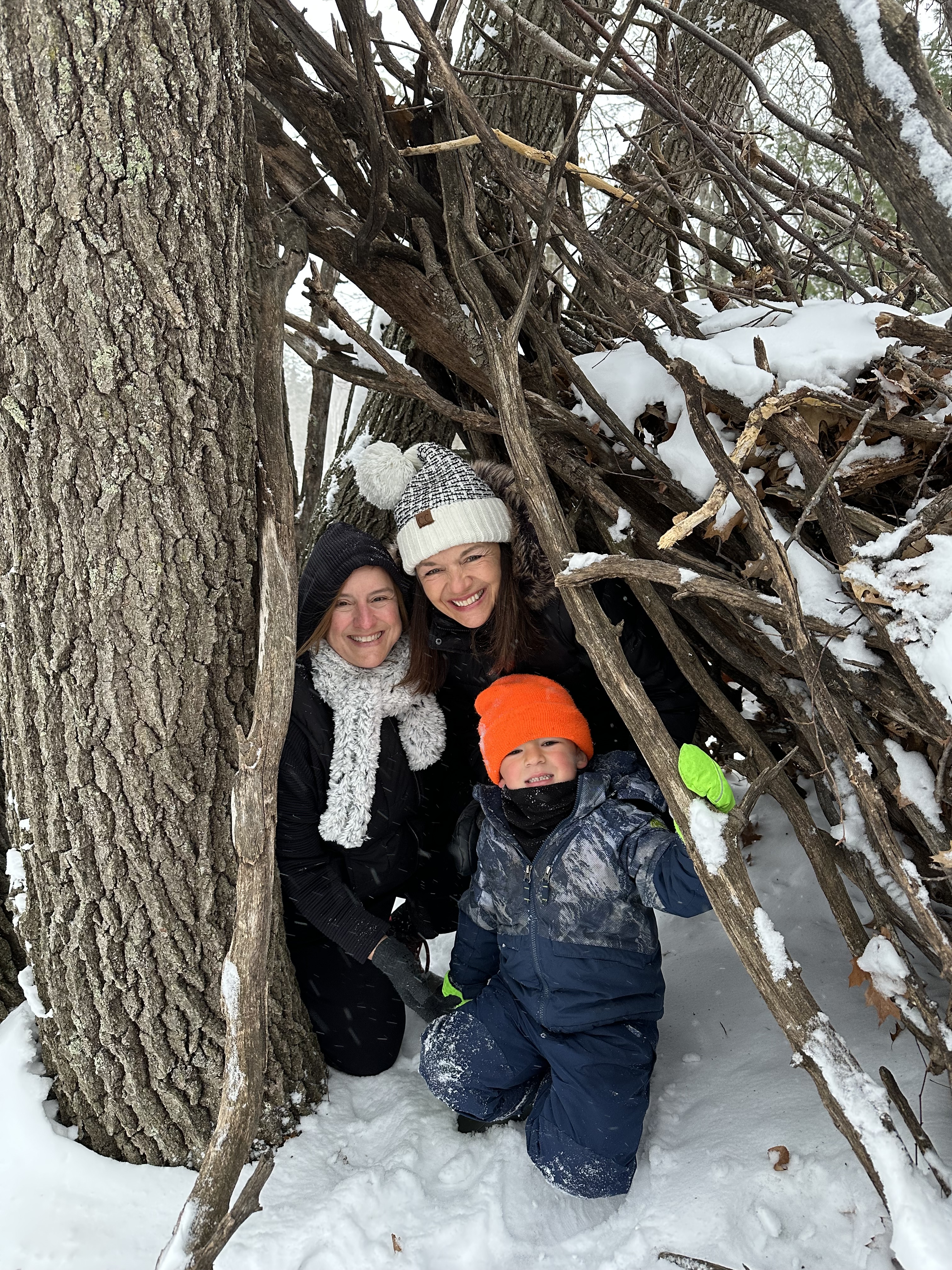
Look at this magical fort! I had a delightful time playing there with my great-nephew and my sister.

I started writing this song during our first snowfall in November 2024. I taught it to all my students last winter, and it quickly became a favorite. My cousin stopped by with her daughter and her granddaughter. I brought some toys for her to play with. We also sang this song with scarves. I gave each of them a scarf to take home.

This is what my cousin wrote: “We were checking to see if you had recorded it (Snow Is Falling Down) yet. We sang your song so much today that we honestly started searching for it so we could get a little break🤣🤪. Let’s just say the song and the scarves are a real hit with Lucy💝💝💝💝💝💝💝. “

Things you may notice:

-You’ll find repetition in the lyrics to help children learn the song quickly.

– I featured the /l/ sound to support ESL language development (especially for Japanese students) (la, la, la, la, la/ falling/ gently/ whirling)

-I taught this first as a seated song, then as a dance standing in one place.

-I added variety by inviting students to add playful movements with their scarves and dancing with the scarf on a different body part. Scarves are easy for young learners to manipulate.

You can add, Think, think, think, Think, think, think, what should we do? Let’s dance with the scarf on our elbows!

-Movements include toss/catch, crossing the midline with the scarf (standing), and vestibular (turning).

Here are the lyrics. You can choose which body part to put the scarf on.

You can find the Google slides here.

*Note: I use scarves like this for this song.

Snow Is Falling Down by Kathy Kampa

A: (Sit with children and toss scarves)

Snow is falling down, la-la-la-la-la, Falling gently from the sky,

Snow is falling down, la-la-la-la-la,

Falling to the ground. Falling on my head.

(Scarves cover the children’s heads, sit and move with continuous flow)

B. See it falling down, Whirling all around, Dancing on my head. (2X)

Peek-a-peek-a- peek-a-boo! ( Toss!!)

(Sit and toss scarves or stand and dance.)

2. Snow is falling down, la-la-la-la-la, Falling gently from the sky,

Snow is falling down, la-la-la-la-la,

Falling to the ground. Falling on my shoulder.

(Scarves rest on children’s shoulders)

B. See it falling down, Whirling all around, Dancing on my shoulder. (2X)

(toss it in the air . . . Whee!)

3. Snow is falling down, la-la-la-la-la, Falling gently from the sky,

Snow is falling down, la-la-la-la-la,

Falling to the ground. Falling on my hand.

(Children hold the scarf in one hand)

B: See it falling down, Whirling all around, Dancing in my hand. (2X)

(Sit and toss scarves)

Snow is falling down, la-la-la-la-la, Falling gently from the sky,

Snow is falling down, la-la-la-la-la, Falling to the ground.

Falling to the ground. (scrunch up the scarf, make a snowball, and toss!)

* Variation: Add other body parts.

*Try part or all of this song standing. Make sure that children have enough space to move.

  1. Swing scarf across the body to feel the meter. (1-2-3, 1-2-3, this is a waltz.) End with the scarf on a named body part.
  2. Make circles with the scarf. OR Turn slowly in one direction, then the other.
  3. If you’d like to add instruments, try triangles, shakers, or jingle bells.

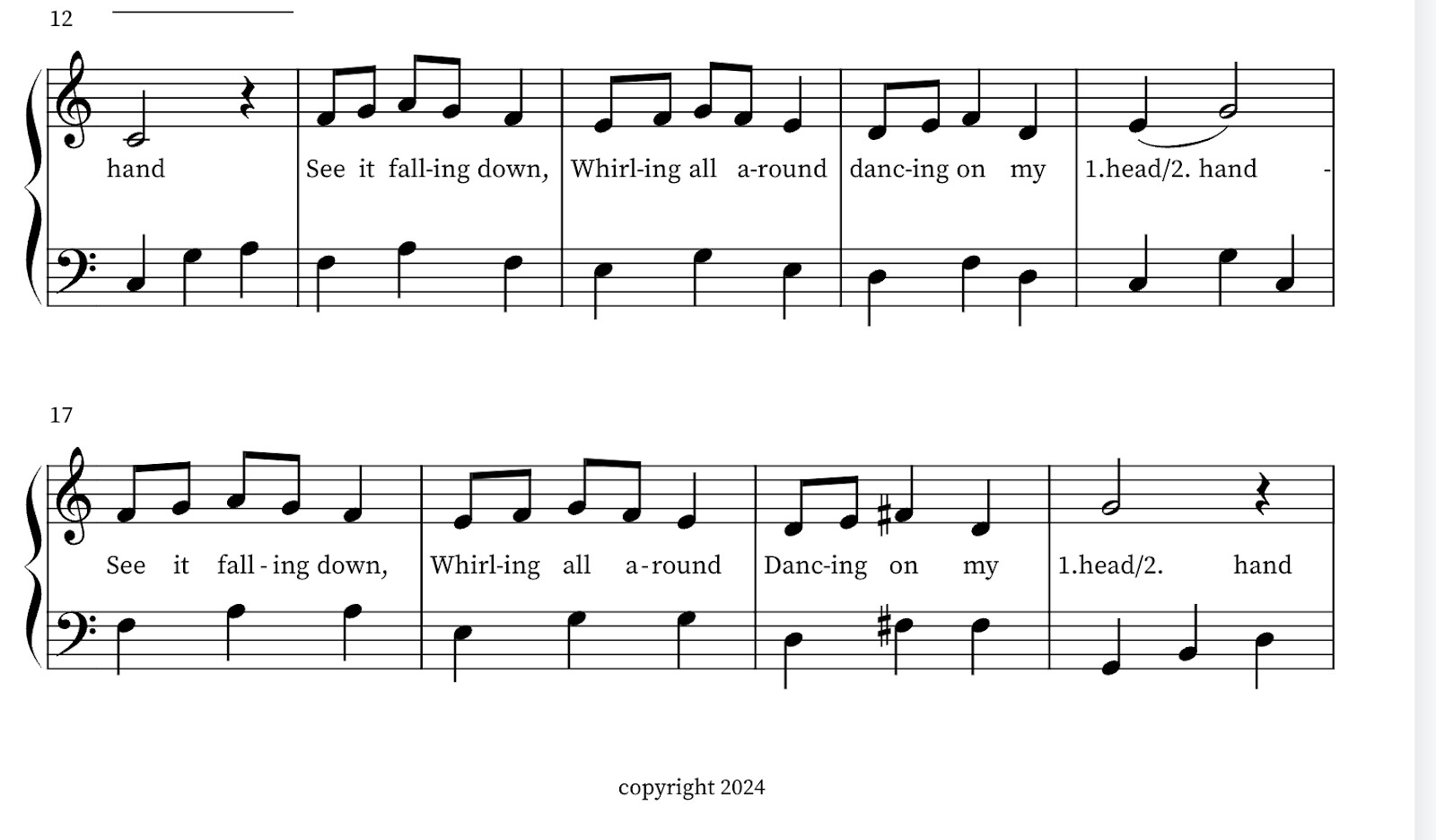
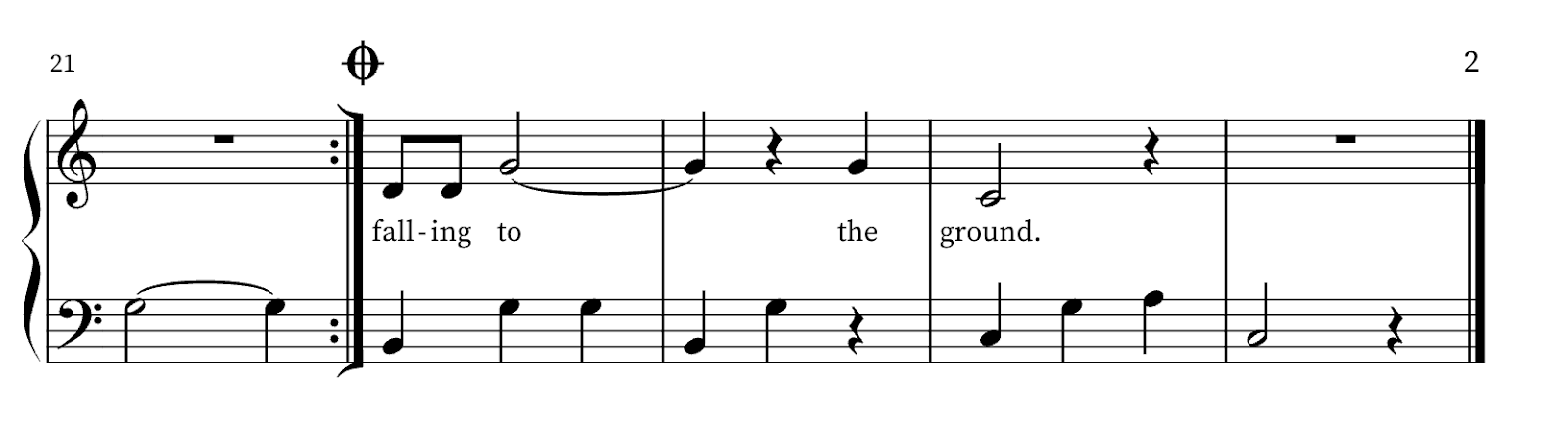
Here’s the notation. Enjoy!
Sheet music with notes and words

Description automatically generated
A sheet music with notes

Description automatically generated
A sheet music with notes

Description automatically generated

Are you streaming music? Go to Spotify or Apple Music to find Kathy’s additional music. You’ll find these albums there.

Jump Jump Everyone, Kathy’s second album, is filled with many happy songs that have grown in my young learner classroom. The songs encourage children to move. Many songs link to classroom content. Children can dance like falling leaves, bloom like a spring flower, move through the butterfly life cycle . . . . you’ll find LOTS of fun and magic in this album.

This song will be on Kathy’s next album. If you have song requests, let her know.

Kathy Kampa loves to bring joy to the world through her children’s music. She is passionate about making learning engaging for young learners. You’ll find more resources on Kathy’s YouTube page. Kathy seeks to nurture children’s imaginations and spark creativity through fun and engaging activities. She also supports the development of English language skills by creating songs, chants, and TPR/movement activities targeted to young learners’ needs. She believes music and movement should be a part of every young child’s education. Kathy’s songs for kids (Kathy Kampa’s Special Days and Holidays and Jump Jump Everyone) are available on iTunes and streaming services like Spotify.

Kathy uses a globally-minded and concept-based inquiry approach to teaching and learning through which students develop 21st-century skills. Kathy is an author and teacher-trainer with Oxford University Press. Together with her husband, Charles Vilina, their new course Blue Dot will be released in 2025.


It’s Christmas Time!
Featured

%22Christmas Gingerbreads%22 by nuchylee

Christmas Day is just around the corner!  Here’s a simple song for your little ones!!

You’ll find everything you need to teach this song–a handout, lyrics, movement suggestions, and a video. You can find this song on Apple Music, Spotify, or iTunes. 

My dear friend and Oxford co-author, Setsuko Toyama from Niigata, Japan, created this wonderful activity sheet and picture cards. Just click below and print them!

It’s Christmas Time-Song by K. Kampa, Handout by S. Toyama

It’s Christmas Time

Words by Kathleen Kampa, copyright © 2013 by Kathleen Kampa

(music adapted from The Muffin Man)

1. Do you hear the jingle bells,

the jingle bells, the jingle bells?

Do you hear the jingle bells?

It’s Christmas time!

 Chorus:

Christmas! Christmas! Time to celebrate.

Christmas! Christmas! We can hardly wait. 

 2. Do you see the Christmas tree,

the Christmas tree, the Christmas tree?

Do you see the Christmas tree?

It’s Christmas time!

 Chorus:

Christmas! Christmas! Time to celebrate.

Christmas! Christmas! We can hardly wait. 

Do you smell the gingerbread,

The gingerbread, the gingerbread?

Do you smell the gingerbread?

It’s Christmas time!

 Chorus:

Christmas! Christmas! Time to celebrate.

Christmas! Christmas! We can hardly wait. 

 4. We feel joy and happiness,

happiness, happiness,

We feel joy and happiness,

It’s Christmas time!

The steps to the activity are as follows:

1.  Teach the six new words using the picture cards.

It’s Christmas Time-Song by K. Kampa, Handout by S. Toyama

Create a gesture for each word.

2.  As a critical thinking activity, place the pictures for hear, smell, and see in a column on the left side of the board. Place the images for gingerbread, jingle bells, and Christmas tree in a column on the right side. Point to the “hear” card as you ask students, “What can you hear?” When students answer, “jingle bells,” draw a line from hear to jingle bells. Continue in the same way with the other words. In addition, you may ask questions such as, “Can you smell a Christmas tree? Can you see jingle bells?” and so on.

3.  Hand out a copy of the activity sheet to each student. Play the song. As students listen, they point to the lyrics with illustrations (known as a rebus).

4.  Play the song again, with students standing in a circle or at their desks. On each verse, pantomime the movement with your students. For a performance, you could have different groups perform each of the verses.

5. There are so many possibilities for movements. For example, on the chorus, on Christmas, Christmas, students can a) make a big circle with their arms, b) wave their arms side to side, or c)  choose their own idea. 

On time to celebrate, students clap their hands five times, once for each syllable.

On We can hardly wait, students hug themselves, then reach their hands up on the word wait!

For the interlude music, pretend to make it snow by moving your fingers gently from up high to the ground!

We hope you enjoy this wonderful Christmas song and activity.

Here’s a video that I made with some amazing kids! They jumped right into the song and we recorded this video at a park. 

For the studio version of my song, go to iTunes and click on Track #13 of Kathy Kampa’s Special Days and Holidays. (Just click on iTunes above or the album cover below.)

This music is also available on streaming services.

ms kampa 12-8

I have collected numerous Christmas craft activities here on Pinterest.

Happy Teaching, and have a very Merry Christmas!

Kathy Kampa

Kathy Kampa is a passionate educator of young learners. She seeks to nurture children’s imaginations and spark creativity through fun and engaging activities. Kathy believes that music and movement should be a part of every young child’s learning.

Kathy is the co-author of Magic Time, Everybody Up, Oxford Discover, Beehive and Buzz , and Blue Dot(all published by Oxford University Press). She has taught young learners in Tokyo, Japan for over 30 years. Kathy is also active as a teacher trainer, inspiring teachers around the world. She has currently returned to her home state of Minnesota in the US.

“Christmas Gingerbreads” image courtesy of nuchylee / FreeDigitalPhotos.net