Embracing Winter: Engaging Children with Snowy Songs

Featured

It’s winter 2025 here in Minnesota. We’ve had a lot of snow already! And every time it snows, I start to sing this song in my head. (You might, too!)

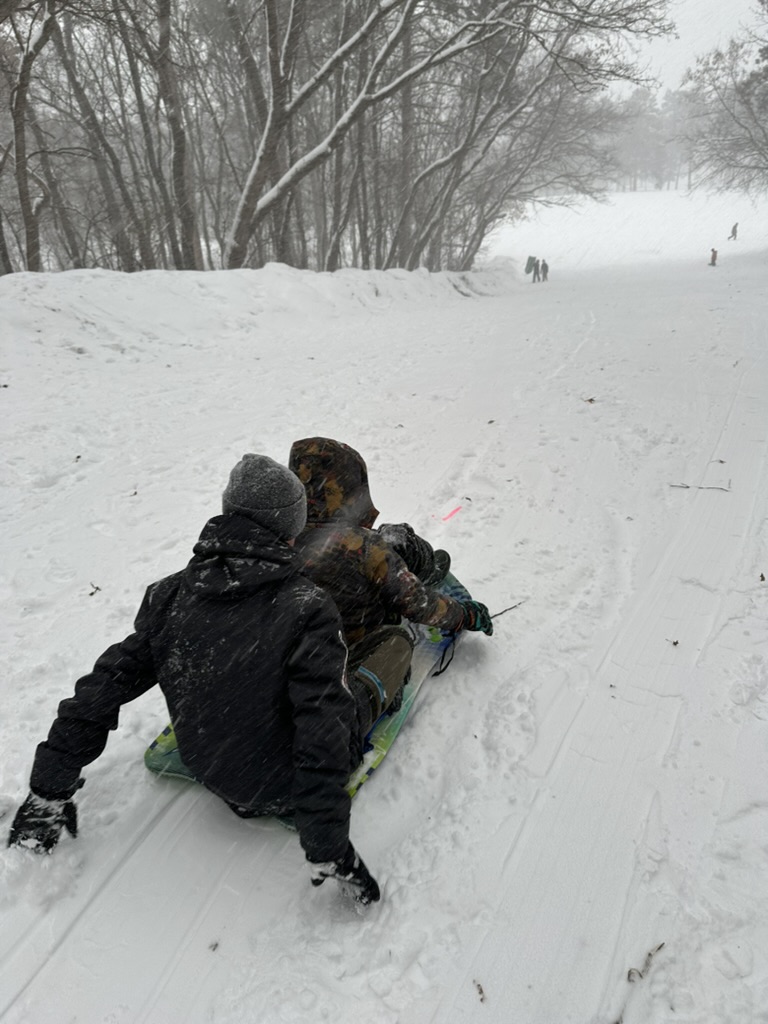
A snowy winter is a dream for us here in Minnesota. And today–it’s been snowing all day long! I went sledding with my neighbor’s children. With about eight inches of snow, we have to say that it was a winter wonderland!

Look at this magical fort! I had a delightful time playing there with my great-nephew and my sister.
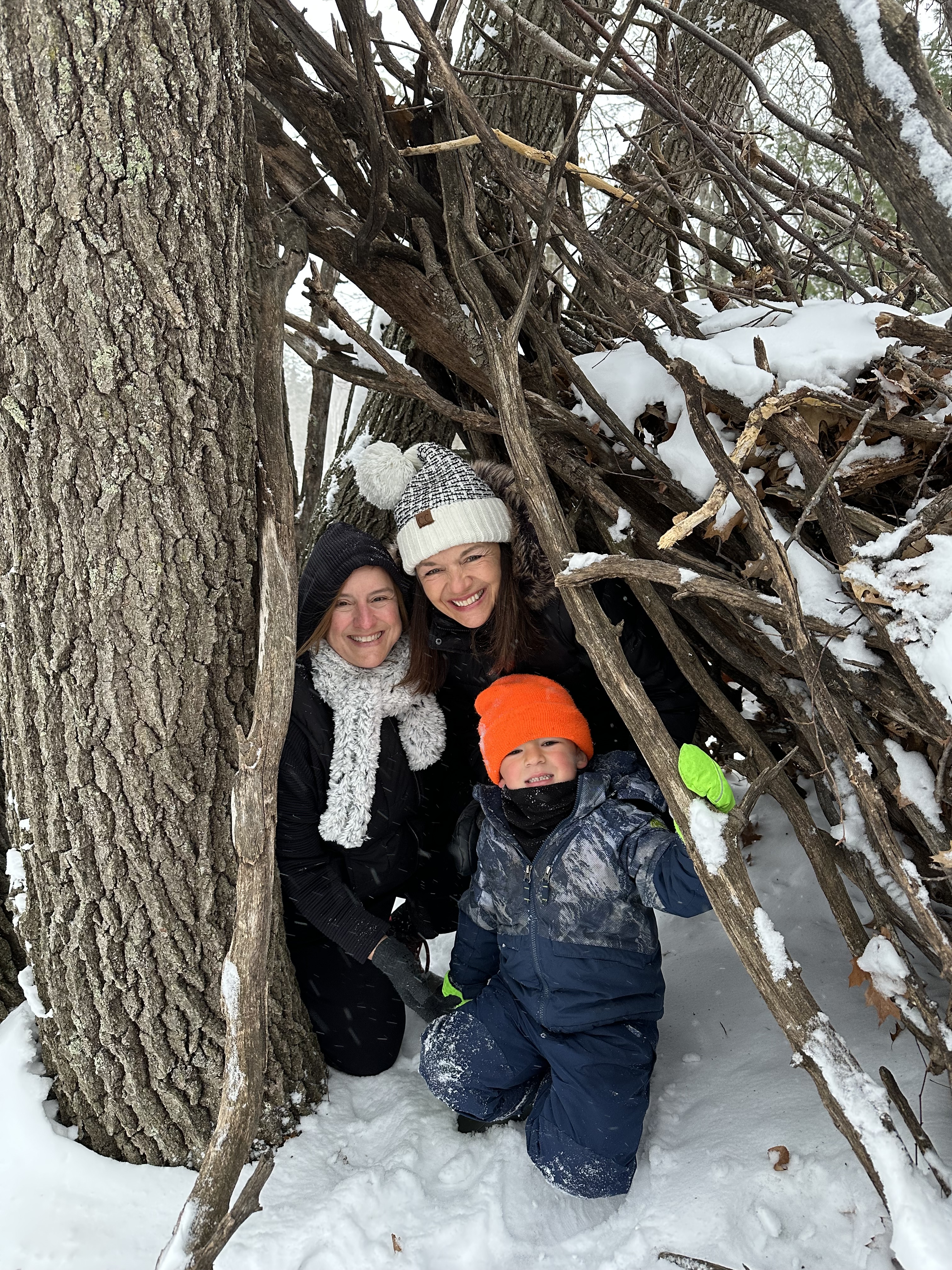
I started writing this song during our first snowfall in November 2024. I taught it to all my students last winter, and it quickly became a favorite. My cousin stopped by with her daughter and her granddaughter. I brought some toys for her to play with. We also sang this song with scarves. I gave each of them a scarf to take home.

This is what my cousin wrote: “We were checking to see if you had recorded it (Snow Is Falling Down) yet. We sang your song so much today that we honestly started searching for it so we could get a little break🤣🤪. Let’s just say the song and the scarves are a real hit with Lucy💝💝💝💝💝💝💝. “

Things you may notice:

-You’ll find repetition in the lyrics to help children learn the song quickly.

– I featured the /l/ sound to support ESL language development (especially for Japanese students) (la, la, la, la, la/ falling/ gently/ whirling)

-I taught this first as a seated song, then as a dance standing in one place.

-I added variety by inviting students to add playful movements with their scarves and dancing with the scarf on a different body part. Scarves are easy for young learners to manipulate.

You can add, Think, think, think, Think, think, think, what should we do? Let’s dance with the scarf on our elbows!

-Movements include toss/catch, crossing the midline with the scarf (standing), and vestibular (turning).

Here are the lyrics. You can choose which body part to put the scarf on.

You can find the Google slides here.

*Note: I use scarves like this for this song.

Snow Is Falling Down by Kathy Kampa

A: (Sit with children and toss scarves)

Snow is falling down, la-la-la-la-la, Falling gently from the sky,

Snow is falling down, la-la-la-la-la,

Falling to the ground. Falling on my head.

(Scarves cover the children’s heads, sit and move with continuous flow)

B. See it falling down, Whirling all around, Dancing on my head. (2X)

Peek-a-peek-a- peek-a-boo! ( Toss!!)

(Sit and toss scarves or stand and dance.)

2. Snow is falling down, la-la-la-la-la, Falling gently from the sky,

Snow is falling down, la-la-la-la-la,

Falling to the ground. Falling on my shoulder.

(Scarves rest on children’s shoulders)

B. See it falling down, Whirling all around, Dancing on my shoulder. (2X)

(toss it in the air . . . Whee!)

3. Snow is falling down, la-la-la-la-la, Falling gently from the sky,

Snow is falling down, la-la-la-la-la,

Falling to the ground. Falling on my hand.

(Children hold the scarf in one hand)

B: See it falling down, Whirling all around, Dancing in my hand. (2X)

(Sit and toss scarves)

Snow is falling down, la-la-la-la-la, Falling gently from the sky,

Snow is falling down, la-la-la-la-la, Falling to the ground.

Falling to the ground. (scrunch up the scarf, make a snowball, and toss!)

* Variation: Add other body parts.

*Try part or all of this song standing. Make sure that children have enough space to move.

  1. Swing scarf across the body to feel the meter. (1-2-3, 1-2-3, this is a waltz.) End with the scarf on a named body part.
  2. Make circles with the scarf. OR Turn slowly in one direction, then the other.
  3. If you’d like to add instruments, try triangles, shakers, or jingle bells.

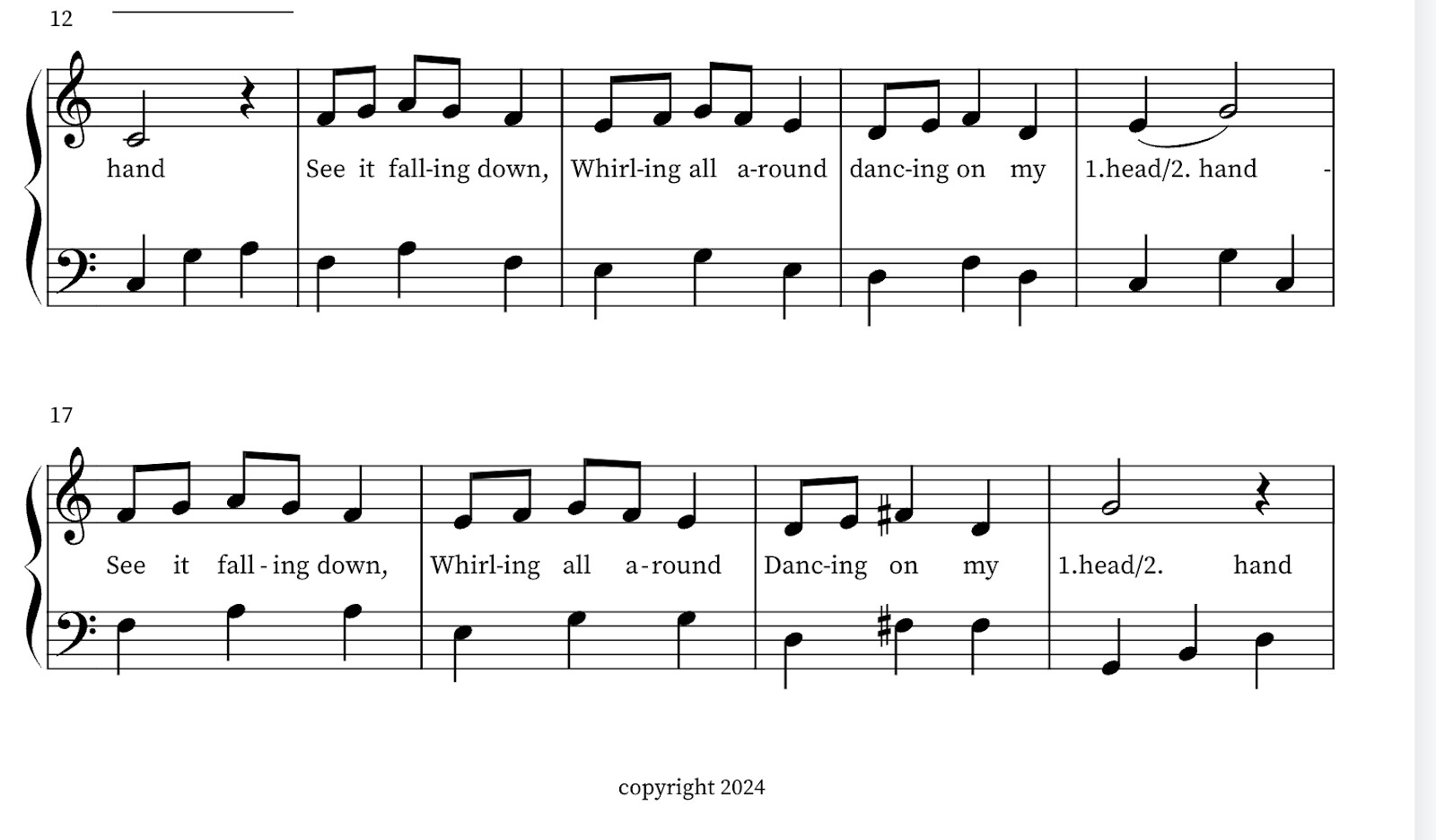
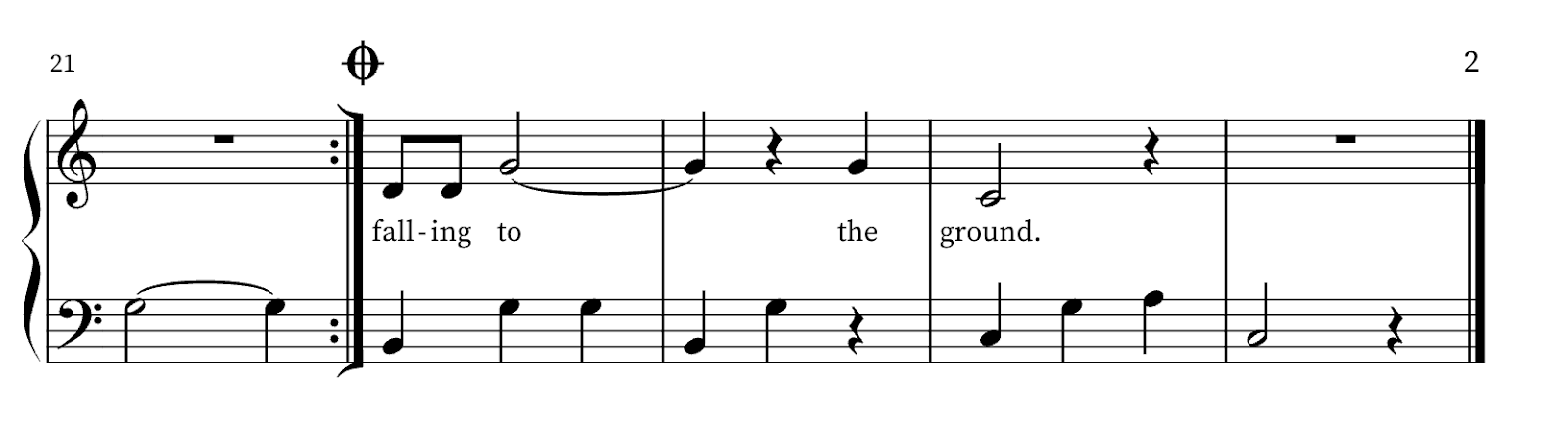
Here’s the notation. Enjoy!

Sheet music with notes and words

Description automatically generated
A sheet music with notes

Description automatically generated
A sheet music with notes

Description automatically generated

Are you streaming music? Go to Spotify or Apple Music to find Kathy’s additional music. You’ll find these albums there.
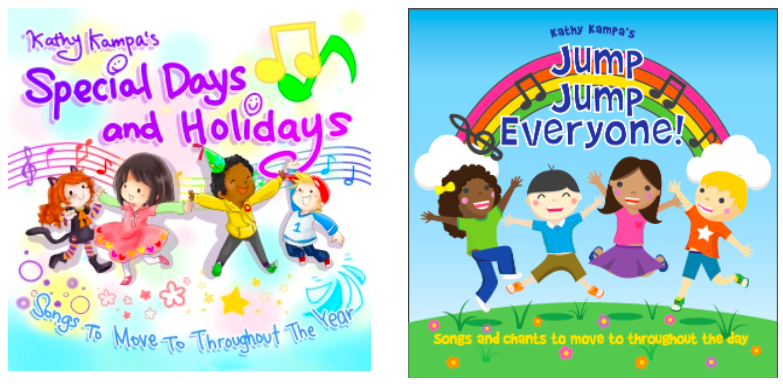
Jump Jump Everyone, Kathy’s second album, is filled with many happy songs that have grown in my young learner classroom. The songs encourage children to move. Many songs link to classroom content. Children can dance like falling leaves, bloom like a spring flower, move through the butterfly life cycle . . . . you’ll find LOTS of fun and magic in this album.

This song will be on Kathy’s next album. If you have song requests, let her know.

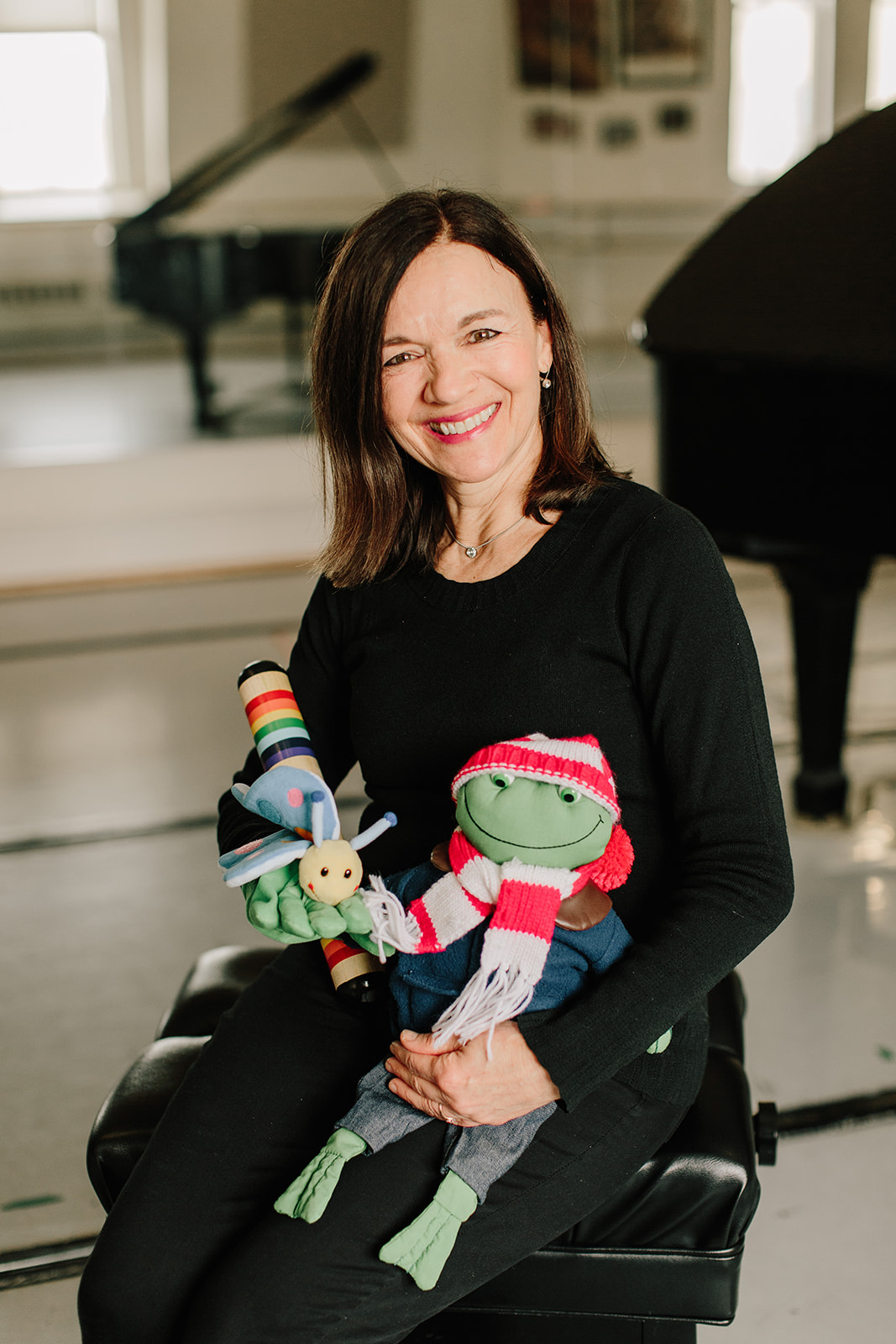
Kathy Kampa loves to bring joy to the world through her children’s music. She is passionate about making learning engaging for young learners. You’ll find more resources on Kathy’s YouTube page. Kathy seeks to nurture children’s imaginations and spark creativity through fun and engaging activities. She also supports the development of English language skills by creating songs, chants, and TPR/movement activities targeted to young learners’ needs. She believes music and movement should be a part of every young child’s education. Kathy’s songs for kids (Kathy Kampa’s Special Days and Holidays and Jump Jump Everyone) are available on iTunes and streaming services like Spotify.

Kathy uses a globally-minded and concept-based inquiry approach to teaching and learning through which students develop 21st-century skills. Kathy is an author and teacher-trainer with Oxford University Press. Together with her husband, Charles Vilina, their new course Blue Dot will be released in 2025.
 

Wiggly Little Worms

Have you ever wondered why worms surface when it rains? Worms appear everywhere!

My students have been fascinated with worms, so I created an activity where we pretend to be worms.

Follow the video to do a fingerplay or a whole-body activity.

The Little Worms

The little worms are in the mud, wiggling, wiggling, wiggling,

They push their heads up out of the mud and say, “Yippee! It’s a rainy day!”

The little worms are in the mud, wiggling, wiggling, wiggling,

They push their heads up out of the mud and cry, “Oh no! It’s a sunny day!”

Invite your students to think about other types of weather–windy, snowy, hot, cold, etc. How do you think the worms will feel?

If you want to learn more about worms:

There are multiple theories about why worms come out when it rains, including:

  • Movement: Wet soil allows worms to move more easily across the surface, which can help them find food, new habitats, or mates. They can also migrate longer distances than they could underground.
  • Survival: Worms need a moist environment to survive, and they can’t travel as fast while burrowing tunnels underground. After a rain, the soil pores and worm burrows fill with water, which allows worms to breathe through their skin.
  • Escape: The vibrations from raindrops hitting the ground can sound similar to vibrations from predators like moles, causing worms to flee to the surface for safety. Birds also take advantage of this behavior by mimicking rain to lure worms to the surface for food.
  • What can you do? If you see worms on the sidewalk after it rains, you can help them by moving them to a nearby patch of dirt or grass so they can burrow back underground more easily. 
  •  For more activities and songs for a rainy day, check out this post.
  • Go to Spotify or Apple Music to find Kathy’s music. You’ll find “Little Worms” on “Jump Jump Everyone.”Jump Jump Everyone, my second album, is filled with many happy songs that have grown in my young learner classroom. The songs encourage children to move. Many songs link to classroom content. Children can dance like falling leaves, bloom like a spring flower, move through the butterfly life cycle . . . . you’ll find LOTS of fun and magic in this album.
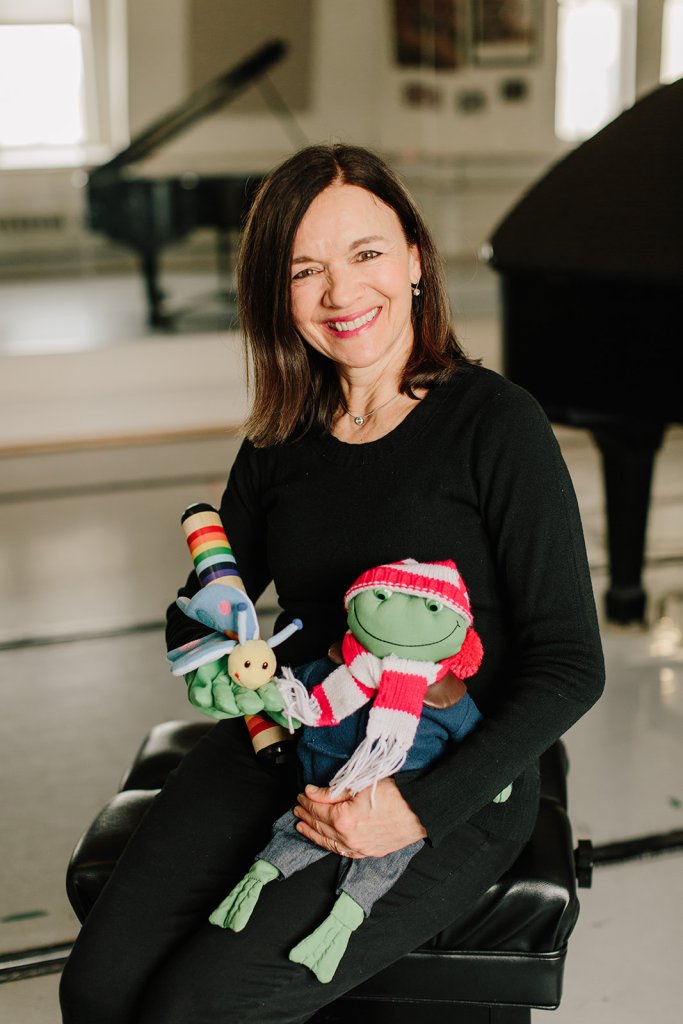
  • Kathy Kampa loves to bring joy to the world through her children’s music and English language books (Oxford University Press). She is passionate about making learning engaging for young learners. You’ll find more music and movement resources on Kathy’s YouTube page.

Rainy Day Songs

Featured

What do you do with young learners on a rainy day? Sing! Dance! Make inside recess a lot of fun!

In this post you’ll find three different rain songs, all perfect for young learners. You’ll find movement suggestions, videos, and Spotify playlists for more rainy-day songs. Enjoy!

This first song is called “It Is Raining.” It’s a song that encourages noticing, a first step in learning. It invites students to listen to the various sounds created by patting on different body parts. These sounds are called “body percussion.” They can listen to the similarities and differences in the sounds. Is the sound loud or quiet/soft? Is the sound high or low?

Students learn the names of body parts, like head, arms, legs, chest, cheeks, and tummy. They can pat the rhythm of the words.

It Is Raining

by Kathy Kampa on Jump Jump Everyone

(Goals: body part names, listening for different types of sounds, rhythm of the words)

It is raining. It is raining.

Wiggle your fingers from high to low to look like it’s raining.

On my legs. On my legs.

Pat your legs to the rhythm of the words.

Pitter patter raindrops. Pitter patter raindrops.

Tap that body part (legs) to the rhythm of the words.

I’m all wet! I’m all wet!

Brush your hands along your legs. Pretend to shake off the water.

Step inside my classroom in Japan to see my young learners singing and moving to this song.

Once your students have learned this song, take it a step further.

Think, think, think. Think, think, think. What should we do?

Tap your finger to the side of your forehead. Put your hands out to the side.

Let’s sing about our elbows!

Tap your elbows. How does that sound? Loud? Soft? High? Low? I think that sounds soft or quiet. Sing in the same way.

Let’s sing about our back(s)!

Tap your back. How does that sound? Loud? Soft? High? Low? I think that sounds kind of low. Sing in the same way.

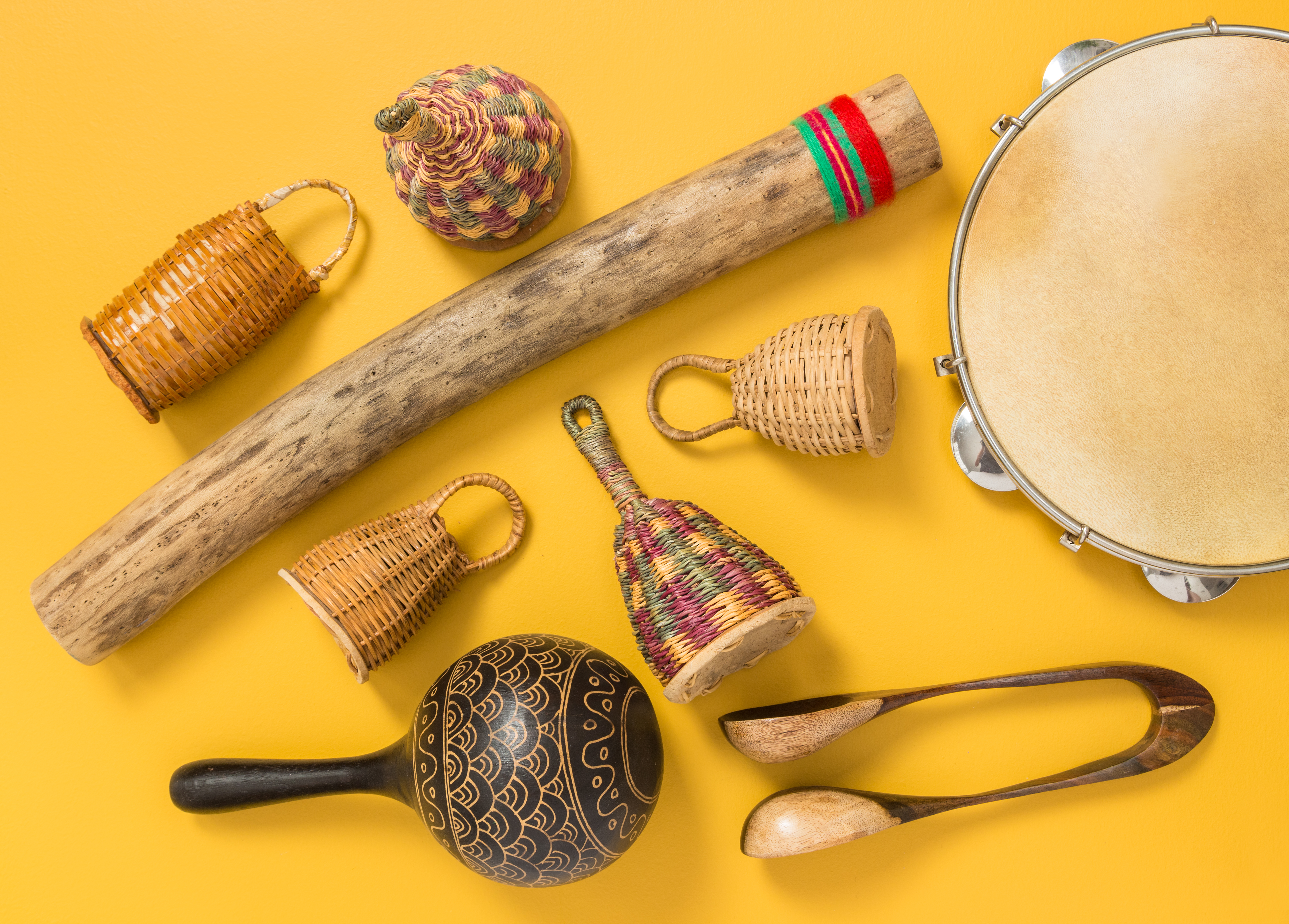
Get a rainstick or shaker if you want to add an interesting sound.

Ethnic percussion musical instruments on yellow background. Caxixi shakers, rainstick, pandeiro, maracas and musical spoons.

Our second song is called “Ame, Ame.” After living in Japan for over thirty years, I grew to love this traditional song. There are many different translations for it. Here’s mine.

Japanese Rain Song “Ame, Ame”

Beth’s Notes shares this notation as well as some delightful videos.

Pitter patter falling falling, Rain is falling down,

Tap on your legs. Wiggle fingers to look like rain falling.

Mother brings me my umbrella, Rain is falling down,

Pretend to open an umbrella. Wiggle fingers to look like rain falling.

Pi-chi Pi-chi, cha-pu, cha-pu, ran, ran, ran, (らん、らん、らん)

Tap on your legs.

If you have instruments, it’s fun for students to make their own rainstorm. First the wind and gentle rain, thunder, pouring rain, then returning to the wind and gentle rain.

Students can create this with body percussion sounds, too.

Lastly, a traditional rain song is “Rain Rain Go Away.”

Rain, Rain Go Away

Rain, rain, go away! Come again another day.

Make rain movements. Show “Go away.” Show “Come again.”

All the children want to play.

Clap your hands.

Rain, rain, go away!

Make rain movements. Show “Go away.”

There are many videos for this song. This one by Cocomelon shows how we can be creative while we wait for the rain to stop.

And if three songs aren’t enough for your rainy-day plans, check out these Spotify Playlists with lots of music for kids.

Are you streaming music? Go to Spotify or Apple Music to find Kathy’s music. You’ll find “It Is Raining” on “Jump Jump Everyone.”

Jump Jump Everyone, my second album, is filled with many happy songs that have grown in my young learner classroom. The songs encourage children to move. Many songs link to classroom content. Children can dance like falling leaves, bloom like a spring flower, move through the butterfly life cycle . . . . you’ll find LOTS of fun and magic in this album.

Kathy Kampa loves to bring joy to the world through her children’s music. She is passionate about making learning engaging for young learners. You’ll find more resources on Kathy’s YouTube page.