Hop Along Easter Bunny

Featured

Easter is just around the corner! Holidays give us an opportunity to teach students about holiday traditions as well as teach some new vocabulary. I always love to find ways to get my students moving with a song.

In this post you’ll find:

  • the teaching steps and videos for teaching Hop Along Easter Bunny, as a fingerplay and as a whole-body activity
  • Google slides
  • videos to show you ways you can teach this song 
  • an Easter egg guessing activity created by Setsuko Toyama
  • arts and crafts activities

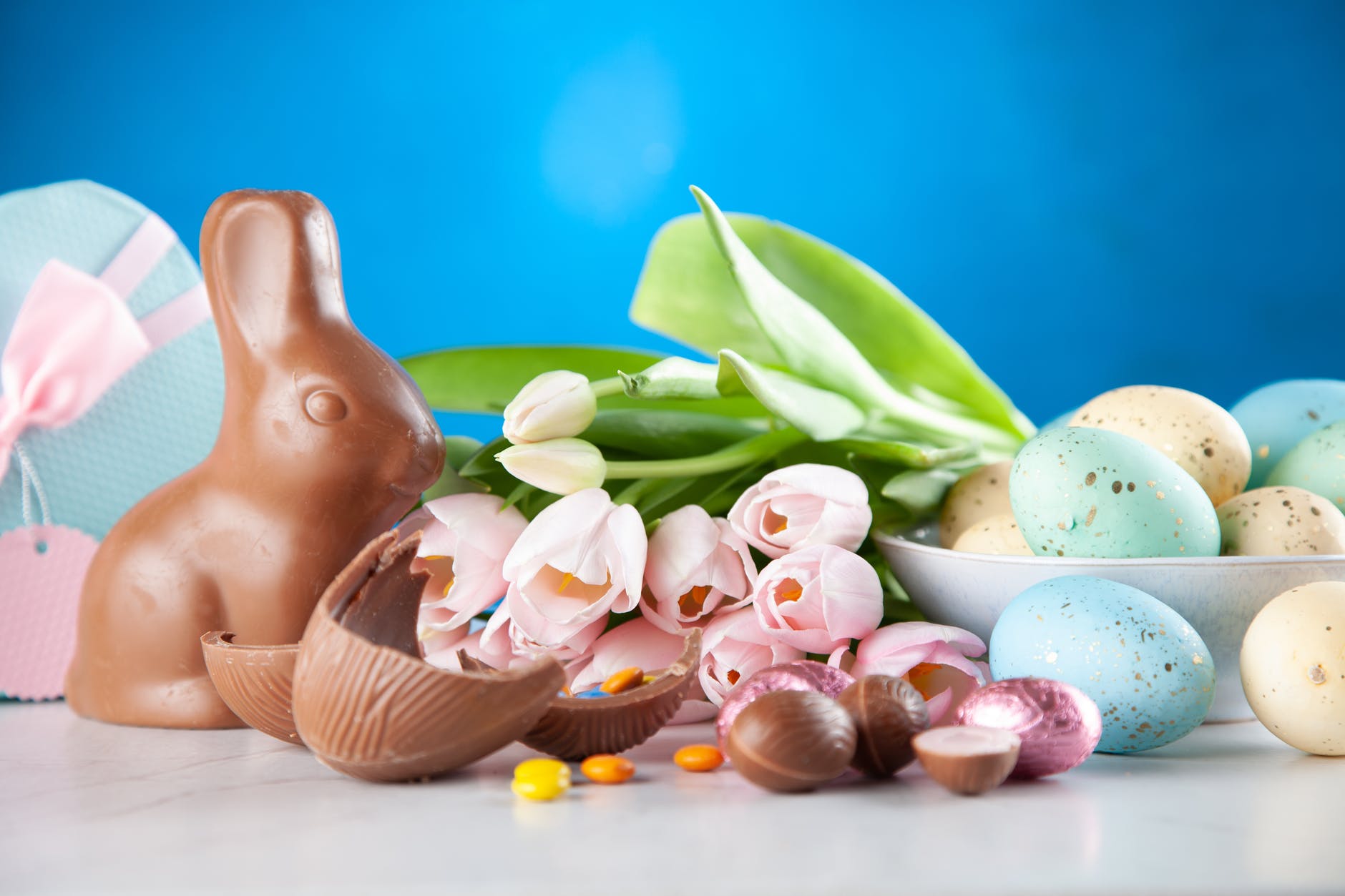
How will you teach your students about Easter? Look at the picture below. What do you see? What does it tell you about Easter? (rabbits, colored eggs, spring flowers, chocolates) 
When I teach young learners, I use many ways to introduce, practice, and review new language.  Use props. Then do this song in three different ways–first as a fingerplay, then moving around a circle, and finally, moving around the classroom.  I’ve made a simple video for you to help you learn it as a fingerplay.

  1. Fingerplay: If possible, sit on the floor with the students.  Stretch your legs out in front of you.  Make an Easter Bunny by raising two fingers.  Bounce your fingers up and down your legs as if you’re hopping.

Hop along Easter Bunny, hop along.

Hop along Easter Bunny, hop along.

Hop along Easter Bunny, Hop along Easter Bunny,

Hop along Easter Bunny, hop along.

Young children love surprises. Each time I sing one line, I quickly bring my fingers back to where I started. On the longer line, continue hopping. My students find it funny when I bring my fingers over my head and along my arm.

On the second verse, pretend to tiptoe using your fingers.

Tiptoe Easter Bunny, tiptoe.

Tiptoe Easter Bunny, tiptoe.

Tiptoe Easter Bunny, Tiptoe Easter Bunny,

Tiptoe Easter Bunny, tiptoe.

On the third verse, pretend to pick up an egg and hide it beside you, behind you, or under your legs.

Hide the eggs Easter Bunny, hide the eggs.

Hide the eggs Easter Bunny, hide the eggs.

Hide the eggs Easter Bunny, Hide the eggs Easter Bunny,

Hide the eggs Easter Bunny, hide the eggs.

On the last verse, pretend to run away.

Run away Easter Bunny, run away.

Run away Easter Bunny, run away.

Run away Easter Bunny, Run away Easter Bunny,

Run away Easter Bunny, run away.

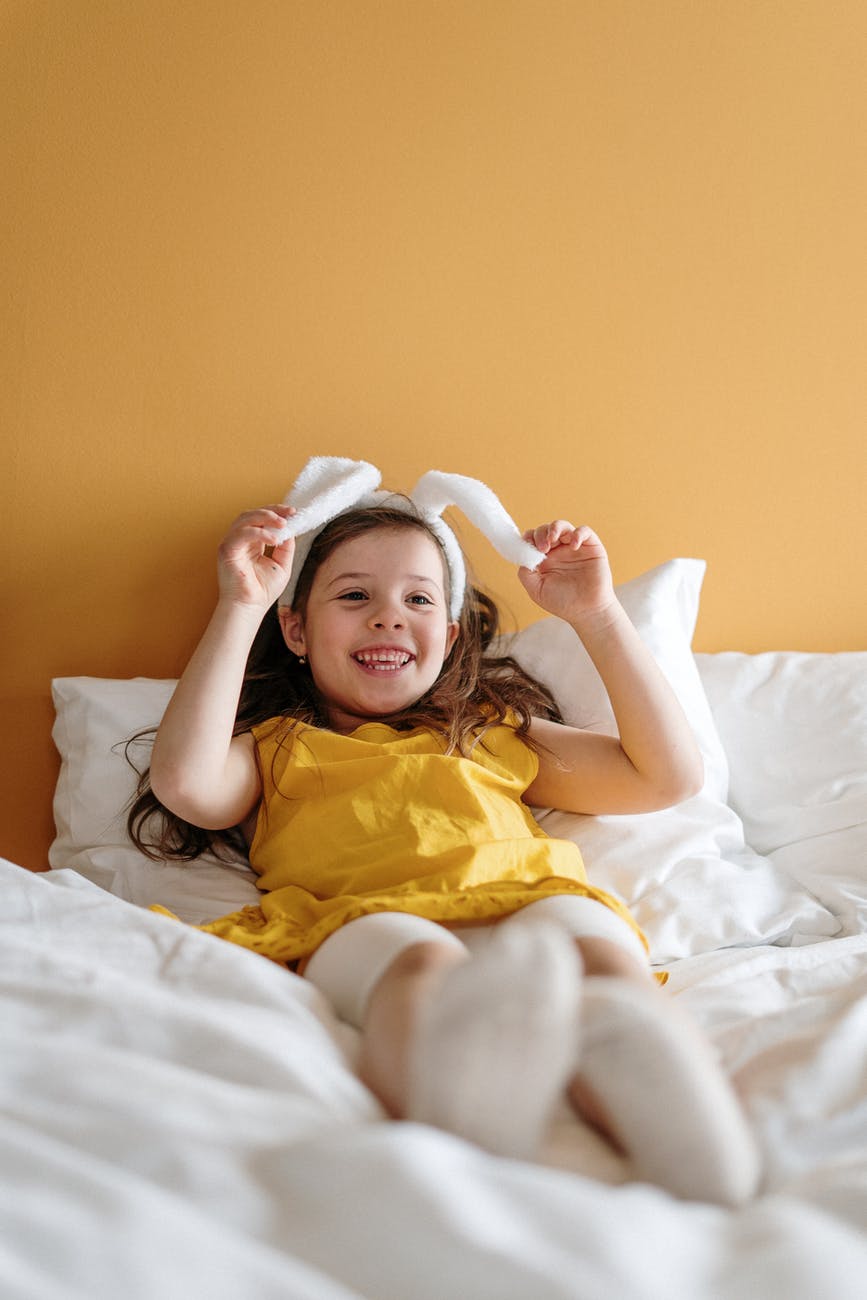
These Easter Bunny ears are a fun way to celebrate! Here's Brooke having fun in Tokyo.

2. Around the circle movement: Stand up and magically turn all of your students into Easter Bunnies. Say, Put on your ears, your whiskers, your tails, and your great big feet!

If you have bunny ears like Brooke, put them on!

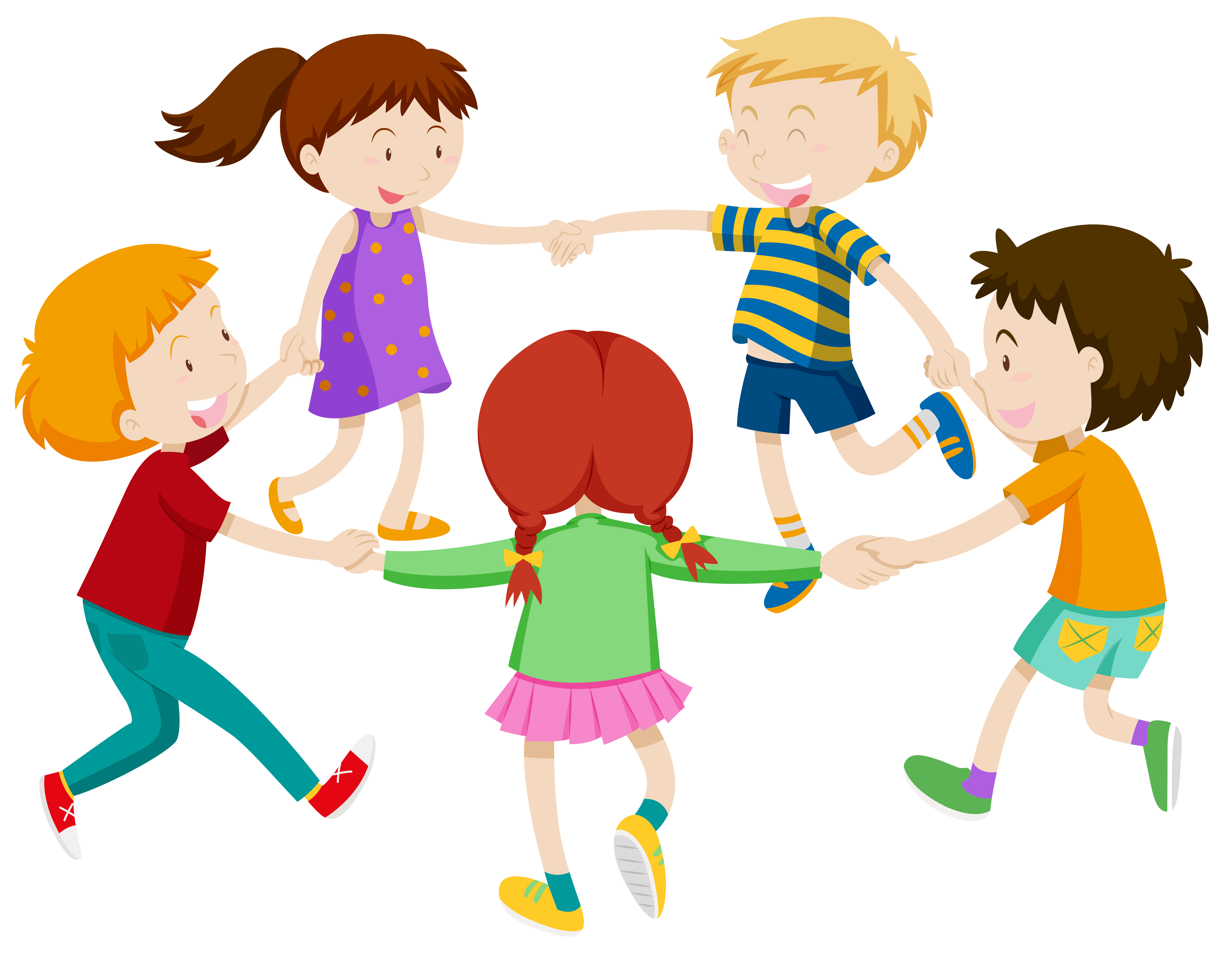
Make a circle with your students.  Sing this transitional song from Jump Jump Everyone to get ready.

Transitional Song: Let’s make a circle big and round (4X)

https://magictimekids.com/2013/09/23/transitional-songs-part-one/

Moving around the circle together in the same direction.  Do you remember the four movements?

1. hop like a bunny (They might use their hands to make bunny ears or a bunny tail.)

2. tiptoe quietly

3. pretend to hide eggs

4. run

3. Around the Classroom: Students can move more freely around the classroom. The Easter Bunnies dance the song by moving around the children.

Here’s a simple video of my students in my classroom moving in a circle to this music.

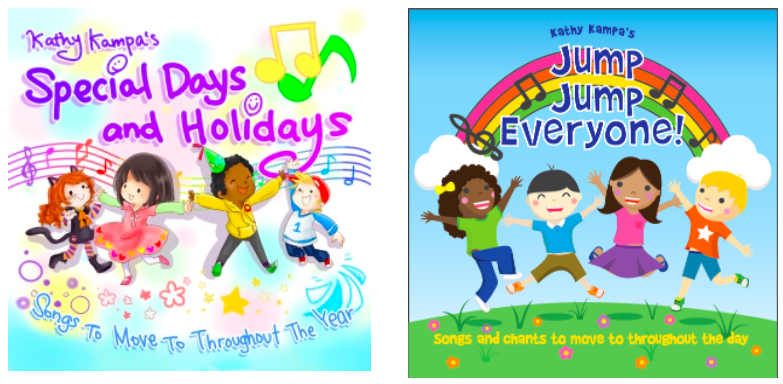
For the studio version of this song, go to iTunes and click on Track #6 of Kathy Kampa’s Special Days and Holidays.

4. Follow-up Activity: In this activity created by Setsuko Toyama, students use critical thinking skills to figure out which egg has been chosen. Students need to know colors, shapes, and numbers. They also need to know words like “polka dots” and “stripes.”

Easter Eggs

Secretly choose one egg. Give one clue at a time, such as It’s pink.  Students can guess, Is it number three?  Add another clue.  It has blue polka dots.  Students guess again. Is it number one?  

After modeling this activity for the class, have students work in small groups or with partners. Make a copy for each student. Have fun celebrating Easter!

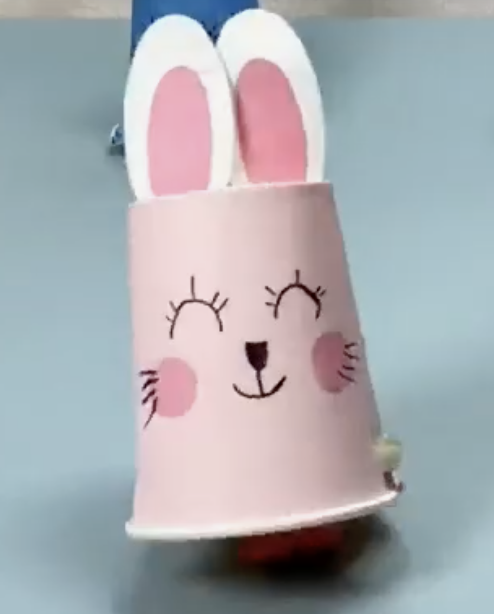
5. Art/Craft Activity This is a fun Easter Bunny activity from Nghia.Odin.DIY. 

 Look at how this cute bunny moves! The bottle tops and rubberband make this bunny run away!
This image has an empty alt attribute; its file name is screen-shot-2023-03-23-at-16.31.24.png

If you’re looking for something super simple, try out these Easter cutting activities or Easter Egg Name Basket from Sam.
This image has an empty alt attribute; its file name is img_7171.jpeg
About me:

Kathy Kampa is a passionate educator of young learners. She seeks to nurture children’s imaginations and spark creativity through fun and engaging activities. Kathy believes that music and movement should be a part of every young child’s learning.

Kathy is the co-author of Magic Time, Everybody Up, Oxford Discover, Beehive, and Buzz (all published by Oxford University Press). She has taught young learners in Tokyo, Japan for over 30 years. Kathy is also active as a teacher trainer, inspiring teachers around the world. She has currently returned to her home state of Minnesota in the US.

If you’re interested in more of Kathy’s work, check out her YouTube channel at Kathy Kampa.

Are you streaming music? Go to Spotify or Apple Music to find Kathy’s music.

This image has an empty alt attribute; its file name is screen-shot-2022-05-11-at-22.56.25.png

You can find more engaging songs on Jump Jump Everyone

Jump Jump Everyone, my second album, is filled with many happy songs that have grown in my young learner classroom. The songs encourage children to move. Many songs link to classroom content. Children can dance like falling leaves, bloom like a spring flower, move through the butterfly life cycle . . . . you’ll find LOTS of fun and magic in this album.

If you’re looking for more action songs, check out these curated playlists.
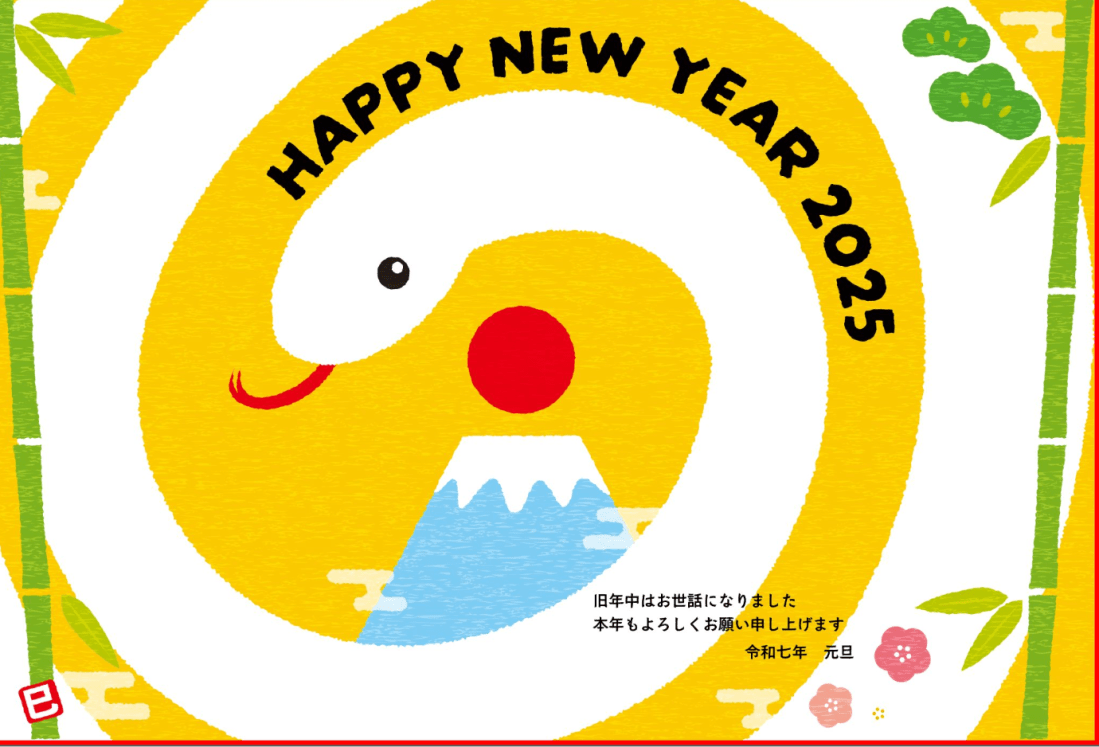
It’s the Year of the Snake

It’s the beginning of a new year! And it’s time for us to celebrate.

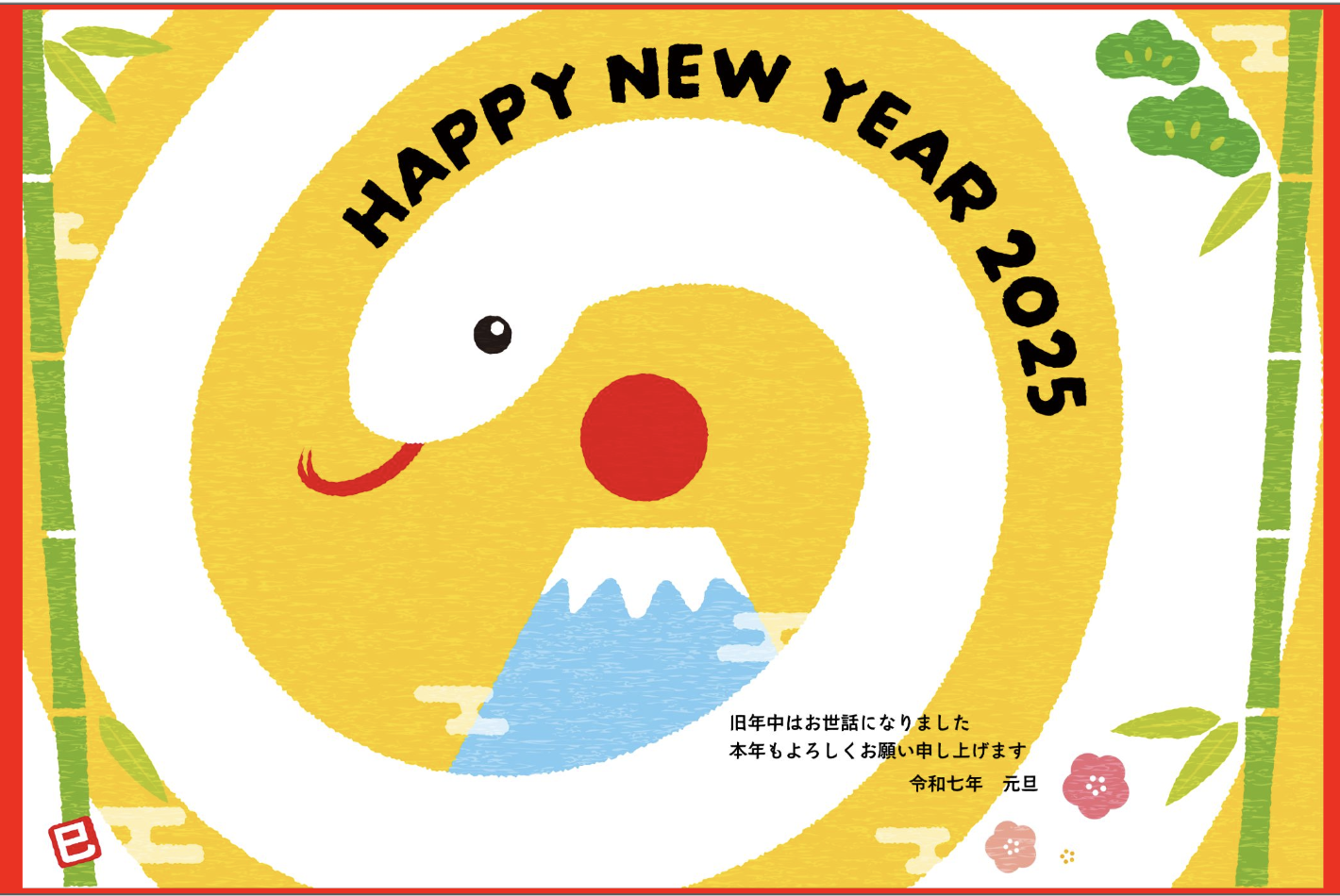
Each year one of the twelve animals in the Chinese Zodiac calendar is celebrated, and this year’s animal is the Snake! We have a special place in our home where we display a small ornament for the new year. People celebrating the Lunar or Chinese New Year will welcome the new year of the Snake on January 29th.

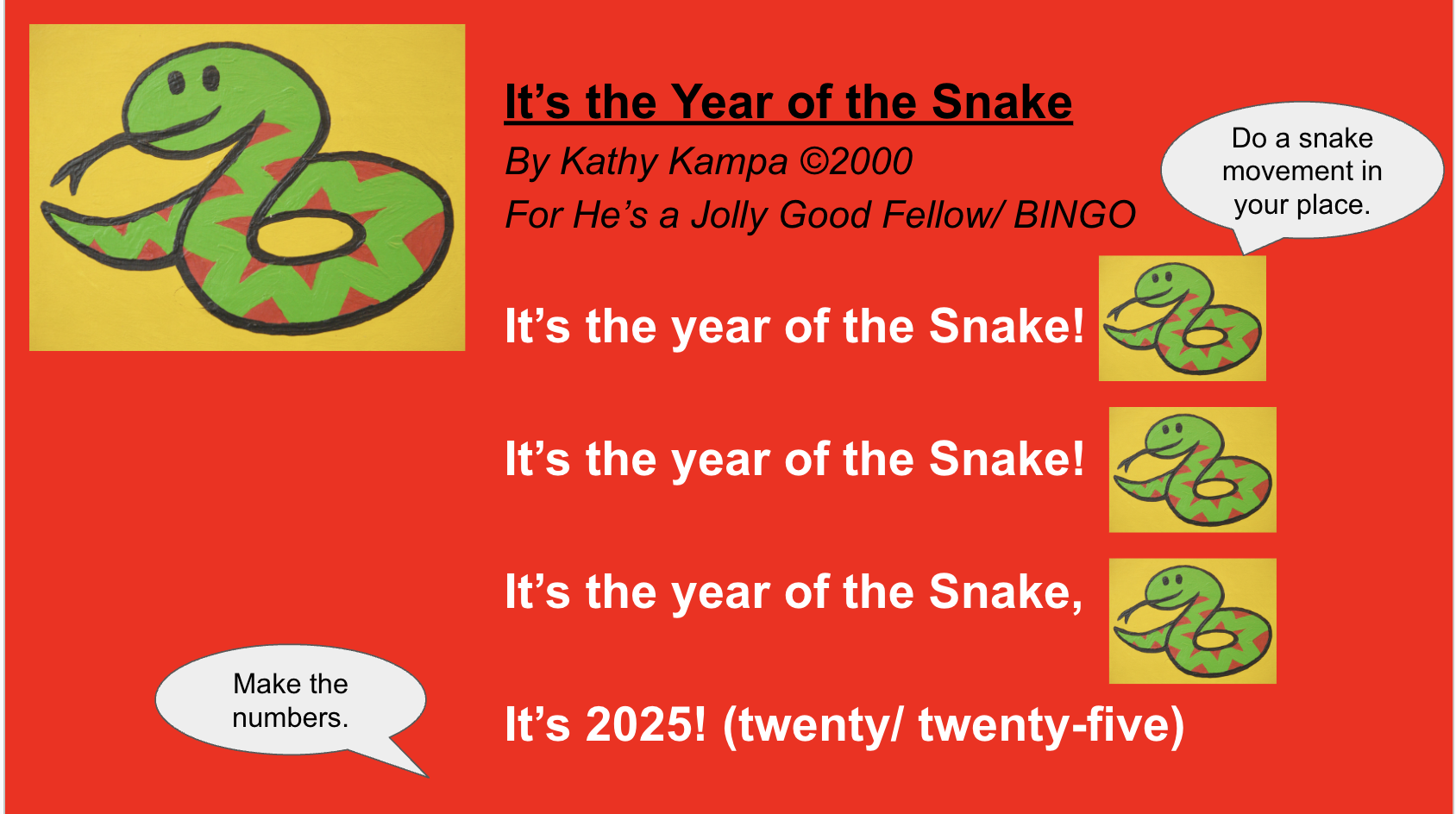
This is a simple song to celebrate the new year. It borrows two familiar melodies to create one new song. The Google slides for this song are here.

I like to have students move with music whenever possible. What kind of movement can you do? Here are some suggestions.

In Part A, on the words “It’s the year” students can stand tall with their hands at their sides.

On the word “SNAKE,” make a snake pose or movement. My students made a slithering movement with their arms. Students might enjoy using scarves to create a snake movement on the word “snake.”

For the year 2025 (twenty/ twenty-five), students can write the numbers in the air or hold up their fingers to show the numbers. We made the shapes two-zero-two-five. Or even just wave their hands.

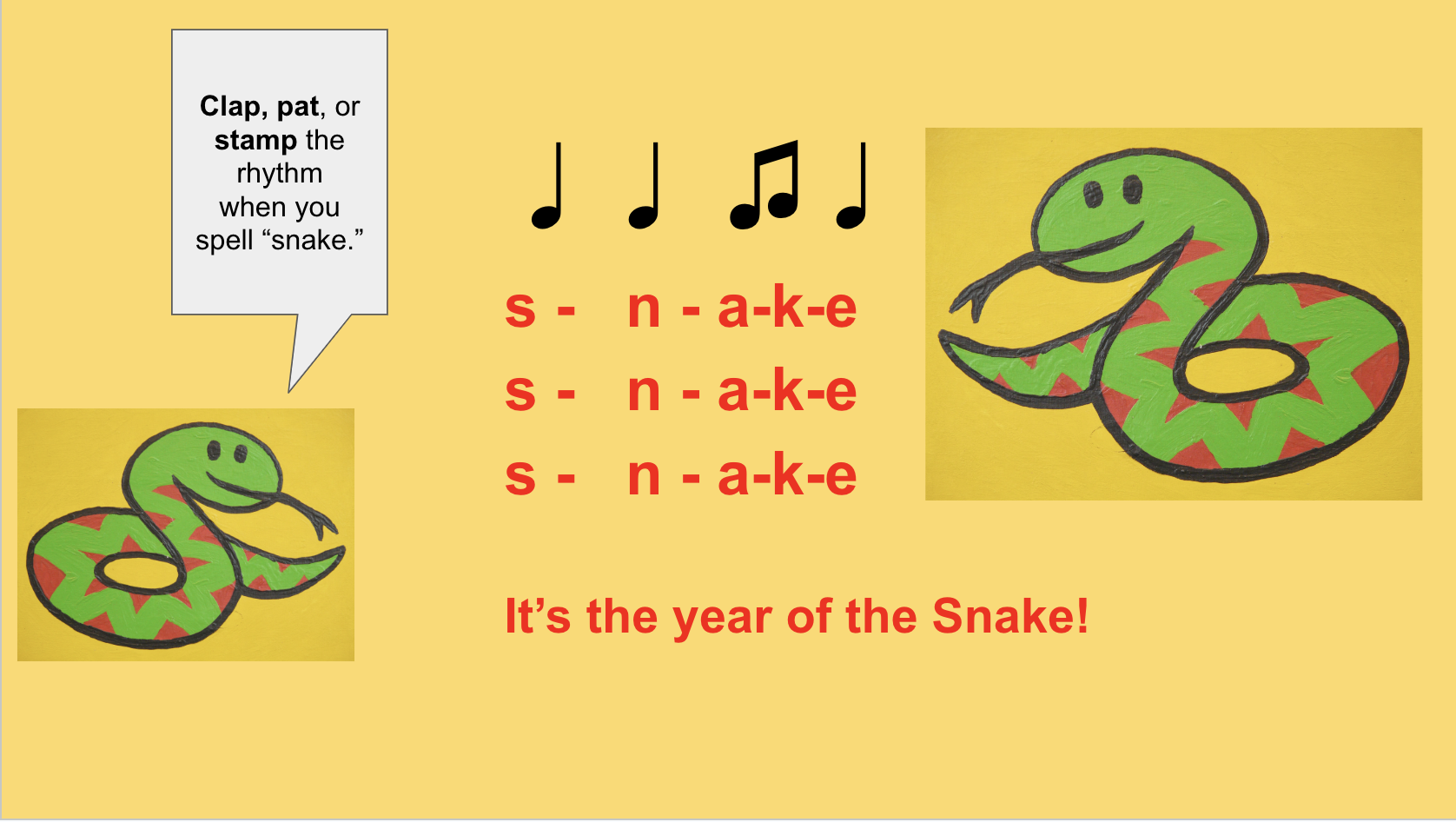
In Part B, students can add body percussion sounds. What’s body percussion? These are sounds students can make using body parts, such as clapping their hands, patting their legs, stamping their feet, or snapping their fingers.

They can play the rhythm of the letters when spelling the word “snake.” Practice spelling the word with many different sounds. Since this repeats three times, you can repeat it with a different body percussion sound each time. Some of my students even tried body spelling by making each of these letters with their fingers or whole body. Challenging!

If you have unpitched instruments, like rhythm sticks, drums, tambourines, or shakers, play the rhythm with the instruments. You might even add a long musical sound on the word, SNAKE.

Since this song comes around once every twelve years, it hasn’t been professionally recorded. Enjoy it with your students to celebrate the new year!

Here’s the video for this song. I’ve still got my cast on, but you’ll get the idea.

Here’s a note from teacher, Chieko Kume.

“I introduced this song to the 3rd and the 4th grade class at an elementary school last week (in Japan) and they loved it. We made a big Y with our body at the “It’s the year…” part, and then wrote a big S in the air with both hands.

I love your songs and ideas of teaching young learners along with music and movement. Thank you again, and please take care. 🧡

Here’s a link to some activities.

About Me:

Kathy has produced two music CDs for very young learners, Kathy Kampa’s Special Days and Holidays and Jump Jump Everyone, which build English language skills through movement while nurturing creativity and imagination! Grown and loved by real kids! 

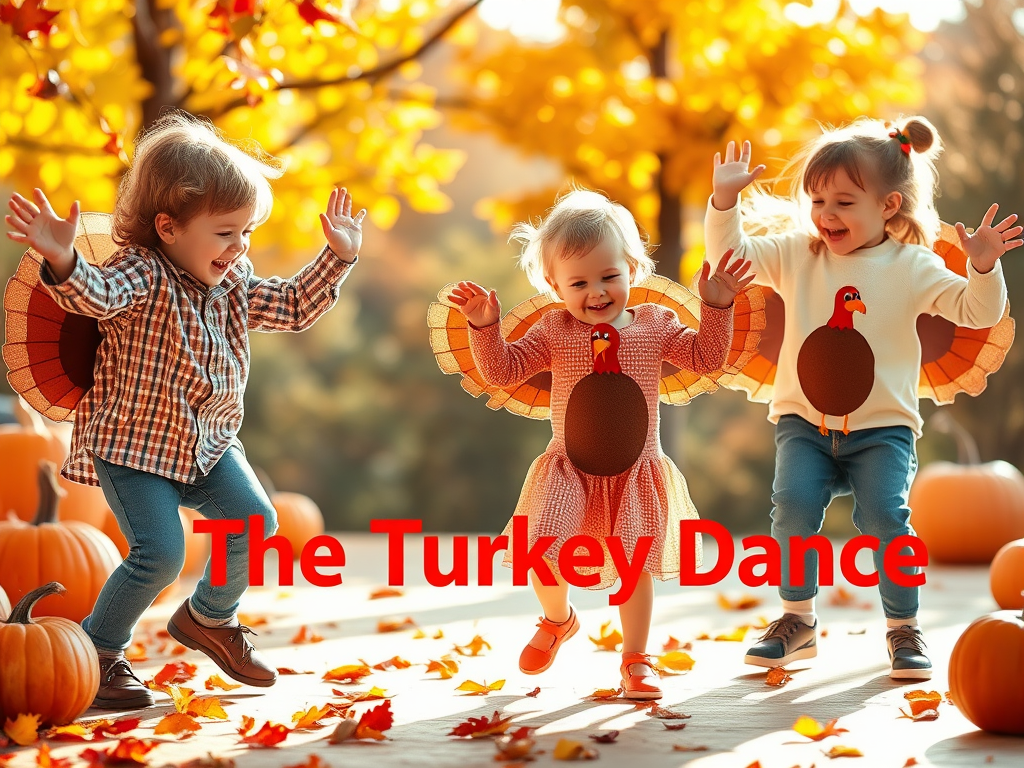
The Turkey Dance is fun, engaging song for young learners.

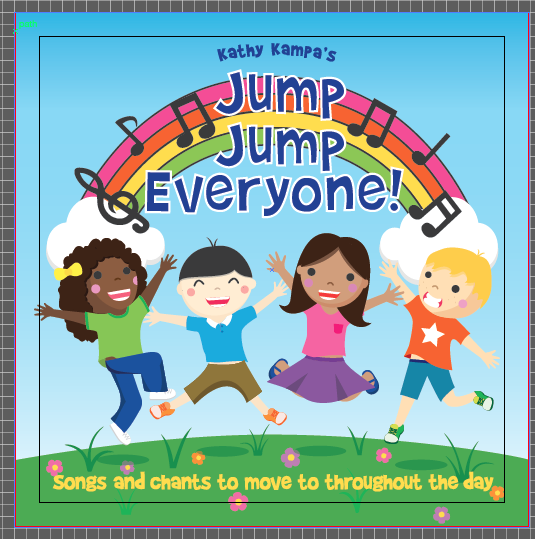
Kathy’s second children’s CD, Jump Jump Everyone, includes songs to move to, seasonal songs, and lots of transitional songs. For more kid-tested music and movement activities, check out my music on iTunes.

Jump Jump Everyone

Kathy’s CD’s and downloads are available at these locations:

iTunes Streaming sites, such as Spotify.

If you’d like a chant or song about a specific topic, let Kathy know. She has received a grant through the McKnight Foundation to compose some new music for children.

Kathy Kampa is a teacher, author, and teacher-trainer who specializes in working with young learners. As a former PYP (Primary Years Program) teacher in Tokyo, Japan, she uses a globally-minded and Concept-Based Inquiry approach to teaching through which students develop 21st-century skills. She also supports the development of English language skills by creating songs, chants, and TPR/movement activities targeted to young learners’ needs.

Kathy and her husband Charles Vilina are also co-authors of Magic TimeEverybody Up, the Oxford Discover(ELTon award), Beehive, Buzz, and soon to be released, Blue Dot, all published by Oxford University Press.

This photo was taken during our recent Asian teaching tour, Fall 2024.

Celebrate with the song “Happy New Year!”

Featured

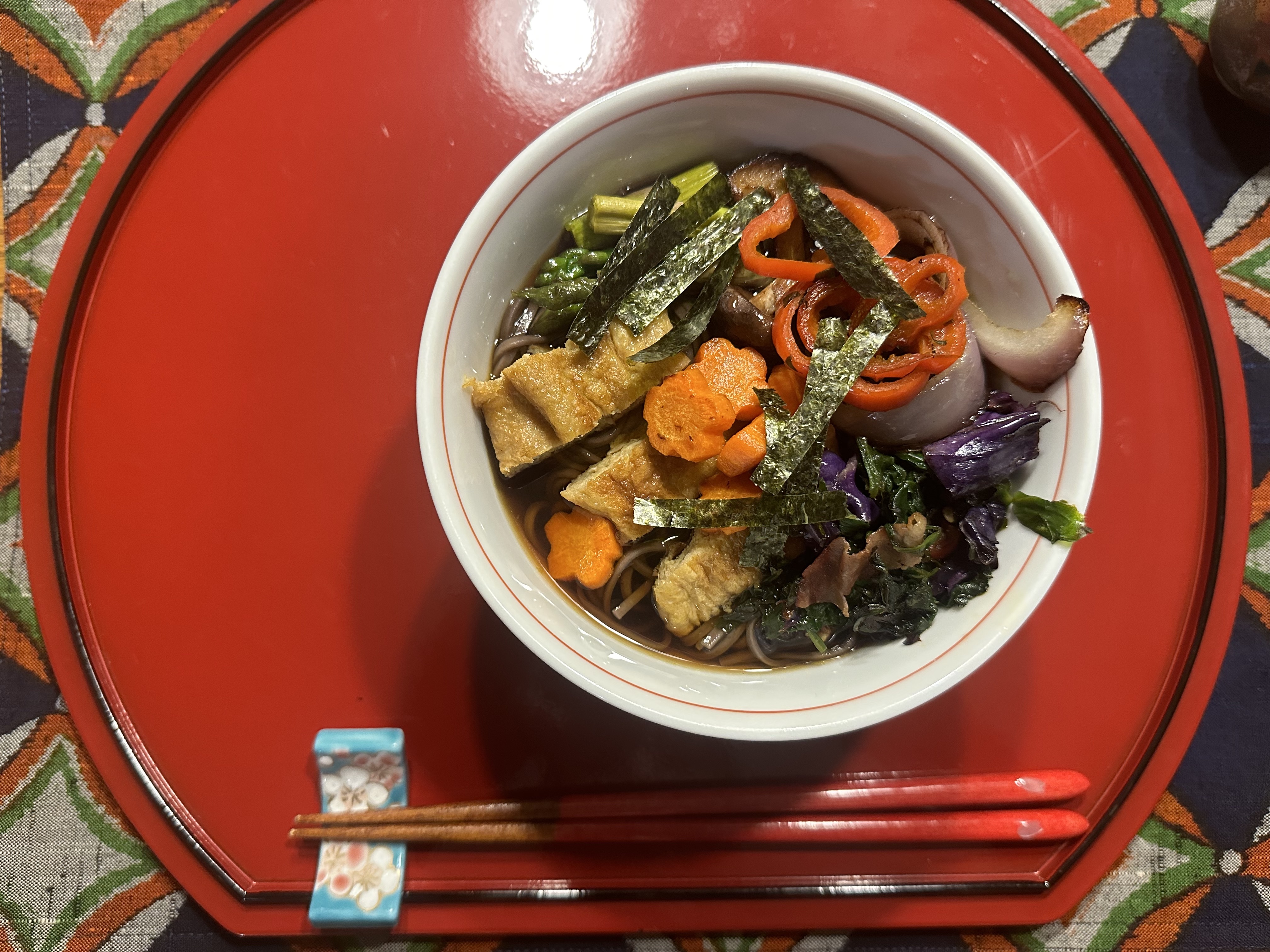
Happy New Year 2025! New Year’s Eve traditions in the US are different from those we celebrated when we lived in Japan. On New Year’s Eve, one of our dear Japanese friends used to bring us homemade soba from a famous restaurant. So delicious! Last year Chuck and I created our own version of toshikoshi soba for New Year’s Eve.  Not quite the same, but still a taste of “home.” This year we enjoyed Chinese lo mein.

In this blog, I’d like to share my “Happy New Year” song. It’s quite special to me. When our son Christian was in elementary school, he started playing this simple melody on our piano.  This song will stick in your head! Now he’s grown up and is performing in Hollywood! I love this recording of Christian and my husband Chuck singing it at home.

Get your students moving with this super simple song to celebrate the New Year.

(picture taken at a Red Carpet event for his Indie film “Gift of Fear”)

Now you can also go to Spotify to get the professional recording.

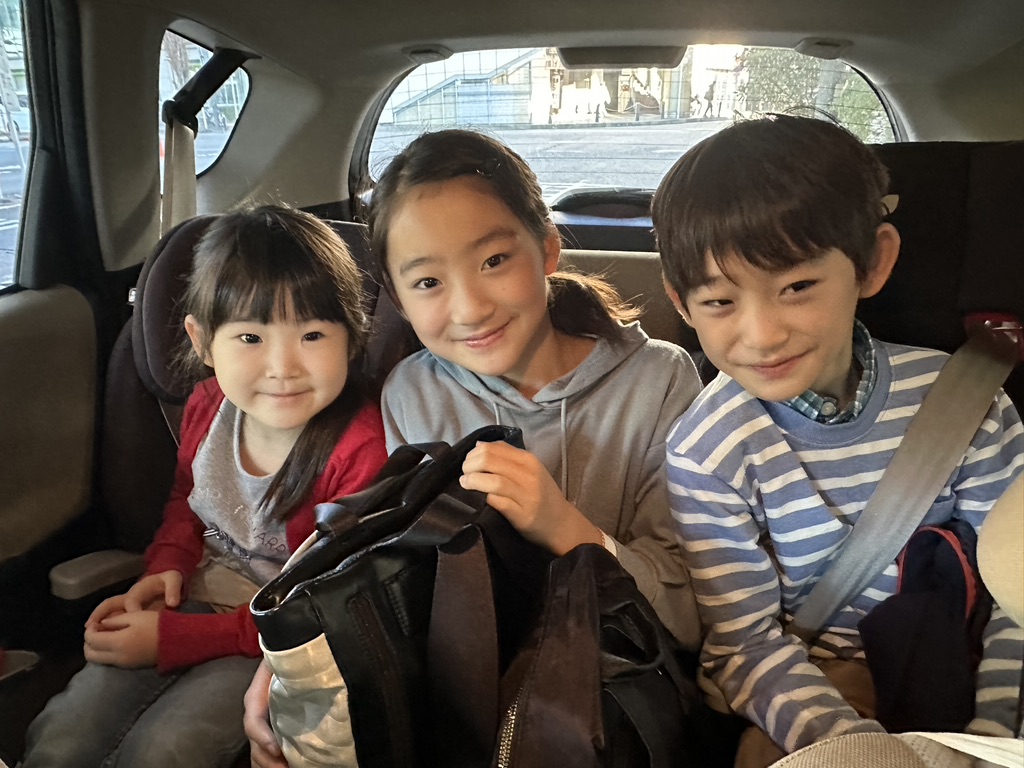
No matter how you get my music, it’s great to play it often for children. My friend Kumi plays my CDs in her car. When she brings her three children to different activities, they sing along to songs in English. During my recent trip to Japan, the kids were singing along to my songs when she picked me up in her car. What a precious moment!!

Here are the lyrics to the song. For the Google Slides, click here.

Happy New Year

Words and Music by Christian Vilina and Kathleen Kampa  © 2013

Happy New Year!  Happy New Year!

Happy New Year!  Happy New Year!

Happy New Year!  Happy New Year!

Happy New Year!  Hip hip hooray!

When I first teach the words to this song, students keep a “steady beat” by patting their legs or clapping their hands. I don’t worry about teaching the words first. I lead them through some movements while students listen to the words. Then, I add more challenging movements. Students can pat their legs once, then clap their hands. Think “pat-clap-pat-clap” or “down-up-down-up.” Do this for the first three lines. Before you know it, the students are singing along.

You can ask your students for other steady beat ideas to do during the repeated section. 

Try this:

Think, think, think! Think, think, think! What should we do?

If students need help with ideas, offer two choices: Should we do jumping jack jumps or scissor jumps? Should we snap our fingers or pound our fists?

—  On Happy New Year!  my students like to shake their hands above their heads. Some students like to turn around quickly!

—  On Hip hip hooray! students roll their hands, then jump once in place.

For an even bigger challenge, students can do the pat-clap pattern with a partner by patting their own legs, and then “air clapping” both hands with a partner.

Check out this video to see what my students did! Students stand in a circle facing their partner. First they pat their own legs, then clap with their partner. Then they turn to the person on the other side (called a “corner” in folk dance), repeating the pat-clap. They repeat the pattern with their partner, then corner until the Hip hip hooray

During COVID, every student used a set of sticks, something like the Indian Dandiya dance. This gave students a chance to interact with a partner, but at a distance. Tap my sticks, your sticks, my sticks, your sticks.

Happy New Year 2025!  We hope that you keep a song in your heart and a smile on your face. May this year be filled with lots of joy!

Kathy

Special Days and Holidays

Happy New Year is one of 15 great songs for kids on Kathy Kampa’s Special Days and Holidays. The CD includes a handy attached booklet with lyrics, and is available for teachers in Japan at ETJ Book Service.

The songs are available for download through iTunes. To hear the studio version of this song, go to iTunes, and click on Track #3.

Cover screen shot

Kathy’s second CD Jump Jump Everyone is filled with songs to get students moving! Songs and chants build English language skills through simple movement activities. They nurture a child’s imagination and creativity.  There are beautiful seasonal songs, lively gross motor movement songs, plus effective transitional songs. Grab a scarf and play along. Grown in the young learner classroom, you’ll find that your children will ask for these songs over and over again.

All of Kathy’s music is now available on many streaming platforms, such as Spotify.

For some of Kathy’s favorite music, check out these Spotify playlists.

It’s Time for “The Turkey Dance”

FeaturedDance like turkeys to celebrate Thanks!
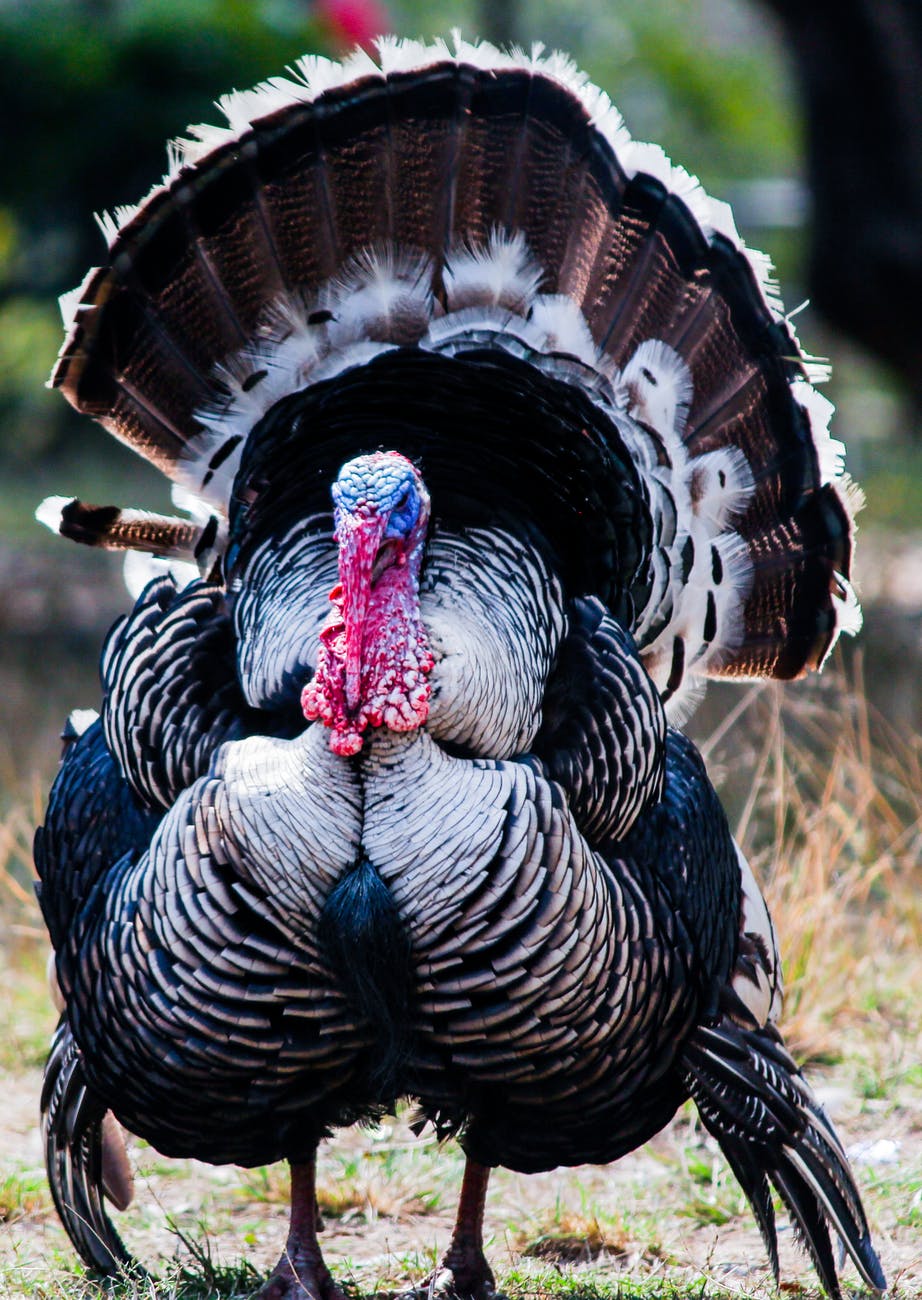
Photo by ASHISH SHARMA on Pexels.com

If you teach young learners, you’ve got to check out this simple song and dance. It’s called The Turkey Dance, and as you can imagine, it gives children a chance to dance like . . . . turkeys!!

While many countries give thanks at this time of year, an American tradition is turkeys. When I was a child, we made turkey drawings by tracing along the edge of our hand. These hand drawings became turkeys! So celebrate turkeys and try out the The Turkey Dance.  It’s really easy to do.

Here are the lyrics, which go to the tune of “Turkey in the Straw.”

The Turkey Dance

Words by Kathleen Kampa and Charles Vilina, music adapted from Turkey in the Straw

copyright © 2013 by Kathleen Kampa

Spoken: It’s Thanksgiving Day.  Let’s move like turkeys.

First, move your elbows! (Imagine that these are your wings.)

Move your elbows, do the Turkey Dance.

Move your elbows, do the Turkey Dance.

Stamp your feet and shout “Hooray!”

It’s Thanksgiving Day.

2. Now move your hips. . . (Imagine that this is your tail.)

Move your hips, do the Turkey Dance.

Move your hips, do the Turkey Dance.

Stamp your feet and shout “Hooray!”

It’s Thanksgiving Day.

3. Now move your knees. . . .

4. Now move your head . . . .

5. Now move your whole body!

Here’s a video to show you the movements.

Teacher’s Notes:

In this dance, students are pretending to be turkeys.

Before you put on the music, show students a picture of a turkey like the one in this blog.

I usually start by teaching this part of the song first–

“Stamp your feet, then shout ‘Hooray!'” Stamp your feet, then jump in the air on “Hooray.”

On “It’s Thanksgiving Day!” put your hands together.

My students added their own ideas between the verses. Some children enjoyed saying “Gobble! Gobble!” while others liked to say “Thank You” in a language they know.

Now teach the body part movements. Say “Move your elbows.”  These are the turkey’s wings.

Repeat with each body part listed below: hips/tail, knees, head, and whole body.

1.  Make turkey wings by moving your elbows.

2.  Make a tail by putting your hands behind your back and moving your hips.

3.  Move your knees like you’re strutting.

4.  Move your head forward and back.

5.  Choose your favorite movements or make some new ones.  Dance!

Here is a very, very short clip of young learners from my English class dancing to The Turkey Dance.  It’s easy to do. They love this song!

For this catchy “hoedown” professional version that children LOVE to dance to, listen to The Turkey Dance on iTunes and on streaming services, such as Spotify!

If you’re looking for craft activities for Thanksgiving, check out my Pinterest page. In addition, check out Marnie’s blog, Carrots are Orange for some autumn Montessori activities focusing on turkeys. Here’s a cute craft idea from Sam. I especially like the Zentangle turkeys from Laura Hutchinson.

Happy Thanksgiving everyone! No matter where we live, we all give thanks this season for the blessings we have.

Kathy and Chuck

Kathy has produced two music CDs for very young learners, Kathy Kampa’s Special Days and Holidays and Jump Jump Everyone, which build English language skills through movement while nurturing creativity and imagination! Grown and loved by real kids! 

The Turkey Dance is fun, engaging song for young learners.

Kathy’s second children’s CD, Jump Jump Everyone, includes songs to move to, seasonal songs, and lots of transitional songs. For more kid-tested music and movement activities, check out my music on iTunes.

Jump Jump Everyone

Kathy’s CD’s and downloads are available at these locations:

iTunes Streaming sites, such as Spotify.

Kathy Kampa is a teacher, author, and teacher-trainer who specializes in working with young learners. As a former PYP (Primary Years Program) teacher in Tokyo, Japan, she uses a globally-minded and inquiry-based approach to teaching through which students develop 21st-century skills. She also supports the development of English language skills by creating songs, chants, and TPR/movement activities targeted to young learners’ needs.

Kathy and her husband Charles Vilina are also co-authors of Magic TimeEverybody Up, the Oxford Discover(ELTon award), Beehive and Buzz, all published by Oxford University Press.

Let’s Do the Skeleton Dance

Featured

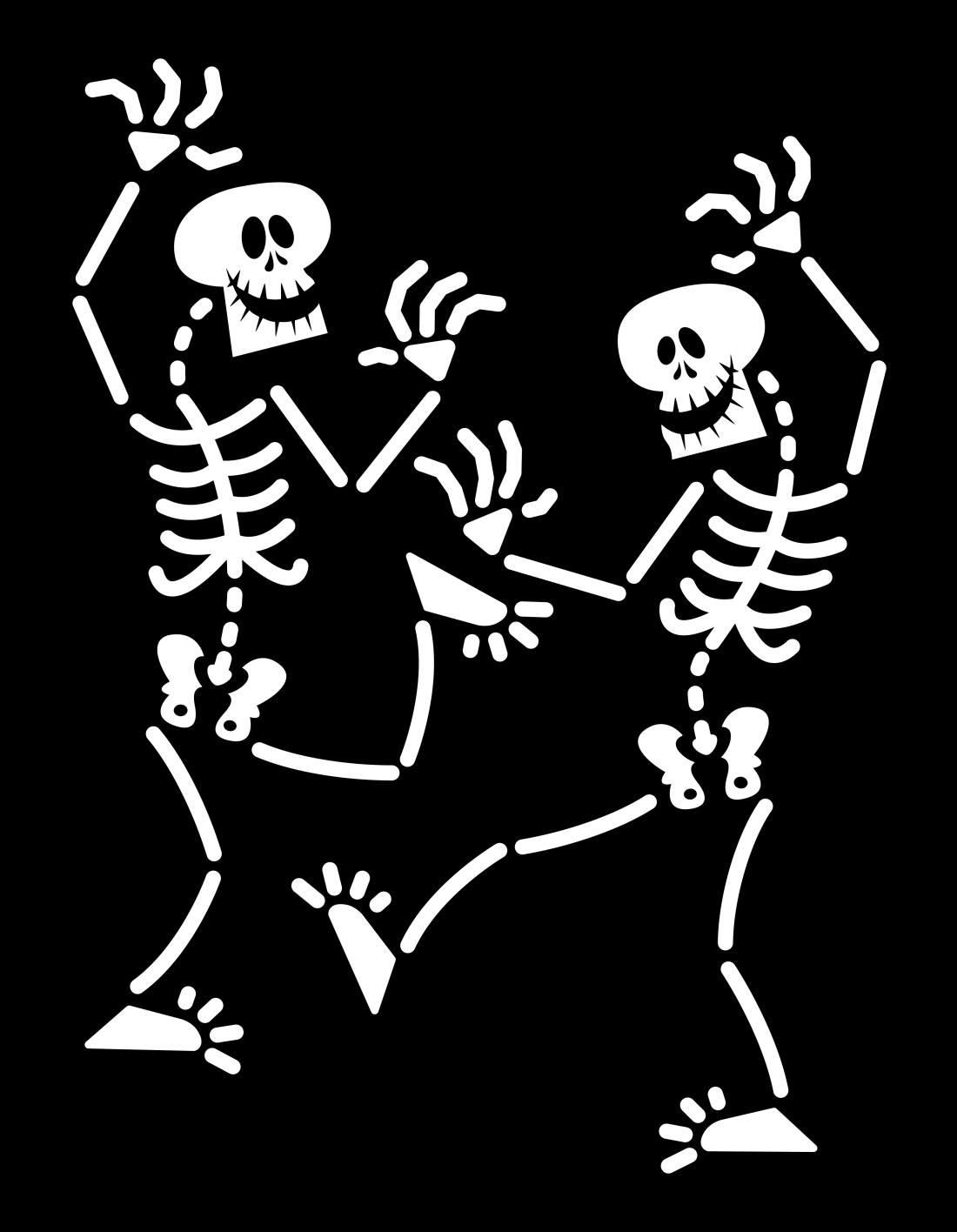
Skeleton Dance is definitely one of my students’ favorite songs! Why should you love it, too?

Skeleton Dance is one of the first children’s songs that I wrote. And it’s certainly been requested over and over by children and teachers around the globe. I’ve taught Skeleton Dance to students in pre-kindergarten through junior high school. It was a favorite song with my online students from Ukraine. I’ve shared this song with teachers in the US, Japan, Korea, Taiwan, Thailand, Vietnam, The Philippines, Mainland China, Indonesia, Mexico, Finland, and Turkey.

Kathy Kampa’s Skeleton Dance has been performed by many students around the world. You can watch some of my students in Japan doing the Skeleton Dance, and read the lyrics below:

Here’s how you do the Skeleton Dance:

In this song, students will move four different body parts: shoulders, elbows, knees, and feet.
First, students move their shoulders to the beat. Explore different ways of moving each of these body parts.

 Move your shoulders . . .
A. Skeleton, skeleton, skeleton dance,
Move your shoulders, do the skeleton dance.
Skeleton, skeleton, skeleton dance,
Move your shoulders, do the skeleton dance.

Next, students move their whole bodies to the front, to the back, and to the side. I usually start by moving only my arms, but my students love to jump in each direction.

B. To the front, to the back, to the side, side, side,
To the front, to the back, to the side, side, side,

Next, students move their shoulders up, down, and around. Each time they repeat the song, they will move a different body part in these directions. When I teach this, I point with my finger to show the directions.

C. Put your shoulders up. Put your shoulders down.
Move them up and down and all around.
Put your shoulders up. Put your shoulders down.
Move them up and down and all around.

Finally, students move their shoulders in their own way.

D. Shoulders dance . .ch ch ch ch ch ch ch ch
Shoulders dance . .ch ch ch ch ch ch ch ch

This dance is repeated with the following body parts.
Before I play the music, my students and I figure out how we’ll move up, down, and around using each of these body parts.

2. Move your elbows . . .
3. Move your knees . . .
4. Move your feet . . .

You can download this song from iTunes (Track #15).

Why use this song in your class?

It teaches body parts.

It teaches directional movements.

It’s a great way to start your school day!

It’s an easy, energizing Brain Break.

It’s a perfect rainy day, get-your-wiggles-out song.!

It’s an effective activity for a health unit.

The song will stick in students’ heads.

It’s just what you need for your Halloween celebrations!

And you can invite parents to have fun dancing with their children!

The kids will ask for it again and again.

It’s so much fun!

Bonus activities

What else can you do with this song?

Reading and Writing:

If you’d like to practice reading the lyrics, check out these fabulous reading and writing activities by Yoko Oho. It’s a fun way to read the words! Click through to see all of the pages to see what Yoko created.

Coloring

Here’s a fun coloring activity from Daria. You can see skeletons for Dia Los Muertos (Day Of The Dead). Have fun coloring “calaveras.” Get these activities on Daria’s TPT page

Pinterest ideas: Here are some fun songs, worksheets, blogs, craft activities, games, costumes, and simple cooking ideas for Halloween.

So, grab your costumes and get ready for one of my favorite holidays.

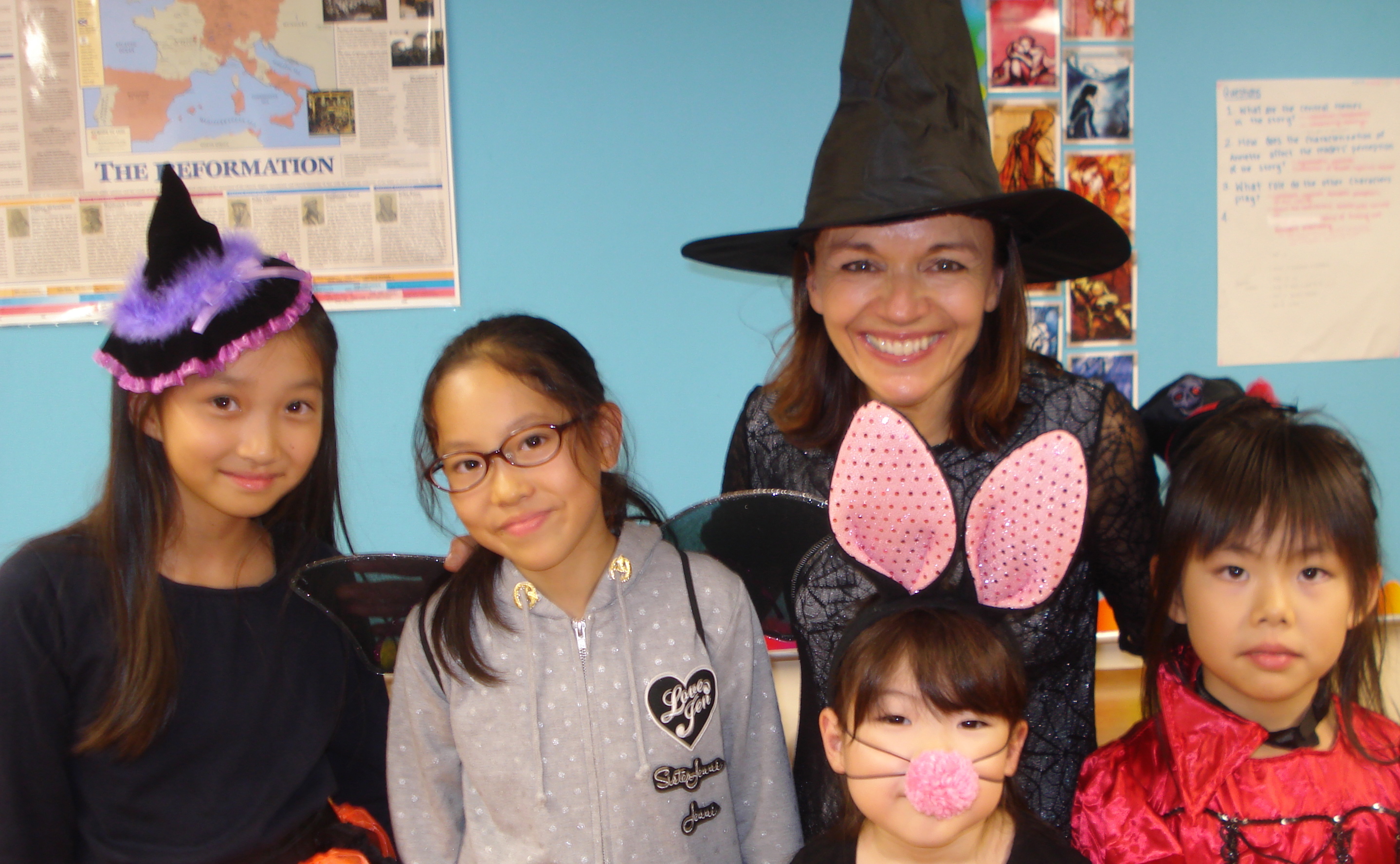
Kathy and her English students
Kathy’s songs were written especially for young learners. Each song focuses on popular classroom topics and invites children to use their imaginations. Songs also support the development of English language skills through repetition and simple melodies. Students love moving to Kathy’s songs!

Kathy Kampa is a passionate educator of young learners. She seeks to nurture children’s imaginations and spark creativity through fun and engaging activities. Kathy believes that music and movement should be a part of every young child’s learning.

Kathy is the co-author of Magic Time, Everybody Up, Oxford Discover (ELTon winner), Beehive/Buzz and Blue Dot(published by Oxford University Press). She has taught young learners in Tokyo, Japan for over 30 years. Kathy has composed educational music for Tokyo Shoseki and recorded songs for Learning World. She is active as a teacher trainer, inspiring teachers around the world. Kathy and her husband are working in Minnesota.

If you’re interested in more of Kathy’s work, check out her YouTube channel at Kathy Kampa.

Hokey Pokey Like The Easter Bunny!

Featured

 Let’s get hopping!  Put on your bunny ears and do the Easter Bunny Hop.

 Say to your students, Let’s pretend to be Easter Bunnies.  Look at this picture.


Let’s pretend to be the Easter Bunny. We need . . . 

Students may say, such as two long ears, two big feet, a bunny tail, bunny paws, and a bunny nose. This song teaches ears, feet, tail, tummy, and whole self as well as the directional movements in, out, and around. Students have a lot of fun jumping and shaking. There’s a slow version, followed by a fast one. It’s easy to just turn on the music and dance!

Students can stand in their spots or you can make a circle together. Sing Let’s Make A Circle. (Click here for this song.)

Here are the movements. 

Say, Show me your Easter Bunny ears.

Put your bunny ears in. Put your bunny ears out.

Let’s shake our Easter Bunny ears. 

Jump like a bunny.  Then, turn around and say, Happy Easter!

Click here to watch the video of my former students dancing to this song. Grab the recording to listen to the entire song. It’s a great way to teach body parts and directional movements. Use this as a brain break, an energizer, or an Easter celebration son.

Easter Bunny Hop

Words by Kathy Kampa, Music Hokey Pokey

on Kathy Kampa’s Special Days and Holidays, available through iTunes

Slowly: You put your bunny ears in.

You put your bunny ears out.

You put your bunny ears in. And you shake them all about.

Shake, shake, shake, shake, shake, shake, shake!

Jump like a bunny. Jump, jump, jump!

Turn around and shout! Happy Easter!

Then sing quickly . . .

You put your bunny ears in.

You put your bunny ears out.

You put your bunny ears in. And you shake them all about.

Shake, shake, shake! (* three shakes!)

Jump like a bunny. Jump, jump, jump!

Turn around and shout! Happy Easter!

Repeat each verse slowly, then quickly with these body parts.

2. You put your bunny feet in.

3. You put your bunny tail in.

4. You put your bunny tummy in.

5. You put your whole self in.


Click here to get this song on iTunes on Kathy Kampa’s Special Days and Holidays, track #7. You can find it on Spotify and Apple Music, too.

Special Days and Holidays

Kathy Kampa loves to bring joy to the world through her children’s music. She is passionate about making learning engaging for young learners. You’ll find more resources on Kathy’s YouTube page.

Looking for more Easter songs? Check out this super simple song for little ones. It’s called “Hop Along Easter Bunny.”

After your young learners wiggle about, check out this quieting activity. This simple reproducible is from Julissa Mora. For more hands-on Easter resources, check out my Pinterest page.

Hearts and Lots of Love for Valentine’s Day

Featured

Valentine’s Day is a special time for us to express our love or friendship. Here are two of my new songs.

How do I write songs? Sometimes when I’m driving in my car or out for a walk, I’ll hear a song in my head. I’ll keep singing it until I have a place to stop and record it on my phone. Sometimes a song wakes me up from my sleep, and I’ll write notes on a sheet of paper next to my bed. Children often ask me to sing a song about something they are interested in. I’ll ponder that topic until their special song appears.

After a song is born, I use it with lots of young learners to see what works, what variations appear, what we can do with it, what vocabulary and concepts it teaches, and what makes it fun and special. A song is often filled with surprises!

My first new song is called “I Love You.” I love writing songs for young learners to move to. “Jump” by Patty Shukla invites children to move. But children also need time to be calm and quiet. That’s what Patty’s song does. So does mine.

My song “I Love You” can be used to help children feel cozy, calm, and quiet, especially at the end of a class. Children might rock from side to side, hold a stuffed animal, or even get a hug.

For parents at home, this is a lovely lullaby to sing before your child falls asleep.

When our two sons were little boys, we loved to snuggle up and sing lullabies to them.

And if you’re wondering about this photo, our children spent most of their young lives in Japan. We were invited to participate in our local autumn festival by carrying the o-mikoshi, making rice balls, and spending time with our neighbors in Nakamachi.

Here are the lyrics to my song:

I Love You! a calming song by Kathy Kampa (Copyright © 2024 Kathleen A. Kampa)

I love you, I really, really do! I love you.

I love you, I really, really do! I love you.

I love you in the morning,

I love you at night,

I love you through the day when the sun shines bright.

I love you, I really, really do. I really love you.

Here’s the video.

Variations:

SEL (Social Emotional Learning) is now part of many curriculums at school. Use this variation to affirm young learners.

I like me, I really, really do. I like me.

I like me, I really, really do. I like me.

I like me in the morning,

I like me at night,

I like me through the day when the sun shines bright.

I like me, I really, really do. I really like me.

Or JUST CHANGE “ME” to “YOU.” Children can sing this to each other.

I’ve been studying French with Duolingo. I started to wonder if I could write this song in French. With a little help from my French-speaking friends, we’ve come up with this version of the first verse.

 Je t’aime. Encore, toujours, Je t’aime. (Or Je t’aime d’amour– pronounced: J’t’em d’a-mour)

 Je t’aime. Encore, toujours, Je t’aime. (Or Je t’aime d’amour)

Je t’aime le matin.  Je t’aime la nuit,

Et toute la journée quand le soleil sourit, 

Je t’aime. Encore, toujours. Je t’aime. (Or Je t’aime d’amour)

___________________________________________________

Here’s a more active song for young learners called “A Little Heart, A Big Heart.” They can sing and dance to it alone, with a partner, or with their whole class.

When I first teach this, I cut out a small heart and show it to my students. I sing, I made a little heart.

Then I do the same making a big heart, singing, I made a big heart.

Then I put them together, singing, See, it’s a Valentine.

Then I hand this Valentine to someone, singing, Please say you’ll be mine.

Now let’s add some simple movements!

Here’s the video. The lyrics and Google slides will follow.

Video of A Little Heart, A Big Heart by Kathy Kampa

A Little Heart, A Big Heart lyrics by Kathy Kampa (Copyright © 2024 Kathleen A. Kampa) melody inspired from the traditional Bahamian song, Big Bunch of Roses

I made a little heart, (make a little heart shape, or just a small shape)

I made a big heart, (make a big heart shape, or just a big shape)

See, it’s a Valentine. (little by little open your arms to make a big V shape on “Valentine”)

Please say you’ll be mine. (hug)

Think, think, think. Think, think, think. What should we do?

In Place movements: clap, swing, twist, jump, march, hop, turn around, wiggle . . .

Children can dance alone or with a partner. They can also move together as a class.

Sing the melody above using the syllable “la”

La la la la la la!

La la la la la!

La la la la la la !

La la la la la!

Here are the Google slides to help you teach this.

Here’s a BIG heart, little heart craft activity.

Songwriter Kathy Kampa is a passionate educator of young learners. She seeks to nurture children’s imaginations and spark creativity through fun and engaging activities. Kathy believes that music and movement should be a part of every young child’s education. Kathy’s songs for kids (Kathy Kampa’s Special Days and Holidays and Jump Jump Everyone) are available on iTunes.

Kathy uses a globally-minded and inquiry-based approach to teaching through which students develop 21st-century skills. She also supports the development of English language skills by creating songs, chants, and TPR/movement activities targeted to young learners’ needs. Kathy is an author and teacher-trainer with Oxford University Press.

For more kid-tested music and movement activities, check out more music on iTunes, Spotify, and Apple Music. Kathy has produced two music CDs for very young learners, Kathy Kampa’s Special Days and Holidays and Jump Jump Everyone, which build English language skills through music and movement while nurturing creativity and imagination. Grown and loved by real kids!

Check out Kathy Kampa’s YouTube channel here.

I’m Your Friend, a Valentine’s Day Song For Kids

Featured

Valentine’s Day is a time for children to celebrate friendships! Classroom activities like this can teach young learners how to develop healthy relationships.

To celebrate Valentine’s Day here in the United States, children often make cards or little treats for their friends. I’ve invited my friend Ava to share her thoughts about how she celebrates Valentine’s Day with her friends and classmates.

Ava shares Valentine’s Day traditions in the US

I like to celebrate holidays with music and movement! Today’s song is called “I’m Your Friend,” from my album Jump Jump Everyone. With this song, you can add valuable skills such as phonemic awareness to your lesson while celebrating Valentine’s Day and friendship.

Rhyming words

Listen for the rhyming words at the end of each line. In this song, the words mine, nine, and Valentine all rhyme. Why is rhyming important? Check out this fabulous post by Marissa Labuz. Rhyming aids memory, supports phonemic awareness, and builds listening skills. Children have fun singing songs and chants with rhyming words.

Movement

This song invites children to move in various ways, such as galloping, skipping, jumping, walking, and even skating! Developing gross motor skills is important for young learners. The movements encourage students to move from one place to another. These are called “locomotor movements.” If you have a smaller space, students can move in a small circle in their own spot.

You can sing this song with small or large classes. I usually teach this song to kindergarten and early elementary students.

Here’s a video to teach you the lyrics and the movements:

Here are the lyrics to the song:

3. I’m Your Friend words and music by Kathy Kampa

From Jump Jump Everyone CD

Chorus:

I’m your friend.

(Gesture to chest, then to a person)

You are mine.

(Gesture to person, then to heart)

Will you be my Valentine?

(Swing hands with partner or in the circle)

Repeat.

Let’s walk.

(See the notes below. Children can hold hands in a whole class circle or move with a partner.)

Verse:

  1. Walk, walk, walk with me. Walking, walking, 1-2-3,

4-5-6, 7-8-9,  Will you be my Valentine?

(Clap-4-5-6,-7-8-9) Make a heart shape with your fingers or arms by yourself or with a friend. Or give your partner a hug!

*repeat with skip, jump, slide, skate, dance

Here are Google slides for this song.

Building Social Skills

Here’s the version from the video:

Stand in one big circle. Face the middle for the chorus, and then move around the circle with the whole class for the verses. For the counting part, 4-5-6, 7-8-9, clap your hands on one side and then the other. Finally, make a heart shape using your fingers or arms.

Children face the middle, then hold hands together to move around the circle.

Once your children know this song, you can add some new challenges. Step into my English class in Tokyo, Japan. Check out how my English students added their own ideas.

Children can dance with partners. How can you help them find partners? When children are in a circle, you can walk around the circle. Have two children turn to face each other. They can do all of the movements with their partners.

Or you can use this transitional chant. Pat and clap your legs to keep the beat as you say the chant. Count slowly as you get closer to the number ten.

It’s okay for partners to be scattered around your space and move in their own little group. If you have an odd person out, make a group of three.

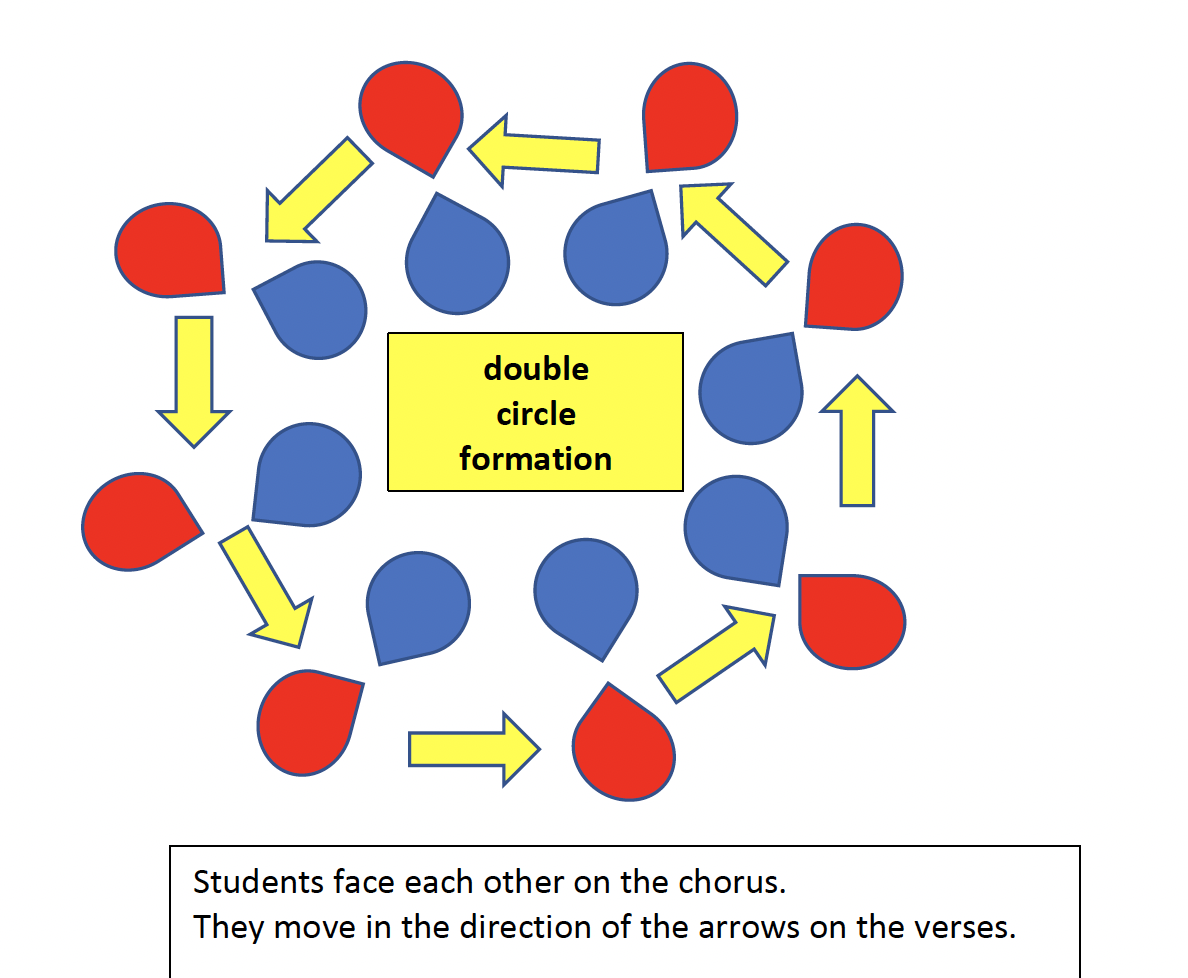
For elementary students, you might try this challenge. Make an inside and an outside circle. One partner stands in the inside circle, and the other in an outside circle. Partners face each other. Children can do the movements for the verse holding hands with their partner around the circle. At the end of the verse, the outside circle children move ahead to the next partner.

So you can make this as simple or as fancy as you’d like!

If you’re looking for music to play in your classroom, check out this Spotify playlist for February:

Come back to my blog to discover more fun activities that build language through music and movement. Thank you!

Celebrate Valentine's Day with this delightful song for children.

Songwriter Kathy Kampa is a passionate educator of young learners. She seeks to nurture children’s imaginations and spark creativity through fun and engaging activities. Kathy believes that music and movement should be a part of every young child’s education. Kathy’s songs for kids (Kathy Kampa’s Special Days and Holidays and Jump Jump Everyone) are available on iTunes.

Kathy uses a globally-minded and inquiry-based approach to teaching through which students develop 21st-century skills. She also supports the development of English language skills by creating songs, chants, and TPR/movement activities targeted to young learners’ needs.

For more kid-tested music and movement activities, check out more music on iTunes. Kathy has produced two music CDs for very young learners, Kathy Kampa’s Special Days and Holidays and Jump Jump Everyone, which build English language skills through music and movement while nurturing creativity and imagination! Grown and loved by real kids!

V-V Valentine!

Featured

Valentine’s Day is right around the corner! What activities will you do with your young learners for Valentine’s Day?

Playing with letter sounds is fun for little ones. Let’s explore ways to make the shape of the letter Vv:

-with our fingers

-with our hands

-with our arms

-with our legs

-with our whole body (balance!!)

-with a friend

Each time you make the shape, say the sound /v/. 

*Try to make only the sound /v/ and not /vƏ/ (vuh)

Can you change your V shape into a heart shape?

I created this song with the phrase “/v/ /v/ valentine.” Make the shapes with your fingers or the heels of your hands, then with your arms. Watch the video for more details. I created it with my nieces Shannon and Brooke many years ago. It’s easy to sing and so much fun!

Here are the lyrics:

Be My Valentine

lyrics by Kathy Kampa, melody “Cho Cho”/”Lightly Row” 

I like you. You like me. Will you be my Valentine?

I like you. You like me. Be my Valentine.

[v] [v] Valentine!

[v] [v] Valentine!

I like you. You like me.

Be my Valentine.

Repeat facing a partner.

This song can be found on iTunes and other streaming services, such as Spotify and Apple Music.

Spotify playlist: Songs for Kids for Valentine’s Day and Friendship

Celebrate the joy of Valentine’s Day while building social skills in your classroom. This playlist includes songs for Valentine’s Day and songs about friendship. You’ll find songs to add movement to your class activities, too. Click here to see Kathy’s Spotify channel. for more curated playlists.

Crafts Activities

On Valentine’s Day, kids love to make things for their friends. Check out these simple craft activities.

Can your students find the letter V in these craft activities?

This first craft is a Valentine chain. Cut narrow paper strips about 1″ wide and fold them in half. Look! There’s the letter V! Then curve the tops in to make a heart. This is a great activity for teaching colors and patterns. Try this when you’re sitting with a small group. Students fold the strips, slide a new strip through, then staple the top of the heart. Then, create a color pattern, such as white-red-pink-white-red-pink. Young learners can count the number of hearts in the chain.

When students have the paper strips open, they can write a secret message on the heart.

This idea comes from https://www.teachwithme.com/blogs/getting-to-the-core/item/588-valentine-ideas.

This second craft is like magic! Each student folds a sheet of construction paper in half. Trace around the student’s hand. Be sure that their thumb and pointer finger are touching the folded edge. Students can cut around their fingers. Then decorate a card for someone they love.

This idea comes from https://easypreschoolcraft.blogspot.com/2013/01/top-20-valentines-day-crafts-for-kids.html?m=1

Come back to my blog to discover more fun activities that build language through music and movement.

It’s the Year of the Dragon!

Featured
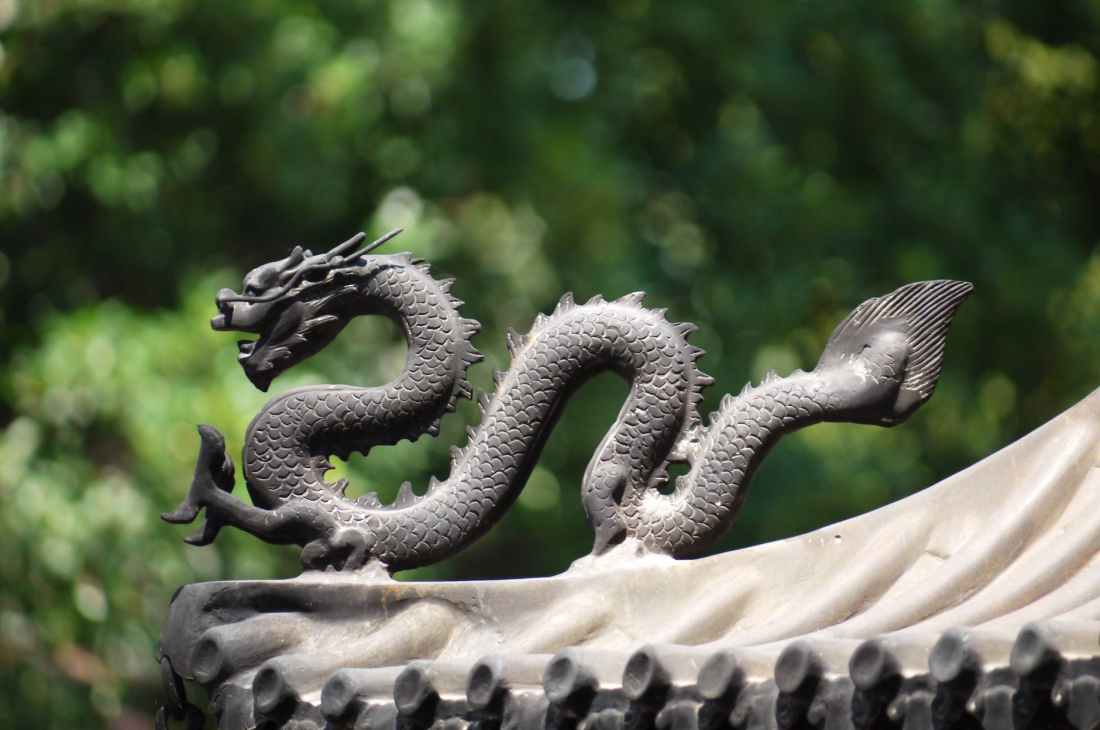
Photo by Pixabay on Pexels.com

January 1st marks the beginning of the year. Each year one of the twelve animals in the Chinese Zodiac calendar is celebrated, and this year’s animal is the Dragon! We have a special place in our home where we display a small ornament for the new year. People celebrating the Lunar or Chinese New Year will welcome the new year of the Dragon on February 10th.

This is a simple song to celebrate the new year. It borrows two familiar melodies to create one new song. The Google slides for this song are here.

It’s the Year of the DragonBy Kathy Kampa 

Part A: For He’s a Jolly Good Fellow

It’s the year of the Dragon!

It’s the year of the Dragon!

It’s the year of the Dragon,

It’s 2024. (twenty, twenty-four)

Part B: BINGO

I like to have students move with music whenever possible. What kind of movement can you do? Here are some suggestions.

In Part A, on the words “It’s the year” students can stand tall with their hands at their sides.

On the word “DRAGON,” make a dragon pose or movement. My students made a wavy movement with their arms.

For the year 2024 (twenty/ twenty-four), students can write the numbers in the air or hold up their fingers to show the numbers. We made the shapes two-zero-two-four.

In Part B, students can add body percussion sounds. What’s body percussion? Sounds students can make using body parts, such as clapping their hands, patting their legs, stamping their feet, or snapping their fingers. They can play the rhythm of the letters when spelling the word “dragon.” Practice spelling the word with many different sounds. Since this repeats three times, you can repeat it with a different body percussion sound each time. Some of my students even tried body spelling by making each of these letters with their fingers or whole body. Challenging!

If you have unpitched instruments, like rhythm sticks, drums, tambourines, or shakers, play the rhythm with the instruments. You might even add a big cymbal sound on the word, DRAGON.

Since this song comes around once every twelve years, it hasn’t been professionally recorded. Enjoy it with your students to celebrate the new year!

Here’s a video from my online class with my Japanese students. We tried to capture both my students’ movements and my movements.

It’s a cold winter day here! I made a video of the song from the front so that you can see the movements more easily.

Beautiful videos capture authentic dragon dances. Here’s one that you might share with your students.

Go to Kathy’s Spotify playlists to find more music for young learners.

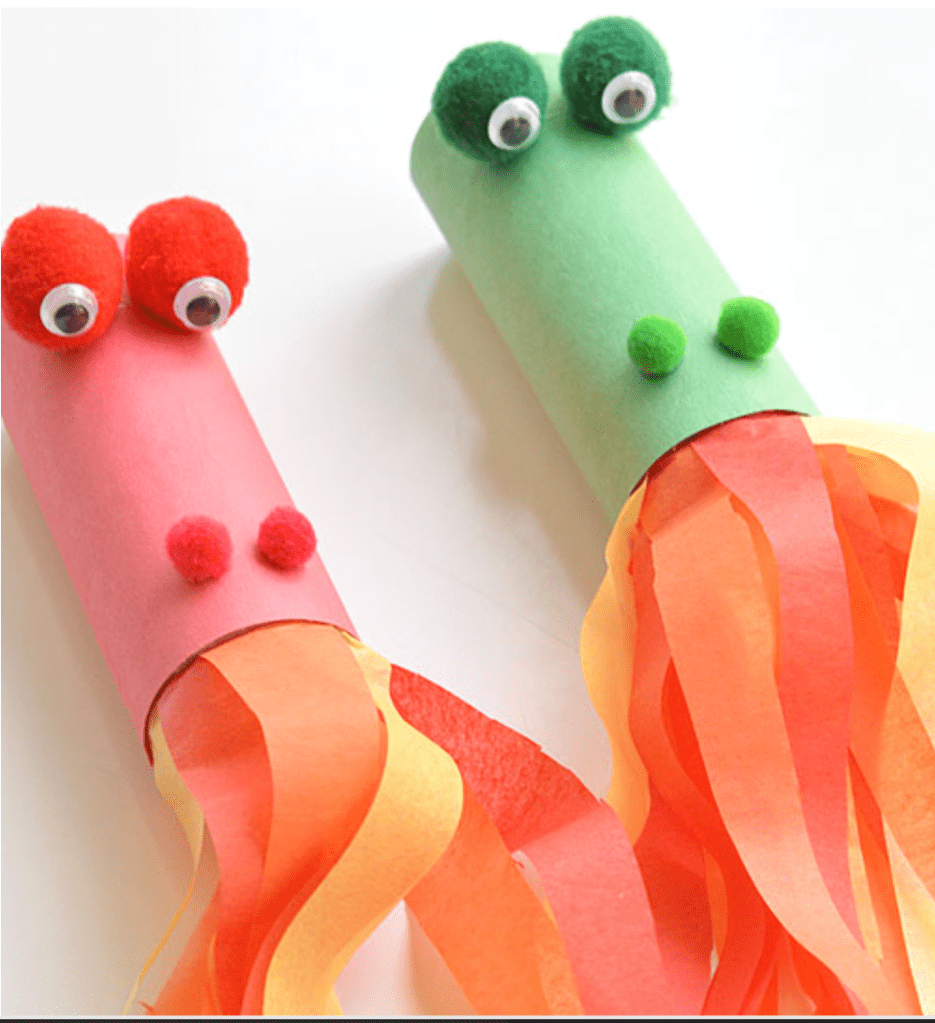
If you’re looking for a craft project, check out this one which uses paper towel rolls. You can use construction paper in lieu of the pom poms.

Kathy currently teaches young learners in her hometown of St. Cloud, Minnesota, USA as well as classes online. She is passionate about creating memorable songs for children that build language as well as music and movement skills. Kathy creates songs that stick in children’s heads long after class. We hope that you enjoy her music, too.

Contact us at magictimekids@gmail.com if you’re looking for a song about a specific idea or topic. We’ll try to write one with that idea in mind.