
It’s time to sing “Hello Spring” with your little ones.
Tag: songsforkids
Get Your Kids Moving with “The Turkey Dance!”
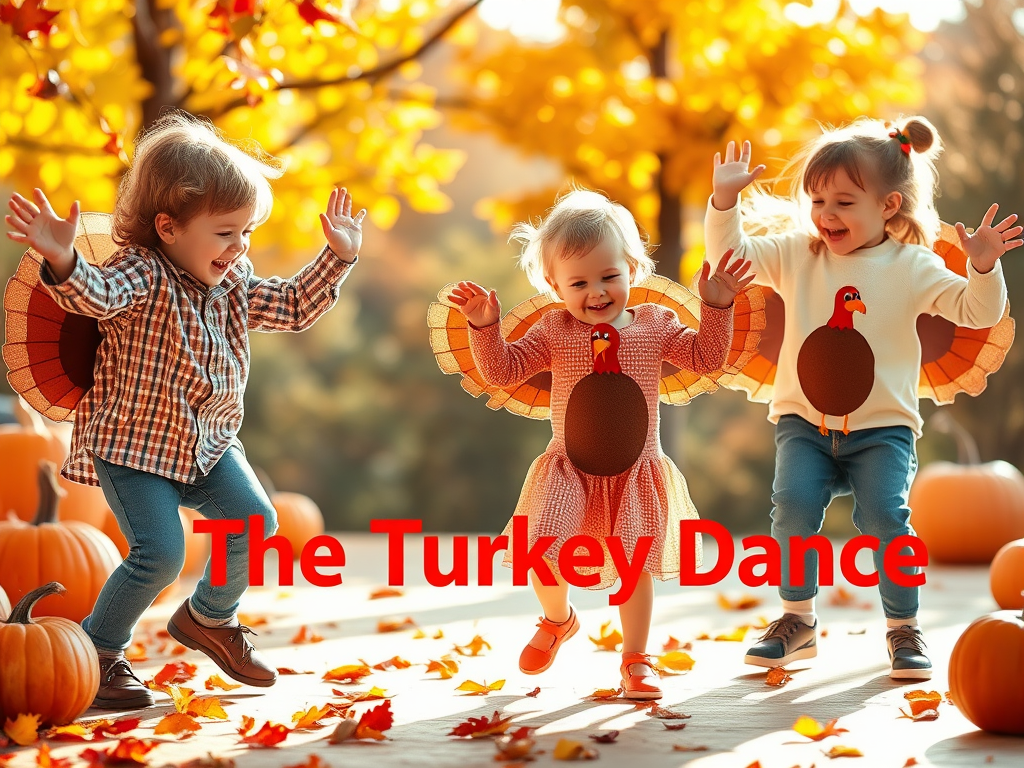
Get up and move with this lively Thanksgiving song by Kathy Kampa! This catchy tune is a fun movement activity for children. Invite them to use their imaginations as they pretend to be turkeys. Move different body parts with each repetition of the song.
October 15th is Global Handwashing Day!
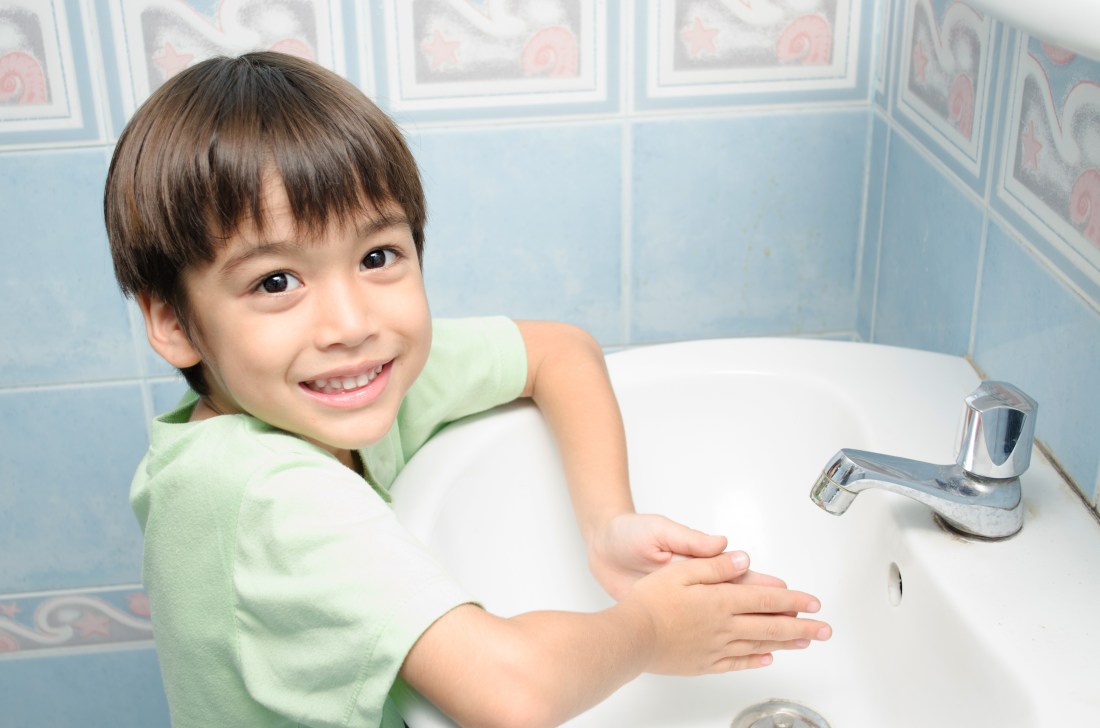
Do you know the five steps to washing your hands well? Wash Those Germs Away, written by children’s songwriter Kathy Kampa, was inspired by the COVID-19 virus and a call to better hand washing by our school nurse. This song will teach you (and those you love!) how to wash your hands thoroughly.
You’ll find a video created for young learners at my school. This might help your very young learners. The other video is a compilation of people who joined me in a “handwashing mission.”
Here are some suggestions for teaching this song:
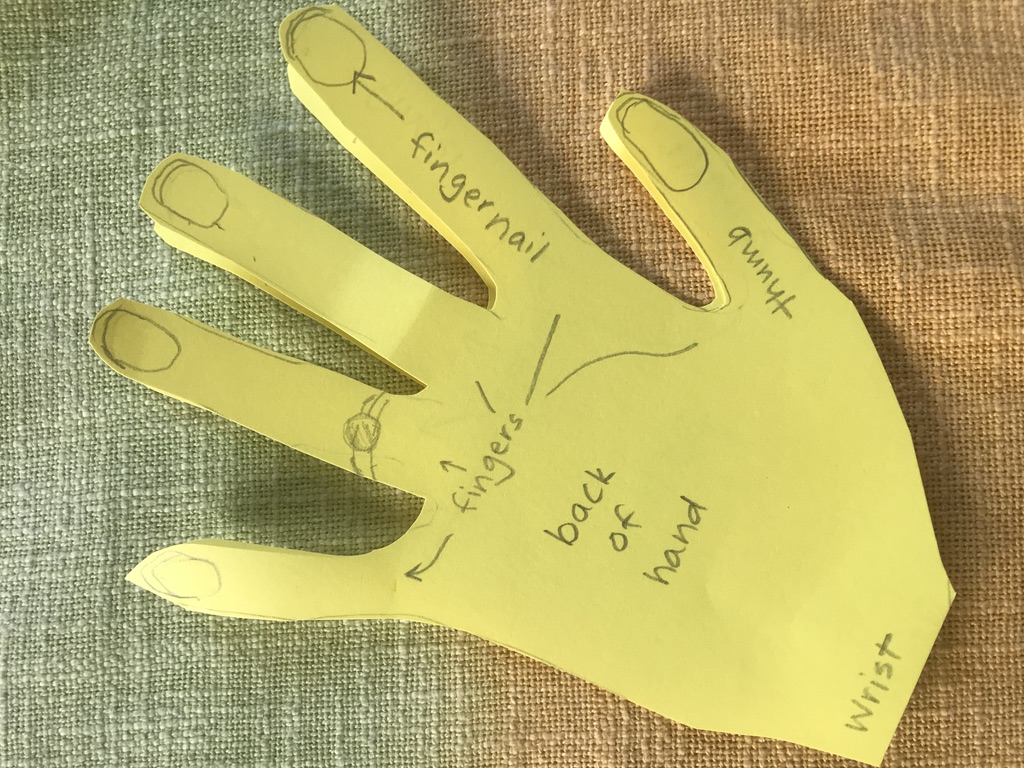
For young learners, check their knowledge of the different parts of their hands. Here are two ways to do this.
- First, let’s name the parts of your hand. You can say, Show me your fingers. Let’s say ‘fingers.’ Show me your thumbs. Let’s say ‘thumbs.’ Let’s count our fingers and our thumbs. 1-2-3-4-5-6-7-8-9-10! Continue in the same way with the other parts of the hand. Show me your fingernails . . . palms . . . . wrists.
- Then, you can prompt the names of each part of the hand by showing: What are these? (wiggle your fingers) Fingers!

Now, prepare soap and a towel or paper towel. Pretend to turn on the water.
| Get started: Turn on the water. Get the soap. Rub your hands together. Let’s wash our hands. Turn off the water. |
| Sing: 1. Wash between, wash between, wash between your fingers, Wash between, wash between, wash between your fingers. |
| 2. Wash the back of each hand, Wash those germs away! |
| 3. (Start with your pinkie and work towards your thumb, then start with your thumb to your pinkie.) Then wash your fingers one by one, Wash each finger, Wash your thumbs, 1-2-3-4-5-6-7-8-9-10, almost done! |
| 4. (Bend your fingers to wash your fingernails in your palm.) Now you wash your fingernails and wash your palms, wash your fingernails and wash your palms, |
| 5. Wash your wrists, both right and left, Wash those germs away! |
| Wash those germs away! Wash – those – germs – away . . . . . . . . . YEAH! Shake off that water and dry your hands. |
Thanks to creative artists

—- Andre DiMuzio for arranging this song
—–Brady Foster for compiling all of the videos!
To ensure that everyone knows how to wash their hands well, we’ve provided additional resources for you. Both the vocal version and the karaoke version are available for free!
Karaoke Version
Thanks to everyone who joined in this hand-washing compilation.
Thatcher Buck
Karoline Buck
Brady Foster
Yuzuho Fujisawa
Emma Hayashi
Maiko Hayashi
Barbara Hoskins-Sakamoto
Patrick Jackson
Kathy Kampa
Brooke Kearney
Lori Kampa Kearney
Shannon Kearney
Yoko Matsui
Dina Mitchell
Nao Oshima
Callie Sisel
Tomoko Tanaka
Christian Vilina
Chuck Vilina
Craig Wright
Special Thanks to Taruna Kapoor and students:
Kindergarten children:
Pushti Bhatti
Vihaan Singh
Pre-Nursery
Prince Rana
Arubhav Shishodia
Ranya Goel
Want to see some fun outtakes? Thanks to dogs Addie and Allie who joined in the fun! We also thank the pair of feet for trying to do this song.
For more kid-tested music and movement activities, check out more music on iTunes. Kathy has produced two music CDs for very young learners, Kathy Kampa’s Special Days and Holidays and Jump Jump Everyone, which build English language skills through movement while nurturing creativity and imagination! Grown and loved by real kids!
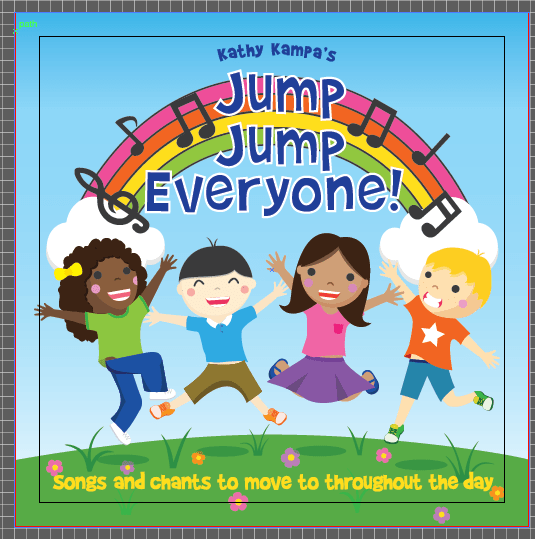

Songwriter Kathy Kampa is a passionate educator of young learners. She seeks to nurture children’s imaginations and spark creativity through fun and engaging activities. Kathy believes that music and movement should be a part of every young child’s education. Kathy’s Songs for Kids (Kathy Kampa’s Special Days and Holidays and Jump Jump Everyone) are available on iTunes.
Kathy uses a globally-minded and inquiry-based approach to teaching through which students develop 21st-century skills. She also supports the development of English language skills by creating songs, chants, and TPR/movement activities targeted to young learners’ needs.
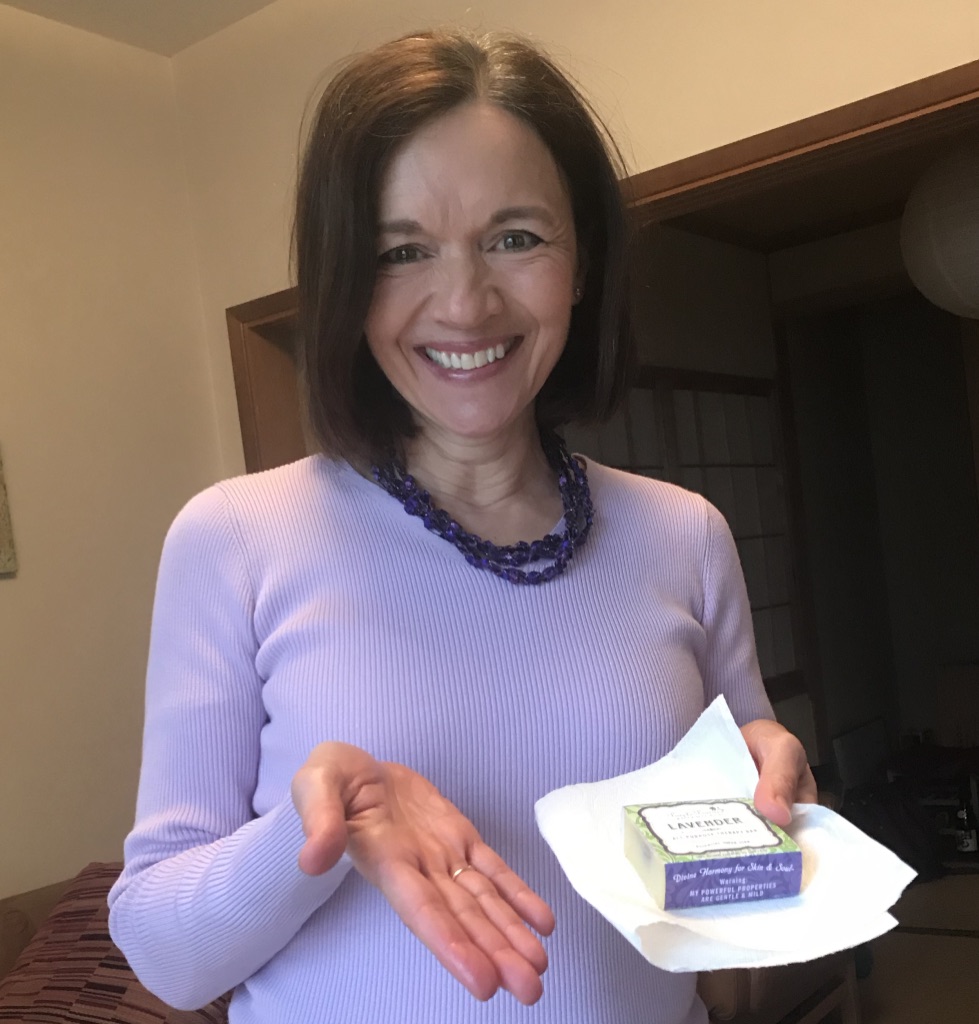
Kathy and her husband Charles Vilina are also co-authors of Magic Time, Everybody Up, and the ELTon award-winning course Oxford Discover, all published by Oxford University Press. They recently published Beehive and Buzz, courses for young English Language Learners.
#handwashing #COVID #coronavirus #washyourhands #socialdistancing #corona #handwash #KIDSMUSIC #CHILDRENSMUSIC #KATHYKAMPA #MAGICTIMEKIDS CHILDRENSSONGS #MOVEMENT #MUSICFORKIDS #KIDS #FAMILYMUSIC #MUSICCLASS #BABYMUSIC #TODDLERMUSIC #KIDSMUSICCLASS #preschool
Hand washing image Designed by brgfx / Freepik
It’s Leap Year–Let’s Leap!!
If you teach young learners, you know that they love to move! As teachers, we can provide opportunities for children to explore movement in bigger spaces. What kinds of movement should we practice with young learners? We’re going to explore LOCOMOTOR MOVEMENTS. Locomotor movements are not done in one place; children move from one place to another. You might know these as “gross motor movements.”
Add some Locomotor Movements to your Leap Year / Leap Day celebrations!

LOCOMOTOR MOVEMENTS.
If this is the first time your students are doing these types of movements, I recommend practicing them. Make sure that your students have ample room to move. Then, say each locomotor movement word and have students move with you before playing the music.
Alternatively, you can dive right in! Put on the music and move with your students around a circle. Model each of the movements.
If your students are used to doing movement, they can move freely around the space. Here are the locomotor movements used in the song.
walk. Use your imagination! Walk with a puppy or an elephant. Walk like a dinosaur or a princess. Walk happily!
march. Pick up your knees. Imagine that you’re playing a big drum.
tiptoe. Sh! Lift up your heels and move quietly. Maybe someone or something is sleeping.
gallop. Put your hands behind your back to make a tail. Gallop like a horse.
skip. Skipping is like a step and a hop. It can be a little challenging for young learners. Once children learn it, they’ll love skipping.
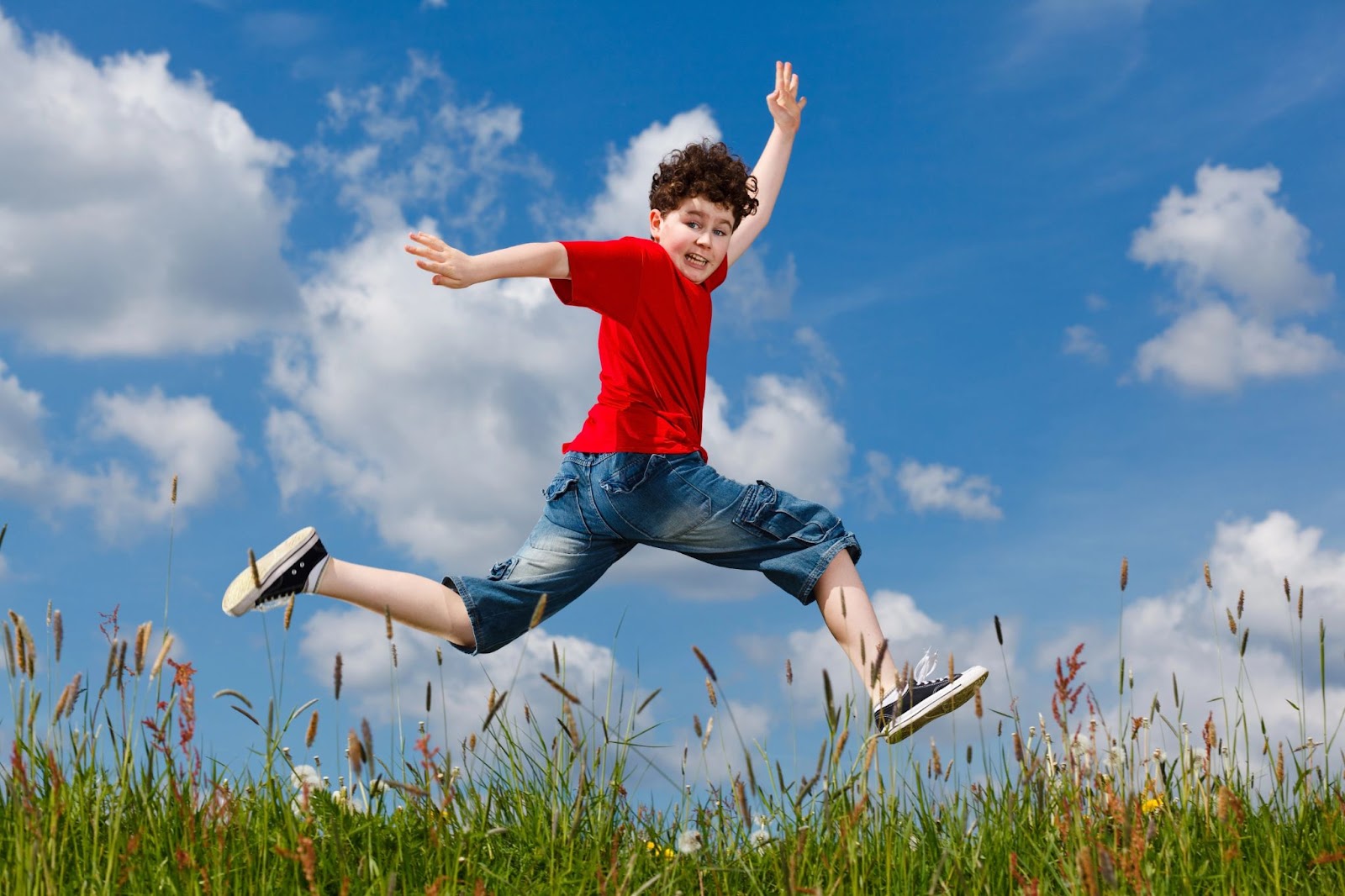
jump. Jumping is moving off of both feet at the same time. You can jump in different ways–jumping feet apart and together, turning around, or jumping super high! You can jump forward or backward.
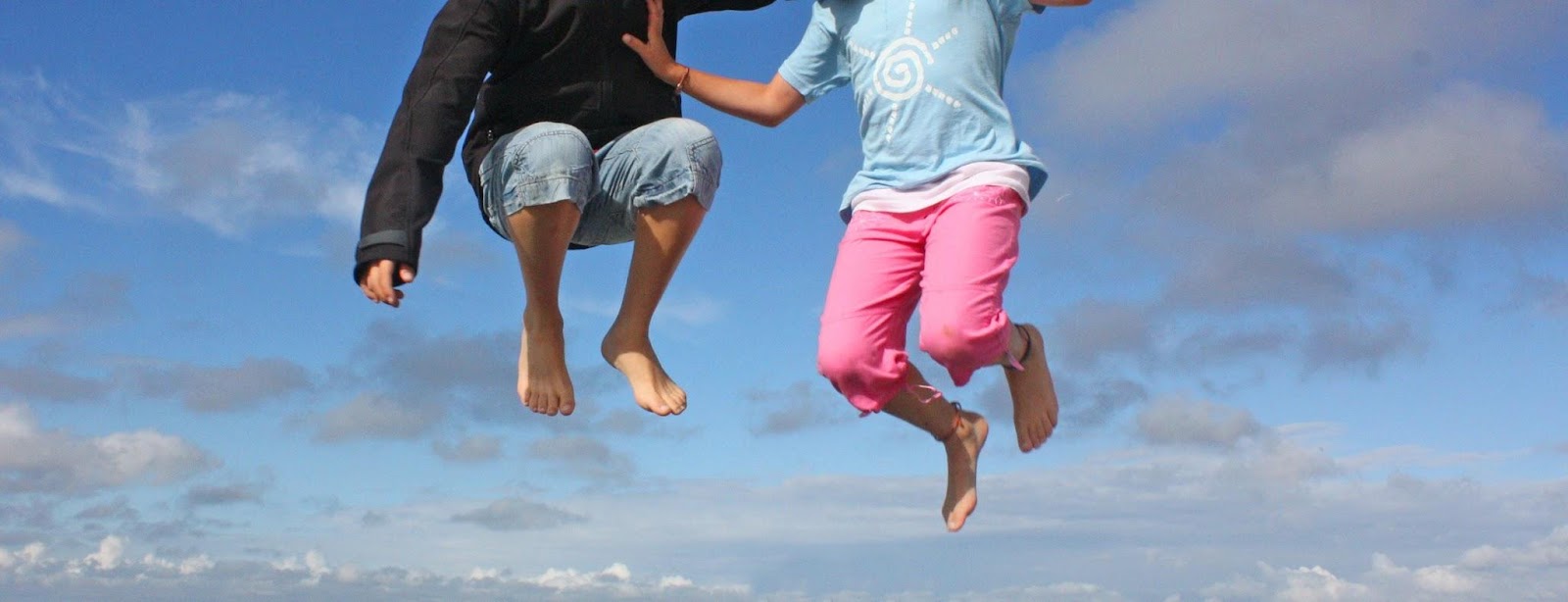
hop. Hopping is like jumping, but you have to move by balancing on one foot. If one foot gets tired, just change to the other foot. You can hop in a straight line, a zigzag line, or even in your own circle.
leap. Imagine having to leap over a big puddle. Swing one foot out and fly in the air! You can put things on the floor to leap over, such as beanbags, small hula hoops, or spots
Now practice the letters and their sounds.
In this song, we’ll be making the letter shapes. If your students don’t know these letter sounds, try this.
When I first teach letters and their corresponding sounds to young learners, I like to use the Montessori approach with the Montessori Three-Period Lesson.
Step 1: Choose two letters to introduce. This sound is /m/. This sound is /t/.
We can show students things that begin with these two sounds, such as . . .
Mm: milk, monkey, mouse, mother, mirror, me
Tt: table, tail, teacher, teddy bear, tiger, T-shirt, toy
Step 2: Point to /m/. Point to /t/.
Step 3: What’s this? It’s /m/. It’s /t/.
What sound does monkey start with?
What sounds does tiger start with?
Movement
We can also do movement to practice letter sounds and their corresponding shapes.
Here are Melissa Bailey’s Moving Little Letters flashcards. The cards connect movement with letter sounds. Check out her beautiful work.

My young learners really love to make letter shapes. They visualize the letters in their heads and create their own ideas. If your students need ideas, here are some images for you. The images at the right are from the Phonics Section of our course, Magic Time Two by Oxford University Press. We believe that children learn best by having opportunities to move their bodies. It provides an MI (Multiple Intelligences/ kinesthetic) approach.
The additional photos included below are of my students. I hope that they inspire your imagination and creativity. So . . . make shapes with your fingers, arms, whole body, or a partner. Sit. Stand. Lie down.

When you demonstrate to your students, imagine that you are the letter on the whiteboard. Make the letter from that perspective. What does it look like?
I always write the letters on my board to help my students visualize the letter shape. I don’t worry if their letters look reversed. From their perspective, it’s probably okay. Have fun creating letters in different ways.
Song
This song comes from my album Jump Jump Everyone. You can find it on iTunes as well as other streaming sites. You’ll find the Spotify link below.
Here are the lyrics for the first verse. The recording will tell you what’s coming next. Great listening activity! Refer to the locomotor movement list above if you really want to know what’s coming next.
We’re walking all around. We’re walking all around.
Walking, walking.
We’re walking all around.
We’re walking all around. We’re walking all around.
Get ready! Get ready!
Make the letter Ww. /w/ /w/ /w/.

It looks like I might be making the letter i! Or the letter j if you could see my feet!
Songwriter Kathy Kampa is a passionate educator of young learners. She seeks to nurture children’s imaginations and spark creativity through fun and engaging activities. Kathy believes that music and movement should be a part of every young child’s education. Kathy’s songs for kids (Kathy Kampa’s Special Days and Holidays and Jump Jump Everyone) are available on iTunes.
Kathy uses a globally-minded and inquiry-based approach to teaching through which students develop 21st-century skills. She also supports the development of English language skills by creating songs, chants, and TPR/movement activities targeted to young learners’ needs. Kathy is an author and teacher-trainer with Oxford University Press. She is delighted to be teaching young learners in her hometown.

Spotify:
Here are some Google slides, just in case you want to use them in your classroom.
Be My Valentine!
 Be My Valentine cover art by Shuli Ko
Valentine’s Day is on February 14th, just a short time away! To celebrate the occasion, I wrote a song that my young learners love to sing and move to. It’s entitled “Be My Valentine.” This song helps children learn the shape and sound of the letter “V.” You might even call this song “V-V-Valentine.”
Children also explore how to make the shape of a heart with their hands, their arms, or with a partner.
The easiest way to demonstrate how to use this song is to view a video I created with my two nieces, Brooke and Shannon.
Just click HERE to see the video!
To hear and buy the studio version of the song, just click HERE on iTunes for the single, or HERE for the album (Track #4). You can also find the music on Spotify.
I hope that you and your children enjoying singing and moving to this song together, either at home or in the classroom!
Sending warm Valentine wishes,
Kathy and Chuck
 MagicTimeKids