Let’s Do the Skeleton Dance

Featured
Two playful skeletons dancing against a black background

Skeleton Dance is definitely one of my students’ favorite songs! Why should you love it, too?

Skeleton Dance is one of the first children’s songs that I wrote. And it’s certainly been requested over and over by children and teachers around the globe. I’ve taught Skeleton Dance to students in pre-kindergarten through junior high school. It’s a favorite song with my online students from Ukraine. I’ve shared this song with teachers in the US, Japan, Korea, Taiwan, Thailand, Vietnam, the Philippines, Mainland China, Indonesia, Mexico, Finland, and Turkey.

Kathy Kampa’s Skeleton Dance has been performed by hundreds of students from around the world. You can watch some of my students in Japan doing the Skeleton Dance, and read the lyrics below:

Here’s how you do the Skeleton Dance:

In this song, students will move four different body parts: shoulders, elbows, knees, and feet.
First, students move their shoulders to the beat. Explore different ways of moving each of these body parts.

 Move your shoulders . . .
A. Skeleton, skeleton, skeleton dance,
Move your shoulders, do the skeleton dance.
Skeleton, skeleton, skeleton dance,
Move your shoulders, do the skeleton dance.

Next, students move their whole bodies to the front, to the back, and to the side. I usually start by moving only my arms, but my students love to jump in each direction.

B. To the front, to the back, to the side, side, side,
To the front, to the back, to the side, side, side,

Next, students move their shoulders up, down, and around. Each time they repeat the song, they will move a different body part in these directions. When I teach this, I point with my finger to show the directions.

C. Put your shoulders up. Put your shoulders down.
Move them up and down and all around.
Put your shoulders up. Put your shoulders down.
Move them up and down and all around.

Finally, students move their shoulders in their own way.

D. Shoulders dance . .ch ch ch ch ch ch ch ch
Shoulders dance . .ch ch ch ch ch ch ch ch

This dance is repeated with the following body parts.
Before I play the music, my students and I figure out how we’ll move up, down, and around using each of these body parts.

2. Move your elbows . . .
3. Move your knees . . .
4. Move your feet . . .

You can download this song from iTunes (Track #15). It’s available on streaming services, like Spotify.

Why use this song in your class?

It teaches body parts.

It teaches directional movements.

It’s a great way to start your school day!

It’s an easy, energizing Brain Break.

It’s a perfect rainy day, get-your-wiggles-out song.!

It’s an effective activity for a health unit.

The song will stick in students’ heads.

It’s just what you need for your Halloween celebrations!

And you can invite parents to have fun dancing with their children!

The kids will ask for it again and again.

It’s so much fun!

Bonus activities

What else can you do with this song?

Reading and Writing:

If you’d like to practice reading the lyrics, check out these fabulous reading and writing activities by Yoko Oho. It’s a fun way to read the words! Click through to see all of the pages to see what Yoko created.

Coloring

Here’s a fun coloring activity from Daria. You can see skeletons for Dia Los Muertos (Day Of The Dead). Have fun coloring “calaveras.” Get these activities on Daria’s TPT page

Pinterest ideas: Here are some fun songs, worksheets, blogs, craft activities, games, costumes, and simple cooking ideas for Halloween.

So, grab your costumes and get ready for one of my favorite holidays.

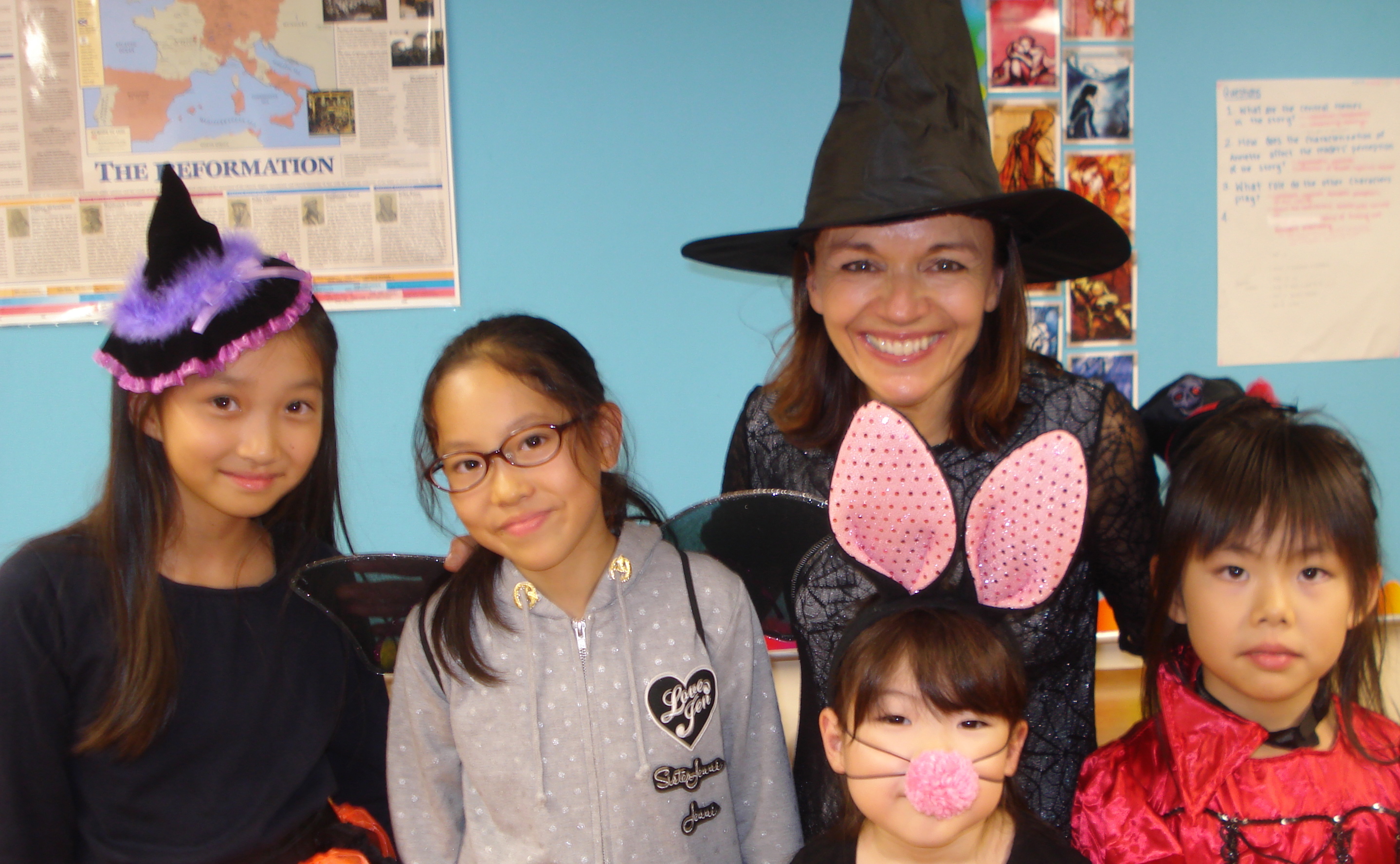
A group of four girls and one woman dressed in Halloween costumes, smiling together. The woman is wearing a witch hat, while the girls have various playful costumes, including bunny ears and a red outfit.
Kathy and her English students
Cover illustration for 'Special Days and Holidays' by Kathy Kampa, featuring diverse children joyfully dancing with musical notes and colorful elements.
Kathy’s songs were written especially for young learners. Each song focuses on popular classroom topics and invites children to use their imaginations. Songs also support the development of English language skills through repetition and simple melodies. Students love moving to Kathy’s songs!

Kathy Kampa is a passionate educator of young learners. She seeks to nurture children’s imaginations and spark creativity through fun and engaging activities. Kathy believes that music and movement should be a part of every young child’s learning.

Kathy is the co-author of Magic Time, Everybody Up, Oxford Discover (ELTon winner), Beehive/Buzz and Blue Dot(published by Oxford University Press). She has taught young learners in Tokyo, Japan for over 30 years. Kathy has composed educational music for Tokyo Shoseki and recorded songs for Learning World. She is active as a teacher trainer, inspiring teachers around the world. Kathy and her husband are currently writing educational materials in Minnesota.

If you’re interested in more of Kathy’s work, check out her YouTube channel at Kathy Kampa.

Autumn Activities for Kids: Explore Colorful Falling Leaves

Featured

Autumn is one of my favorite times of the year. Actually, I do love something about every season!! Here in Minnesota, we can find leaves of red, yellow, orange, and brown!

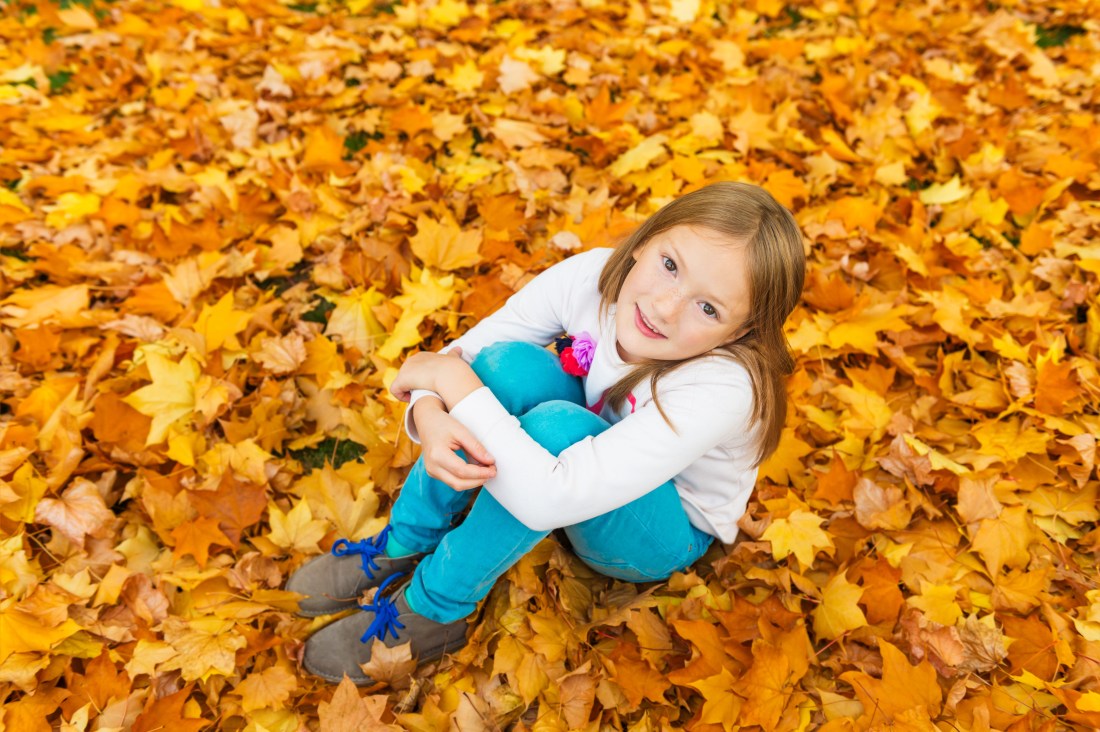
Looking up through trees with vibrant autumn leaves against a clear blue sky.

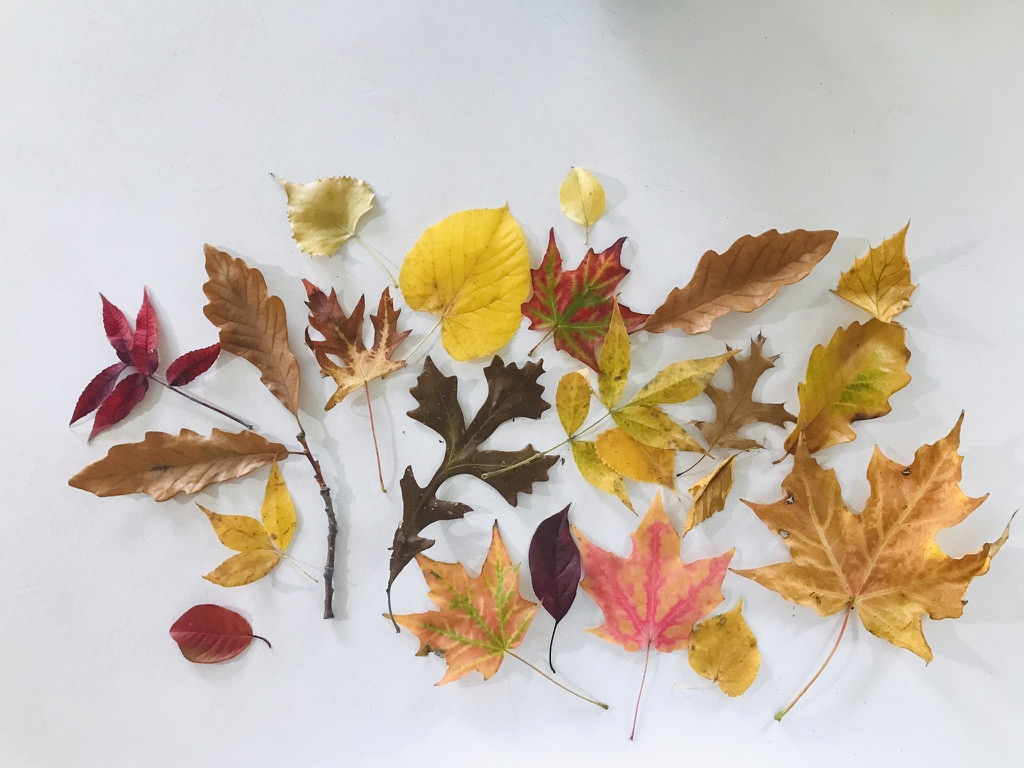
When I prepare for this lesson, I collect a variety of leaves.

-big and small leaves

-leaves in different colors

-leaves from different kinds of trees

The current image has no alternative text. The file name is: 8a704779-492b-45f8-99db-400d7b0a4b51_1_105_c.jpeg

Hold a leaf and watch it fall to the ground. Talk about what you saw. “This small leaf moved like this. (You can show this with your hands) Let’s see if that happens again.”

Repeat this process with your other leaves. If you have time, invite your students to drop the leaves and watch how they travel to the ground. What did they notice?

This is one of my students’ favorite songs for autumn. I especially love the incredible instrumentation that Andre DiMuzio created to accompany it.

Here are the free Google slides with the lyrics.

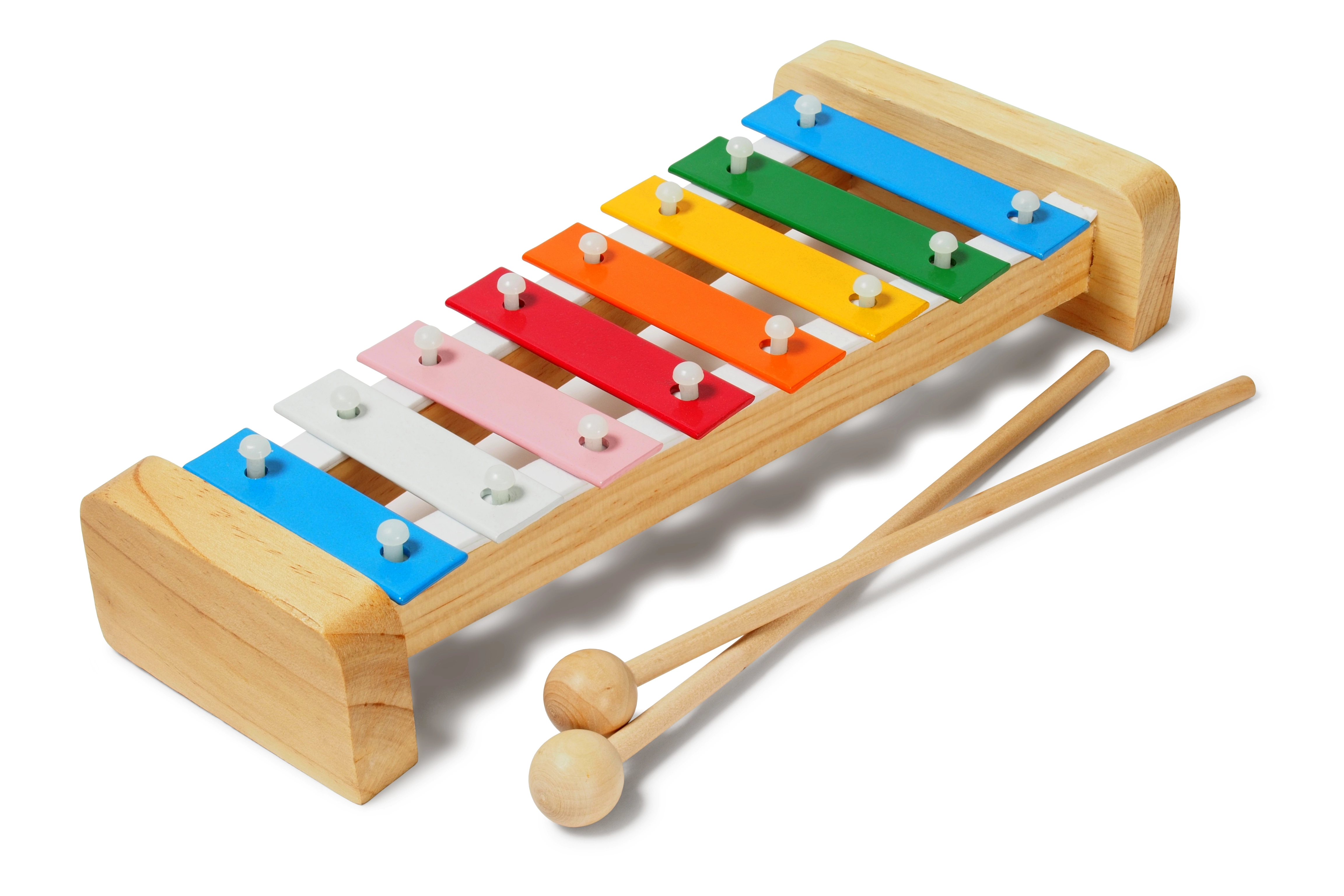
It’s fun to teach this song with a xylophone or glockenspiel. You can play it by starting at the shortest bar (C) (do’), and going step by step to the longest bar. If you turn the instrument on its side with the shortest bar on top, it’s easy to see and hear the melody descending. Just play the melody. Then add the lyrics.

A colorful wooden xylophone with eight keys and two mallets.

Falling Leaves Adapted by Kathy Kampa

Down, down, down, down, the leaves are falling to the ground. 

    do       ti        la       sol             fa              mi        re        do‘

Whoosh!

Red, yellow, orange, and brown, the leaves are falling to the ground. 

  do       ti        la         sol             fa              mi        re        do

Whoosh!

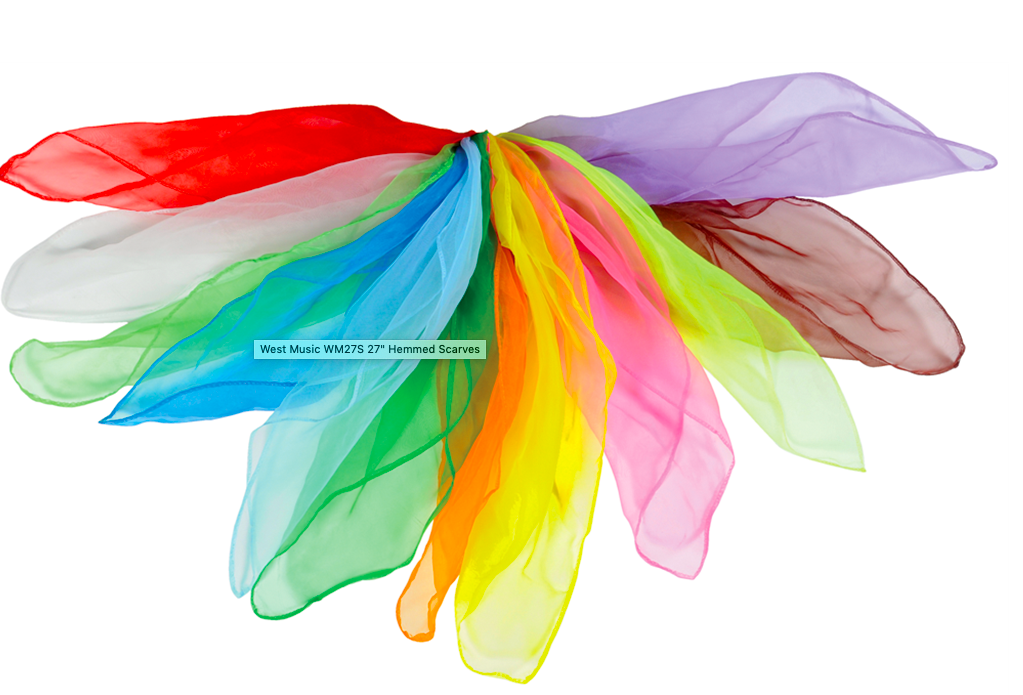
I sing the song with a scarf in my hand. Children love dancing with lightweight scarves. They just love the way the scarves float so lightly. I pass out one scarf to each student. I model swaying with my scarf from side to side. This crosses the midline of their bodies. We move from a high level to a low level.

*Note: For very young learners, I tie a knot in the middle of the scarf to make it smaller. Children can hold onto the knot.

Then, the magic “Whoosh!” Children can toss their scarves into the air. Scarves are easier to catch because they’re so light. My students laugh when the scarf lands on their arm, their head, their shoulder . . . .

You can model this action with your students. I usually do this twice. Look! The scarf is on my head! Look! The scarf is on my elbow!

Then encourage students to spin around. This is a wonderful, vestibular movement! They can spin fast or slow. My students will sing this song over and over again. On the recording, the last time just slows down to signal the end of the song.

Here’s a video of my young learners in Tokyo.

I use small, lightweight hemmed scarves like these. Search for “hemmed scarves” or “juggling scarves.” Check the reviews. I like mine! Young children can practice naming the color, too.

If your scarves are big for your students, just tie a knot in the middle of the scarf. They should hold onto that part.

Screen Shot 2020-03-19 at 16.55.57

Check out my Pinterest board for more autumn activities. This song is available on my album “Jump Jump Everyone.” You can find it on most streaming services, such as Spotify. For more kid-tested music and movement activities, check out my music on iTunes.

Jump Jump Everyone
Kathy has produced two music CDs for very young learners, Kathy Kampa’s Special Days and Holidays and Jump Jump Everyone, which build English language skills through movement while nurturing creativity and imagination! Grown and loved by real kids!

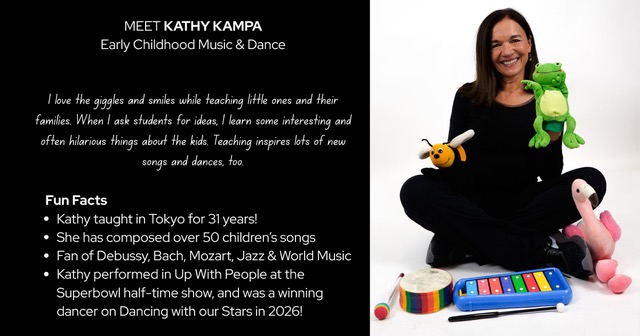
Kathy Kampa is a teacher, author, and teacher-trainer who specializes in working with young learners. She taught at Seisen International School in Tokyo, Japan in the PYP (Primary Years Program) and continues to teach young learners in Minnesota. Kathy uses a globally minded, inquiry-based approach to teaching that helps students develop 21st-century skills. She also supports the development of English language skills by creating songs, chants, and TPR/movement activities targeted to young learners’ needs.

A woman with long hair, dressed in a black top and pants, is smiling while sitting on the floor. She holds a green stuffed frog in one hand and a colorful toy in the other. Various toys are scattered around her, including a xylophone, a colorful ball, and a stuffed bee. The background features a black wall with text about her experience in early childhood music and dance.

Kathy and her husband Charles Vilina are also co-authors of Magic Time, Everybody Up, Oxford Discover, Beehive, Buzz, and Blue Dot, all published by Oxford University Press.

Here’s another video of this song.

#AUTUMN #FALLINGLEAVES #KIDSMUSIC #AUTUMNDAYS #AUTUMNCOLORS #NURSERYRHYMES #ENGLISHSONGS #KINDERGARTEN

I love this photo! When we lived in Tokyo, we witnessed such beautiful autumn leaves. People celebrate the season outside by enjoying picnics, taking hikes, and taking lots of pictures!

A woman wearing a traditional kimono with colorful patterns, standing near a stream surrounded by autumn foliage.
Photo by Kathleen Kampa, 2020, Showa Kinen Park

October 15th is Global Handwashing Day!

Featured
Global Handwashing Day banner design illustration

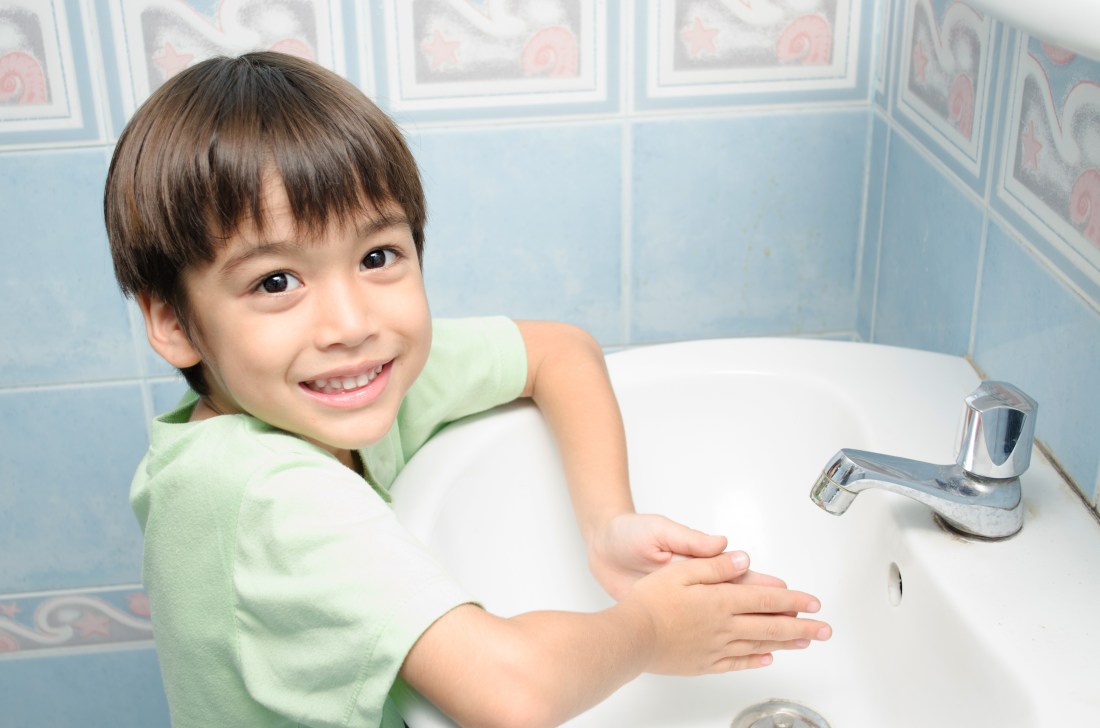
Do you know the five steps to washing your hands well? Wash Those Germs Away, written by children’s songwriter Kathy Kampa, was inspired by the COVID-19 virus and a call to better hand washing by our school nurse. This song will teach you (and those you love!) how to wash your hands thoroughly.

You’ll find a video created for young learners at my school. This might help your very young learners. The other video is a compilation of people who joined me in a “handwashing mission.”

Here are some suggestions for teaching this song:

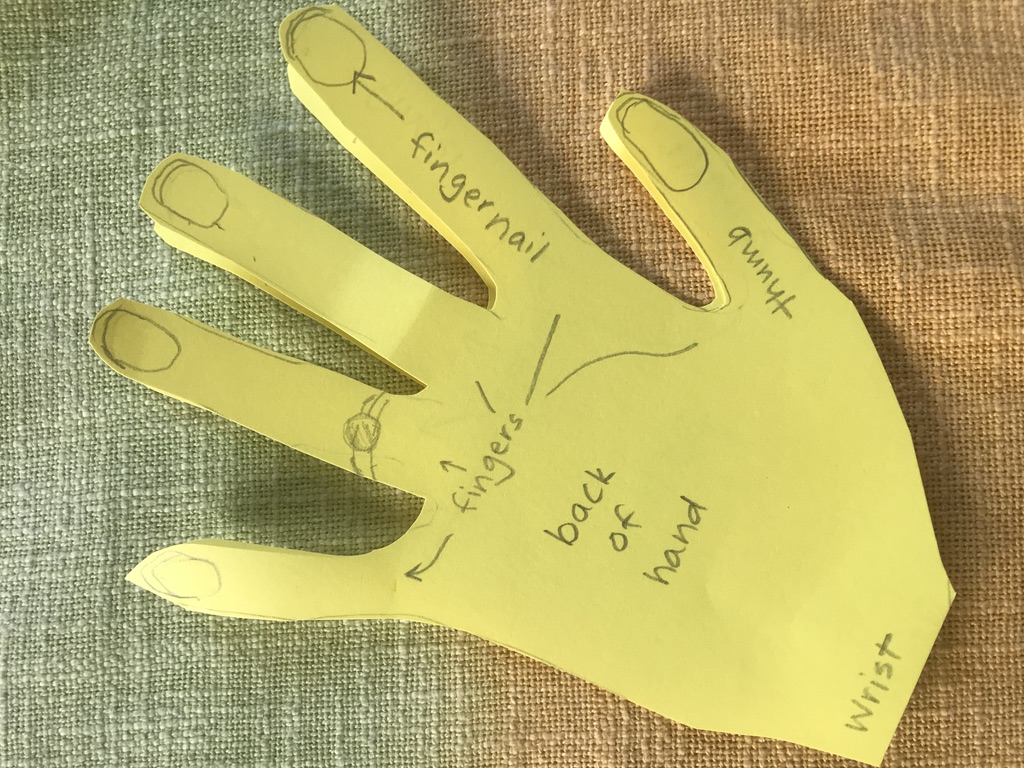
For young learners, check their knowledge of the different parts of their hands. Here are two ways to do this.

  1. First, let’s name the parts of your hand. You can say, Show me your fingers. Let’s say ‘fingers.’ Show me your thumbs. Let’s say ‘thumbs.’ Let’s count our fingers and our thumbs. 1-2-3-4-5-6-7-8-9-10! Continue in the same way with the other parts of the hand. Show me your fingernails . . . palms . . . . wrists.
  2. Then, you can prompt the names of each part of the hand by showing: What are these? (wiggle your fingers) Fingers!
Now, prepare soap and a towel or paper towel. Pretend to turn on the water.

Get started:
Turn on the water. Get the soap.
Rub your hands together. Let’s wash our hands.
Turn off the water.
Sing:
1. Wash between, wash between, wash between your fingers,  
Wash between, wash between, wash between your fingers.
2. Wash the back of each hand,
Wash those germs away!
3. (Start with your pinkie and work towards your thumb,
then start with your thumb to your pinkie
.)

Then wash your fingers one by one,
Wash each finger,
Wash your thumbs,
1-2-3-4-5-6-7-8-9-10, almost done!
4. (Bend your fingers to wash your fingernails in your palm.)
Now you wash your fingernails and wash your palms,     
wash your fingernails and wash your palms,
5. Wash your wrists, both right and left,
Wash those germs away!    
Wash those germs away!  
Wash  –  those  – germs  – away . . . . . . . . . YEAH!
Shake off that water and dry your hands.

Thanks to creative artists

—- Andre DiMuzio for arranging this song

—–Brady Foster for compiling all of the videos!

To ensure that everyone knows how to wash their hands well, we’ve provided additional resources for you. Both the vocal version and the karaoke version are available for free!

Wash Those Germs Away by Kathy Kampa

Karaoke Version

Wash Those Germs Away –Karaoke version by Kathy Kampa/ arranged by Andre DiMuzio

Thanks to everyone who joined in this hand-washing compilation.

Thatcher Buck

Karoline Buck

Brady Foster

Yuzuho Fujisawa

Emma Hayashi

Maiko Hayashi

Barbara Hoskins-Sakamoto

Patrick Jackson

Kathy Kampa

Brooke Kearney

Lori Kampa Kearney

Shannon Kearney

Yoko Matsui

Dina Mitchell

Nao Oshima

Callie Sisel

Tomoko Tanaka

Christian Vilina

Chuck Vilina

Craig Wright

Special Thanks to Taruna Kapoor and students:

Kindergarten children:

Pushti Bhatti

Vihaan Singh

Pre-Nursery

Prince Rana

Arubhav Shishodia

Ranya Goel

Want to see some fun outtakes? Thanks to dogs Addie and Allie who joined in the fun! We also thank the pair of feet for trying to do this song.

For more kid-tested music and movement activities, check out more music on iTunes. Kathy has produced two music CDs for very young learners, Kathy Kampa’s Special Days and Holidays and Jump Jump Everyone, which build English language skills through movement while nurturing creativity and imagination! Grown and loved by real kids!
Songwriter Kathy Kampa is a passionate educator of young learners. She seeks to nurture children’s imaginations and spark creativity through fun and engaging activities. Kathy believes that music and movement should be a part of every young child’s education. Kathy’s Songs for Kids (Kathy Kampa’s Special Days and Holidays and Jump Jump Everyone) are available on iTunes.

Kathy uses a globally-minded and inquiry-based approach to teaching through which students develop 21st-century skills. She also supports the development of English language skills by creating songs, chants, and TPR/movement activities targeted to young learners’ needs.
Kathy and her husband Charles Vilina are also co-authors of Magic Time, Everybody Up, and the ELTon award-winning course Oxford Discover, all published by Oxford University Press. They recently published Beehive and Buzz, courses for young English Language Learners.

#handwashing #COVID #coronavirus #washyourhands #socialdistancing #corona #handwash #KIDSMUSIC #CHILDRENSMUSIC #KATHYKAMPA #MAGICTIMEKIDS CHILDRENSSONGS #MOVEMENT #MUSICFORKIDS #KIDS #FAMILYMUSIC #MUSICCLASS #BABYMUSIC #TODDLERMUSIC #KIDSMUSICCLASS #preschool

Hand washing image Designed by brgfx / Freepik
It’s Leap Year–Let’s Leap!!

Featured

If you teach young learners, you know that they love to move! As teachers, we can provide opportunities for children to explore movement in bigger spaces. What kinds of movement should we practice with young learners? We’re going to explore LOCOMOTOR MOVEMENTS. Locomotor movements are not done in one place; children move from one place to another. You might know these as “gross motor movements.”

Add some Locomotor Movements to your Leap Year / Leap Day celebrations!

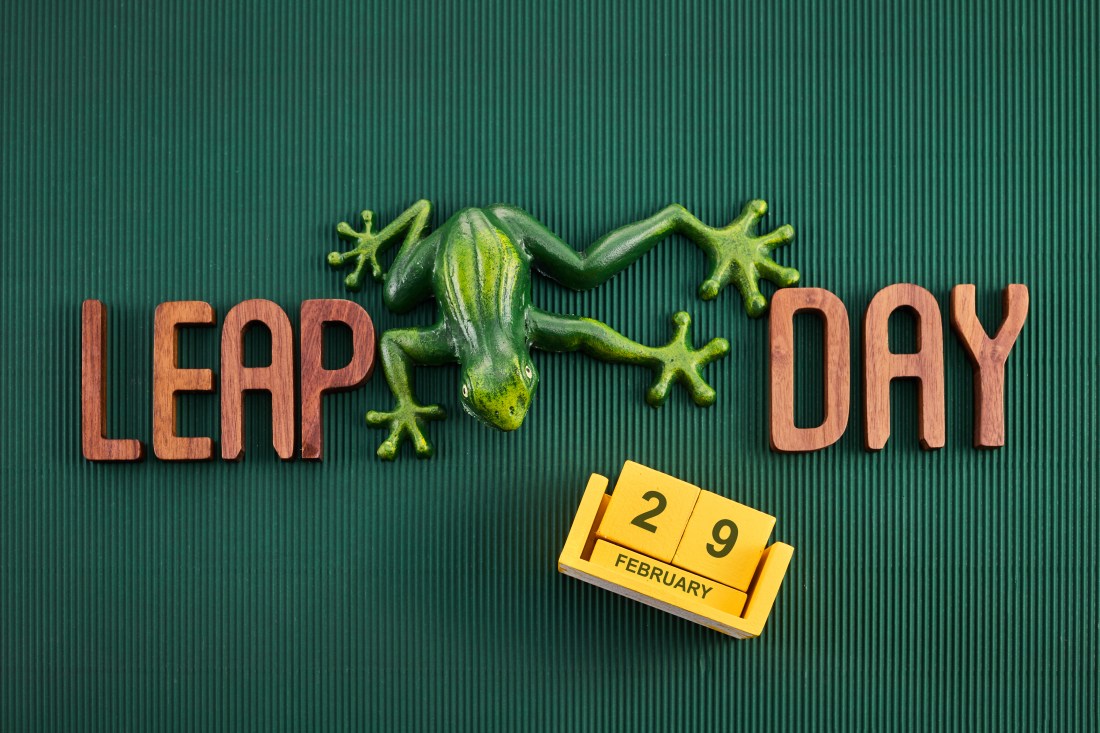
Happy Leap Day on 29 February with Jumping Frog.

LOCOMOTOR MOVEMENTS.

If this is the first time your students are doing these types of movements, I recommend practicing them. Make sure that your students have ample room to move. Then, say each locomotor movement word and have students move with you before playing the music.

Alternatively, you can dive right in! Put on the music and move with your students around a circle. Model each of the movements.

If your students are used to doing movement, they can move freely around the space. Here are the locomotor movements used in the song.

walk. Use your imagination! Walk with a puppy or an elephant. Walk like a dinosaur or a princess. Walk happily!

march. Pick up your knees. Imagine that you’re playing a big drum.

tiptoe. Sh! Lift up your heels and move quietly. Maybe someone or something is sleeping.

gallop. Put your hands behind your back to make a tail. Gallop like a horse.

skip. Skipping is like a step and a hop. It can be a little challenging for young learners. Once children learn it, they’ll love skipping.

jump. Jumping is moving off of both feet at the same time. You can jump in different ways–jumping feet apart and together, turning around, or jumping super high! You can jump forward or backward.

hop. Hopping is like jumping, but you have to move by balancing on one foot. If one foot gets tired, just change to the other foot. You can hop in a straight line, a zigzag line, or even in your own circle.

leap. Imagine having to leap over a big puddle. Swing one foot out and fly in the air! You can put things on the floor to leap over, such as beanbags, small hula hoops, or spots

Now practice the letters and their sounds.

In this song, we’ll be making the letter shapes. If your students don’t know these letter sounds, try this.

When I first teach letters and their corresponding sounds to young learners, I like to use the Montessori approach with the Montessori Three-Period Lesson.

Step 1: Choose two letters to introduce. This sound is /m/. This sound is /t/.

We can show students things that begin with these two sounds, such as . . .

Mm: milk, monkey, mouse, mother, mirror, me

Tt: table, tail, teacher, teddy bear, tiger, T-shirt, toy

Step 2: Point to /m/. Point to /t/.

Step 3: What’s this? It’s /m/. It’s /t/.

What sound does monkey start with?

What sounds does tiger start with?

Movement

We can also do movement to practice letter sounds and their corresponding shapes.

Here are Melissa Bailey’s Moving Little Letters flashcards. The cards connect movement with letter sounds. Check out her beautiful work.

My young learners really love to make letter shapes. They visualize the letters in their heads and create their own ideas. If your students need ideas, here are some images for you. The images at the right are from the Phonics Section of our course, Magic Time Two by Oxford University Press. We believe that children learn best by having opportunities to move their bodies. It provides an MI (Multiple Intelligences/ kinesthetic) approach.

The additional photos included below are of my students. I hope that they inspire your imagination and creativity. So . . . make shapes with your fingers, arms, whole body, or a partner. Sit. Stand. Lie down.

When you demonstrate to your students, imagine that you are the letter on the whiteboard. Make the letter from that perspective. What does it look like?

I always write the letters on my board to help my students visualize the letter shape. I don’t worry if their letters look reversed. From their perspective, it’s probably okay. Have fun creating letters in different ways.

Song

This song comes from my album Jump Jump Everyone. You can find it on iTunes as well as other streaming sites. You’ll find the Spotify link below.

Here are the lyrics for the first verse. The recording will tell you what’s coming next. Great listening activity! Refer to the locomotor movement list above if you really want to know what’s coming next.

We’re walking all around. We’re walking all around.

Walking, walking.

We’re walking all around.

We’re walking all around. We’re walking all around.

Get ready! Get ready!

Make the letter Ww. /w/ /w/ /w/.

It looks like I might be making the letter i! Or the letter j if you could see my feet!

Songwriter Kathy Kampa is a passionate educator of young learners. She seeks to nurture children’s imaginations and spark creativity through fun and engaging activities. Kathy believes that music and movement should be a part of every young child’s education. Kathy’s songs for kids (Kathy Kampa’s Special Days and Holidays and Jump Jump Everyone) are available on iTunes.

Kathy uses a globally-minded and inquiry-based approach to teaching through which students develop 21st-century skills. She also supports the development of English language skills by creating songs, chants, and TPR/movement activities targeted to young learners’ needs. Kathy is an author and teacher-trainer with Oxford University Press. She is delighted to be teaching young learners in her hometown.

Spotify:

Here are some Google slides, just in case you want to use them in your classroom.

Be My Valentine!

    Be My Valentine cover art by Shuli KoBe My Valentine cover art by Shuli Ko

Valentine’s Day is on February 14th, just a short time away! To celebrate the occasion, I wrote a song that my young learners love to sing and move to. It’s entitled “Be My Valentine.” This song helps children learn the shape and sound of the letter “V.” You might even call this song “V-V-Valentine.”

Children also explore how to make the shape of a heart with their hands, their arms, or with a partner.

The easiest way to demonstrate how to use this song is to view a video I created with my two nieces, Brooke and Shannon.

Just click HERE to see the video!

To hear and buy the studio version of the song, just click HERE on iTunes for the single, or HERE for the album (Track #4). You can also find the music on Spotify.

I hope that you and your children enjoying singing and moving to this song together, either at home or in the classroom!

Sending warm Valentine wishes,

Kathy and Chuck