Are your students ready to learn? How do you focus their attention?

Featured

If you’re starting a new school year or you’re experiencing the excitement of the end of the year, how do you get all of your students’ attention?  Teachers need to guide students to prepare for learning at different times during a class, such as:


Beginning a lesson

Moving to a new space in your classroom 

Introducing an activity

Checking in during an activity

Finishing an activity

First of all, with any strategy you use, you must practice it before you actually use it.

Secondly, the success of each strategy depends on you, your group of students, their age, and their disposition. 

Lastly, choose one or two strategies to start. Figure out what works best. When you’re ready, add a new strategy.

 1. Get attention with something that creates an interesting sound.
screen-shot-2017-03-06-at-9-29-03-pmWhat do you have readily available in your classroom?  A slide whistle is one of the most interesting sounds I have in my classroom.  If you have a big group of students, it quickly gets their attention.  Don’t have a slide whistle?  How about a shaker, a tambourine, or a kazoo?

(Check out West Music for interesting instruments.)

2.  Peace and Quiet

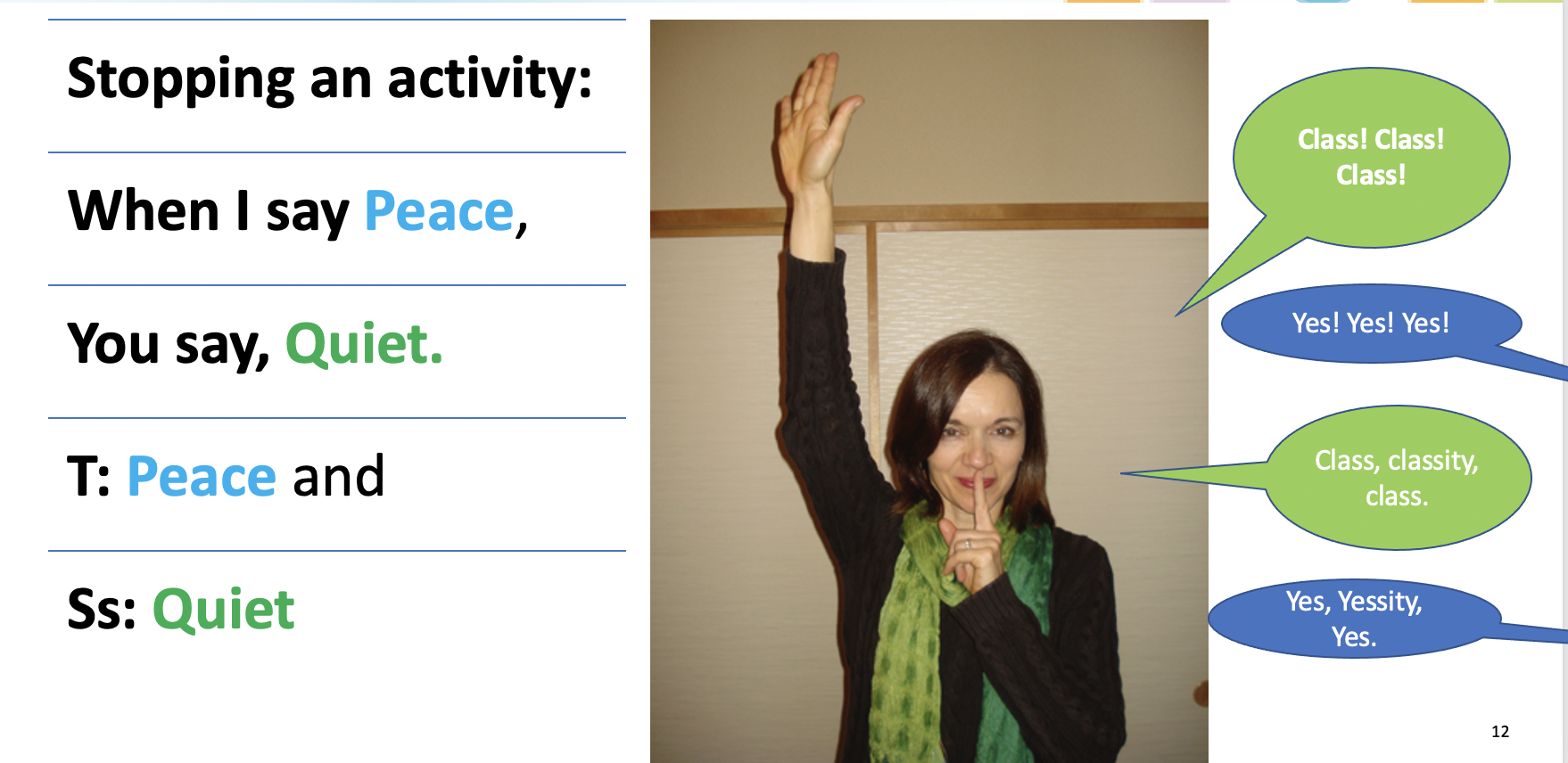
To gesture “peace” you can make a Peace sign with two fingers up. Alternatively, you can just raise your hand.

To gesture “quiet,” put your finger to your lips.

When I say, Peace, you say Quiet. Peace and Quiet.
3. Add a little rhythm and vocal expression to get attention.

Teachers at my school loved this way of getting students’ attention. Nina Septina shared this at the JALT 2023 conference.

a. Echo the same rhythm saying the word, Yes! Change the rhythm, the tempo, your voice, etc.

T: Class, class, class.                                             Echo: Yes, yes, yes!

T: Class, classity, class.                                         Echo: Yes, yessity, yes!

T: (fast) Class, class, class, class, class.             Echo: (fast) Yes, yes, yes, yes, yes.

T: (whisper) Class, class, class.                           Echo: (whisper) Yes, yes, yes!

b. Rhythm Clap (copyright © 2012 by Kathleen Kampa and Charles Vilina)

(Clap on every syllable. Students echo your clap.)

I   like    ba-na-nas.      (I   like    ba-na-nas.)

I   like   po-ta-toes.        (I   like   po-ta-toes.)

I   like   to-ma-toes.     (I   like   to-ma-toes.)

4.   How about trying some rhyming conversations?  These help your students develop phonemic awareness too!

Smiling boy posing in front of a wall

My Grade One students love “Hands on Top.”

The teacher says,  Hands on top! (put your hands on top of your head)

The students answer, That means “Stop!” (students do the same)

One, Two, Three, Eyes on Me is another rhyming conversation.

The teacher sings, “One, two, three, eyes on me.”  (so-so, mi, so-so, mi)

Hold up fingers as if you’re counting to three.  Point to yourself.

The students answer, “One, two, eyes on you!”(so, mi, so-so, mi)

Hold up fingers as if you’re counting to two.  Students point to the teacher.

My students can do “Peace and Quiet” (above) by putting two fingers in the air (peace) and one finger to their lips (quiet).

5. How about fun phrases? 

T: Peanut, peanut butter ——-Ss: JELLY.

T: Macaroni and cheese . . . Ss: everybody freeze!

T: Hocus pocus.  Ss: Everybody focus!

Check out more fun attention-getters here from Jenn at The Teacher Next Door.

6.  How about making butterfly wings? 
images-1

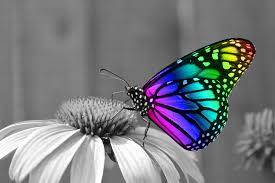
I love to pretend with my very young students.  Say, Let’s make butterfly wings. What color are your wings today?”  Pretend to paint each arm by gently rubbing it and naming a color.   i.e  This wing is pink, but this one is purple.

Raise and lower your arms to your sides as if you’re flying. Inhale and exhale.

7. Calm students with this breathing activity called “Candles.”

Finally, inhale while raising your arms from your sides to above your head. Put your hands together above your head, then bring them down in front of you.  Exhale when your hands are in front of your mouth.  This is an effective way to calm students after a lively activity. The teachers I worked with in Tokyo loved the way this activity quickly quieted my students.

Remember to practice your strategies first. Add new strategies little by little. Having some strategies in place will help your classes run smoothly.

If you’re looking for Class Management Songs for Kids, check out this collection on Spotify.

Kathy Kampa loves to bring joy to the world through her children’s music. She is passionate about making learning engaging for young learners. You’ll find more resources on Kathy’s YouTube page.
It’s Leap Year–Let’s Leap!!

Featured

If you teach young learners, you know that they love to move! As teachers, we can provide opportunities for children to explore movement in bigger spaces. What kinds of movement should we practice with young learners? We’re going to explore LOCOMOTOR MOVEMENTS. Locomotor movements are not done in one place; children move from one place to another. You might know these as “gross motor movements.”

Add some Locomotor Movements to your Leap Year / Leap Day celebrations!

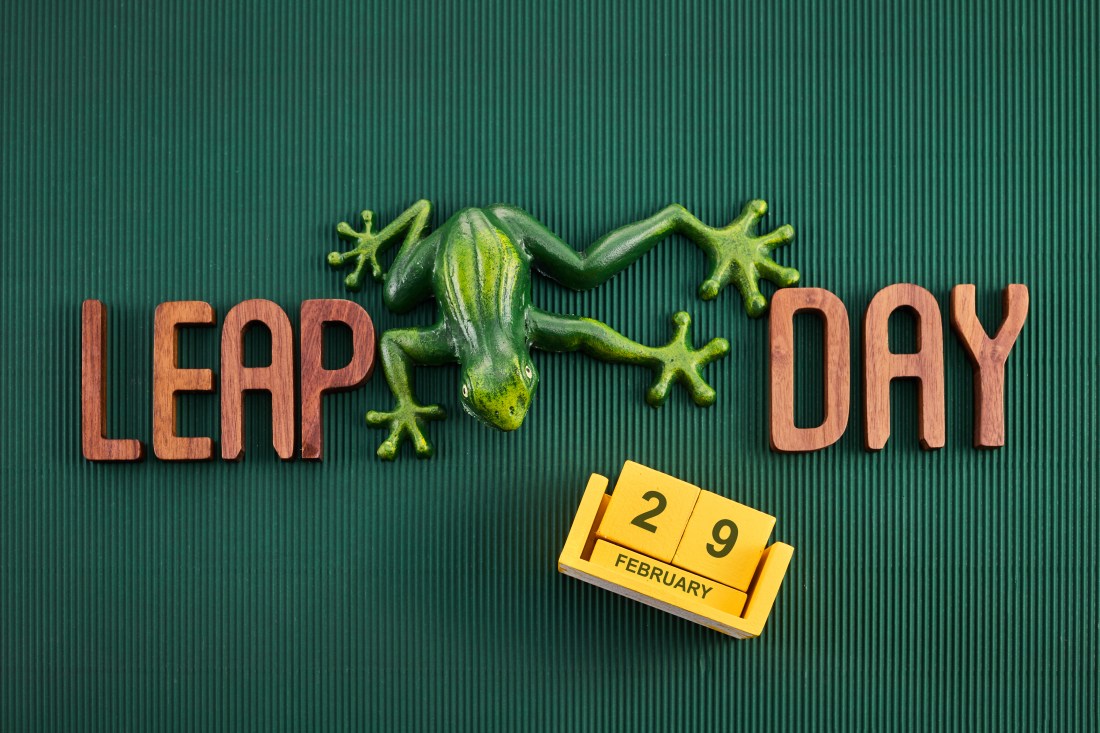
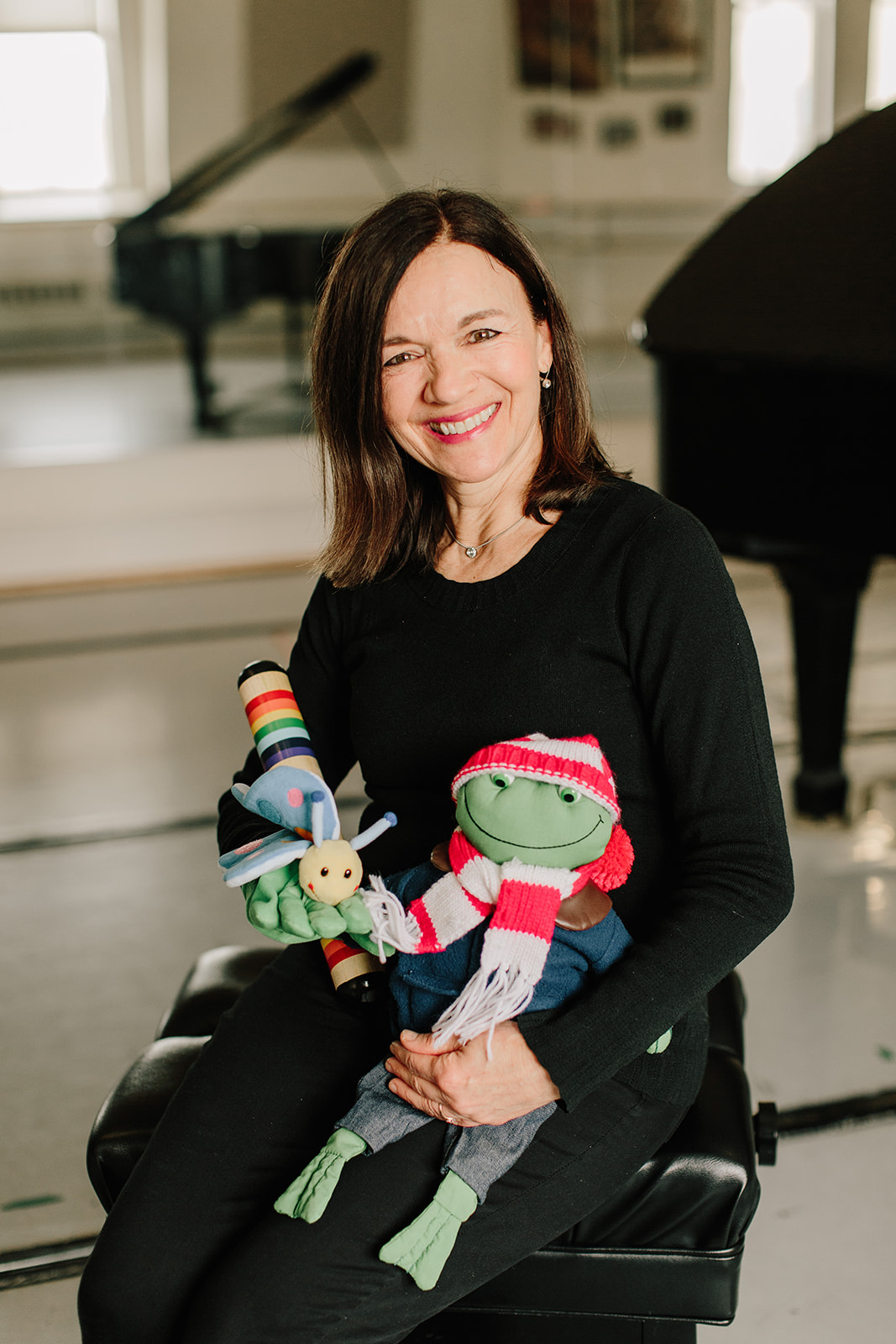
Happy Leap Day on 29 February with Jumping Frog.

LOCOMOTOR MOVEMENTS.

If this is the first time your students are doing these types of movements, I recommend practicing them. Make sure that your students have ample room to move. Then, say each locomotor movement word and have students move with you before playing the music.

Alternatively, you can dive right in! Put on the music and move with your students around a circle. Model each of the movements.

If your students are used to doing movement, they can move freely around the space. Here are the locomotor movements used in the song.

walk. Use your imagination! Walk with a puppy or an elephant. Walk like a dinosaur or a princess. Walk happily!

march. Pick up your knees. Imagine that you’re playing a big drum.

tiptoe. Sh! Lift up your heels and move quietly. Maybe someone or something is sleeping.

gallop. Put your hands behind your back to make a tail. Gallop like a horse.

skip. Skipping is like a step and a hop. It can be a little challenging for young learners. Once children learn it, they’ll love skipping.

jump. Jumping is moving off of both feet at the same time. You can jump in different ways–jumping feet apart and together, turning around, or jumping super high! You can jump forward or backward.

hop. Hopping is like jumping, but you have to move by balancing on one foot. If one foot gets tired, just change to the other foot. You can hop in a straight line, a zigzag line, or even in your own circle.

leap. Imagine having to leap over a big puddle. Swing one foot out and fly in the air! You can put things on the floor to leap over, such as beanbags, small hula hoops, or spots

Now practice the letters and their sounds.

In this song, we’ll be making the letter shapes. If your students don’t know these letter sounds, try this.

When I first teach letters and their corresponding sounds to young learners, I like to use the Montessori approach with the Montessori Three-Period Lesson.

Step 1: Choose two letters to introduce. This sound is /m/. This sound is /t/.

We can show students things that begin with these two sounds, such as . . .

Mm: milk, monkey, mouse, mother, mirror, me

Tt: table, tail, teacher, teddy bear, tiger, T-shirt, toy

Step 2: Point to /m/. Point to /t/.

Step 3: What’s this? It’s /m/. It’s /t/.

What sound does monkey start with?

What sounds does tiger start with?

Movement

We can also do movement to practice letter sounds and their corresponding shapes.

Here are Melissa Bailey’s Moving Little Letters flashcards. The cards connect movement with letter sounds. Check out her beautiful work.

My young learners really love to make letter shapes. They visualize the letters in their heads and create their own ideas. If your students need ideas, here are some images for you. The images at the right are from the Phonics Section of our course, Magic Time Two by Oxford University Press. We believe that children learn best by having opportunities to move their bodies. It provides an MI (Multiple Intelligences/ kinesthetic) approach.

The additional photos included below are of my students. I hope that they inspire your imagination and creativity. So . . . make shapes with your fingers, arms, whole body, or a partner. Sit. Stand. Lie down.

When you demonstrate to your students, imagine that you are the letter on the whiteboard. Make the letter from that perspective. What does it look like?

I always write the letters on my board to help my students visualize the letter shape. I don’t worry if their letters look reversed. From their perspective, it’s probably okay. Have fun creating letters in different ways.

Song

This song comes from my album Jump Jump Everyone. You can find it on iTunes as well as other streaming sites. You’ll find the Spotify link below.

Here are the lyrics for the first verse. The recording will tell you what’s coming next. Great listening activity! Refer to the locomotor movement list above if you really want to know what’s coming next.

We’re walking all around. We’re walking all around.

Walking, walking.

We’re walking all around.

We’re walking all around. We’re walking all around.

Get ready! Get ready!

Make the letter Ww. /w/ /w/ /w/.

It looks like I might be making the letter i! Or the letter j if you could see my feet!

Songwriter Kathy Kampa is a passionate educator of young learners. She seeks to nurture children’s imaginations and spark creativity through fun and engaging activities. Kathy believes that music and movement should be a part of every young child’s education. Kathy’s songs for kids (Kathy Kampa’s Special Days and Holidays and Jump Jump Everyone) are available on iTunes.

Kathy uses a globally-minded and inquiry-based approach to teaching through which students develop 21st-century skills. She also supports the development of English language skills by creating songs, chants, and TPR/movement activities targeted to young learners’ needs. Kathy is an author and teacher-trainer with Oxford University Press. She is delighted to be teaching young learners in her hometown.

Spotify:

Here are some Google slides, just in case you want to use them in your classroom.

Secrets to Teaching Songs in Young Learner English classes

Featured

If you teach young learners, you probably use chants and songs in your class. But how do you teach them to use them most effectively?

Each song we use has different challenges and is magical in its own unique way. Your challenge is to find that unique magic and share it with your students.

Do you know the secrets to teaching songs to young learners? You'll find helpful tips here.

I’m sharing an example from my online Zoom class with English students in Japan to help you see what we did with songs. Today we’ll look at the first song in this video called She Has a Shirt, from Magic Time 2.

Let’s talk about the parts of the lesson that lead up to the first song in this video. Magic Time, Unit 6 lesson takes place in a jungle where everyone has packed their clothing for the trip. In a Magic Time lesson, students first learn the six new vocabulary words (shirt, skirt, cap, dress, jacket, sweater). I like to introduce this vocabulary by making it magical, such as using a suitcase to hide the clothing items or the picture cards. The students are surprised to see them. In the textbook, students search for the vocabulary items in the double-page spread and practice the words in a chant. In the final listening activity, I invite students to predict which number will be said. They say, “I think number one is ________,” and put their eraser on that picture in their book. Then they write the number. This continues until all six numbers have been called. This activity pushes output from an early stage. The kids love it! We play additional games, too.

In the next lesson, students add the grammar paradigm: She/ He has a _________. When I’m in a classroom with the students, I make a rebus sentence using the grammar paradigm and the picture cards.

Now that the students have practiced the vocabulary and grammar, they’re ready to sing the song. Make sure that you listen to the song before you teach it. The first time my students listen to the song, they’re looking at the images in their book. The second time we add movements. You can see the students pointing to their clothing, too. They really love the silly monkey part.

The children really loved this song. It helped them use the vocabulary naturally. What makes this work?

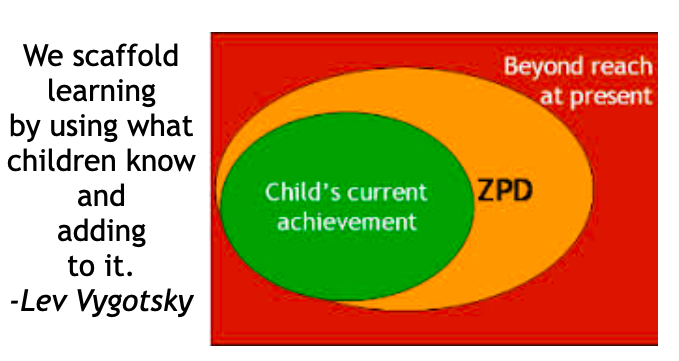
First of all, the language was gently scaffolded. Students had an achievable step. This is called the Zone of Proximal Development.

Next, the language was taught in a variety of ways. On the right, you can see the “Multiple Intelligences Pizza.” This theory was developed by Dr. Howard Gardner and adapted for the classroom by Dr. Thomas Armstrong. Some teachers have used this theory to look at students’ talents. I use it, however, for planning varied ways to teach my lesson. In our lesson, students looked at pictures (individually and in context), followed patterns, explored musical songs and chants, and moved their bodies. They learned alone and played games with their classmates. Learning like this provides repetition that is varied and engaging. When you use MI (Multiple Intelligences) strategies, you create variety in your lessons. 

Remember: Repetition, Repetition, VARIATION.

Last of all, making learning a positive experience is a very important aspect of learning. To nurture students’ imaginations and fun, use hands-on materials, including picture cards, stuffed animals, puppets, instruments, beanbags, scarves, and found items.

Songs build fluency. Games build on the language taught in class. This dice game is so much fun and builds fluency along with reading skills. You can see the children rolling the dice, adding the sight words, then reading the sentence. This activity creates some funny sentences, such as “He has a dress.” (dice pattern in MT 2 Teachers’ book). Alternatively, you can use picture cards. Students turn over one of the character cards, choosing he or she. Then the student adds “has a,” followed by another vocabulary picture card (i.e. shirt).

Just a note that before students go home, I like to play the song again. Create the chance fo students to catch SSIYH, the “song stuck in your head” phenomenon. Good songs are easy for students to repeat. Repetition helps, too. Students will sing independently and happily.

Do you have a secret to teaching songs? Let us know at magictimekids@gmail.com. We’d love to hear from you!

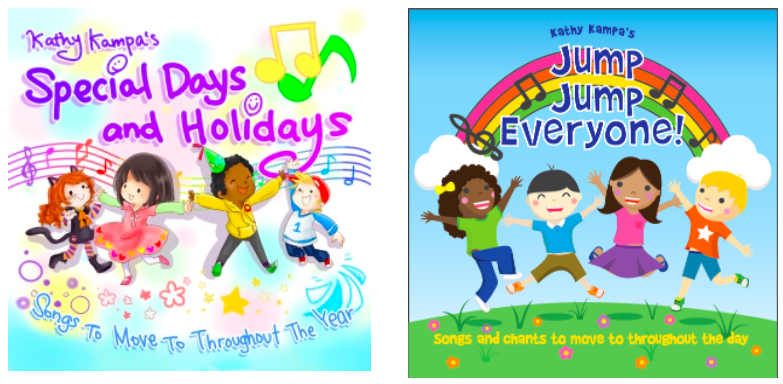
Kathy loves to write music for children. If you’re looking for songs for little ones, check out these two CDs, available on iTunes.

Kathy Kampa is a passionate educator of young learners. She seeks to nurture children’s imaginations and spark creativity through fun and engaging activities. Kathy believes that music and movement should be a part of every young child’s learning.

Kathy and her husband Chuck are co-authors of Magic Time, Everybody Up, Oxford Discover, and Beehive (published by Oxford University Press). They have been teaching young learners in Tokyo, Japan for 30 years. Kathy and Chuck also active as teacher trainers, inspiring teachers around the world. They have currently returned to their home state of Minnesota in the US.

If you’re interested in more of Kathy’s work, check out her YouTube channel at Kathy Kampa. Kathy has collected numerous activities to link with her here on Pinterest.

Share this:

-.

Let’s Celebrate the New Year 2021!

images-1 Happy New Year 2021! We have celebrated O-shogatsu (New Year’s) with toshikoshi soba and o-sechi ryori, traditional New Year’s foods.  A couple of days ago my friend Kumi stopped by with her children. They had the song “Happy New Year” playing in their car. It fun to hear them singing along with with it. What a precious moment!! When our son Christian was in elementary school, he started playing this simple melody on our piano.  Now he’s grown up and is acting in Hollywood! I love this recording with Christian and my husband Chuck singing it at home for you:.
 

Happy New Year

Words and Music by Christian Vilina and Kathleen Kampa  © 2013

Happy New Year!  Happy New Year!

Happy New Year!  Happy New Year!

Happy New Year!  Happy New Year!

Happy New Year!  Hip hip hooray!

How should we move with this song? When students first listen to the song, they might like to jump, march, or twirl around.

When I first teach the words to this song, students keep a “steady beat” by patting their legs or clapping their hands. Then, to make it a little more challenging, students can create a pattern by patting their legs once, then clapping their hands. Think “pat-clap-pat-clap” or “down-up-down-up.” Do this for the first three lines.

We like to do something special on the last line:

—  On Happy New Year!  my students like to shake their hands above their heads. Some students like to turn around quickly!

—  On Hip hip hooray! students roll their hands, then jump once in place.

For an even bigger challenge, students can do the pat-clap pattern with a partner by patting their own legs, and then “air clapping” both hands with a partner.

Check out this pre-COVID video to see what my students did a couple of years ago! Students stand in a circle facing their partner. First they pat their own legs, then clap with their partner. Then they turn to the person on the other side (called a “corner” in folk dance), repeating the pat-clap. They repeat the pattern with their partner, then corner until the Hip hip hooray

With COVID protocols in place, I’m going to revise this activity. Every student has a set of sticks, so I’m going to experiment using sticks like the Indian Dandiya dance. This will give students a chance to interact with a partner at a distance. Perhaps you have an idea for adapting this? 

Happy New Year 2021!  So perhaps you’re not singing with your students. Remember my chant.Screen Shot 2021-01-05 at 17.13.38

We hope that you keep a song in your heart and a smile on your face. May this year be filled with lots of joy!

Kathy

Special Days and HolidaysHappy New Year is one of 15 great songs for kids on Kathy Kampa’s Special Days and Holidays. The CD includes a handy attached booklet with lyrics, and is available for teachers in Japan at ETJ Book Service.
For teachers residing outside of Japan, the songs are available for download through iTunes. To hear the studio version of this song, go to iTunes, and click on Track #3. CDs are also available for sale through the Mad Robin Music & Dance in Seattle, WA.


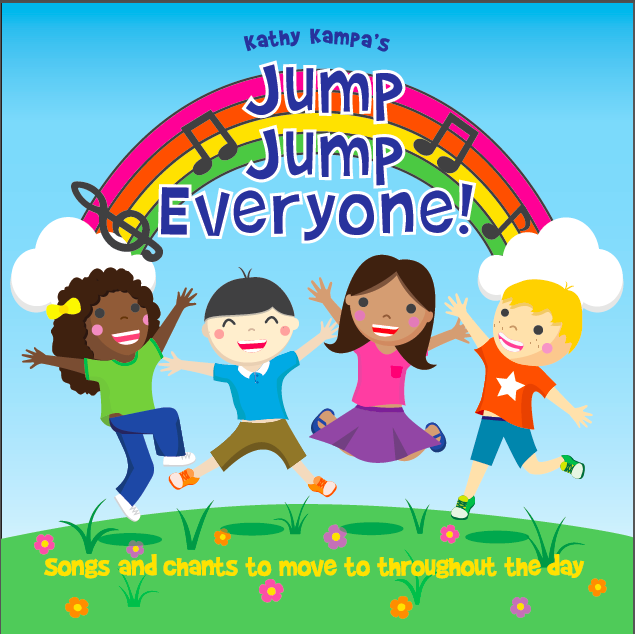
Kathy’s second CD Jump Jump Everyone is filled with songs to get students moving! Songs and chants build Cover screen shotEnglish language skills through simple movement activities. They nurture a child’s imagination and creativity.  There are beautiful seasonal songs, lively gross motor movement songs, plus effective transitional songs. Grab a scarf and play along. Grown in the young learner classroom, you’ll find that your children will ask for these songs over and over again.

 

Run, Run, Run!

happy kids , jumping
I teach very young learners. I love the energy that these students bring to my class!  The question is how to harness that energy productively.  This chant from Magic Time One 2nd edition (OUP) is perfect for very young learners.

In the lessons prior to this, students learned about various pets, such as cat, dog, rabbit, bird, turtle, and frog.  (Actually the artwork shows additional pets that the children find in the pictures). The four verbs in this lesson are jump, run, hop, fly.

First of all, students practice each of the four verbs–jump, run, hop, fly–standing in one place.  It’s also important for young learners to learn “Stop!”  It’s fun to make it a game by saying these verbs several times (Jump! Jump! Jump!), and then “Stop!”  You can do this with music by starting and stopping the music.  When my students, they love to make interesting poses, too.

Secondly, put these four words into the chant pattern.  I like to do this as a fingerplay sitting with the students.

For jump, place two fingers in your palm, then pretend to “jump.”

For run, make your fingers move quickly in your palm.

For hop, place one finger in your palm, then pretend to “hop.”

For fly, move your fingers in the air.

You can place the four picture cards in the order of the song like this.  Put the three verbs in one row, and run in another.

Jump           Hop                Fly

              Run

You can see in the video that my students matched the animals to the picture cards.

Run, Run, Run! from Magic Time One 2e Unit 10

Jump! Jump! Run, run, run!

Jump! Jump! Run, run, run!

Jump! Jump! Run, run, run!

Jump! Jump! Stop!

Change jump to hop.  Then change to fly.

Here’s a video of some of my very young learners performing this chant.

Students extend this language by putting it into the phrase, It can _______.  Students are then able to talk about all of the pets they’ve learned about.

Have fun!!!