The Life Cycle of the Butterfly

Here in Minnesota, we’ve caught a glimpse of butterflies flying in our pollinator garden. It’s wonderful to see them!

You can teach your students about the butterfly life cycle in a CLIL lesson, or Content and Language Integrated Learning.  CLIL lessons link classroom content with vocabulary and grammar paradigms. We can bring the world of nature into our English lessons!

Butterfly life cycle stages illustration

Using the theory of Multiple Intelligences, you can use many ways for your students to learn. Use words to describe the pictures or puppets. Use music and follow the pattern in the chant. Move your fingers or whole body. Invite students to work together and come up with their own ideas. Notice how each part of the life cycle changes.
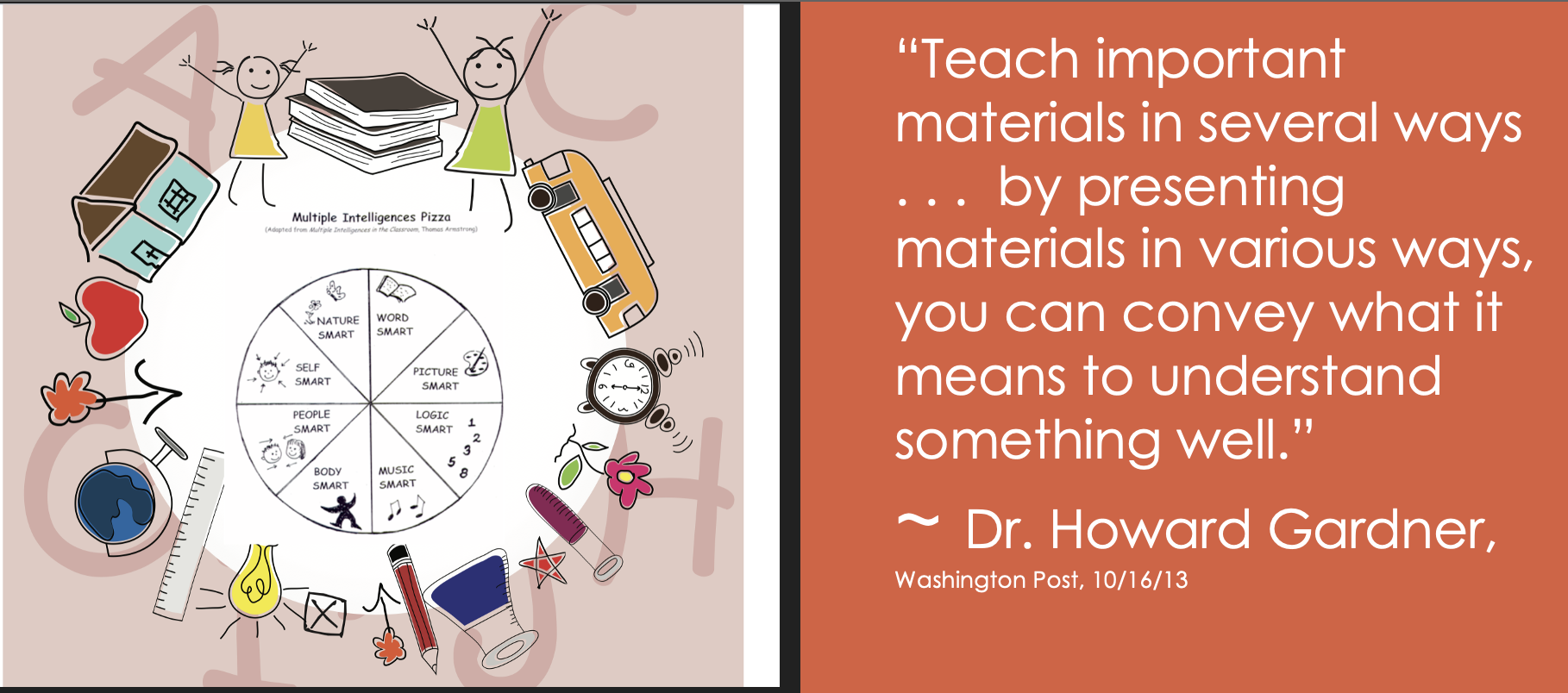
In addition, if you teach want to teach conceptually, consider the concept of “change.”  What changed in each part of the life cycle? (size, the way it moves, the way it looks, etc.)

Through this activity, students will:

 -know the names of the butterfly life cycle

create movements for each part, with their fingers, with whole body

perform a chant

recognize a life cycle 

Please refer to the illustration below as we go through the steps of the lesson.

1.  First, present the new language:

egg              caterpillar            chrysalis               butterfly

Butterfly life cycle drawings. pngYou may introduce the language using the picture card illustrations (right), or use these Google slides to show students beautiful images of the vocabulary.  It’s fun for students to find these life cycle images in the story of “The Very Hungry Caterpillar” by Eric Carle.

I often introduce the language with an egg shaker, a Folkmanis caterpillar puppet that changes into a butterfly, and a scarf (to be the chrysalis).  

2. Create finger shapes for each word.  The “fingerplay movements” below the illustrations will show you how, or use your imagination to create your own ideas.

3.  Say the chant using the finger movements.

 Tiny Egg Chant  (Butterfly Life Cycle Chant)

by Kathleen Kampa © 2013

Tiny egg, tiny egg  X  X  XX  X  (ch – ch- ch ch – ch)

Tiny egg, tiny egg  X  X  XX  X  (ch – ch- ch ch – ch)

Tiny egg, tiny egg  X  X  XX  X  (ch – ch- ch ch – ch)

1-2-3-4   LOOK!

Caterpillar, caterpillar X  X  XX  X  (ch – ch- ch ch – ch)

Caterpillar, caterpillar X  X  XX  X  (ch – ch- ch ch – ch)

Caterpillar, caterpillar X  X  XX  X  (ch – ch- ch ch – ch)

1-2-3-4  Look!

Chrysalis, chrysalis X  X  XX  X  (ch – ch- ch ch – ch)   (Repeat 3 times)

1-2-3-4  Look!

Butterfly, butterfly X X XX X  (ch – ch- ch ch – ch)   (Repeat 3 times)

Wait . . . .   Good-bye!

________________________Image courtesy of japanachai at FreeDigitalPhotos.net____________________

Here is a simple recording of the chant that you can use:

The professional recording can be found on Jump Jump Everyone.

4.  Finally, you can expand the activity by having students move to the chant using their whole body. Students can curl up to make tiny egg shapes, then wiggle about on their tummies as caterpillars. They can balance on one foot in a chrysalis shape. While students are balancing quietly, give each student one or two colorful scarves for butterfly wings.  Your students might enjoy moving around the room like butterflies.  I often play “Aviary” by Camille Saint-Saëns, or the Japanese song “Cho Cho.” I’ve also written a song called “Flitter Flutter Butterfly” that connects nicely with this. 

Video: Here are my young learners in Tokyo doing this chant with me.

______________________________________________________________

Through the power of CLIL, students have now experienced the life cycle of a butterfly in a meaningful, memorable way. They have embodied the vocabulary and will happily repeat this activity in future lessons.

You can transfer the idea of the butterfly life cycle to other animal life cycles, such as the frog life cycle. How does the frog change? How is this similar to the butterfly life cycle?

Let us know how this activity works in your classroom, and if you discovered any new ways to teach it!

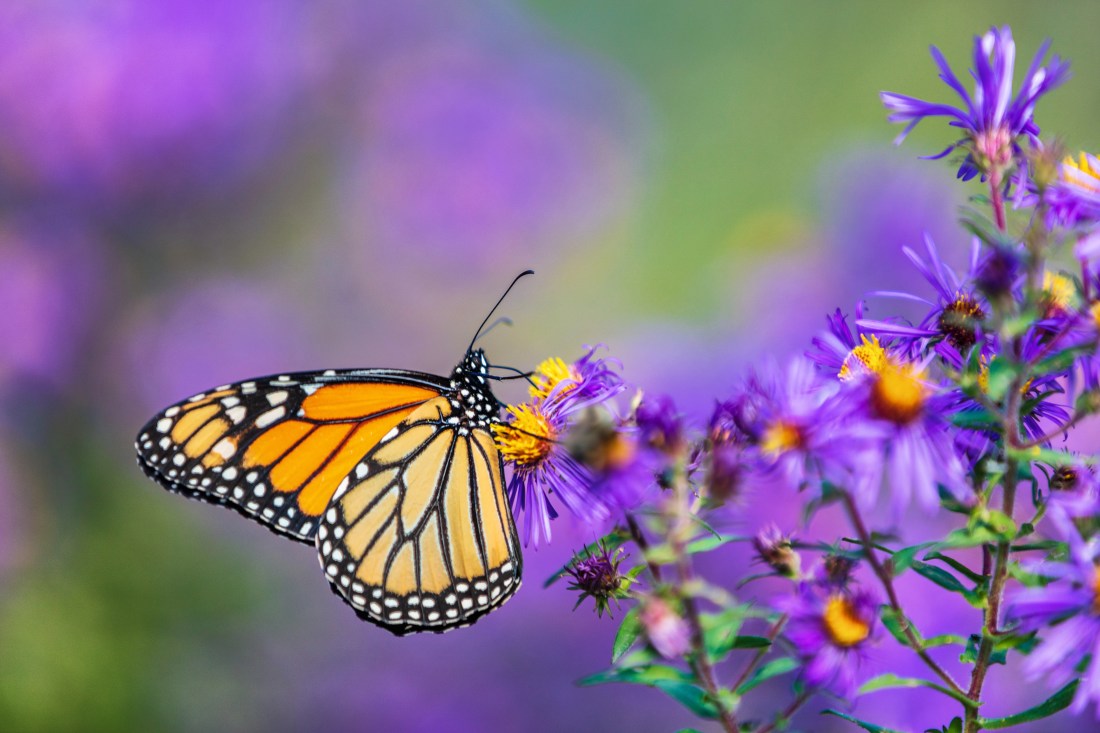
Here’s a beautiful visual of the gradual transformation. According to The Butterfly Lady, “When the Monarch caterpillar is ready to pupate it will spin a silk button, attach itself, and hang head-down in a “J” shape. The caterpillar will stay like this for around 24 hours. Shortly before the caterpillar is ready to shed their larval skin, it will straighten and the antennae will become ragged. The caterpillar wiggles to discard the skin and reveals the pupa (chrysalis).”

Inspire your students by teaching them the life cycle of the butterfly. This simple chant invites students to do fingerplay movement or use their whole body. You can find this beautiful chant by Kathy Kampa on Jump Jump Everyone.

Happy Teaching!

Kathy

Are you streaming music? Go to Spotify or Apple Music to find my music. You’ll find “Tiny Egg” and “Flitter Flutter Butterfly” on “Jump Jump Everyone.”
Jump Jump Everyone, my second album, is filled with many happy songs that have grown in my young learner classroom. The songs encourage children to move. Many songs link to classroom content. Children can dance like falling leaves, bloom like a spring flower, move through the butterfly life cycle . . . . you’ll find LOTS of fun and magic in this album.

Kathy Kampa loves to bring joy to the world through her children’s music. She is passionate about making learning engaging for young learners. You’ll find more resources on Kathy’s YouTube page.


Run, Run, Run!

happy kids , jumping
I teach very young learners. I love the energy that these students bring to my class!  The question is how to harness that energy productively.  This chant from Magic Time One 2nd edition (OUP) is perfect for very young learners.

In the lessons prior to this, students learned about various pets, such as cat, dog, rabbit, bird, turtle, and frog.  (Actually the artwork shows additional pets that the children find in the pictures). The four verbs in this lesson are jump, run, hop, fly.

First of all, students practice each of the four verbs–jump, run, hop, fly–standing in one place.  It’s also important for young learners to learn “Stop!”  It’s fun to make it a game by saying these verbs several times (Jump! Jump! Jump!), and then “Stop!”  You can do this with music by starting and stopping the music.  When my students, they love to make interesting poses, too.

Secondly, put these four words into the chant pattern.  I like to do this as a fingerplay sitting with the students.

For jump, place two fingers in your palm, then pretend to “jump.”

For run, make your fingers move quickly in your palm.

For hop, place one finger in your palm, then pretend to “hop.”

For fly, move your fingers in the air.

You can place the four picture cards in the order of the song like this.  Put the three verbs in one row, and run in another.

Jump           Hop                Fly

              Run

You can see in the video that my students matched the animals to the picture cards.

Run, Run, Run! from Magic Time One 2e Unit 10

Jump! Jump! Run, run, run!

Jump! Jump! Run, run, run!

Jump! Jump! Run, run, run!

Jump! Jump! Stop!

Change jump to hop.  Then change to fly.

Here’s a video of some of my very young learners performing this chant.

Students extend this language by putting it into the phrase, It can _______.  Students are then able to talk about all of the pets they’ve learned about.

Have fun!!!

What Day Is It?

happy children group in school
Students love to make letter shapes with their bodies.

Learning the names of the days of the week in English can be tricky.  For many of us, we teach our English class on the same day each week.  This song “What Day Is It?” is a fun way to practice the days of the week.

First of all, write a letter on the board or show a picture card.  Model making that letter with your fingers, arms, or whole body.  Make the letter so that students are able to read it. You might imagine how that letter would look when you write it on your whiteboard. Students will be able to “read” your letter. Invite students to make letters with you.  They might even make letters with the entire class! Try making letters in many different ways.

We started at the beginning of the alphabet.  Students made  A, a, and B, b (see B below).  In Magic Time (Oxford University Press) students have fun making letter shapes to learn the letter name and its sound.

Now write the names of the days of the week.  Run your finger under the word as you say it (Sunday). Point out the first letter. Encourage students to make that letter with their bodies in several ways.  Remind students that days of the week begin with capital letters. As you can see, sometimes the letters appear flipped around to us.  The important idea is that students are making the letter shapes.

I love to catch my students making their amazing letters by taking photos. Remember CCBA (Catch Children Being Amazing!)

Pass out the “days of the week” cards, one to each student. Students line up in order around the circle starting with Sunday.  Students make the initial letter shape as they sing  each day of the week.  When they sing “Tra la la la la” add a group movement, such as pat your knees, clap your own hands, clap your “neighbor’s” hands.

What Day Is It? 

from Magic Time Two, Unit 8, Use the Words

What day is it?

Today is Sunday.

Today is Sunday.

Today is Sunday.

Tra la la la la.

*repeat with the remaining days of the week

Here are some of my students demonstrating this song.  Come and join them!


Reading and Dancing Holiday Songs

DSC07486

It’s October and we’re busy singing and dancing to Halloween songs. My students love getting up and moving to a song! At this time of year, we’re marching like monsters, skipping like skeletons, waltzing like witches, and jumping like jack-o-lanterns. If you want to find more Halloween songs, you can find teaching notes for songs like “Marching Monsters” on earlier blogs on this site.

On this blog, however, I want to share a handout and flash cards made by my good friend Setsuko Toyama. Setsuko is a well-known teacher trainer and author in Japan. On her worksheet, students match the same initial sound of the words, an important skill in developing phonemic awareness. They also have fun playing with alliteration, words that begin with the same sound. Many American nursery rhymes feature alliteration.

Marching Monsters worksheet and flashcards

I like having my students do craft projects from time to time. While they’re busy creating their artwork, I play music to fit the holiday. Kathy Kampa’s Special Days and Holidays CD has several Halloween songs that children can easily sing along to for your Halloween parties.

Check out my Pinterest page for lots of Halloween craft activities.

Hop Along Easter Bunny (Dance)

In my last post, I explained two ways to teach this song. Here’s a video of my students sharing this dance with you. You can find the lyrics in my blog post “Hop Along Easter Bunny.” If you like this music, check out my CD Kathy Kampa’s Special Days and Holidays, available on iTunes and CD Baby.


Special Days and Holidays