If you teach young learners, you know that they love to move! In some classrooms, students need to move in a small space. You might have circle time with students standing on a spot. Your students might just stand beside their desks. This is a movement chant that you can do in ONE SPOT.
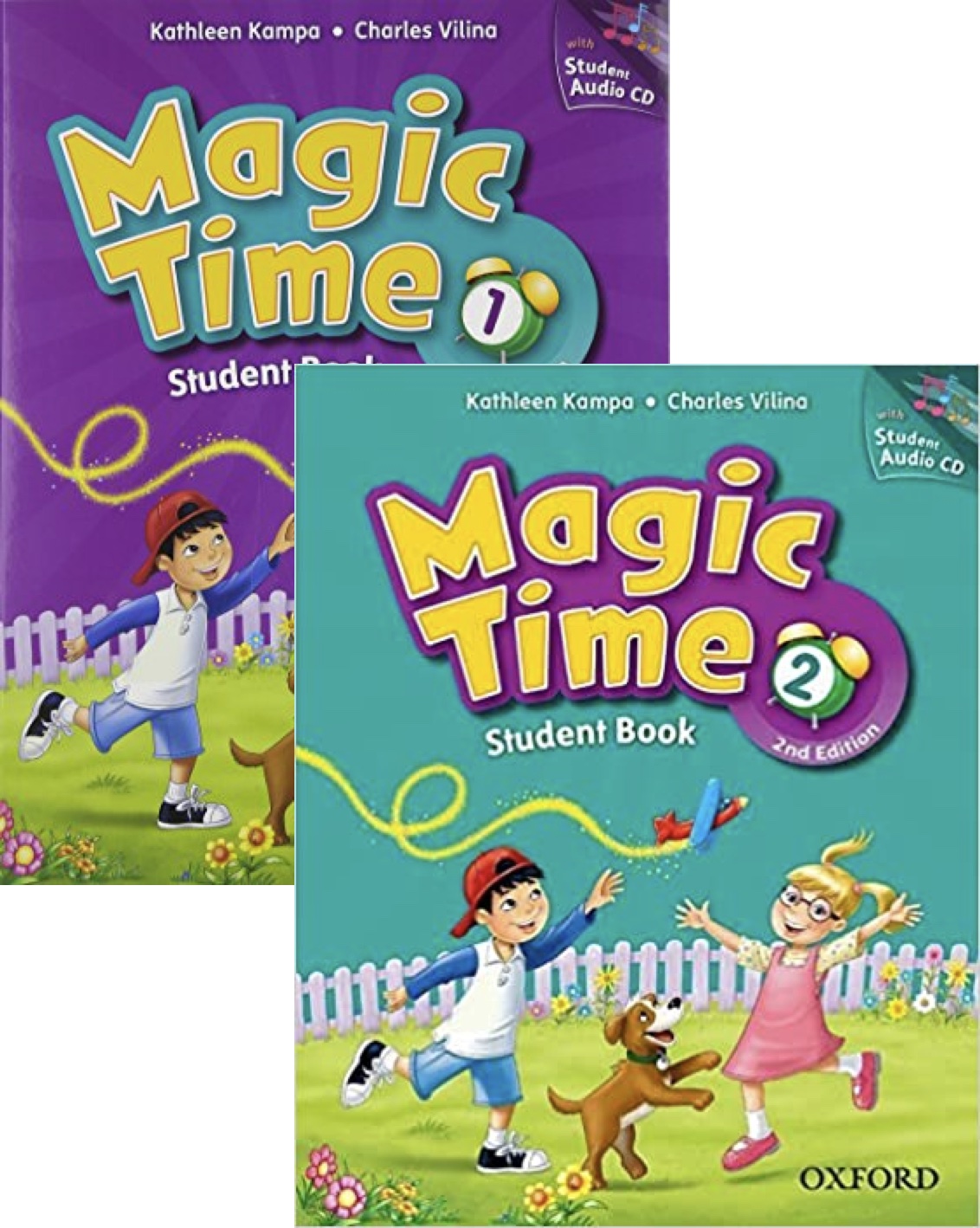
This chant comes from OUP’s Magic Time, Book One. There are just verbs–jump, run, hop, fly, stop. Once you and your students know the pattern, add your ideas. Here are some ideas: march, wiggle, twist, spin, stretch, bend, shake.
In Unit 10, students learned animal names. When they flip the page, the animals are moving. Here are the words to this simple chant.
Run, Run, Run
by Kathleen Kampa and Charles Vilina, Magic Time One
Jump! Jump! Run, run, run.
Jump! Jump! Run, run, run.
Jump! Jump! Run, run, run.
Jump! Jump! Stop!
The second time, substitute hop for the word jump.
Hop!Hop! Run, run, run. (3X)
Hop! Hop! Stop!
Last of all, substitute fly for the word hop.
Fly! Fly! Run, run, run. (3X)
Fly! Fly! Stop!
Students do all of the movements on their spot. When they say, Stop! they can make an interesting pose. Watch how my students create their own ideas.
We need to practice moving and stopping with our young learners. This develops their focus and self-control. Plus, it’s a fun activity for our little ones.
Here are my young learners in Tokyo, Japan. I placed the picture cards on the floor as a reminder of the order, similar to a rebus reading. This chant helps them practice their /r/ sound.
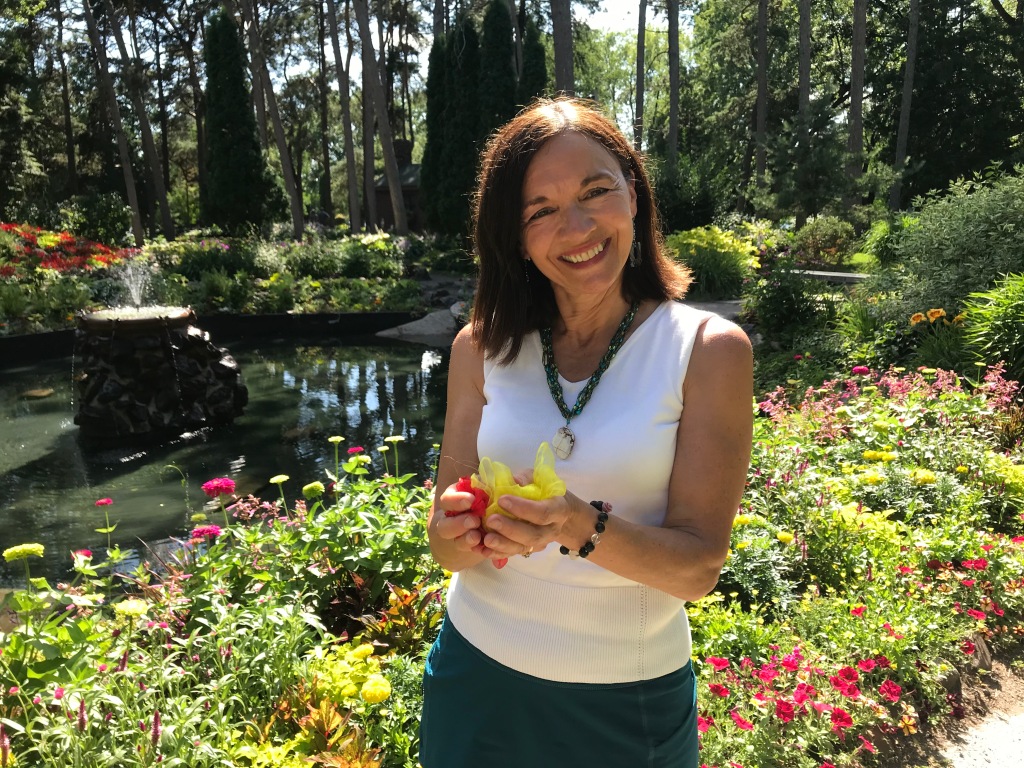
Songwriter Kathy Kampa is a passionate educator of young learners. She seeks to nurture children’s imaginations and spark creativity through fun and engaging activities. Kathy believes music and movement should be a part of every young child’s education.
Kathy uses a globally-minded and inquiry-based approach to teaching through which students develop 21st-century skills. She also supports the development of English language skills by creating songs, chants, and TPR/movement activities targeted to young learners’ needs. Kathy is an author and teacher-trainer with Oxford University Press. She is delighted to be teaching young learners in her hometown.
This chant comes from Magic Time 1, by Oxford University Press. Each lesson has a simple chant or song to practice the language. Many of these chants and songs invite children to move
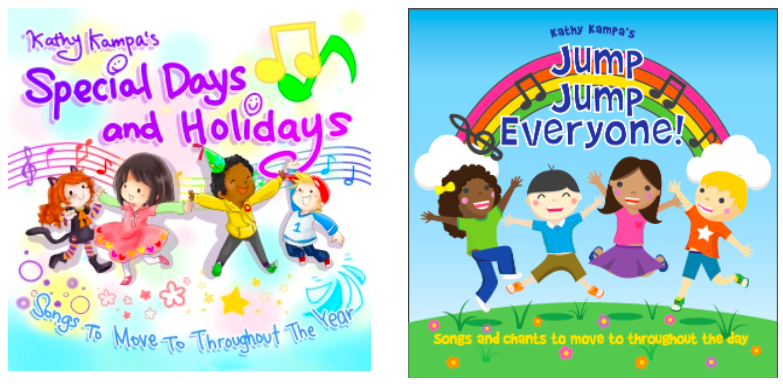
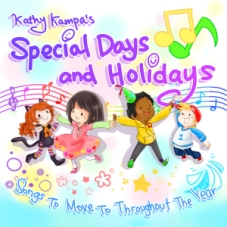
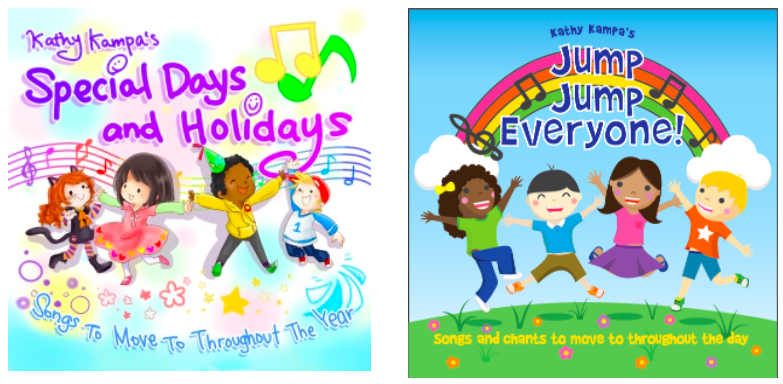
For more fun and engaging songs that have been loved by many kids, check out these albums. Kathy’s songs for kids (Kathy Kampa’s Special Days and Holidays and Jump Jump Everyone) are available on iTunes, Spotify, and other streaming services.
If you want a fun song to practice the sound /l/, this is for you! Looby Loo is a simple dance song. It encourages listening to the movement directions and dancing together as a group. It invites young learners to add their own ideas, too.
Check out the lyrics to this traditional song from Mother Goose.
Here we go looby loo,
Here we go looby light,
Here we go looby loo,
All on a Saturday night!
For my young students in Japan, distinguishing /r/ and /l/ can be challenging. This is a playful way to practice the /l/ sound. In addition, students hear the rhyming words, light and night.
The verses invite students to put one part of their body into the middle of the circle. For young learners, we choose body parts, like hands, feet, arms, legs, tummy, head, fingers,thumbs, etc.
Verses:
You put your hands in. You take (put) your hands out You give your hand/hands a shake, shake, shake (shake, shake, shake, shake . . . .) And turn yourself about!
To build learner agency, invite students to share their ideas.
All say: Think, think, think. Think, think, think. What should we do? Think, think, think. Think, think, think. What should we do?
Teacher: Should we put in our legs? Our thumbs? Our elbows?
Student:Legs. Let’s put our legs in the circle.
Here’s a video of my young learner class in Tokyo. These children range in age from three to six. They studied English once a week with me. Listen to how well they sing along! You can see how I’m prompting the next body part to sing about by naming and showing them two or three choices. You’ll also notice that we have a lot of fun shaking longer than the standard version of this song.
For older children, practice right and left with each body part. You may want to use less repetitions of the song.
For older students, it looks like this:
You put your right hand in. You take (put) your right hand out You give your hand a shake, shake, shake (shake, shake, shake, shake, shake, shake . . . .) And turn yourself about!
If you want to learn more about this song, check out the history of it here. The professional version of this song isn’t available yet.
About me:
Kathy Kampa is a passionate educator of young learners. She seeks to nurture children’s imaginations and spark creativity through fun and engaging activities. Kathy believes music and movement should be a part of every young child’s learning.
Kathy is the co-author of Magic Time, Everybody Up, Oxford Discover, Beehive, and Buzz (all published by Oxford University Press). She has taught young learners in Tokyo, Japan for over 30 years. Kathy is also active as a teacher trainer, inspiring teachers around the world. She has currently returned to her home state of Minnesota in the US.
If you’re interested in more of Kathy’s work, check out her YouTube channel at Kathy Kampa.
Are you streaming music? Go to Spotify or Apple Music to find Kathy’s music.
Kathy Kampa’s Special Days and Holidays has songs for the special events in children’s lives, including a loose tooth, birthdays, and many holidays.
Jump Jump Everyone is filled with many happy songs that have grown in my young learner classroom. The songs encourage children to move. Many songs link to classroom content. Children can dance like falling leaves, bloom like a spring flower, move through the butterfly life cycle . . . . you’ll find LOTS of fun and magic in this album.
For more action songs, check out this curated playlist.
If you’re starting a new school year or you’re experiencing the excitement of the end of the year, how do you get all of your students’ attention? Teachers need to guide students to prepare for learning at different times during a class, such as:
Beginning a lesson
Moving to a new space in your classroom
Introducing an activity
Checking in during an activity
Finishing an activity
First of all, with any strategy you use, you must practice it before you actually use it.
Secondly, the success of each strategy depends on you, your group of students, their age, and their disposition.
Lastly, choose one or two strategies to start. Figure out what works best. When you’re ready, add a new strategy.
1. Get attention with something that creates an interesting sound.
What do you have readily available in your classroom? A slide whistle is one of the most interesting sounds I have in my classroom. If you have a big group of students, it quickly gets their attention. Don’t have a slide whistle? How about a shaker, a tambourine, or a kazoo?
I love to pretend with my very young students. Say, Let’s make butterfly wings. What color are your wings today?” Pretend to paint each arm by gently rubbing it and naming a color. i.e This wing is pink, but this one is purple.
Raise and lower your arms to your sides as if you’re flying. Inhale and exhale.
7. Calm students with this breathing activity called “Candles.”
Finally, inhale while raising your arms from your sides to above your head. Put your hands together above your head, then bring them down in front of you. Exhale when your hands are in front of your mouth. This is an effective way to calm students after a lively activity. The teachers I worked with in Tokyo loved the way this activity quickly quieted my students.
Remember to practice your strategies first. Add new strategies little by little. Having some strategies in place will help your classes run smoothly.
If you’re looking for Class Management Songs for Kids, check out this collection on Spotify.
Kathy Kampa loves to bring joy to the world through her children’s music. She is passionate about making learning engaging for young learners. You’ll find more resources on Kathy’s YouTube page.
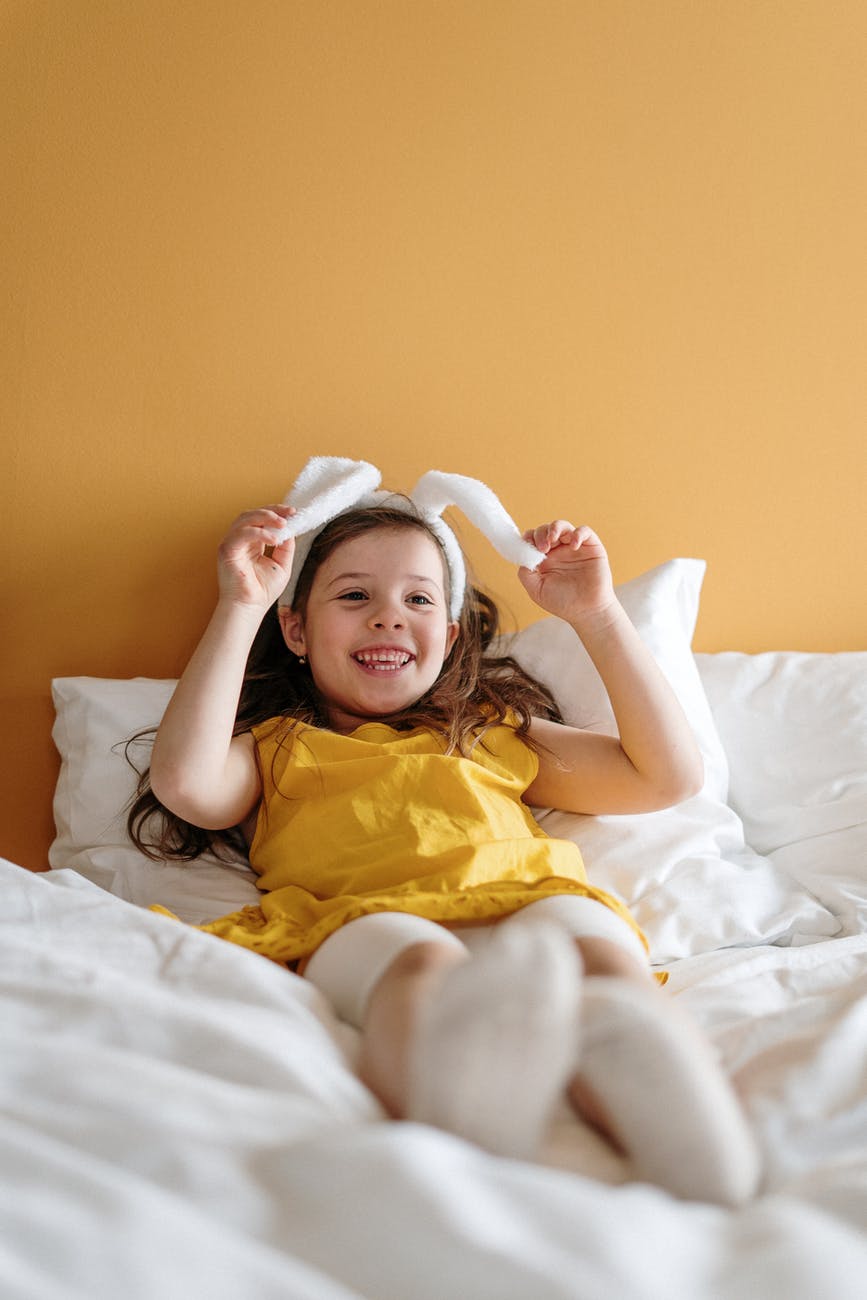
Let’s get hopping! Put on your bunny ears and do the Easter Bunny Hop.
Say to your students, Let’s pretend to be Easter Bunnies. Look at this picture.
Let’s pretend to be the Easter Bunny. We need . . .
Students may say, such as two long ears, two big feet, a bunny tail, bunny paws, and a bunny nose. This song teaches ears, feet, tail, tummy, and whole self as well as the directional movements in, out, and around. Students have a lot of fun jumping and shaking. There’s a slow version, followed by a fast one. It’s easy to just turn on the music and dance!
Students can stand in their spots or you can make a circle together. Sing Let’s Make A Circle. (Click here for this song.)
Here are the movements.
Say, Show me your Easter Bunny ears.
Put your bunny ears in. Put your bunny ears out.
Let’s shake our Easter Bunny ears.
Jump like a bunny. Then, turn around and say, Happy Easter!
Click here to watch the video of my former students dancing to this song. Grab the recording to listen to the entire song. It’s a great way to teach body parts and directional movements. Use this as a brain break, an energizer, or an Easter celebration son.
Easter Bunny Hop
Words by Kathy Kampa, Music Hokey Pokey
on Kathy Kampa’s Special Days and Holidays, available through iTunes
Slowly: You put your bunny ears in.
You put your bunny ears out.
You put your bunny ears in. And you shake them all about.
Shake, shake, shake, shake, shake, shake, shake!
Jump like a bunny. Jump, jump, jump!
Turn around and shout! Happy Easter!
Then sing quickly . . .
You put your bunny ears in.
You put your bunny ears out.
You put your bunny ears in. And you shake them all about.
Shake, shake, shake! (* three shakes!)
Jump like a bunny. Jump, jump, jump!
Turn around and shout! Happy Easter!
Repeat each verse slowly, then quickly with these body parts.
2. You put your bunny feet in.
3. You put your bunny tail in.
4. You put your bunny tummyin.
5. You put your whole self in.
Click here to get this song on iTunes on Kathy Kampa’s Special Days and Holidays, track #7. You can find it on Spotify and Apple Music, too.
Kathy Kampa loves to bring joy to the world through her children’s music. She is passionate about making learning engaging for young learners. You’ll find more resources on Kathy’s YouTube page.
After your young learners wiggle about, check out this quieting activity. This simple reproducible is from Julissa Mora. For more hands-on Easter resources, check out my Pinterest page.
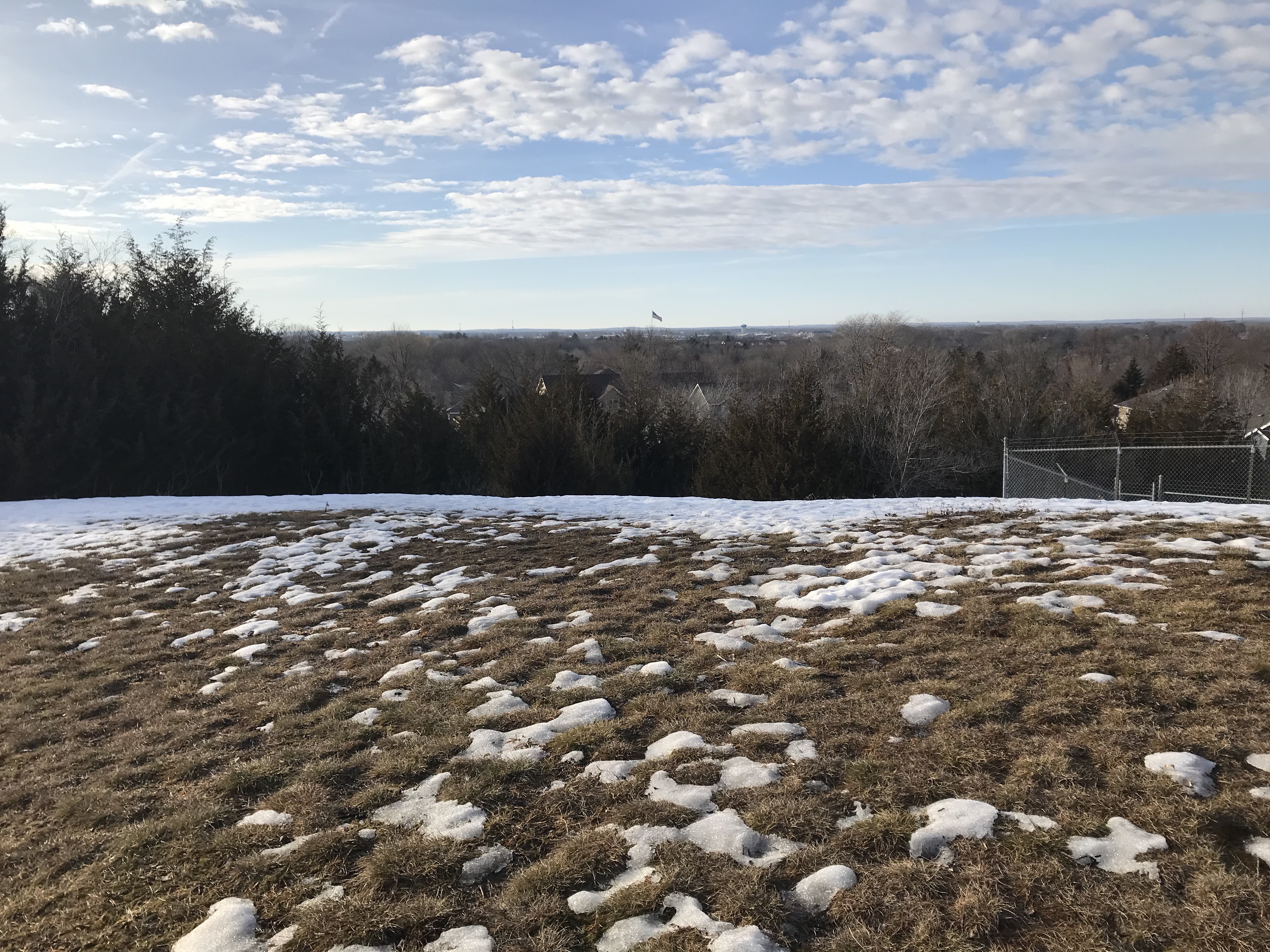
Here in the Northern Hemisphere, spring has officially begun. What does spring look like in Minnesota? The snow has been melting, so we can finally see the ground. It might even snow again tomorrow. Soon, however, we will see many signs of spring we’ve been waiting for!
Our favorite point to stop on our walk, St. Cloud, Minnesota, March, 2022
Many people take walks in my neighborhood. As they stroll past my window, I delight in watching the little ones. I often see them pointing at things–“Look! A butterfly! Look! A puppy!” Their chubby little fingers point to all of the wonderful things around them.
With that thought in mind, I wrote this song called “Hello Spring.” The melody comes from a traditional Scottish song I have always loved called “Ally Bally.” Imagine this song as a greeting to the many things one might see in the spring.
Hello Springlyrics by Kathy Kampa on Jump Jump Everyone
Hello, bluebirds. Hello, bumblebees.
Hello, red tulips. Hello, cherry trees.
Hello, warm sun. Hello, blue skies.
Hello, little ants and orange butterflies!
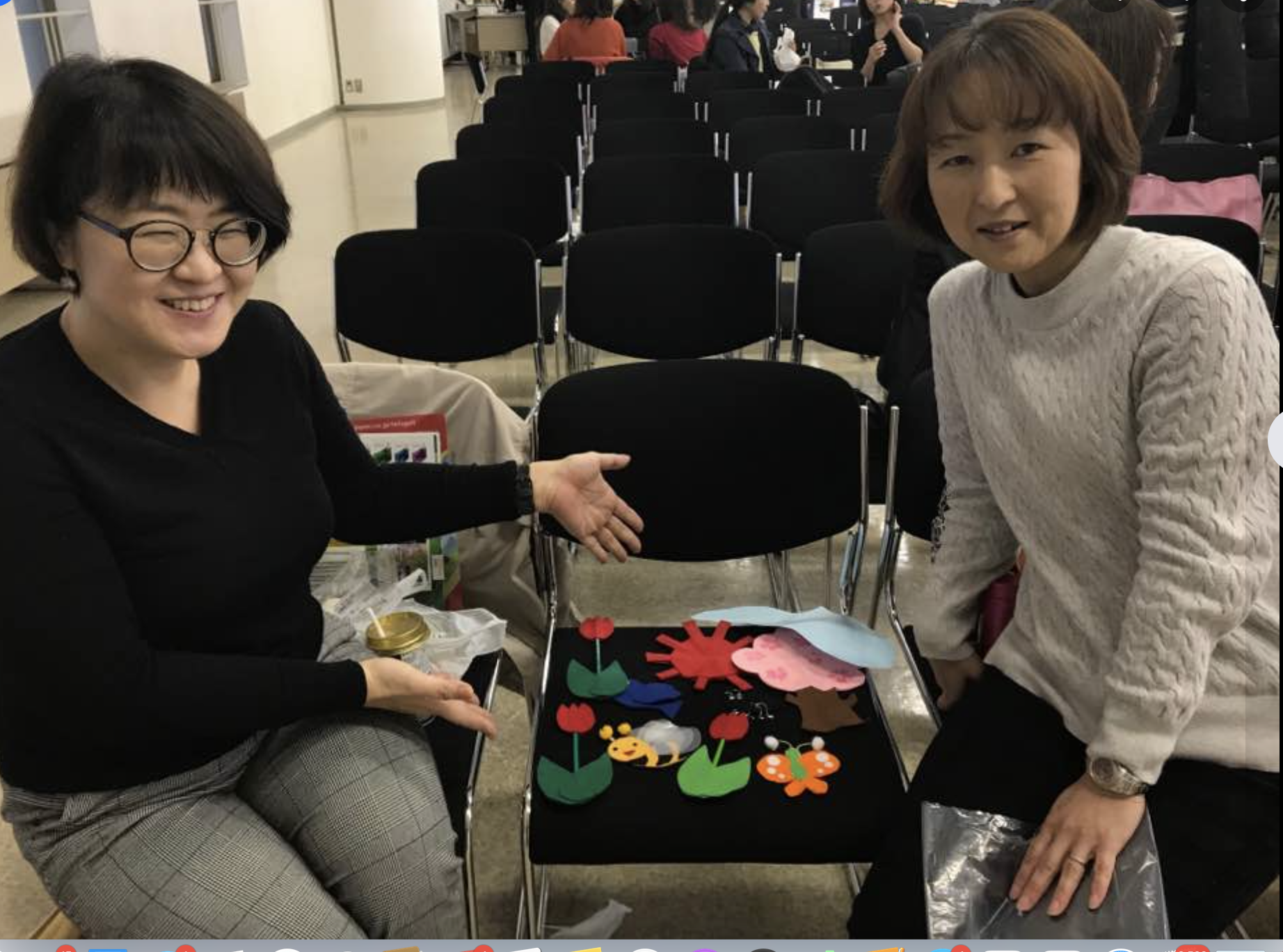
Teach students the vocabulary using the Google images here. You can also create felt images like these creative teachers in Japan.
2. Use my movements from the video, or create your own.
3. I sing the song one part at a time, and the children echo. Then we all sing together.
Feel free to create your own movements. If you’d like some movement ideas, check out my video. We filmed it in Tokyo, Japan at the start of the pandemic in 2020.
Special thanks go out to Andre DiMuzio for his beautiful arrangement. Thanks also to Connor McKeown and Christian Vilina for their help with this video.
As an extension to this song, you can create your own lyrics. Ask your students, What do you see in the spring? Arrange the words to create your version of the song. Listen closely to the syllables. so that your song will fit the melody and rhythm. Move the words around to choose the best idea.
They write, “Anyone who follows our page will already know that our tots looooveee found things So today we took a homemade heart canvas with us and added tape to make one side sticky. Every time we found something we liked – feathers, fallen petals, leaves, dandelion clocks, daises, etc., we added them to our canvas to create a beautiful floral heart We’re going to add tape to the open side and keep it up in the playroom so we can watch the changes to the flowers and petals “
My second album “Jump Jump Everyone” is filled with many happy songs that have grown in my young learner’s classroom. The songs build language with useful patterns and vocabulary. Many songs link to classroom content. There are numerous classroom management songs, too. Children can dance like falling leaves, bloom like a spring flower, move through the butterfly life cycle . . . . you’ll find LOTS of fun and magic in this album.
Happy teaching!
Kathy Kampa is a passionate educator of young learners. She seeks to nurture children’s imaginations and spark creativity through fun and engaging activities. Kathy believes music and movement should be a part of every young child’s learning.
Kathy and her husband Chuck have co-authored English language courses for young learners, including Magic Time, Everybody Up, Oxford Discover, Beehive, and Buzz (all published by Oxford University Press). They have also written English-language songs for Tokyo Shoseki. Kathy has taught young learners in Tokyo, Japan for 30 years. She has returned to her home state of Minnesota in the US where she continues to teach young learners.
Kathy is active as a teacher trainer, inspiring teachers around the world. Kathy presents workshops on English language education for children, including Growth Mindset, Multiple Intelligences strategies, inquiry-based learning, creativity, global skills, and music and movement.
If you’re interested in more of Kathy’s work, check out her YouTube channel at Kathy Kampa.
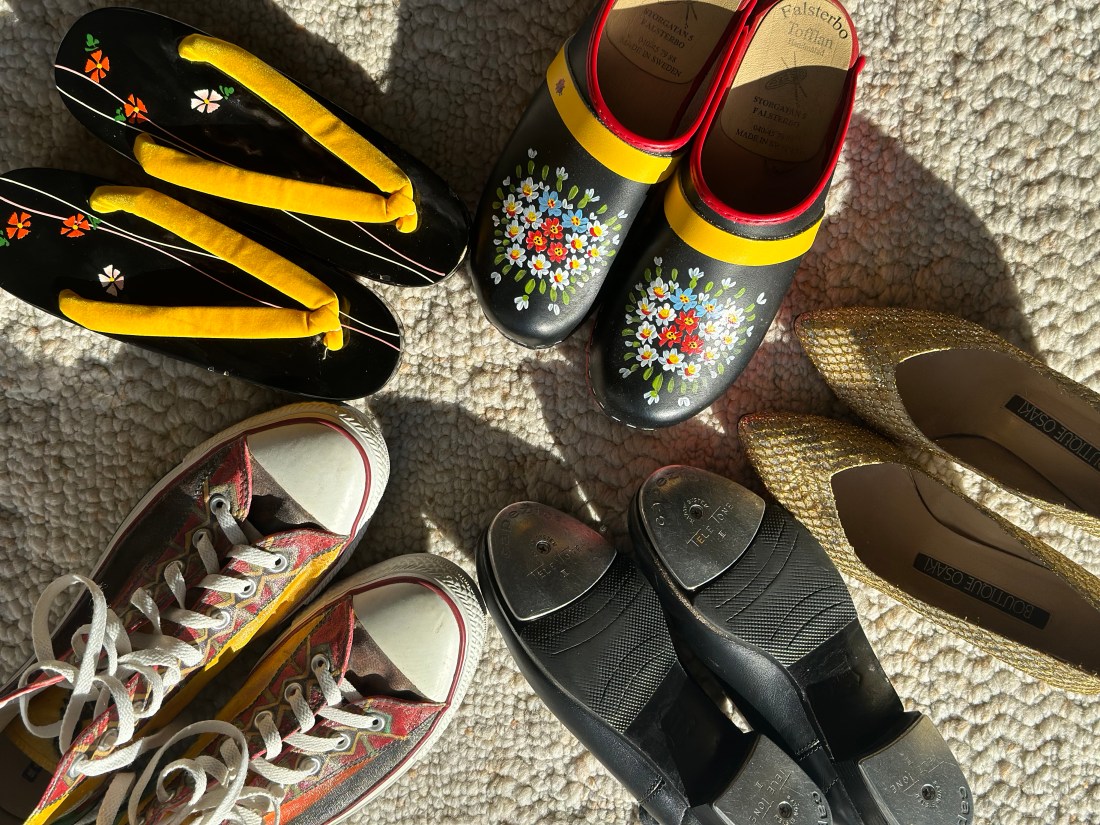
What kinds of shoes do you have in your closet? Well, I have some unique shoes. Take a look!
When I brought these shoes to young learners’ classes, they wondered where they came from and searched for the country on our big rug map. I shared stories of the places I had traveled to.
In the Shoemaker’s Dance by the Shenanigans, it’s fun for children to imagine many kinds of shoes. What kind of shoes would you like to wear? I begin by suggesting something like popcorn shoes. I show picture cards, such as the images below from Magic Time (OUP), or realia of the items.
These are the questions I ask:
What do we know aboutpopcorn?
What do you thinkpopcorn shoes would look like?
How would you move in them?
For example, popcorn has round edges. It surprises us when it pops. It’s light and bouncy. So, popcorn shoes might have soft, smooth edges. When you put them on, you might jump or hop.
How about rainbow shoes? What do we know about rainbows? We know that rainbows are colorful–red, orange, yellow, green, blue, indigo, and violet. Rainbow shoes will be filled with color. When you put them on, you might leap or find pots of leprechaun gold.
How about dinosaur shoes? What do we know about dinosaurs? Most dinosaurs are really big and powerful. When you put dinosaur shoes on, you might powerfully stomp your feet.
Butterfly shoes? They might have delicate wings. When you put them on, you can fly (well, we have to pretend!)
Spaghetti shoes? They might have lots of wiggly lines. When you put them on, you start to wiggle all over.
Puzzle shoes? They might have straight and curvy lines. When you put them on, your feet jump apart and together.
Birthday cake shoes? We may have to mix up the batter and add sprinkles. When you put them on, you might want to skip or dance. It’s your special day!
Unicorn shoes–a favorite of almost every class! They might have lots of beautiful colors. When you put them on, you gallop and soar in the sky.
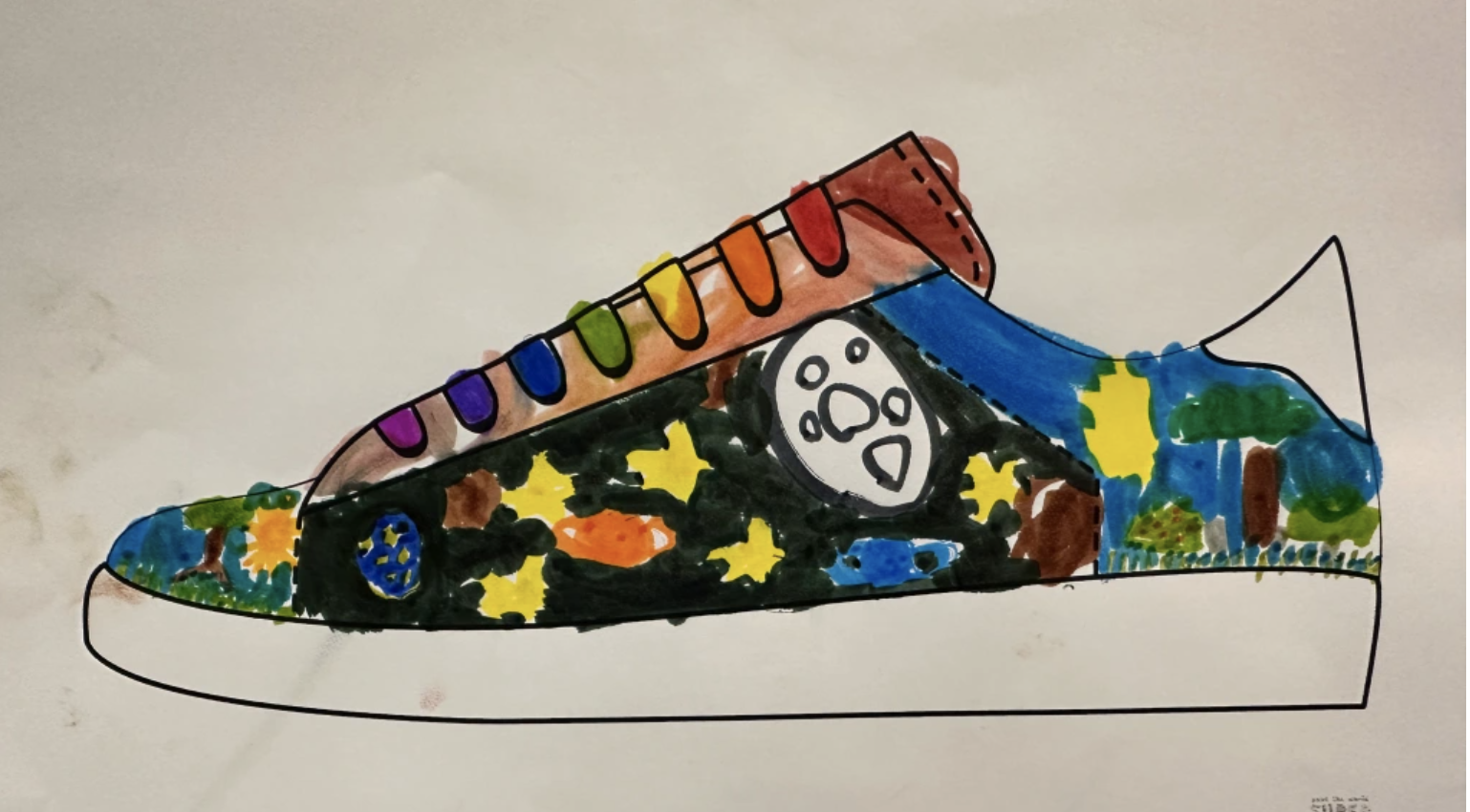
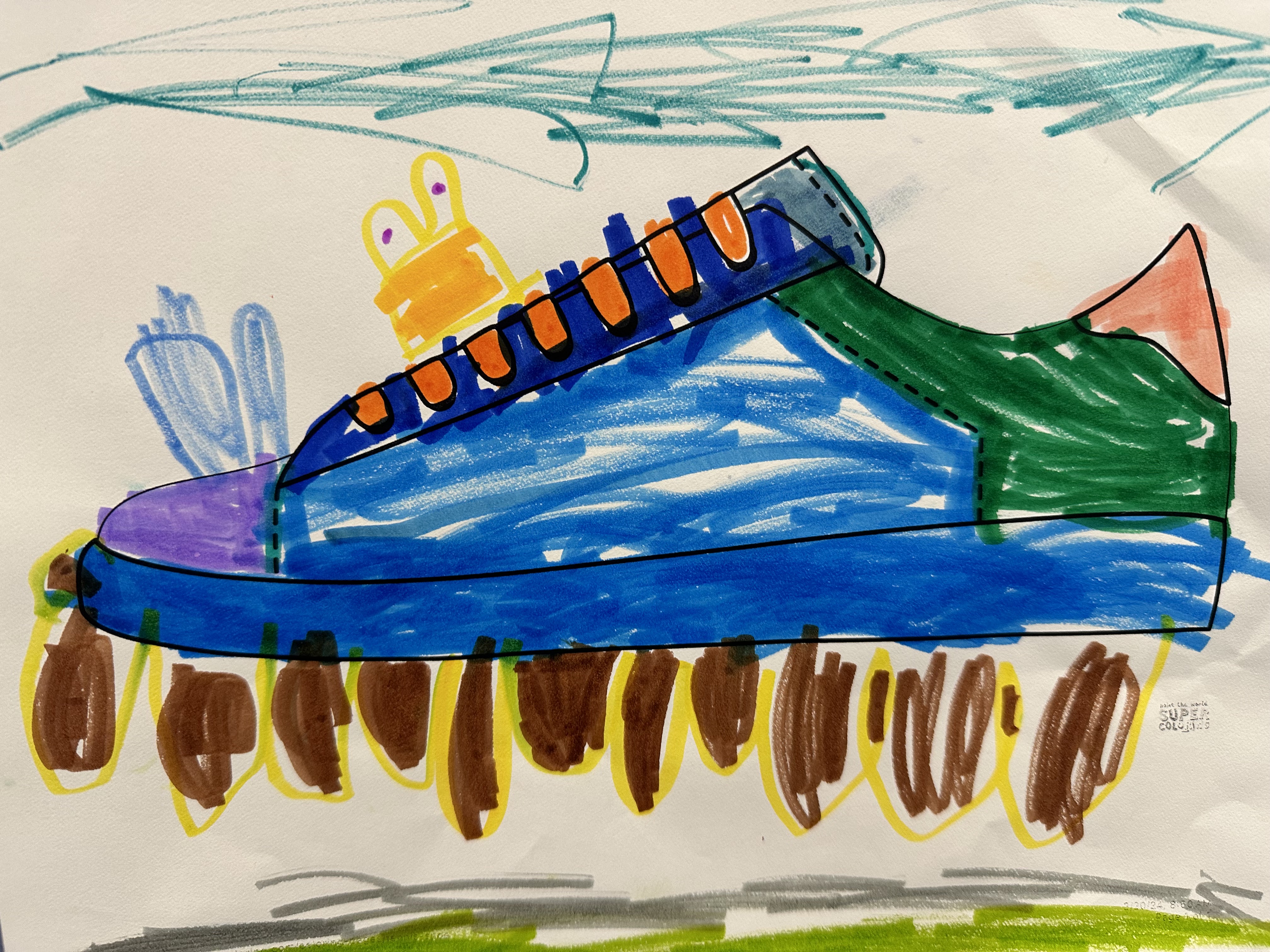
I like to “play” with a lot of different ideas first. We explore Then children may want to choose one idea and draw their designs. They have a clearer image of what the shoes might look like and how they might move in them. Here are a few of my students’ shoe ideas from a recent program at Children’s Day Montessori.
Here’s the folk dance! Folk dances are so important to young learners’ education. Here’s what I’ve noticed.
-Children learn to work together in a group.
-They move their bodies in time to the music.
-They follow the musical form or the pattern. This one is ABC.
-They visualize the movement patterns in their heads. In this one children move around a circle or away from and back to their own space.
-They hear repeated language in the song. They describe their own ideas, too.
-The more children repeat the pattern, the more confident they grow.
In Part A, children pretend to make shoes. They might pretend to paint, sew, pound, or make a shape. When we first do this, we all make the same idea, such as Dinosaur shoes.
In Part B, children do a little clapping or pounding pattern. I say, (ti-ti ta)
This happens eight times. If I’m making the dinosaur shoes, I might make a LOUD sound. If I’m making butterfly shoes, I might make a quiet sound.
In Part C, children pretend to dance around the space in their pretend shoes. I like to have the children move around a circle. Once they’re comfortable in their space, they can move freely and come back to their spot.
If you’re looking for more songs for children to “move and groove to,” check out this Spotify playlist.
Lots of great songs for kids to move to!
Songwriter and educator Kathy Kampa seeks to nurture children’s imaginations and spark creativity through fun and engaging activities. Kathy believes that music and movement should be a part of every young child’s education. Kathy’s songs for kids (Kathy Kampa’s Special Days and Holidays and Jump Jump Everyone) are available on iTunes.
Kathy has taught children in a Montessori/PYP school in Tokyo, Japan as well as in the United States. She uses a globally-minded and inquiry-based approach to teaching through which students develop 21st-century skills. She also supports the development of English language skills by creating songs, chants, and TPR/movement activities targeted to young learners’ needs. Kathy is an author and teacher-trainer with Oxford University Press.
Lots of great movement songs, transitional songs, and CLIL/content songs!
Children’s songs for special events for preschool, kindergarten, and elementary students
Kathy Kampa’s Special Days and Holidays CD are filled with songs to celebrate special days in a child’s life–birthdays, a loose tooth, and lots of holidays. In addition, there are 23 engaging songs for kids on Kathy Kampa’s Jump Jump Everyone. It’s filled with movement songs, classroom management songs, and CLIL/content songs. These activities support English language development while developing global skills. Your young learners will love them!
These two CDs each include a handy attached booklet with lyrics and are available for teachers in Japan at ETJ Book Service. The songs are available for download through iTunes or on streaming services, such as Spotify or Amazon Music.
If you’re interested in learning more about creativity, check out this blog called “The Creativity Post.
Valentine’s Day is a time for children to celebrate friendships! Classroom activities like this can teach young learners how to develop healthy relationships.
To celebrate Valentine’s Day here in the United States, children often make cards or little treats for their friends. I’ve invited my friend Ava to share her thoughts about how she celebrates Valentine’s Day with her friends and classmates.
Ava shares Valentine’s Day traditions in the US
I like to celebrate holidays with music and movement! Today’s song is called “I’m Your Friend,” from my album Jump Jump Everyone. With this song, you can add valuable skills such as phonemic awareness to your lesson while celebrating Valentine’s Day and friendship.
Rhyming words
Listen for the rhyming words at the end of each line. In this song, the words mine, nine, and Valentine all rhyme. Why is rhyming important? Check out this fabulous post by Marissa Labuz. Rhyming aids memory, supports phonemic awareness, and builds listening skills. Children have fun singing songs and chants with rhyming words.
Movement
This song invites children to move in various ways, such as galloping, skipping, jumping, walking, and even skating! Developing gross motor skills is important for young learners. The movements encourage students to move from one place to another. These are called “locomotor movements.” If you have a smaller space, students can move in a small circle in their own spot.
You can sing this song with small or large classes. I usually teach this song to kindergarten and early elementary students.
Here’s a video to teach you the lyrics and the movements:
Here are the lyrics to the song:
3. I’m Your Friend words and music by Kathy Kampa
From Jump Jump Everyone CD
Chorus:
I’m your friend.
(Gesture to chest, then to a person)
You are mine.
(Gesture to person, then to heart)
Will you be my Valentine?
(Swing hands with partner or in the circle)
Repeat.
Let’s walk.
(See the notes below. Children can hold hands in a whole class circle or move with a partner.)
Verse:
Walk, walk, walk with me. Walking, walking, 1-2-3,
4-5-6, 7-8-9, Will you be my Valentine?
(Clap-4-5-6,-7-8-9) Make a heart shape with your fingers or arms by yourself or with a friend. Or give your partner a hug!
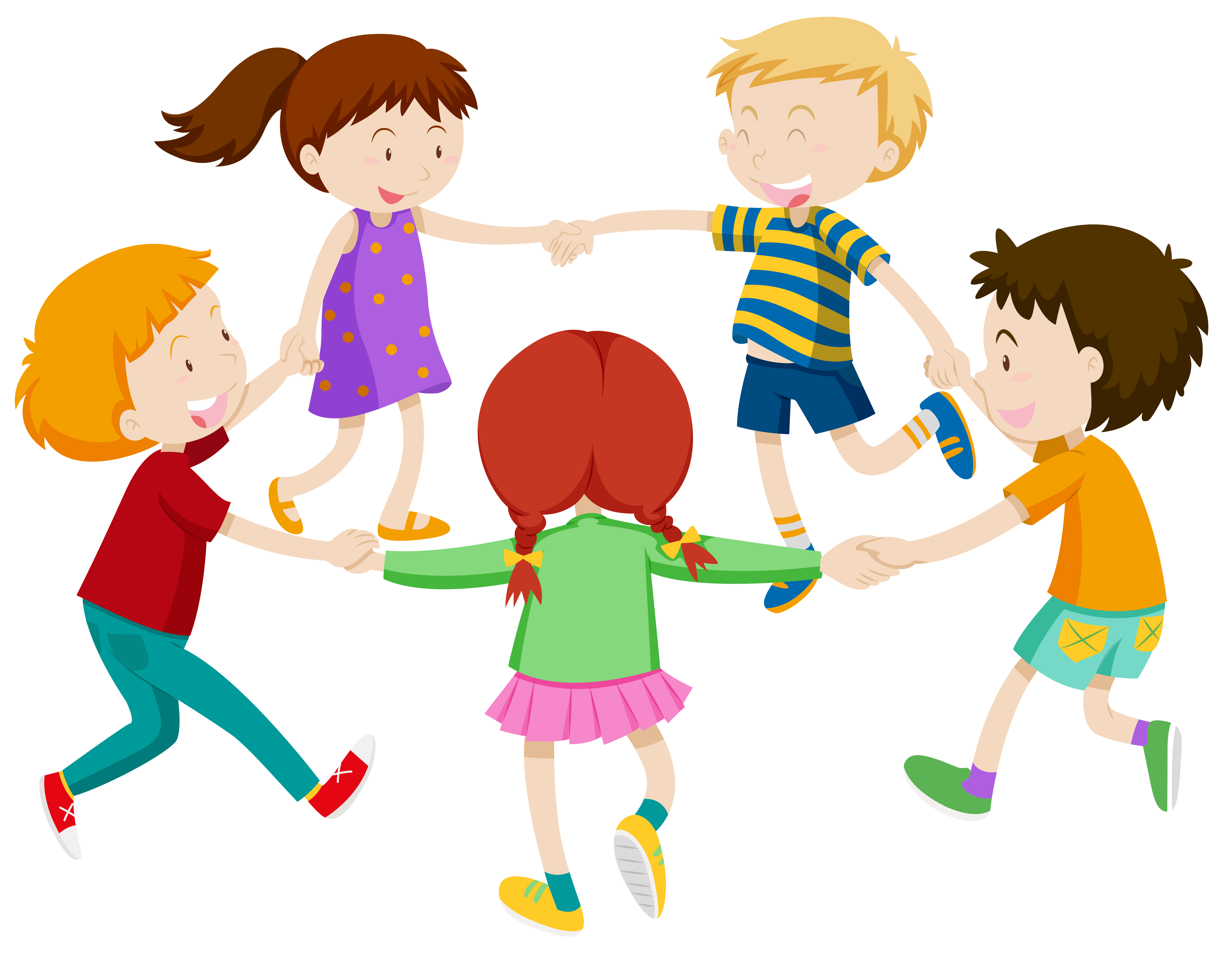
Stand in one big circle. Face the middle for the chorus, and then move around the circle with the whole class for the verses. For the counting part, 4-5-6, 7-8-9, clap your hands on one side and then the other. Finally, make a heart shape using your fingers or arms.
Children face the middle, then hold hands together to move around the circle.
Once your children know this song, you can add some new challenges. Step into my English class in Tokyo, Japan. Check out how my English students added their own ideas.
Children can dance with partners. How can you help them find partners? When children are in a circle, you can walk around the circle. Have two children turn to face each other. They can do all of the movements with their partners.
Or you can use this transitional chant. Pat and clap your legs to keep the beat as you say the chant. Count slowly as you get closer to the number ten.
It’s okay for partners to be scattered around your space and move in their own little group. If you have an odd person out, make a group of three.
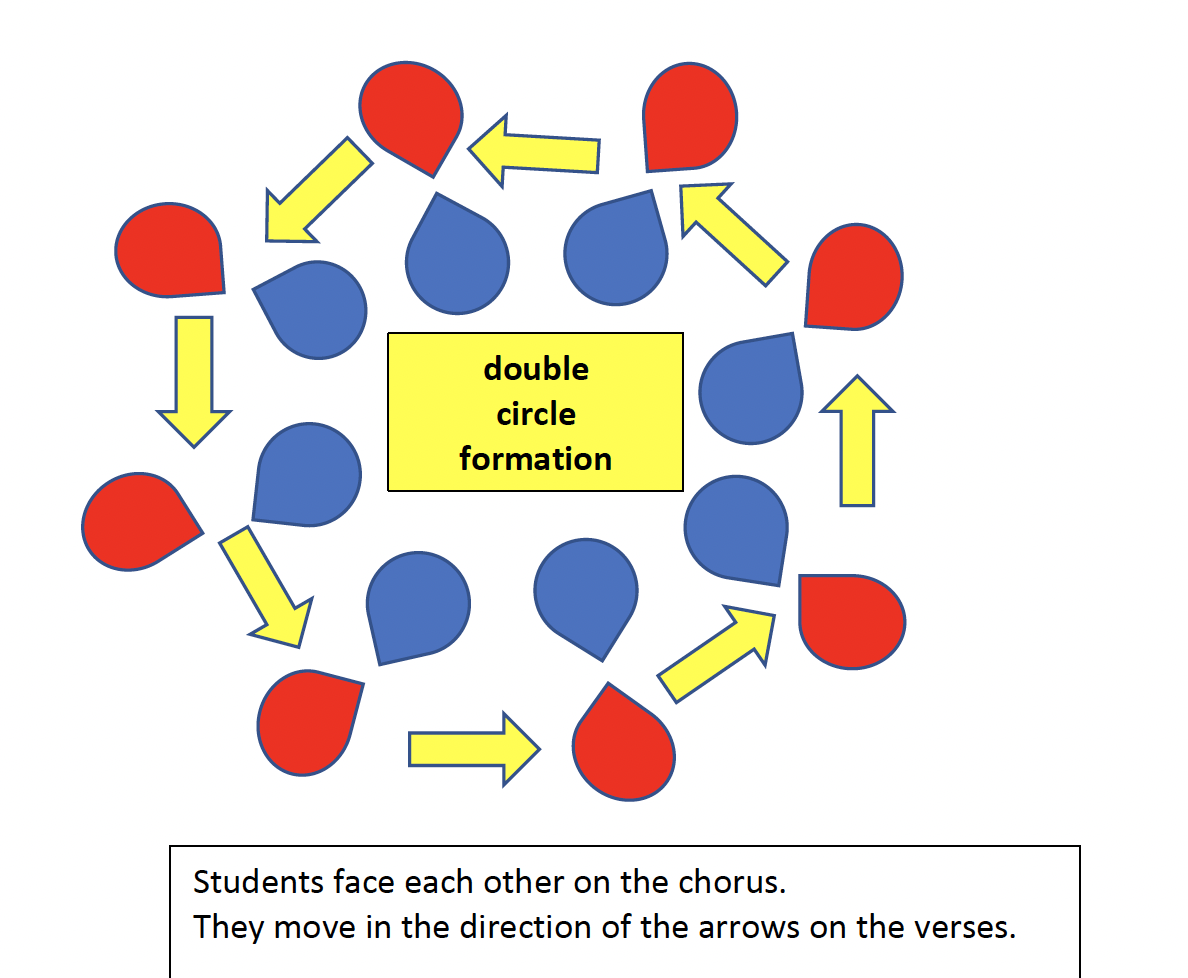
For elementary students, you might try this challenge. Make an inside and an outside circle. One partner stands in the inside circle, and the other in an outside circle. Partners face each other. Children can do the movements for the verse holding hands with their partner around the circle. At the end of the verse, the outside circle children move ahead to the next partner.
So you can make this as simple or as fancy as you’d like!
If you’re looking for music to play in your classroom, check out this Spotify playlist for February:
Come back to my blog to discover more fun activities that build language through music and movement. Thank you!
Songwriter Kathy Kampa is a passionate educator of young learners. She seeks to nurture children’s imaginations and spark creativity through fun and engaging activities. Kathy believes that music and movement should be a part of every young child’s education. Kathy’s songs for kids (Kathy Kampa’s Special Days and Holidays and Jump Jump Everyone) are available on iTunes.
Kathy uses a globally-minded and inquiry-based approach to teaching through which students develop 21st-century skills. She also supports the development of English language skills by creating songs, chants, and TPR/movement activities targeted to young learners’ needs.
For more kid-tested music and movement activities, check out more music on iTunes. Kathy has produced two music CDs for very young learners, Kathy Kampa’s Special Days and Holidays andJump Jump Everyone, which build English language skills through music and movement while nurturing creativity and imagination! Grown and loved by real kids!
Fingerplays are a fun way to add movement to your lesson. Students can move their fingers while sitting. When you need an activity to bring the energy level down in your class, consider a fingerplay.
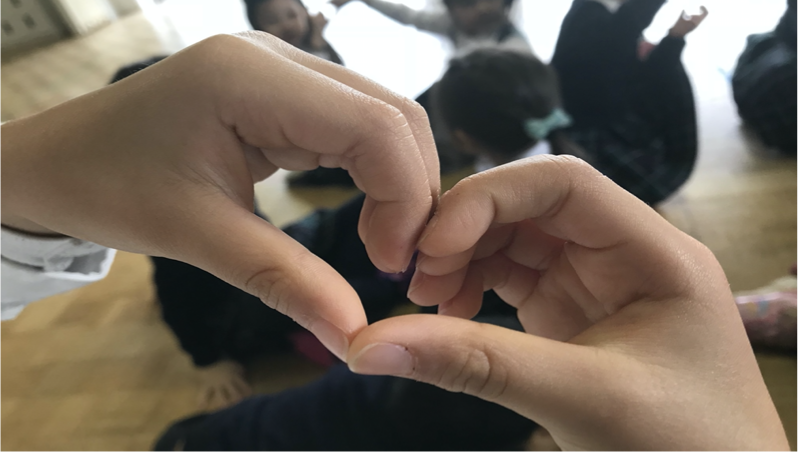
This chant teaches the heart shape (perfect for Valentine’s Day!) as well as other shapes (circle, square, rectangle, triangle, star). Notice the repetition in the phrases, which is important for young learners.
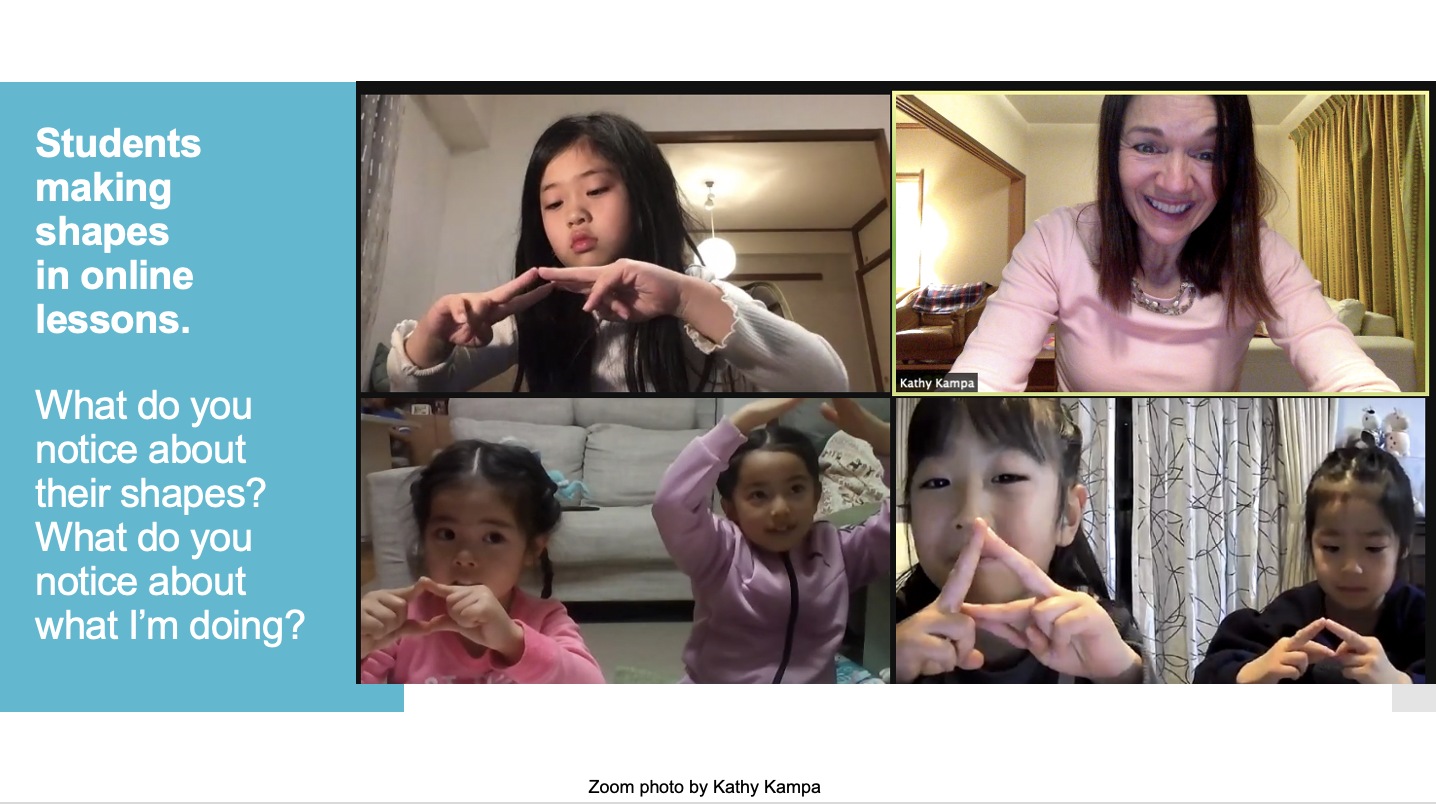
Encourage students to make shapes in different ways to nurture their creativity. Notice the great things your young learners are doing. That’s what I call CCBA–Catch Children Being Amazing!
Check out my Japanese students making shapes. Here we are studying together online. (Photos used with permission)
My students just love this chant! I hope that you do, too.
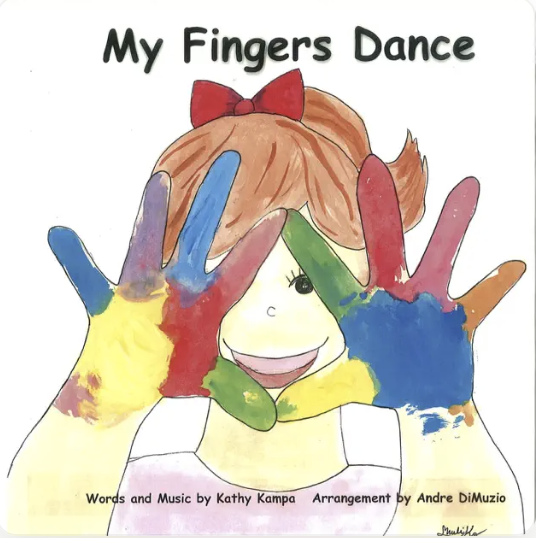
My Fingers Dance
by Kathy Kampa on Jump Jump Everyone. Available on iTunes, Spotify, and other streaming services.
My fingers, fingers, fingers, fingers, fingers dance!
My fingers, fingers, fingers, fingers, fingers dance!
Make a circle! Take a picture. Make a circle! Take a picture.
The music is available on iTunes and on streaming services such as Spotify and Apple Music.
Let’s practice shapes some more!
Time for a surprise! Have students open their hands and close their eyes. Hand them one of the shapes. Use this little chant I just made.
A Big Surprise by Kathy Kampa
Open your hands and close your eyes.
Get ready for a big surprise!
My students enjoy going on a shape hunt. We focus on one shape at a time, and look for things with that shape.
Kids love using the shaped “magnifying glasses” to find shapes in everyday objects around them! You can make these darling shape finders from Amber at Apples to Applique (amber@applestoapplique.com)
Learning something in many ways is fun for young learners! As Dr. Howard Gardner pointed out in his theory of Multiple Intelligences, children can learn more successfully when using many ways to approach a topic. In this lesson, students hear words in rhythm, they move their bodies, they see shapes, and they interact together.
If you’re celebrating Valentine’s Day, students can make cards with LOTS of shapes!
Finally, if you read my last post, you’ll remember how to make a heart shape with your hands. This poem was shared with me by my colleague:
I put my hands together. (put the heels of your hands together)
This is how I start. (hold)
I curve my fingers just like this (curve your fingers to touch each other)
and now I have a heart. (this should make a heart shape)
Now, look through the heart to see each of the students in your class.
Say, “I see you in my heart!”
Songwriter Kathy Kampa is a passionate educator of young learners. She seeks to nurture children’s imaginations and spark creativity through fun and engaging activities. Kathy believes that music and movement should be a part of every young child’s education. Kathy’s songs for kids (Kathy Kampa’s Special Days and Holidays and Jump Jump Everyone) are available on iTunes.
Kathy uses a globally-minded and inquiry-based approach to teaching through which students develop 21st-century skills. She also supports the development of English language skills by creating songs, chants, and TPR/movement activities targeted to young learners’ needs. Kathy is an author and teacher-trainer with Oxford University Press.
For more kid-tested music and movement activities, check out more music on iTunes, Spotify, and Apple Music. Kathy has produced two music CDs for very young learners, Kathy Kampa’s Special Days and Holidays andJump Jump Everyone, which build English language skills through music and movement while nurturing creativity and imagination. Grown and loved by real kids!
Our Christmas tree is decorated with ornaments from around the world. Some presents are already under the tree. I’ve been busy baking Christmas cookies and plan to bake some more today. Why? On Christmas Eve, we always leave cookies and milk for Santa.
Even though our children are grown up, we continue to believe in the magic of Christmas. This is one of the traditions that lingers in our lives.
So, here’s the song I wrote to celebrate this.
It’s to the melody of Twinkle, Twinkle Little Star. To thank you for your support through the years, I’m including a complimentary music track of this song from my CD entitled Kathy Kampa’s Special Days and Holidays.
Here are some suggestions for movements for this song.
Santa’s Cookies and MilkWords by Kathleen Kampa and Charles Vilina
Spoken: Dear Santa, Welcome to my house.I’ve been very good this year.
Sung: Have some cookies. (gesture with one hand to the side)
Have some milk. (gesture with the other hand)
Christmas cookies and a glass of milk. (Twist hands like twinkling Christmas starsfor the words “Christmas cookies” and then make the shape of a glass for the word “milk.”)
Eat the cookies. 1-2-3 (gesture eating cookies, then fingers 1-2-3)
Drink the milk. It’s from me. (gesture drinking milk, then point to self)
Have some cookies. (gesture with one hand to the side)
Have some milk. (gesture with the other hand)
Christmas cookies and a glass of milk. (Twist hands like twinkling Christmas starsfor the words “Christmas cookies” and then make the shape of a glass for the word “milk.”)
Spoken: Thanks Santa! Have a good night! Good-bye!
Music and movement are one way for students to learn new words and phrases in English. Art projects are another way.
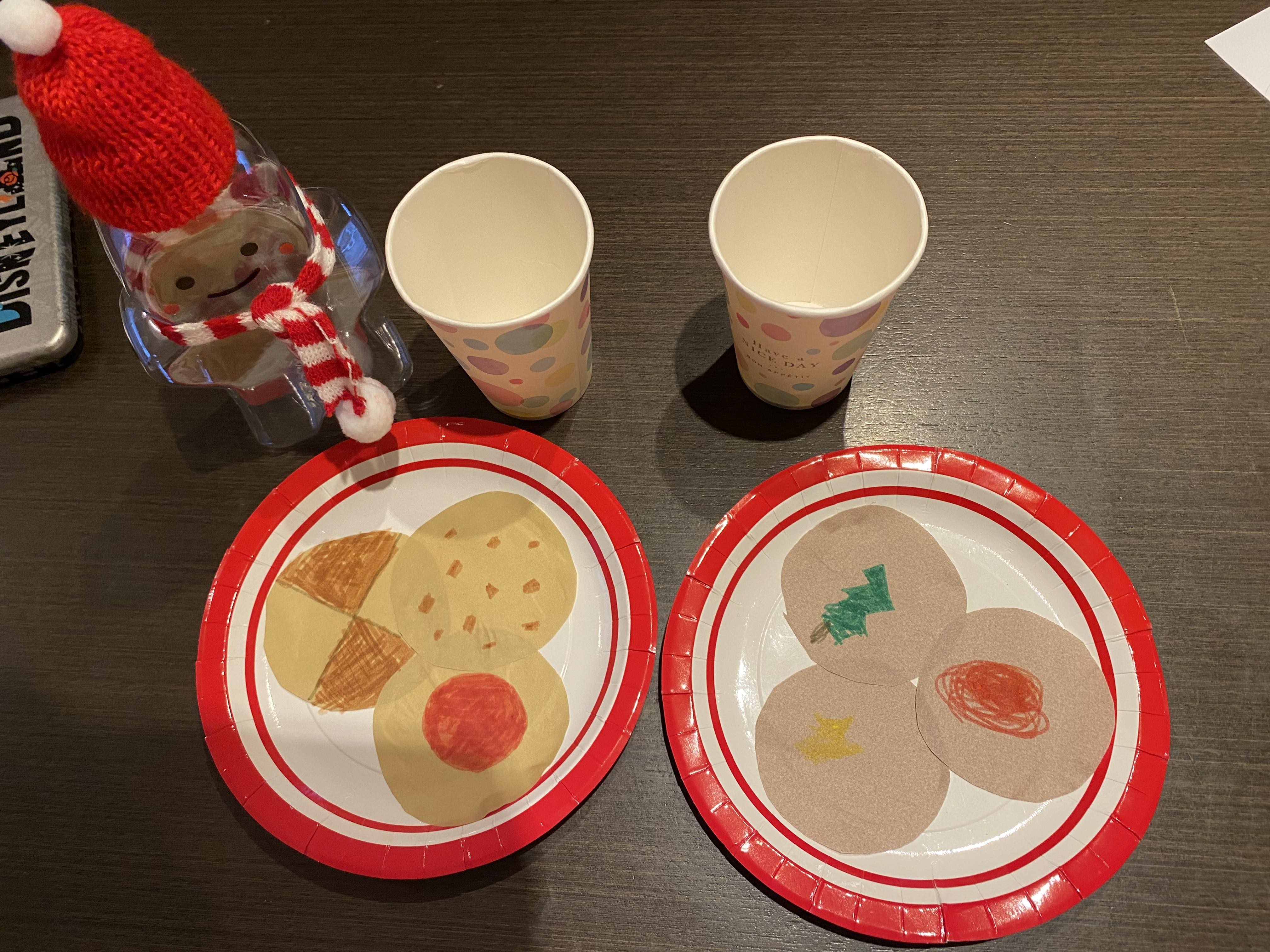
Yoko Matsui created this simple project for her students. They made plates with cookies and milk. Your students could write a little note, too.
If you’re looking for more craft ideas for Christmas, I’ve gathered a bunch of them on my Pinterest page for Christmas.
We wish you all the best for Christmas and throughout the year from our family to yours. May the magic of Christmas remain in your hearts.
Cookies and Milk left for Santa
Kathy Kampa is a passionate educator of young learners. She seeks to nurture children’s imaginations and spark creativity through fun and engaging activities. Kathy believes that music and movement should be a part of every young child’s learning.
Kathy is the co-author of Magic Time, Everybody Up, Oxford Discover, Beehive and Buzz (published by Oxford University Press). She has taught young learners in Tokyo, Japan for over 30 years. Kathy is also active as a teacher trainer, inspiring teachers around the world. She has currently returned to her home state of Minnesota in the US.
Spoken: It’s Thanksgiving Day. Let’s move like turkeys.
First, Move your elbows! (Imagine that these are wings!)
Move your elbows, do the Turkey dance
Move your elbows, do the Turkey dance
Stamp your feet and shout “Hooray!”
It’s Thanksgiving Day.
(You can add “Thank You” in any language you know. Or add a “Gobble! Gobble!)
2. Now move your hips. (Imagine that this is your tail.)
Move your hips, do the Turkey dance
Move your hips, do the Turkey dance
Stamp your feet and shout “Hooray!”
It’s Thanksgiving Day.
(You can add a “Thank You” in any language you know.)
3. Now move your knees. . . .
4. Now move your head . . . .
5. Now move your whole body!
Teacher’s Notes:
In this dance, students are pretending to be turkeys.
Before playing the music, show students a picture of a turkey like the one in this blog.
I usually start with a little TPR by teaching this part of the song first– “Stamp your feet, then shout ‘Hooray!'” Stamp your feet, then jump in the air on “Hooray.” On “It’s Thanksgivixng Day!” put your hands together.
My students added their own ideas between the verses. Some children enjoyed saying “Gobble! Gobble!” while others liked to say “Thank You” in a language they know.
Now teach the body part movements. Say “Move your elbows.” These are the turkey’s wings.
Repeat with each body part listed below: hips/tail, knees, head, and whole body.
1. Make turkey wings by moving your elbows.
2. Make a tail by putting your hands behind your back, and moving your hips.
3. Move your knees like you’re strutting.
4. Move your head forward and back.
5. Choose your favorite movements, or make some new ones. Dance!
For this wonderful “hoedown” song that children LOVE to dance to, download The Turkey Dance on iTunes! You can find it on streaming services like Spotify and Apple Music. The arrangement is fun and lively.
And if you want to add an art project, check out Marnie’s blog, Carrots are Orange for some autumn Montessori activities focusing on turkeys. I especially like the Zentangle turkeys from Laura Hutchinson. There are more activities on my Pinterest page.
Have a wonderful day!
Kathy
Here’s a very short clip of my Magic Time students doing “The Turkey Dance.”
Happy Thanksgiving everyone! No matter where we live, we all give thanks this season for the blessings we have.
Kathy Kampa is a teacher, author, and teacher-trainer who specializes in working with young learners. As a former PYP (Primary Years Program) teacher in Tokyo, Japan, she uses a globally-minded and inquiry-based approach to teaching through which students develop 21st-century skills. She also supports the development of English language skills by creating songs, chants, and TPR/movement activities targeted to young learners’ needs.
Kathy and her husband Charles Vilina are also co-authors of Magic Time, Everybody Up, Oxford Discover (ELTon award), Beehive, and Buzz, all published by Oxford University Press.








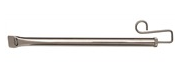 What do you have readily available in your classroom? A slide whistle is one of the most interesting sounds I have in my classroom. If you have a big group of students, it quickly gets their attention. Don’t have a slide whistle? How about a shaker, a tambourine, or a kazoo?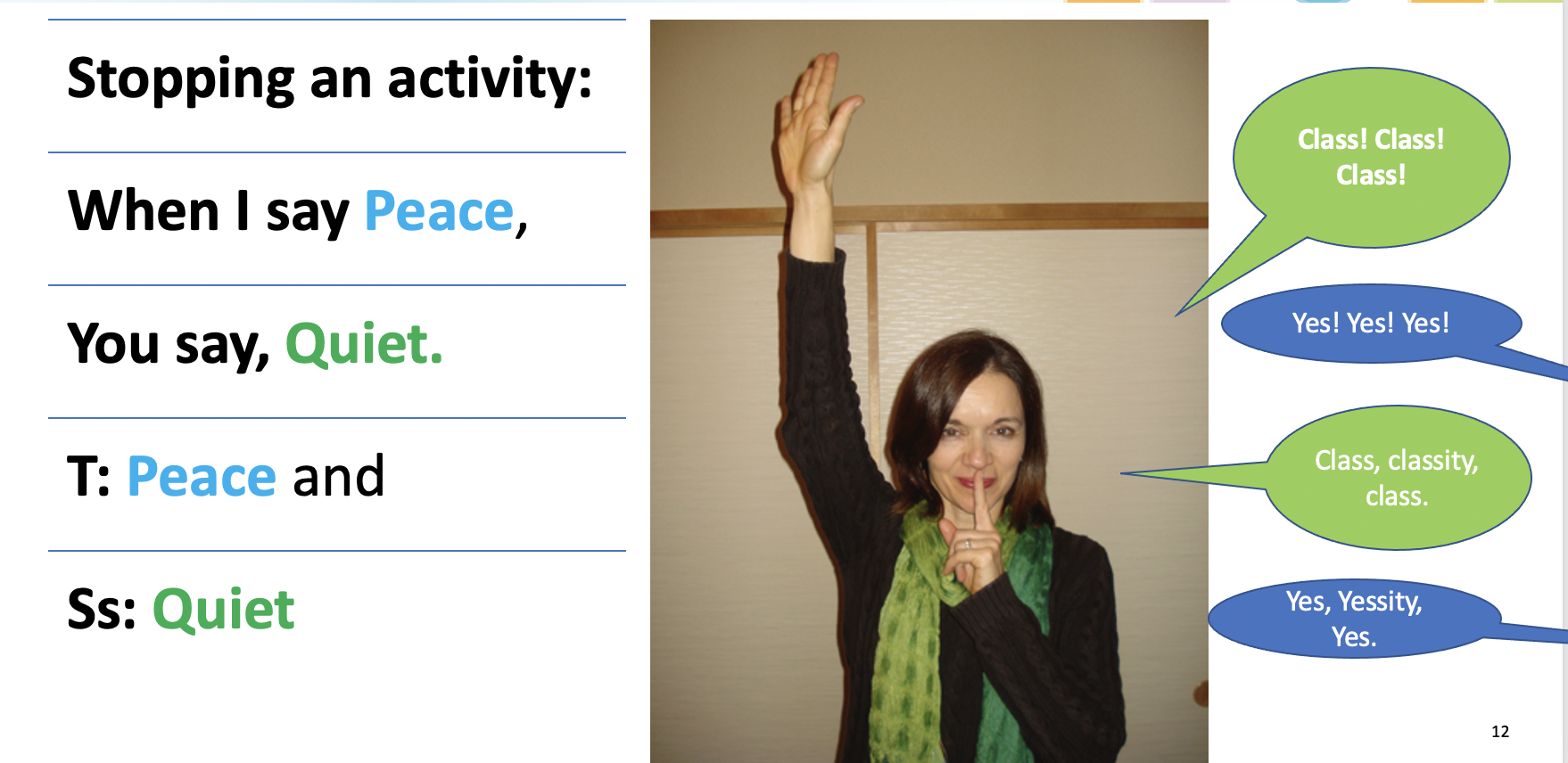








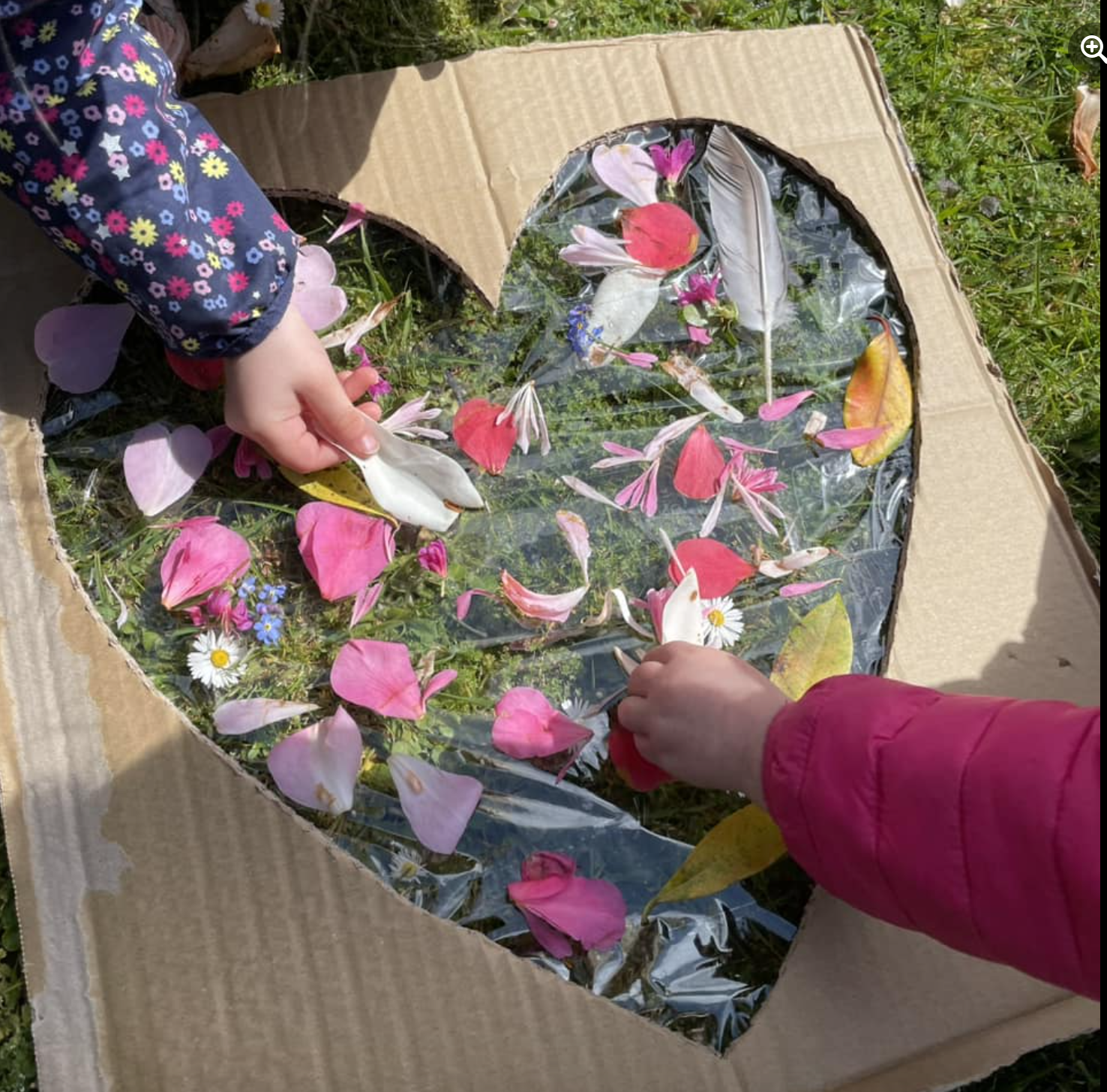


 So today we took a homemade heart canvas with us and added tape to make one side sticky. Every time we found something we liked – feathers, fallen petals, leaves, dandelion clocks, daises, etc., we added them to our canvas to create a beautiful floral heart
  We’re going to add tape to the open side and keep it up in the playroom so we can watch the changes to the flowers and petals
  “
“












 MagicTimeKids