Let’s Do the Skeleton Dance

Featured

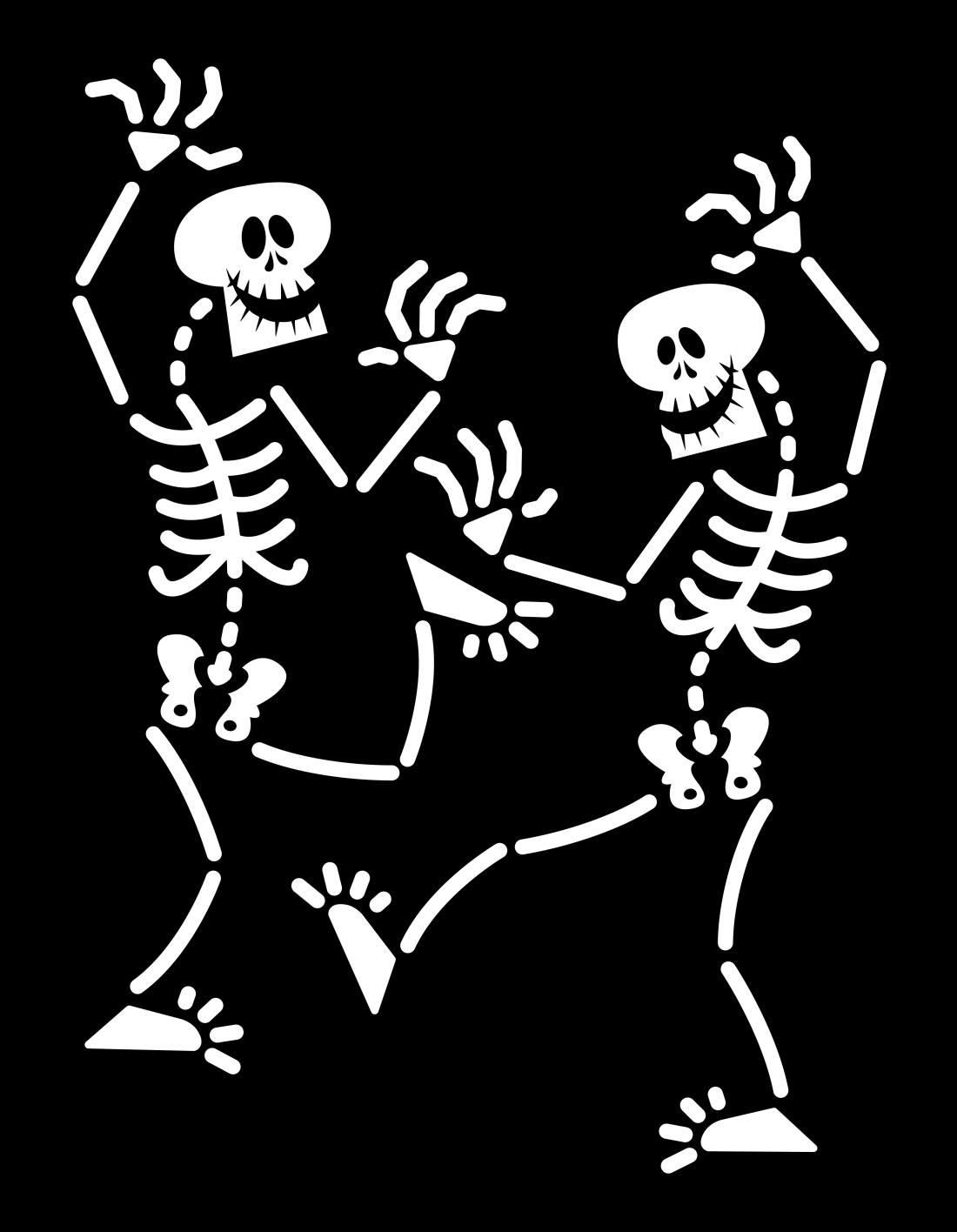
Skeleton Dance is definitely one of my students’ favorite songs! Why should you love it, too?

Skeleton Dance is one of the first children’s songs that I wrote. And it’s certainly been requested over and over by children and teachers around the globe. I’ve taught Skeleton Dance to students in pre-kindergarten through junior high school. It was a favorite song with my online students from Ukraine. I’ve shared this song with teachers in the US, Japan, Korea, Taiwan, Thailand, Vietnam, The Philippines, Mainland China, Indonesia, Mexico, Finland, and Turkey.

Kathy Kampa’s Skeleton Dance has been performed by many students around the world. You can watch some of my students in Japan doing the Skeleton Dance, and read the lyrics below:

Here’s how you do the Skeleton Dance:

In this song, students will move four different body parts: shoulders, elbows, knees, and feet.
First, students move their shoulders to the beat. Explore different ways of moving each of these body parts.

 Move your shoulders . . .
A. Skeleton, skeleton, skeleton dance,
Move your shoulders, do the skeleton dance.
Skeleton, skeleton, skeleton dance,
Move your shoulders, do the skeleton dance.

Next, students move their whole bodies to the front, to the back, and to the side. I usually start by moving only my arms, but my students love to jump in each direction.

B. To the front, to the back, to the side, side, side,
To the front, to the back, to the side, side, side,

Next, students move their shoulders up, down, and around. Each time they repeat the song, they will move a different body part in these directions. When I teach this, I point with my finger to show the directions.

C. Put your shoulders up. Put your shoulders down.
Move them up and down and all around.
Put your shoulders up. Put your shoulders down.
Move them up and down and all around.

Finally, students move their shoulders in their own way.

D. Shoulders dance . .ch ch ch ch ch ch ch ch
Shoulders dance . .ch ch ch ch ch ch ch ch

This dance is repeated with the following body parts.
Before I play the music, my students and I figure out how we’ll move up, down, and around using each of these body parts.

2. Move your elbows . . .
3. Move your knees . . .
4. Move your feet . . .

You can download this song from iTunes (Track #15).

Why use this song in your class?

It teaches body parts.

It teaches directional movements.

It’s a great way to start your school day!

It’s an easy, energizing Brain Break.

It’s a perfect rainy day, get-your-wiggles-out song.!

It’s an effective activity for a health unit.

The song will stick in students’ heads.

It’s just what you need for your Halloween celebrations!

And you can invite parents to have fun dancing with their children!

The kids will ask for it again and again.

It’s so much fun!

Bonus activities

What else can you do with this song?

Reading and Writing:

If you’d like to practice reading the lyrics, check out these fabulous reading and writing activities by Yoko Oho. It’s a fun way to read the words! Click through to see all of the pages to see what Yoko created.

Coloring

Here’s a fun coloring activity from Daria. You can see skeletons for Dia Los Muertos (Day Of The Dead). Have fun coloring “calaveras.” Get these activities on Daria’s TPT page

Pinterest ideas: Here are some fun songs, worksheets, blogs, craft activities, games, costumes, and simple cooking ideas for Halloween.

So, grab your costumes and get ready for one of my favorite holidays.
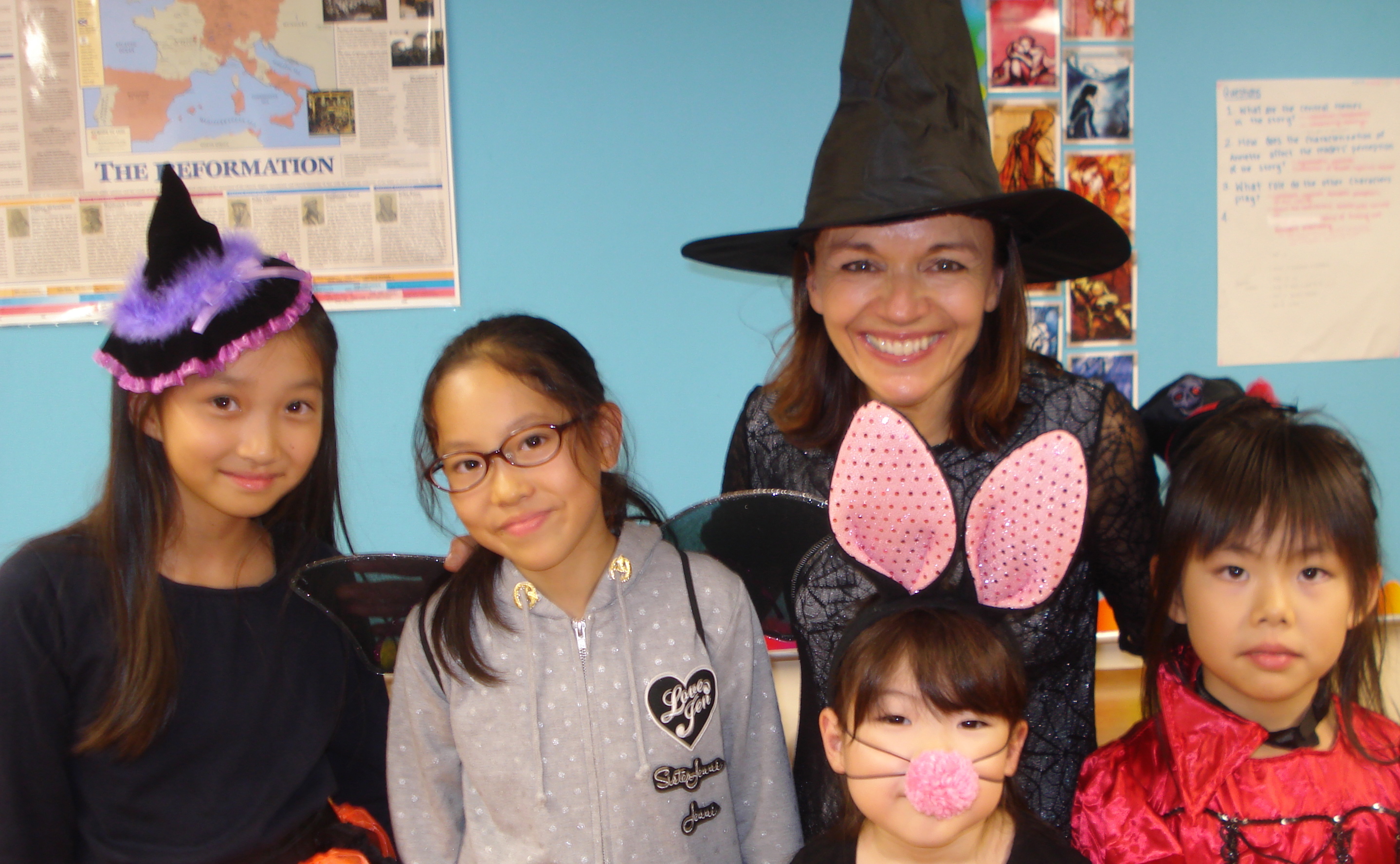
Kathy and her English students
Kathy’s songs were written especially for young learners. Each song focuses on popular classroom topics and invites children to use their imaginations. Songs also support the development of English language skills through repetition and simple melodies. Students love moving to Kathy’s songs!

Kathy Kampa is a passionate educator of young learners. She seeks to nurture children’s imaginations and spark creativity through fun and engaging activities. Kathy believes that music and movement should be a part of every young child’s learning.

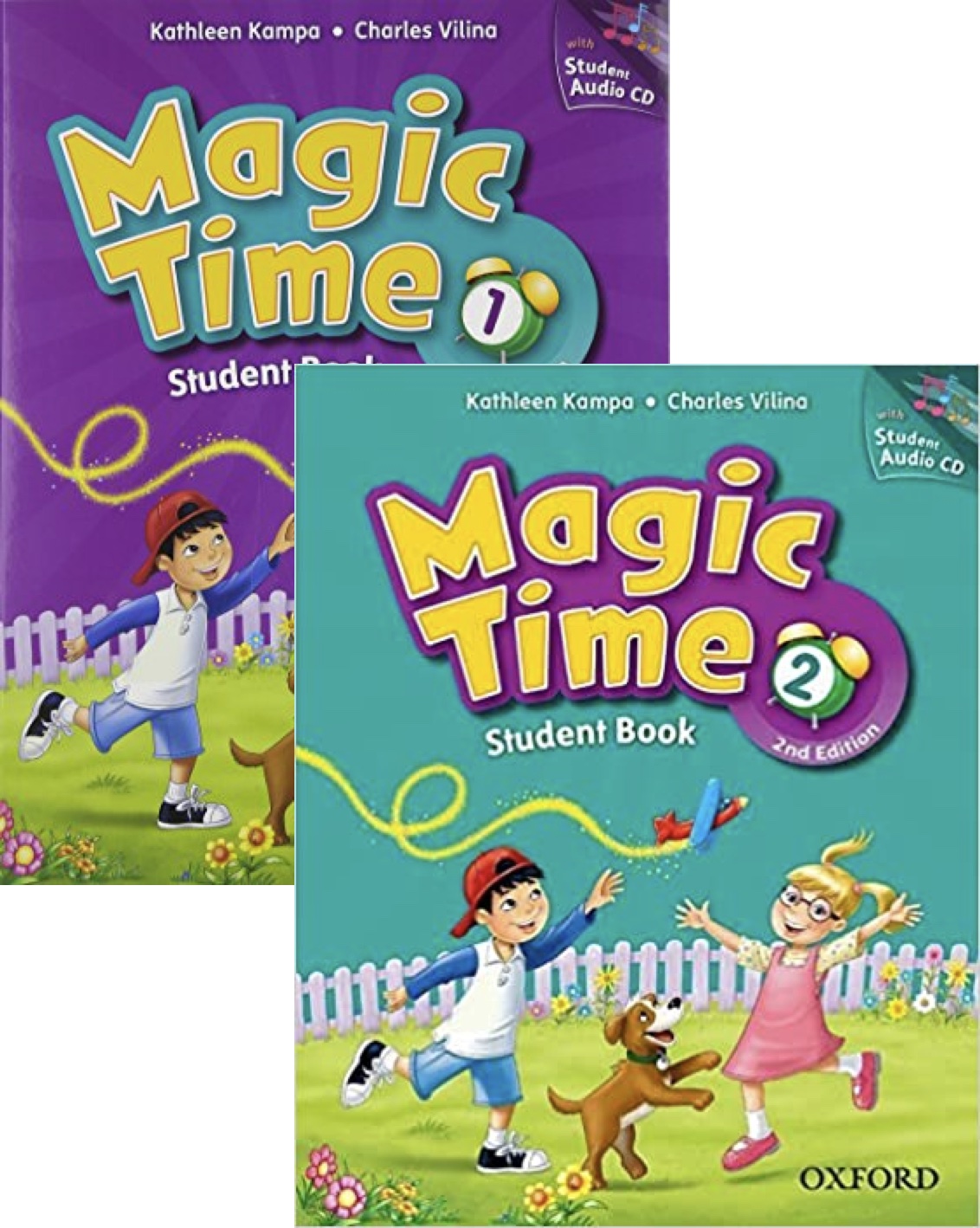
Kathy is the co-author of Magic Time, Everybody Up, Oxford Discover (ELTon winner), Beehive/Buzz and Blue Dot(published by Oxford University Press). She has taught young learners in Tokyo, Japan for over 30 years. Kathy has composed educational music for Tokyo Shoseki and recorded songs for Learning World. She is active as a teacher trainer, inspiring teachers around the world. Kathy and her husband are working in Minnesota.

If you’re interested in more of Kathy’s work, check out her YouTube channel at Kathy Kampa.

Wiggly Little Worms

Have you ever wondered why worms surface when it rains? Worms appear everywhere!

My students have been fascinated with worms, so I created an activity where we pretend to be worms.

Follow the video to do a fingerplay or a whole-body activity.

The Little Worms

The little worms are in the mud, wiggling, wiggling, wiggling,

They push their heads up out of the mud and say, “Yippee! It’s a rainy day!”

The little worms are in the mud, wiggling, wiggling, wiggling,

They push their heads up out of the mud and cry, “Oh no! It’s a sunny day!”

Invite your students to think about other types of weather–windy, snowy, hot, cold, etc. How do you think the worms will feel?

If you want to learn more about worms:

There are multiple theories about why worms come out when it rains, including:

  • Movement: Wet soil allows worms to move more easily across the surface, which can help them find food, new habitats, or mates. They can also migrate longer distances than they could underground.
  • Survival: Worms need a moist environment to survive, and they can’t travel as fast while burrowing tunnels underground. After a rain, the soil pores and worm burrows fill with water, which allows worms to breathe through their skin.
  • Escape: The vibrations from raindrops hitting the ground can sound similar to vibrations from predators like moles, causing worms to flee to the surface for safety. Birds also take advantage of this behavior by mimicking rain to lure worms to the surface for food.
  • What can you do? If you see worms on the sidewalk after it rains, you can help them by moving them to a nearby patch of dirt or grass so they can burrow back underground more easily. 
  •  For more activities and songs for a rainy day, check out this post.
  • Go to Spotify or Apple Music to find Kathy’s music. You’ll find “Little Worms” on “Jump Jump Everyone.”Jump Jump Everyone, my second album, is filled with many happy songs that have grown in my young learner classroom. The songs encourage children to move. Many songs link to classroom content. Children can dance like falling leaves, bloom like a spring flower, move through the butterfly life cycle . . . . you’ll find LOTS of fun and magic in this album.
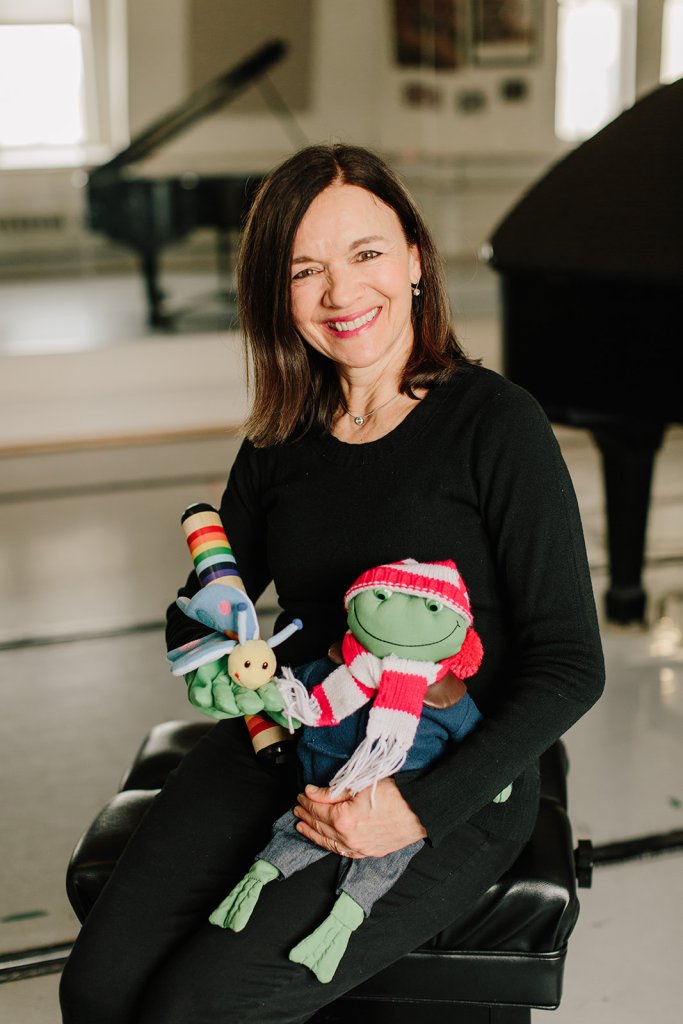
  • Kathy Kampa loves to bring joy to the world through her children’s music and English language books (Oxford University Press). She is passionate about making learning engaging for young learners. You’ll find more music and movement resources on Kathy’s YouTube page.

Jump! Jump!

Featured

If you teach young learners, you know that they love to move! In some classrooms, students need to move in a small space. You might have circle time with students standing on a spot. Your students might just stand beside their desks. This is a movement chant that you can do in ONE SPOT.

This chant comes from OUP’s Magic Time, Book One. There are just verbs–jump, run, hop, fly, stop. Once you and your students know the pattern, add your ideas. Here are some ideas: march, wiggle, twist, spin, stretch, bend, shake.

In Unit 10, students learned animal names. When they flip the page, the animals are moving. Here are the words to this simple chant.

Run, Run, Run

by Kathleen Kampa and Charles Vilina, Magic Time One

Jump! Jump! Run, run, run.

Jump! Jump! Run, run, run.

Jump! Jump! Run, run, run.

Jump! Jump! Stop!

The second time, substitute hop for the word jump.

Hop! Hop! Run, run, run. (3X)

Hop! Hop! Stop!

Last of all, substitute fly for the word hop.

Fly! Fly! Run, run, run. (3X)

Fly! Fly! Stop!

Students do all of the movements on their spot. When they say, Stop! they can make an interesting pose. Watch how my students create their own ideas.

We need to practice moving and stopping with our young learners. This develops their focus and self-control. Plus, it’s a fun activity for our little ones.

Here are my young learners in Tokyo, Japan. I placed the picture cards on the floor as a reminder of the order, similar to a rebus reading. This chant helps them practice their /r/ sound.

Songwriter Kathy Kampa is a passionate educator of young learners. She seeks to nurture children’s imaginations and spark creativity through fun and engaging activities. Kathy believes music and movement should be a part of every young child’s education.

Kathy uses a globally-minded and inquiry-based approach to teaching through which students develop 21st-century skills. She also supports the development of English language skills by creating songs, chants, and TPR/movement activities targeted to young learners’ needs. Kathy is an author and teacher-trainer with Oxford University Press. She is delighted to be teaching young learners in her hometown.

This chant comes from Magic Time 1, by Oxford University Press. Each lesson has a simple chant or song to practice the language. Many of these chants and songs invite children to move

For more fun and engaging songs that have been loved by many kids, check out these albums. Kathy’s songs for kids (Kathy Kampa’s Special Days and Holidays and Jump Jump Everyone) are available on iTunes, Spotify, and other streaming services.

Celebrate Thanksgiving Day with “The Turkey Dance!”

Featured

Celebrate Thanksgiving with this lively song for children! This song is called “The Turkey Dance” and it’s one of my students’ favorite songs.

So use your imaginations and dance like . . . . turkeys!! Get a little silly and have a lot of fun!

Here are the lyrics, which go to the tune “Turkey in the Straw.”

The Turkey Dance

Words by Kathleen Kampa and Charles Vilina, music adapted from Turkey in the Straw

copyright © 2013 by Kathleen Kampa

Spoken: It’s Thanksgiving Day.  Let’s move like turkeys.

First, Move your elbows! (Imagine that these are wings!)

Move your elbows, do the Turkey dance

Move your elbows, do the Turkey dance

Stamp your feet and shout “Hooray!”

It’s Thanksgiving Day.

(You can add “Thank You” in any language you know. Or add a “Gobble! Gobble!)

2. Now move your hips. (Imagine that this is your tail.)

Move your hips, do the Turkey dance

Move your hips, do the Turkey dance

Stamp your feet and shout “Hooray!”

It’s Thanksgiving Day.

(You can add a “Thank You” in any language you know.)

3. Now move your knees. . . .

4. Now move your head . . . .

5. Now move your whole body!

Teacher’s Notes:

In this dance, students are pretending to be turkeys.

Before playing the music, show students a picture of a turkey like the one in this blog.

I usually start with a little TPR by teaching this part of the song first– “Stamp your feet, then shout ‘Hooray!'” Stamp your feet, then jump in the air on “Hooray.” On “It’s Thanksgivixng Day!” put your hands together.

My students added their own ideas between the verses. Some children enjoyed saying “Gobble! Gobble!” while others liked to say “Thank You” in a language they know.

Now teach the body part movements. Say “Move your elbows.”  These are the turkey’s wings.

Repeat with each body part listed below: hips/tail, knees, head, and whole body.

1.  Make turkey wings by moving your elbows.

2.  Make a tail by putting your hands behind your back, and moving your hips.

3.  Move your knees like you’re strutting.

4.  Move your head forward and back.

5.  Choose your favorite movements, or make some new ones.  Dance!

Here’s a video to show you the movements.

For this wonderful “hoedown” song that children LOVE to dance to, download The Turkey Dance on iTunes! You can find it on streaming services like Spotify and Apple Music. The arrangement is fun and lively.

And if you want to add an art project, check out Marnie’s blog, Carrots are Orange for some autumn Montessori activities focusing on turkeys. I especially like the Zentangle turkeys from Laura Hutchinson. There are more activities on my Pinterest page.

Have a wonderful day!

Kathy

Here’s a very short clip of my Magic Time students doing “The Turkey Dance.”

ms kampa 12-8

Happy Thanksgiving everyone! No matter where we live, we all give thanks this season for the blessings we have.

Celebrate Thanksgiving with this silly song --The Turkey Dance! Gobble! Gobble!

Kathy Kampa is a teacher, author, and teacher-trainer who specializes in working with young learners. As a former PYP (Primary Years Program) teacher in Tokyo, Japan, she uses a globally-minded and inquiry-based approach to teaching through which students develop 21st-century skills. She also supports the development of English language skills by creating songs, chants, and TPR/movement activities targeted to young learners’ needs.

Kathy and her husband Charles Vilina are also co-authors of Magic TimeEverybody Up, Oxford Discover (ELTon award), Beehive, and Buzz, all published by Oxford University Press.