It’s Christmas Time!

Featured

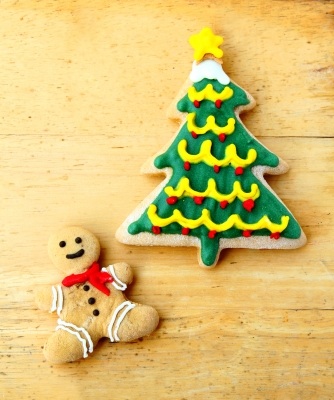
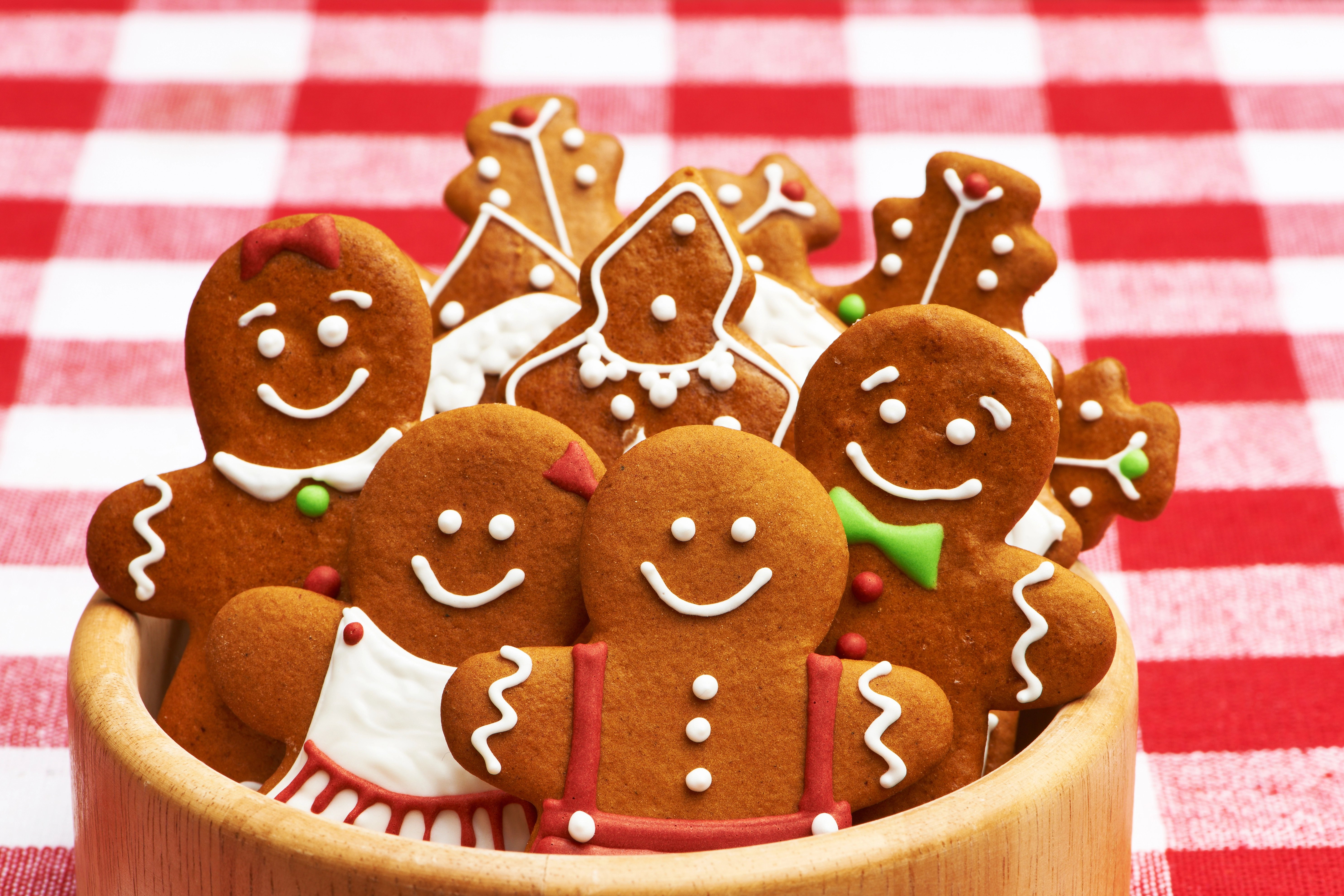
%22Christmas Gingerbreads%22 by nuchylee

Christmas Day is just around the corner!  Here’s a simple song for your little ones!!

You’ll find everything you need to teach this song–a handout, lyrics, movement suggestions, and a video. You can find this song on Apple Music, Spotify, or iTunes. 

My dear friend and Oxford co-author, Setsuko Toyama from Niigata, Japan, created this wonderful activity sheet and picture cards. Just click below and print them!

It’s Christmas Time-Song by K. Kampa, Handout by S. Toyama

It’s Christmas Time

Words by Kathleen Kampa, copyright © 2013 by Kathleen Kampa

(music adapted from The Muffin Man)

1. Do you hear the jingle bells,

the jingle bells, the jingle bells?

Do you hear the jingle bells?

It’s Christmas time!

 Chorus:

Christmas! Christmas! Time to celebrate.

Christmas! Christmas! We can hardly wait. 
 2. Do you see the Christmas tree,

the Christmas tree, the Christmas tree?

Do you see the Christmas tree?

It’s Christmas time!

 Chorus:

Christmas! Christmas! Time to celebrate.

Christmas! Christmas! We can hardly wait. 

Do you smell the gingerbread,

The gingerbread, the gingerbread?

Do you smell the gingerbread?

It’s Christmas time!

 Chorus:

Christmas! Christmas! Time to celebrate.

Christmas! Christmas! We can hardly wait. 

 4. We feel joy and happiness,

happiness, happiness,

We feel joy and happiness,

It’s Christmas time!

The steps to the activity are as follows:

1.  Teach the six new words using the picture cards.

It’s Christmas Time-Song by K. Kampa, Handout by S. Toyama

Create a gesture for each word.

2.  As a critical thinking activity, place the pictures for hear, smell, and see in a column on the left side of the board. Place the images for gingerbread, jingle bells, and Christmas tree in a column on the right side. Point to the “hear” card as you ask students, “What can you hear?” When students answer, “jingle bells,” draw a line from hear to jingle bells. Continue in the same way with the other words. In addition, you may ask questions such as, “Can you smell a Christmas tree? Can you see jingle bells?” and so on.

3.  Hand out a copy of the activity sheet to each student. Play the song. As students listen, they point to the lyrics with illustrations (known as a rebus).

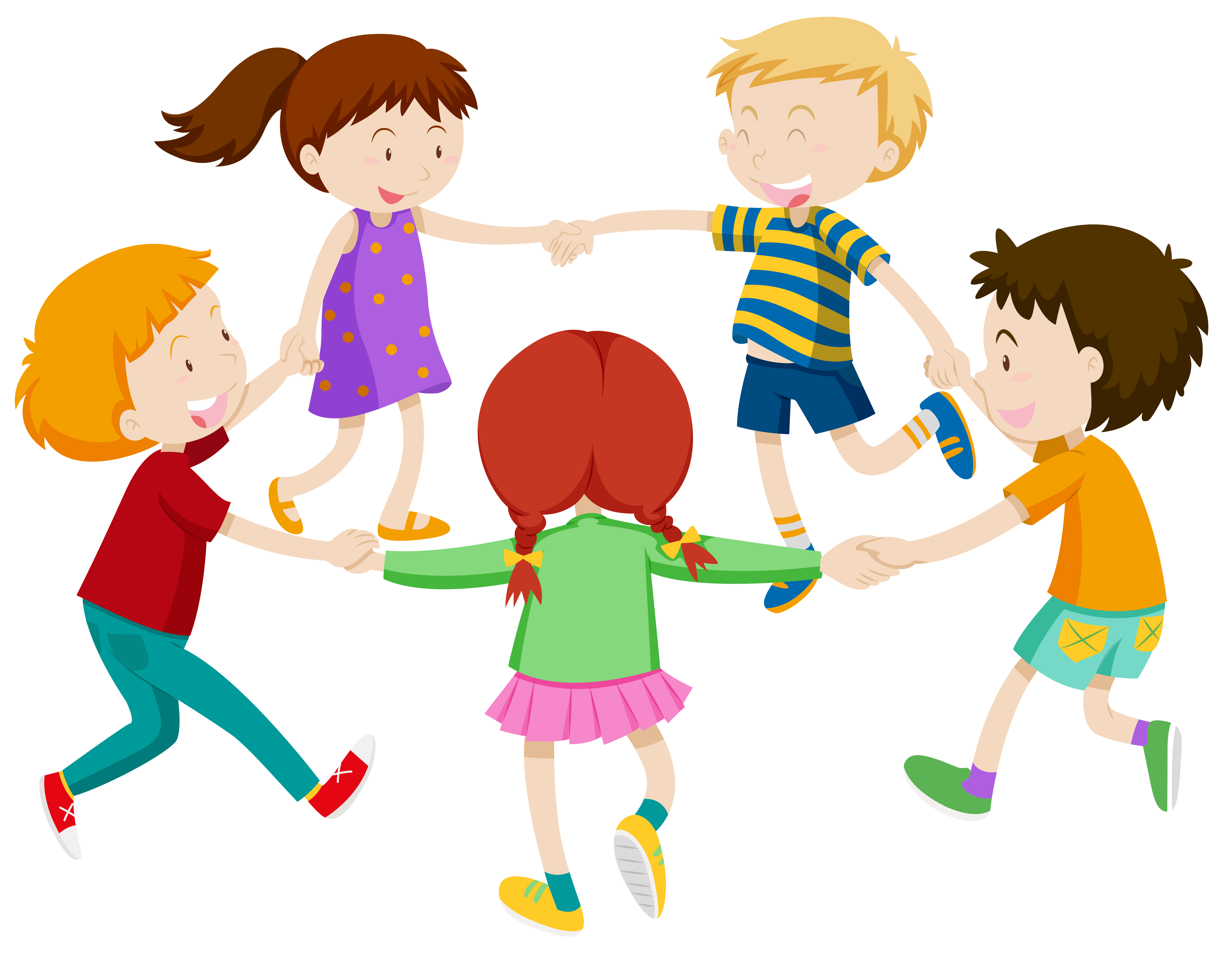
4.  Play the song again, with students standing in a circle or at their desks. On each verse, pantomime the movement with your students. For a performance, you could have different groups perform each of the verses.

5. There are so many possibilities for movements. For example, on the chorus, on Christmas, Christmas, students can a) make a big circle with their arms, b) wave their arms side to side, or c)  choose their own idea. 

On time to celebrate, students clap their hands five times, once for each syllable.

On We can hardly wait, students hug themselves, then reach their hands up on the word wait!

For the interlude music, pretend to make it snow by moving your fingers gently from up high to the ground!

We hope you enjoy this wonderful Christmas song and activity.

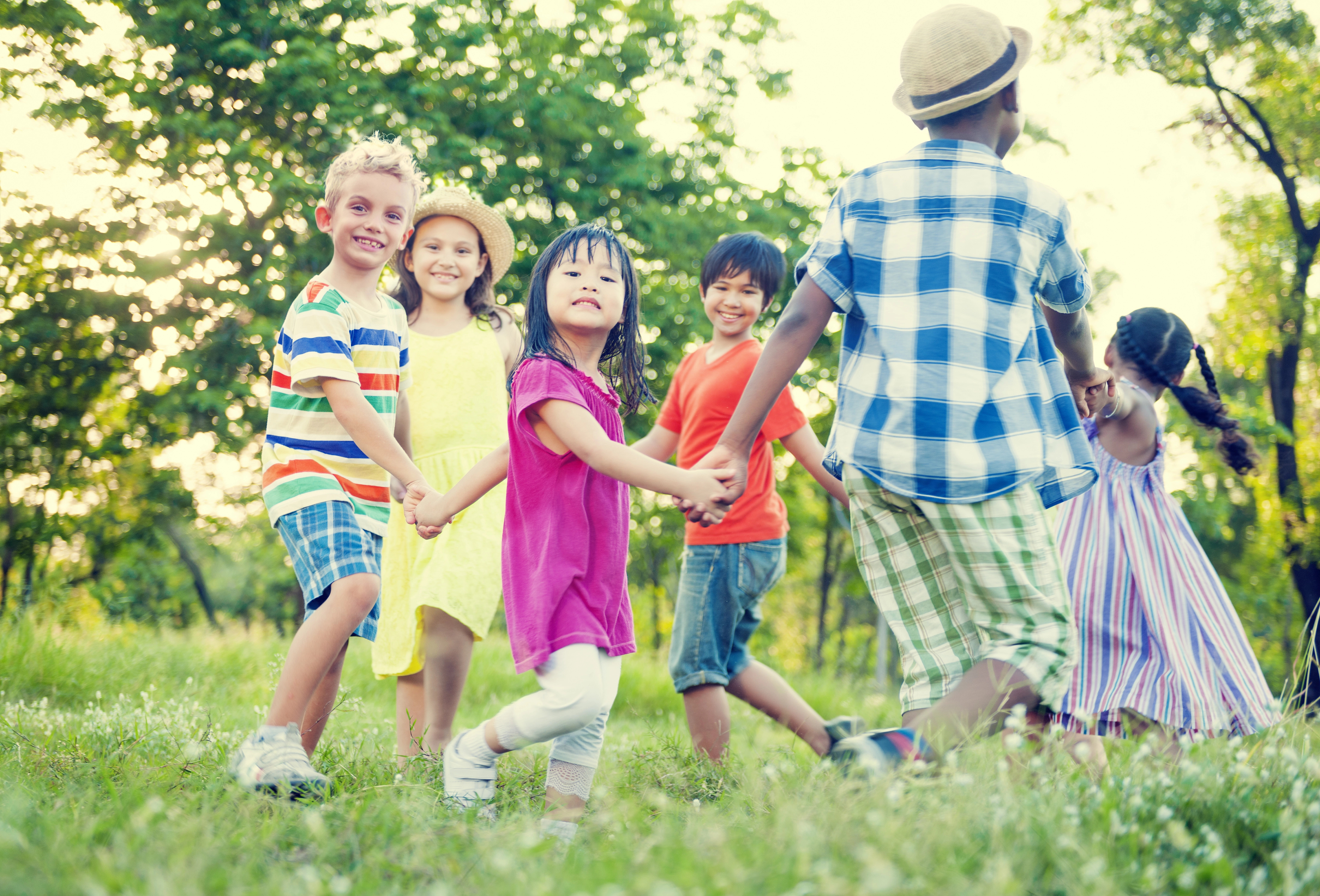
Here’s a video that I made with some amazing kids! They jumped right into the song and we recorded this video at a park. 

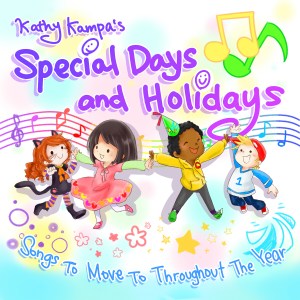
For the studio version of my song, go to iTunes and click on Track #13 of Kathy Kampa’s Special Days and Holidays. (Just click on iTunes above or the album cover below.)

This music is also available on streaming services.
ms kampa 12-8

I have collected numerous Christmas craft activities here on Pinterest.

Happy Teaching, and have a very Merry Christmas!

Kathy Kampa
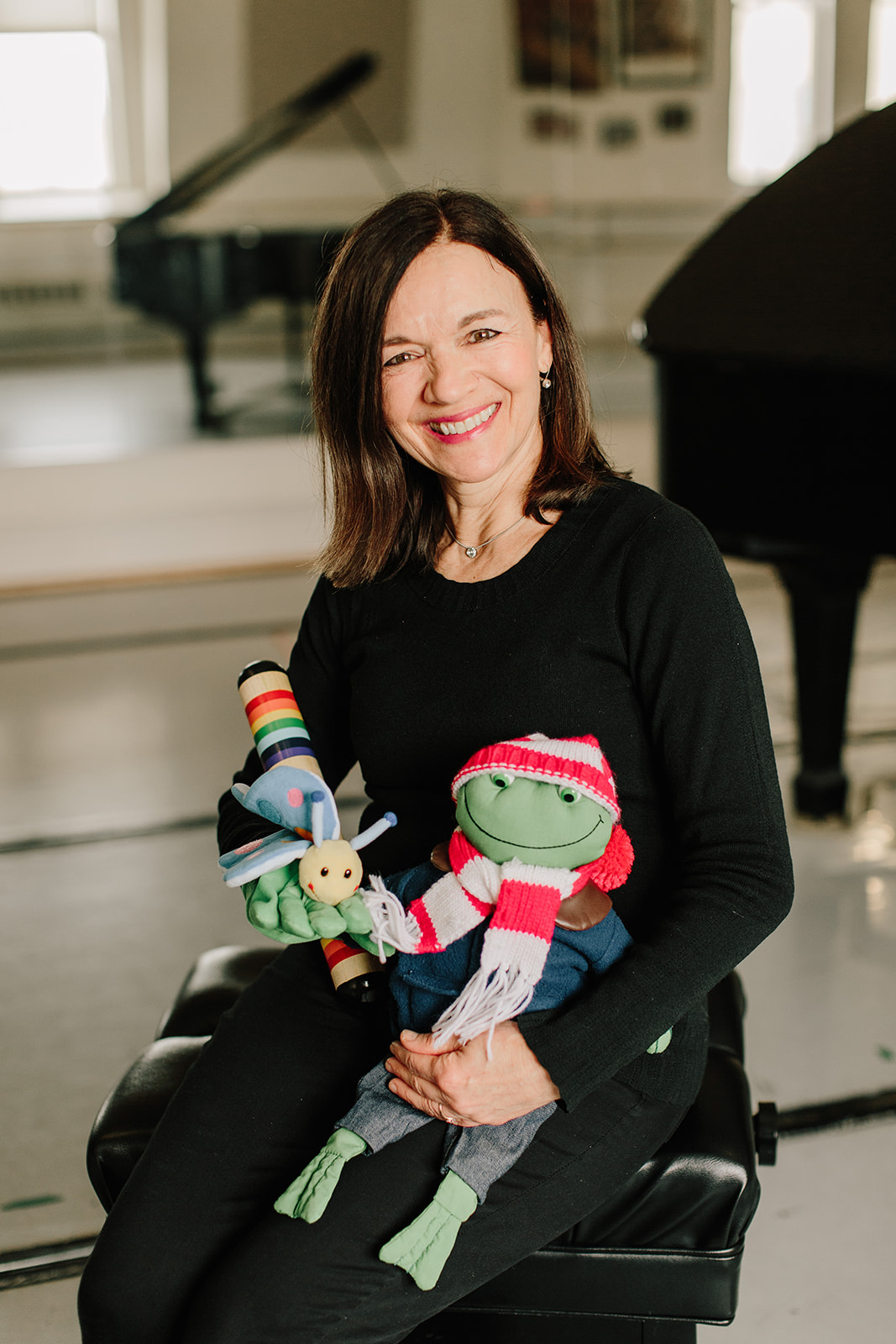
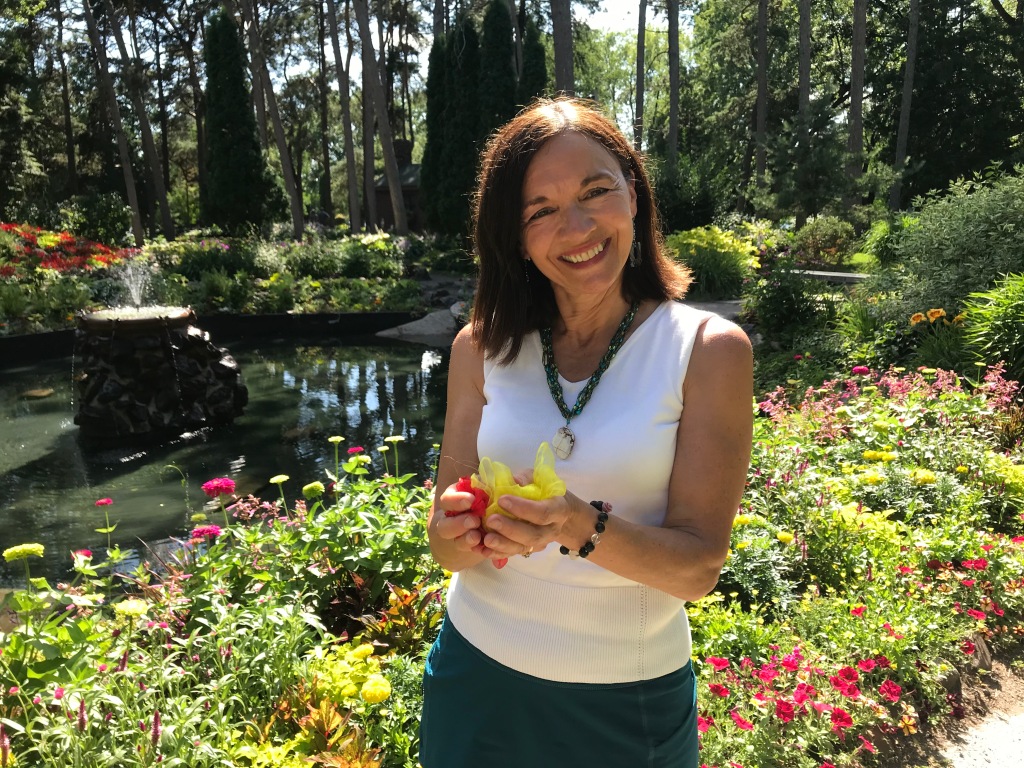
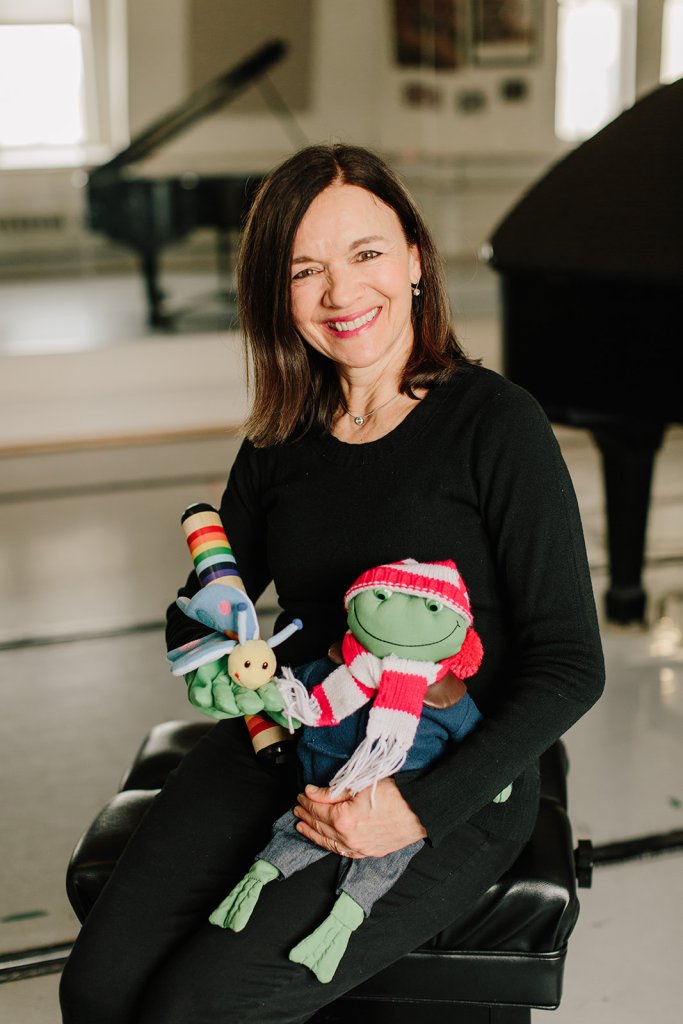
Kathy Kampa is a passionate educator of young learners. She seeks to nurture children’s imaginations and spark creativity through fun and engaging activities. Kathy believes that music and movement should be a part of every young child’s learning.

Kathy is the co-author of Magic Time, Everybody Up, Oxford Discover, Beehive and Buzz , and Blue Dot(all published by Oxford University Press). She has taught young learners in Tokyo, Japan for over 30 years. Kathy is also active as a teacher trainer, inspiring teachers around the world. She has currently returned to her home state of Minnesota in the US.

“Christmas Gingerbreads” image courtesy of nuchylee / FreeDigitalPhotos.net
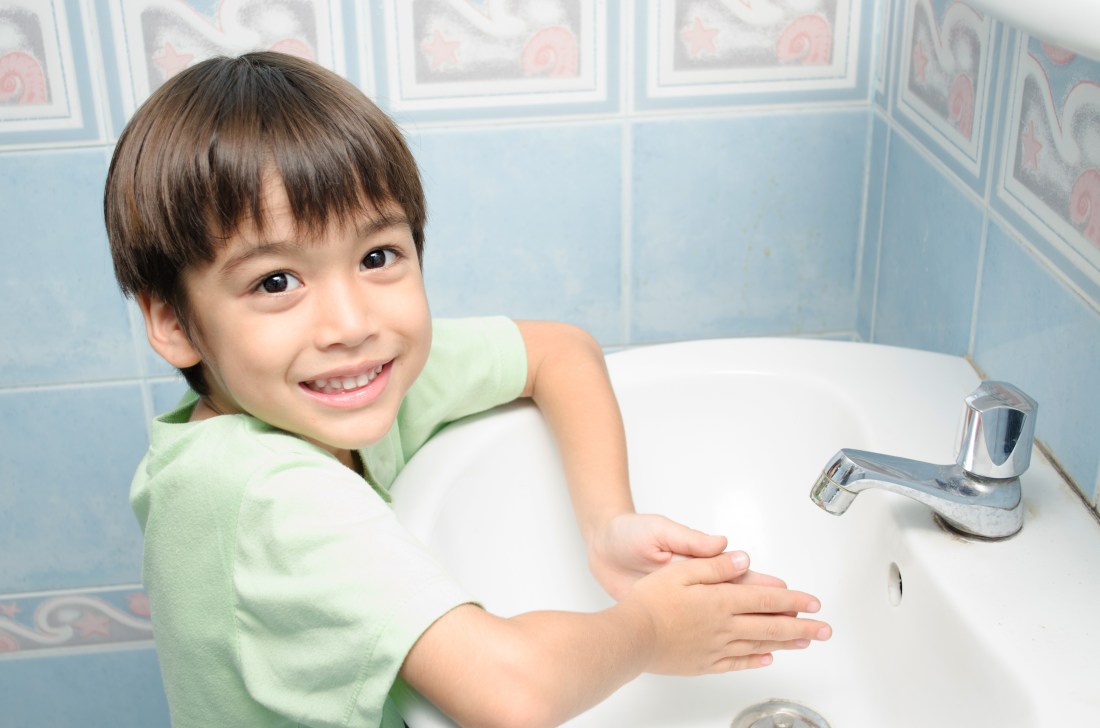
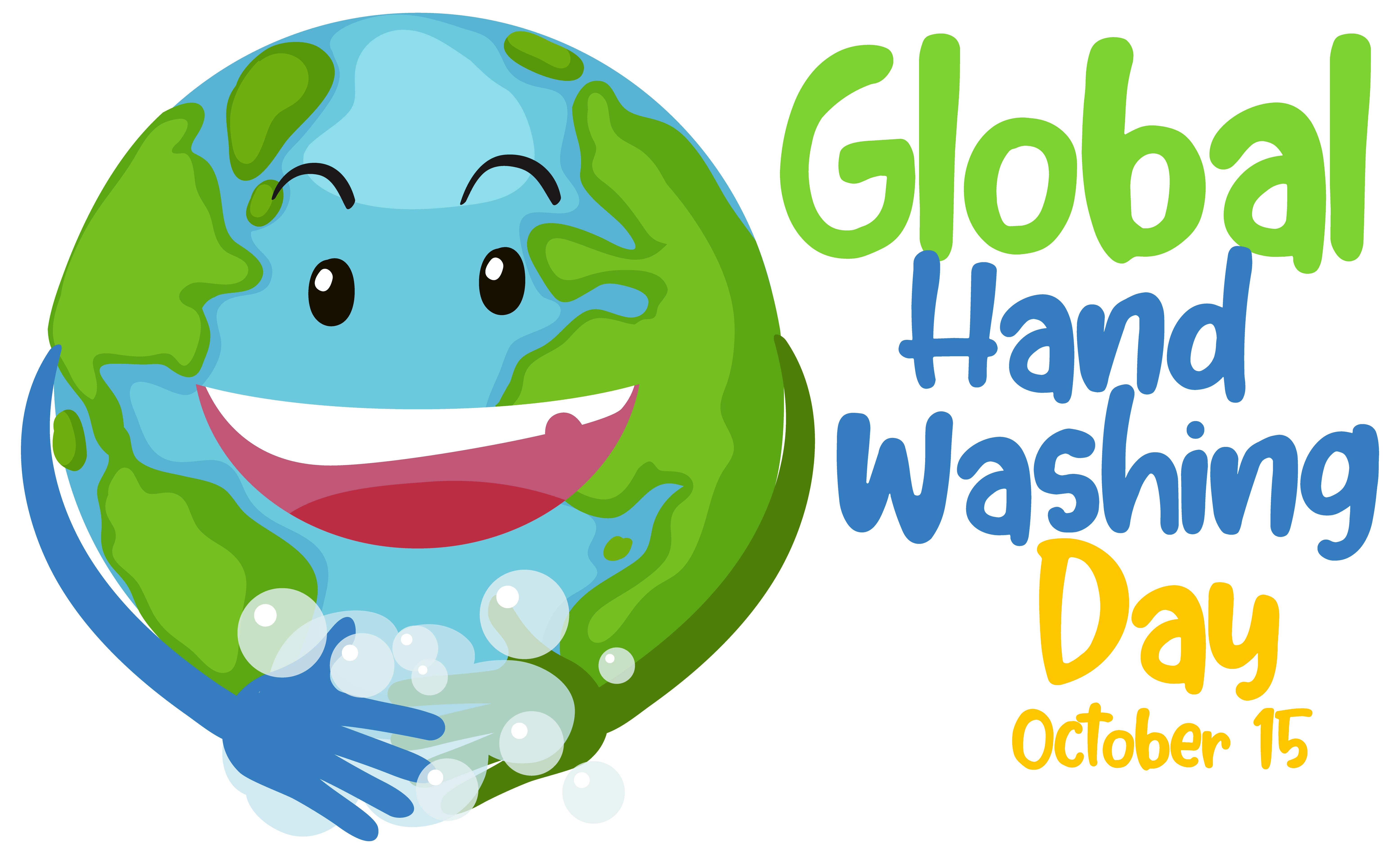
October 15th is Global Handwashing Day!

Featured
Global Handwashing Day banner design illustration

Do you know the five steps to washing your hands well? Wash Those Germs Away, written by children’s songwriter Kathy Kampa, was inspired by the COVID-19 virus and a call to better hand washing by our school nurse. This song will teach you (and those you love!) how to wash your hands thoroughly.

You’ll find a video created for young learners at my school. This might help your very young learners. The other video is a compilation of people who joined me in a “handwashing mission.”

Here are some suggestions for teaching this song:

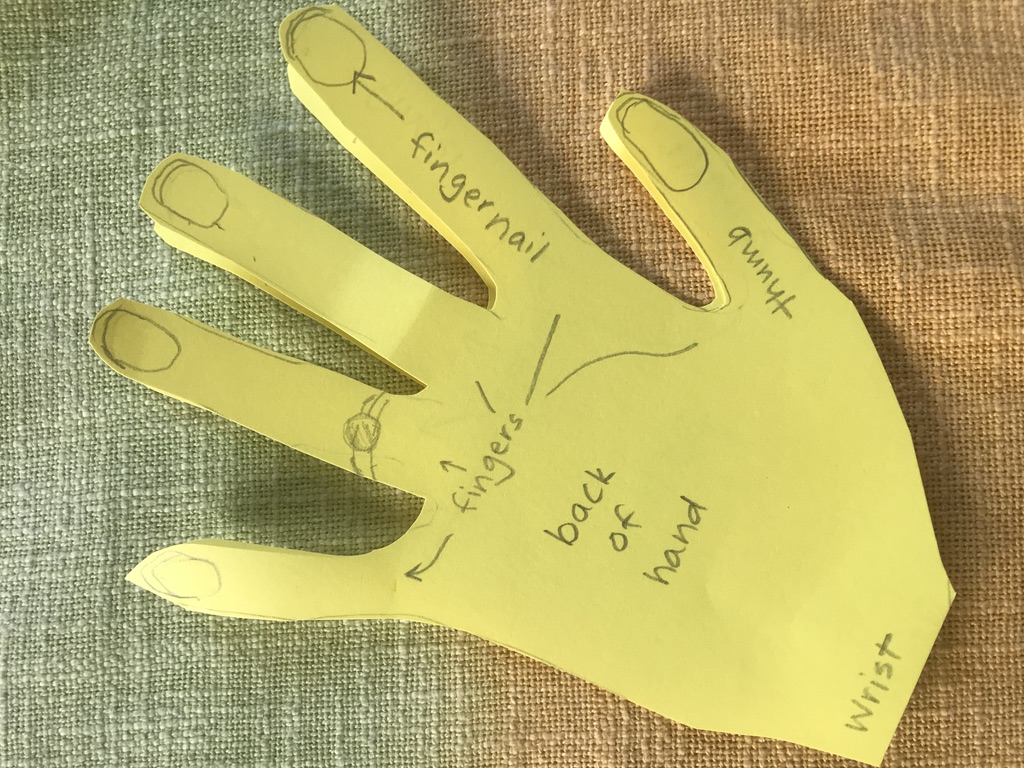
For young learners, check their knowledge of the different parts of their hands. Here are two ways to do this.

  1. First, let’s name the parts of your hand. You can say, Show me your fingers. Let’s say ‘fingers.’ Show me your thumbs. Let’s say ‘thumbs.’ Let’s count our fingers and our thumbs. 1-2-3-4-5-6-7-8-9-10! Continue in the same way with the other parts of the hand. Show me your fingernails . . . palms . . . . wrists.
  2. Then, you can prompt the names of each part of the hand by showing: What are these? (wiggle your fingers) Fingers!

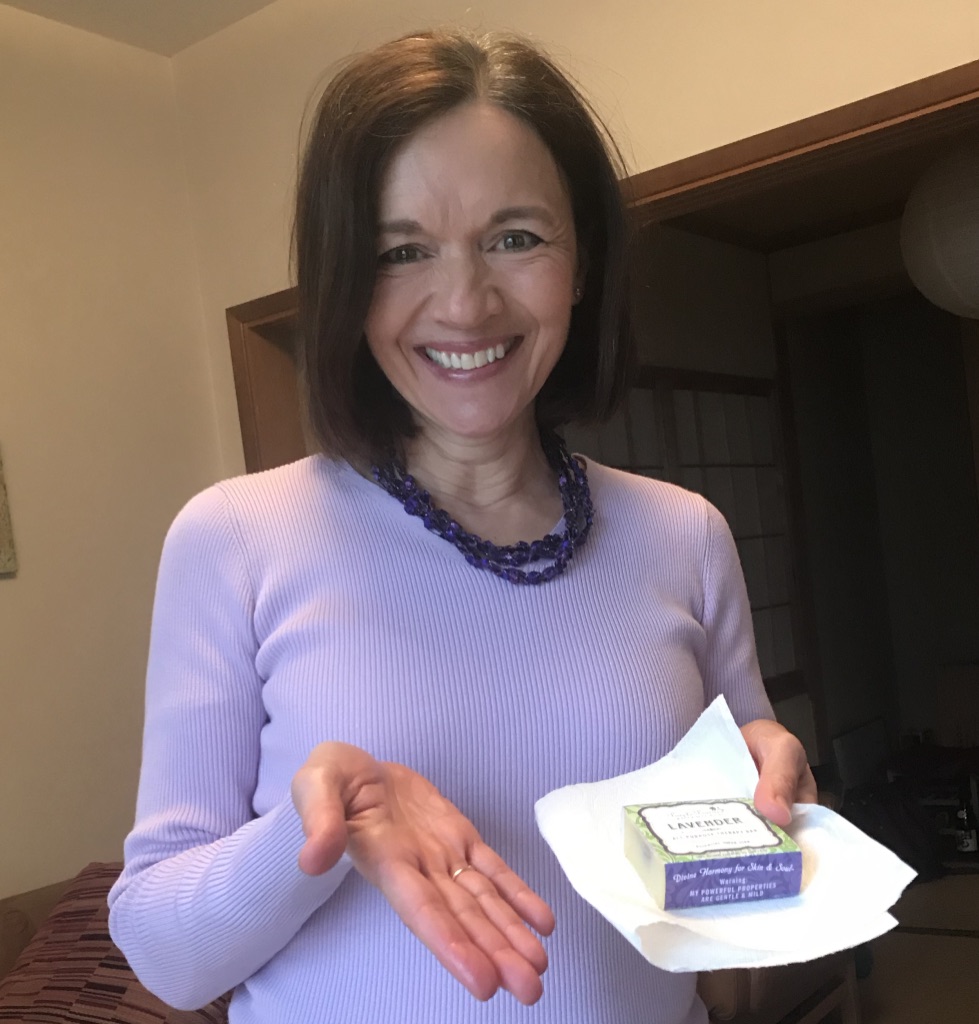
Now, prepare soap and a towel or paper towel. Pretend to turn on the water.

Get started:
Turn on the water. Get the soap.
Rub your hands together. Let’s wash our hands.
Turn off the water.
Sing:
1. Wash between, wash between, wash between your fingers,  
Wash between, wash between, wash between your fingers.
2. Wash the back of each hand,
Wash those germs away!
3. (Start with your pinkie and work towards your thumb,
then start with your thumb to your pinkie
.)

Then wash your fingers one by one,
Wash each finger,
Wash your thumbs,
1-2-3-4-5-6-7-8-9-10, almost done!
4. (Bend your fingers to wash your fingernails in your palm.)
Now you wash your fingernails and wash your palms,     
wash your fingernails and wash your palms,
5. Wash your wrists, both right and left,
Wash those germs away!    
Wash those germs away!  
Wash  –  those  – germs  – away . . . . . . . . . YEAH!
Shake off that water and dry your hands.

Thanks to creative artists

—- Andre DiMuzio for arranging this song

—–Brady Foster for compiling all of the videos!

To ensure that everyone knows how to wash their hands well, we’ve provided additional resources for you. Both the vocal version and the karaoke version are available for free!

Wash Those Germs Away by Kathy Kampa

Karaoke Version

Wash Those Germs Away –Karaoke version by Kathy Kampa/ arranged by Andre DiMuzio

Thanks to everyone who joined in this hand-washing compilation.

Thatcher Buck

Karoline Buck

Brady Foster

Yuzuho Fujisawa

Emma Hayashi

Maiko Hayashi

Barbara Hoskins-Sakamoto

Patrick Jackson

Kathy Kampa

Brooke Kearney

Lori Kampa Kearney

Shannon Kearney

Yoko Matsui

Dina Mitchell

Nao Oshima

Callie Sisel

Tomoko Tanaka

Christian Vilina

Chuck Vilina

Craig Wright

Special Thanks to Taruna Kapoor and students:

Kindergarten children:

Pushti Bhatti

Vihaan Singh

Pre-Nursery

Prince Rana

Arubhav Shishodia

Ranya Goel

Want to see some fun outtakes? Thanks to dogs Addie and Allie who joined in the fun! We also thank the pair of feet for trying to do this song.

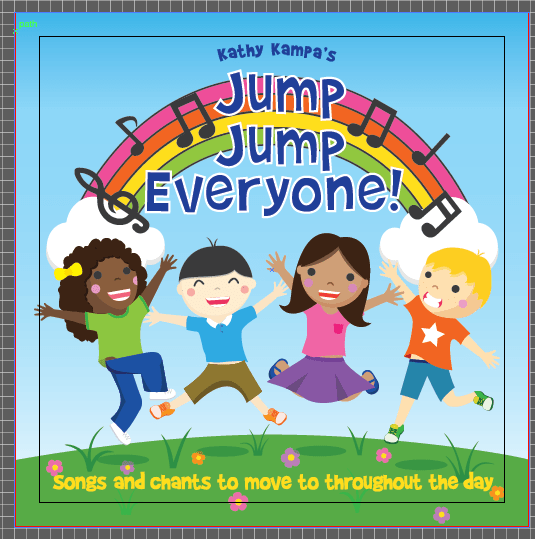
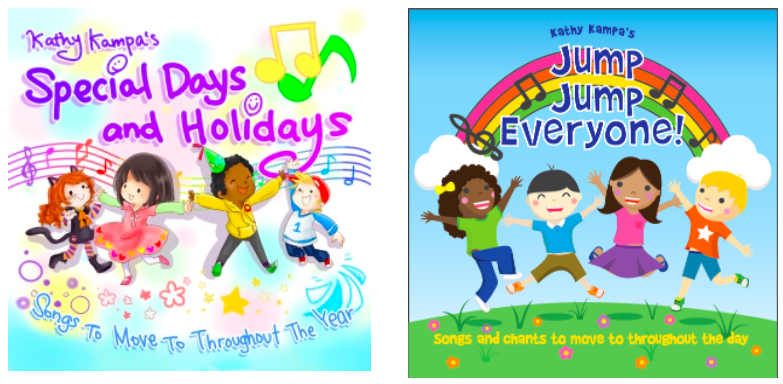
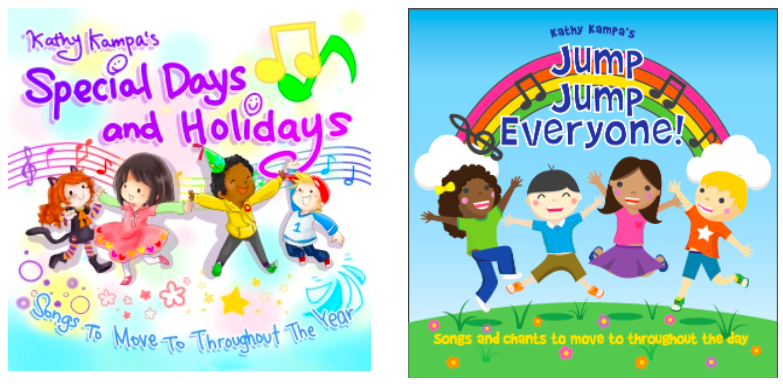
For more kid-tested music and movement activities, check out more music on iTunes. Kathy has produced two music CDs for very young learners, Kathy Kampa’s Special Days and Holidays and Jump Jump Everyone, which build English language skills through movement while nurturing creativity and imagination! Grown and loved by real kids!

Songwriter Kathy Kampa is a passionate educator of young learners. She seeks to nurture children’s imaginations and spark creativity through fun and engaging activities. Kathy believes that music and movement should be a part of every young child’s education. Kathy’s Songs for Kids (Kathy Kampa’s Special Days and Holidays and Jump Jump Everyone) are available on iTunes.

Kathy uses a globally-minded and inquiry-based approach to teaching through which students develop 21st-century skills. She also supports the development of English language skills by creating songs, chants, and TPR/movement activities targeted to young learners’ needs.

Kathy and her husband Charles Vilina are also co-authors of Magic TimeEverybody Up, and the ELTon award-winning course Oxford Discover, all published by Oxford University Press. They recently published Beehive and Buzz, courses for young English Language Learners.

#handwashing #COVID #coronavirus #washyourhands #socialdistancing #corona #handwash #KIDSMUSIC #CHILDRENSMUSIC #KATHYKAMPA #MAGICTIMEKIDS CHILDRENSSONGS #MOVEMENT #MUSICFORKIDS #KIDS #FAMILYMUSIC #MUSICCLASS #BABYMUSIC #TODDLERMUSIC #KIDSMUSICCLASS #preschool

Hand washing image Designed by brgfx / Freepik

Hop Along Easter Bunny

Featured

Easter is just around the corner! Holidays give us an opportunity to teach students about holiday traditions as well as teach some new vocabulary. I always love to find ways to get my students moving with a song.

In this post you’ll find:

  • the teaching steps and videos for teaching Hop Along Easter Bunny, as a fingerplay and as a whole-body activity
  • Google slides
  • videos to show you ways you can teach this song 
  • an Easter egg guessing activity created by Setsuko Toyama
  • arts and crafts activities

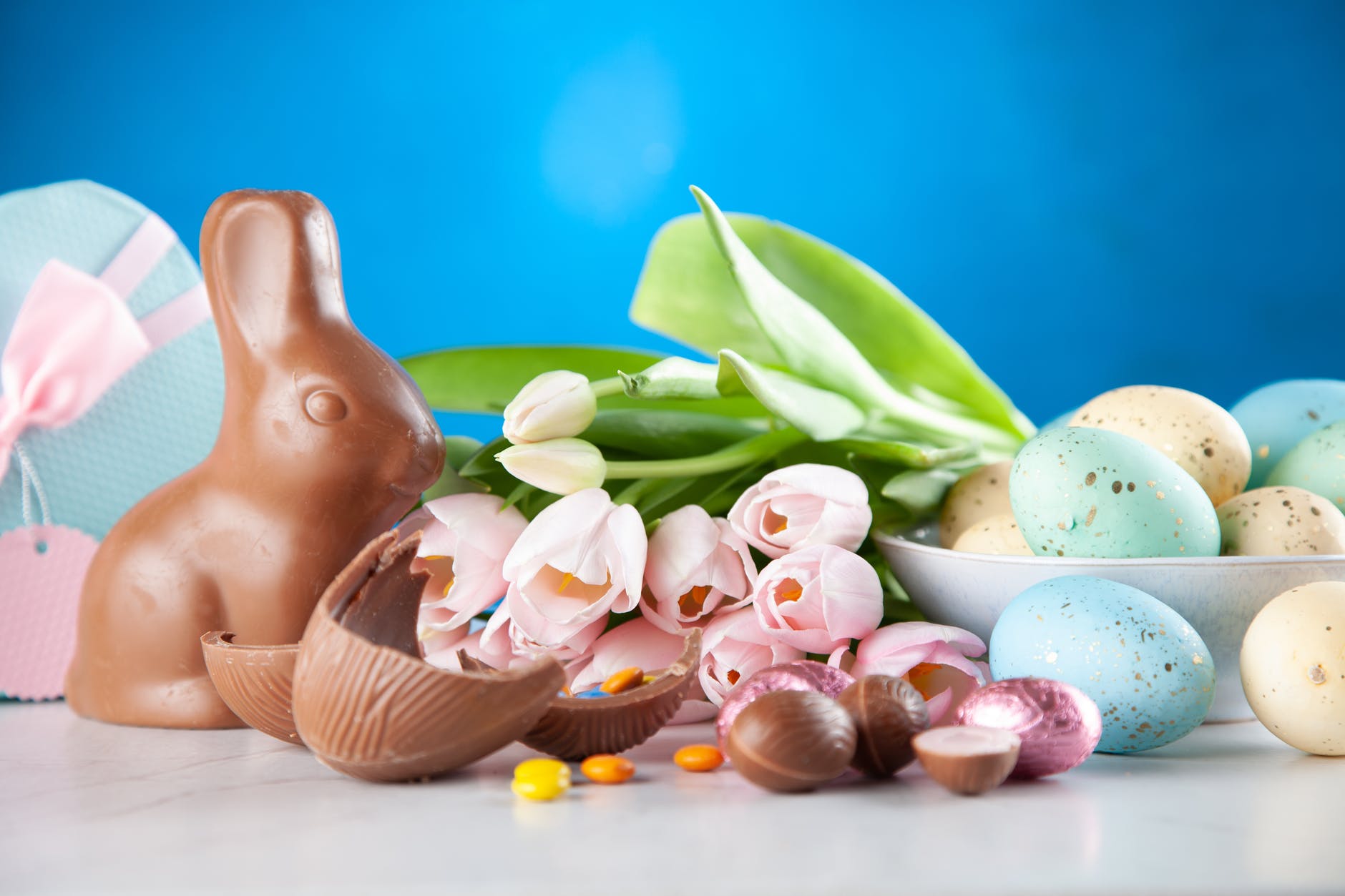
How will you teach your students about Easter? Look at the picture below. What do you see? What does it tell you about Easter? (rabbits, colored eggs, spring flowers, chocolates) 

When I teach young learners, I use many ways to introduce, practice, and review new language.  Use props. Then do this song in three different ways–first as a fingerplay, then moving around a circle, and finally, moving around the classroom.  I’ve made a simple video for you to help you learn it as a fingerplay.

  1. Fingerplay: If possible, sit on the floor with the students.  Stretch your legs out in front of you.  Make an Easter Bunny by raising two fingers.  Bounce your fingers up and down your legs as if you’re hopping.

Hop along Easter Bunny, hop along.

Hop along Easter Bunny, hop along.

Hop along Easter Bunny, Hop along Easter Bunny,

Hop along Easter Bunny, hop along.

Young children love surprises. Each time I sing one line, I quickly bring my fingers back to where I started. On the longer line, continue hopping. My students find it funny when I bring my fingers over my head and along my arm.

On the second verse, pretend to tiptoe using your fingers.

Tiptoe Easter Bunny, tiptoe.

Tiptoe Easter Bunny, tiptoe.

Tiptoe Easter Bunny, Tiptoe Easter Bunny,

Tiptoe Easter Bunny, tiptoe.

On the third verse, pretend to pick up an egg and hide it beside you, behind you, or under your legs.

Hide the eggs Easter Bunny, hide the eggs.

Hide the eggs Easter Bunny, hide the eggs.

Hide the eggs Easter Bunny, Hide the eggs Easter Bunny,

Hide the eggs Easter Bunny, hide the eggs.

On the last verse, pretend to run away.

Run away Easter Bunny, run away.

Run away Easter Bunny, run away.

Run away Easter Bunny, Run away Easter Bunny,

Run away Easter Bunny, run away.

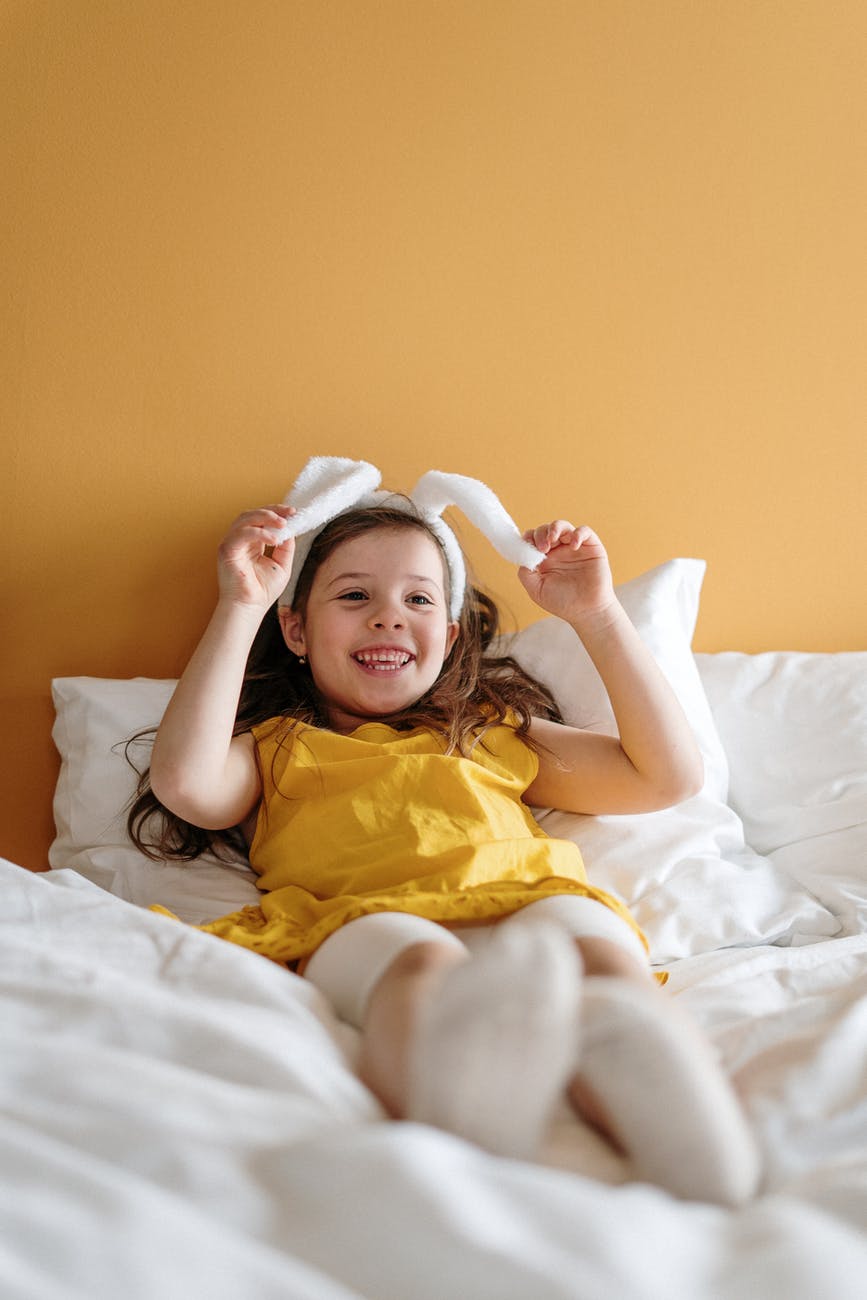
These Easter Bunny ears are a fun way to celebrate! Here's Brooke having fun in Tokyo.

2. Around the circle movement: Stand up and magically turn all of your students into Easter Bunnies. Say, Put on your ears, your whiskers, your tails, and your great big feet!

If you have bunny ears like Brooke, put them on!

Make a circle with your students.  Sing this transitional song from Jump Jump Everyone to get ready.

Transitional Song: Let’s make a circle big and round (4X)

https://magictimekids.com/2013/09/23/transitional-songs-part-one/

Moving around the circle together in the same direction.  Do you remember the four movements?

1. hop like a bunny (They might use their hands to make bunny ears or a bunny tail.)

2. tiptoe quietly

3. pretend to hide eggs

4. run

3. Around the Classroom: Students can move more freely around the classroom. The Easter Bunnies dance the song by moving around the children.

Here’s a simple video of my students in my classroom moving in a circle to this music.

For the studio version of this song, go to iTunes and click on Track #6 of Kathy Kampa’s Special Days and Holidays.

4. Follow-up Activity: In this activity created by Setsuko Toyama, students use critical thinking skills to figure out which egg has been chosen. Students need to know colors, shapes, and numbers. They also need to know words like “polka dots” and “stripes.”

Easter Eggs

Secretly choose one egg. Give one clue at a time, such as It’s pink.  Students can guess, Is it number three?  Add another clue.  It has blue polka dots.  Students guess again. Is it number one?  

After modeling this activity for the class, have students work in small groups or with partners. Make a copy for each student. Have fun celebrating Easter!

5. Art/Craft Activity This is a fun Easter Bunny activity from Nghia.Odin.DIY. 

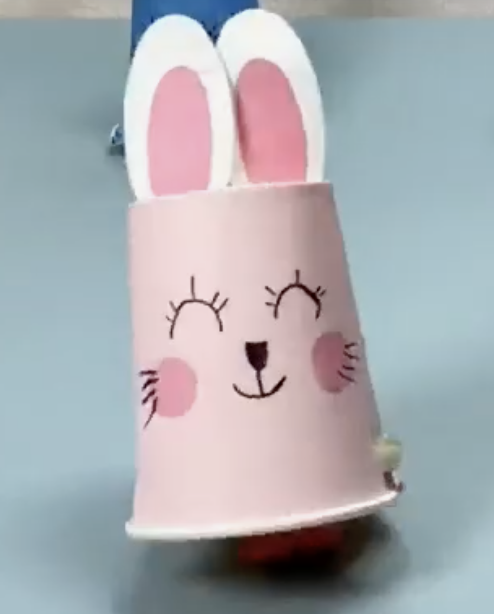
 Look at how this cute bunny moves! The bottle tops and rubberband make this bunny run away!

This image has an empty alt attribute; its file name is screen-shot-2023-03-23-at-16.31.24.png

If you’re looking for something super simple, try out these Easter cutting activities or Easter Egg Name Basket from Sam.

This image has an empty alt attribute; its file name is img_7171.jpeg
About me:

Kathy Kampa is a passionate educator of young learners. She seeks to nurture children’s imaginations and spark creativity through fun and engaging activities. Kathy believes that music and movement should be a part of every young child’s learning.

Kathy is the co-author of Magic Time, Everybody Up, Oxford Discover, Beehive, and Buzz (all published by Oxford University Press). She has taught young learners in Tokyo, Japan for over 30 years. Kathy is also active as a teacher trainer, inspiring teachers around the world. She has currently returned to her home state of Minnesota in the US.

If you’re interested in more of Kathy’s work, check out her YouTube channel at Kathy Kampa.

Are you streaming music? Go to Spotify or Apple Music to find Kathy’s music.

This image has an empty alt attribute; its file name is screen-shot-2022-05-11-at-22.56.25.png

You can find more engaging songs on Jump Jump Everyone

Jump Jump Everyone, my second album, is filled with many happy songs that have grown in my young learner classroom. The songs encourage children to move. Many songs link to classroom content. Children can dance like falling leaves, bloom like a spring flower, move through the butterfly life cycle . . . . you’ll find LOTS of fun and magic in this album.
If you’re looking for more action songs, check out these curated playlists.

Wiggly Little Worms

Have you ever wondered why worms surface when it rains? Worms appear everywhere!

My students have been fascinated with worms, so I created an activity where we pretend to be worms.

Follow the video to do a fingerplay or a whole-body activity.

The Little Worms

The little worms are in the mud, wiggling, wiggling, wiggling,

They push their heads up out of the mud and say, “Yippee! It’s a rainy day!”

The little worms are in the mud, wiggling, wiggling, wiggling,

They push their heads up out of the mud and cry, “Oh no! It’s a sunny day!”

Invite your students to think about other types of weather–windy, snowy, hot, cold, etc. How do you think the worms will feel?

If you want to learn more about worms:

There are multiple theories about why worms come out when it rains, including:

  • Movement: Wet soil allows worms to move more easily across the surface, which can help them find food, new habitats, or mates. They can also migrate longer distances than they could underground.
  • Survival: Worms need a moist environment to survive, and they can’t travel as fast while burrowing tunnels underground. After a rain, the soil pores and worm burrows fill with water, which allows worms to breathe through their skin.
  • Escape: The vibrations from raindrops hitting the ground can sound similar to vibrations from predators like moles, causing worms to flee to the surface for safety. Birds also take advantage of this behavior by mimicking rain to lure worms to the surface for food.
  • What can you do? If you see worms on the sidewalk after it rains, you can help them by moving them to a nearby patch of dirt or grass so they can burrow back underground more easily. 
  •  For more activities and songs for a rainy day, check out this post.
  • Go to Spotify or Apple Music to find Kathy’s music. You’ll find “Little Worms” on “Jump Jump Everyone.”Jump Jump Everyone, my second album, is filled with many happy songs that have grown in my young learner classroom. The songs encourage children to move. Many songs link to classroom content. Children can dance like falling leaves, bloom like a spring flower, move through the butterfly life cycle . . . . you’ll find LOTS of fun and magic in this album.
  • Kathy Kampa loves to bring joy to the world through her children’s music and English language books (Oxford University Press). She is passionate about making learning engaging for young learners. You’ll find more music and movement resources on Kathy’s YouTube page.

Rainy Day Songs

Featured

What do you do with young learners on a rainy day? Sing! Dance! Make inside recess a lot of fun!

In this post you’ll find three different rain songs, all perfect for young learners. You’ll find movement suggestions, videos, and Spotify playlists for more rainy-day songs. Enjoy!

This first song is called “It Is Raining.” It’s a song that encourages noticing, a first step in learning. It invites students to listen to the various sounds created by patting on different body parts. These sounds are called “body percussion.” They can listen to the similarities and differences in the sounds. Is the sound loud or quiet/soft? Is the sound high or low?

Students learn the names of body parts, like head, arms, legs, chest, cheeks, and tummy. They can pat the rhythm of the words.

It Is Raining

by Kathy Kampa on Jump Jump Everyone

(Goals: body part names, listening for different types of sounds, rhythm of the words)

It is raining. It is raining.

Wiggle your fingers from high to low to look like it’s raining.

On my legs. On my legs.

Pat your legs to the rhythm of the words.

Pitter patter raindrops. Pitter patter raindrops.

Tap that body part (legs) to the rhythm of the words.

I’m all wet! I’m all wet!

Brush your hands along your legs. Pretend to shake off the water.

Step inside my classroom in Japan to see my young learners singing and moving to this song.

Once your students have learned this song, take it a step further.

Think, think, think. Think, think, think. What should we do?

Tap your finger to the side of your forehead. Put your hands out to the side.

Let’s sing about our elbows!

Tap your elbows. How does that sound? Loud? Soft? High? Low? I think that sounds soft or quiet. Sing in the same way.

Let’s sing about our back(s)!

Tap your back. How does that sound? Loud? Soft? High? Low? I think that sounds kind of low. Sing in the same way.

Get a rainstick or shaker if you want to add an interesting sound.

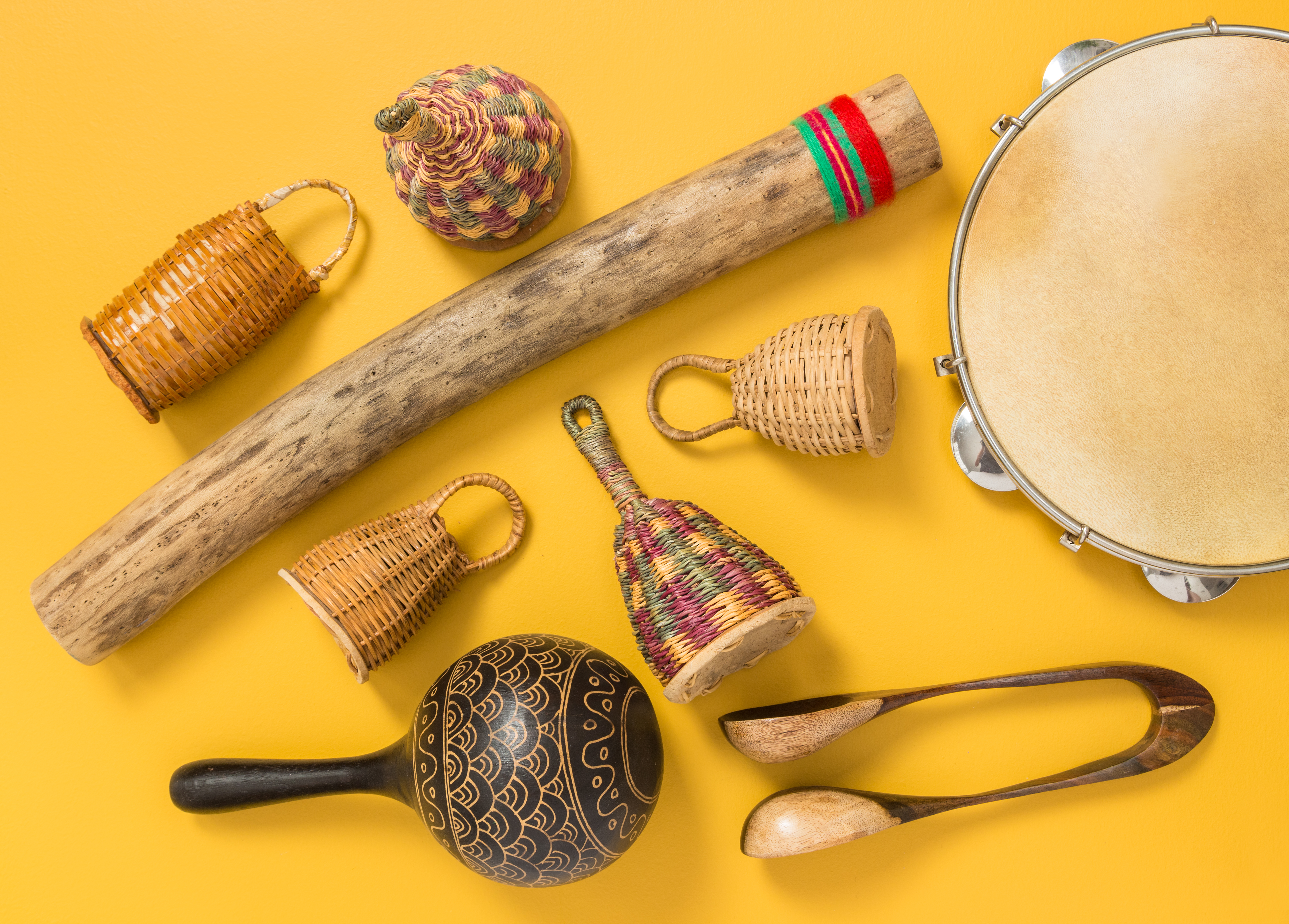
Ethnic percussion musical instruments on yellow background. Caxixi shakers, rainstick, pandeiro, maracas and musical spoons.

Our second song is called “Ame, Ame.” After living in Japan for over thirty years, I grew to love this traditional song. There are many different translations for it. Here’s mine.

Japanese Rain Song “Ame, Ame”

Beth’s Notes shares this notation as well as some delightful videos.

Pitter patter falling falling, Rain is falling down,

Tap on your legs. Wiggle fingers to look like rain falling.

Mother brings me my umbrella, Rain is falling down,

Pretend to open an umbrella. Wiggle fingers to look like rain falling.

Pi-chi Pi-chi, cha-pu, cha-pu, ran, ran, ran, (らん、らん、らん)

Tap on your legs.

If you have instruments, it’s fun for students to make their own rainstorm. First the wind and gentle rain, thunder, pouring rain, then returning to the wind and gentle rain.

Students can create this with body percussion sounds, too.

Lastly, a traditional rain song is “Rain Rain Go Away.”

Rain, Rain Go Away

Rain, rain, go away! Come again another day.

Make rain movements. Show “Go away.” Show “Come again.”

All the children want to play.

Clap your hands.

Rain, rain, go away!

Make rain movements. Show “Go away.”

There are many videos for this song. This one by Cocomelon shows how we can be creative while we wait for the rain to stop.

And if three songs aren’t enough for your rainy-day plans, check out these Spotify Playlists with lots of music for kids.

Are you streaming music? Go to Spotify or Apple Music to find Kathy’s music. You’ll find “It Is Raining” on “Jump Jump Everyone.”

Jump Jump Everyone, my second album, is filled with many happy songs that have grown in my young learner classroom. The songs encourage children to move. Many songs link to classroom content. Children can dance like falling leaves, bloom like a spring flower, move through the butterfly life cycle . . . . you’ll find LOTS of fun and magic in this album.

Kathy Kampa loves to bring joy to the world through her children’s music. She is passionate about making learning engaging for young learners. You’ll find more resources on Kathy’s YouTube page.

Here We Go Looby Loo!

Featured

If you want a fun song to practice the sound /l/, this is for you! Looby Loo is a simple dance song. It encourages listening to the movement directions and dancing together as a group. It invites young learners to add their own ideas, too.

Check out the lyrics to this traditional song from Mother Goose.

Here we go looby loo,

Here we go looby light,

Here we go looby loo,

All on a Saturday night!

For my young students in Japan, distinguishing /r/ and /l/ can be challenging. This is a playful way to practice the /l/ sound. In addition, students hear the rhyming words, light and night.

We sing this song in a circle. Use Let’s Make a Circle to get ready.

The verses invite students to put one part of their body into the middle of the circle. For young learners, we choose body parts, like hands, feet, arms, legs, tummy, head, fingers, thumbs, etc.

Verses:

You put your hands in.
You take (put) your hands out
You give your hand/hands a shake, shake, shake (shake, shake, shake, shake . . . .)
And turn yourself about!

To build learner agency, invite students to share their ideas.

All say: Think, think, think. Think, think, think. What should we do? Think, think, think. Think, think, think. What should we do?

Teacher: Should we put in our legs? Our thumbs? Our elbows?

Student: Legs. Let’s put our legs in the circle.

Here’s a video of my young learner class in Tokyo. These children range in age from three to six. They studied English once a week with me. Listen to how well they sing along! You can see how I’m prompting the next body part to sing about by naming and showing them two or three choices. You’ll also notice that we have a lot of fun shaking longer than the standard version of this song.

For older children, practice right and left with each body part. You may want to use less repetitions of the song.

For older students, it looks like this:

You put your right hand in.
You take (put) your right hand out
You give your hand a shake, shake, shake (shake, shake, shake, shake, shake, shake . . . .)
And turn yourself about!

If you want to learn more about this song, check out the history of it here. The professional version of this song isn’t available yet.

This image has an empty alt attribute; its file name is img_7171.jpeg
About me:

Kathy Kampa is a passionate educator of young learners. She seeks to nurture children’s imaginations and spark creativity through fun and engaging activities. Kathy believes music and movement should be a part of every young child’s learning.

Kathy is the co-author of Magic Time, Everybody Up, Oxford Discover, Beehive, and Buzz (all published by Oxford University Press). She has taught young learners in Tokyo, Japan for over 30 years. Kathy is also active as a teacher trainer, inspiring teachers around the world. She has currently returned to her home state of Minnesota in the US.

If you’re interested in more of Kathy’s work, check out her YouTube channel at Kathy Kampa.

Are you streaming music? Go to Spotify or Apple Music to find Kathy’s music.

This image has an empty alt attribute; its file name is screen-shot-2022-05-11-at-22.56.25.png

You can find more engaging songs on Kathy Kampa’s Special Days and Holidays and on Jump Jump Everyone

Kathy Kampa’s Special Days and Holidays has songs for the special events in children’s lives, including a loose tooth, birthdays, and many holidays.

Jump Jump Everyone is filled with many happy songs that have grown in my young learner classroom. The songs encourage children to move. Many songs link to classroom content. Children can dance like falling leaves, bloom like a spring flower, move through the butterfly life cycle . . . . you’ll find LOTS of fun and magic in this album.

For more action songs, check out this curated playlist.

Hokey Pokey Like The Easter Bunny!

Featured

 Let’s get hopping!  Put on your bunny ears and do the Easter Bunny Hop.

 Say to your students, Let’s pretend to be Easter Bunnies.  Look at this picture.


Let’s pretend to be the Easter Bunny. We need . . . 

Students may say, such as two long ears, two big feet, a bunny tail, bunny paws, and a bunny nose. This song teaches ears, feet, tail, tummy, and whole self as well as the directional movements in, out, and around. Students have a lot of fun jumping and shaking. There’s a slow version, followed by a fast one. It’s easy to just turn on the music and dance!

Students can stand in their spots or you can make a circle together. Sing Let’s Make A Circle. (Click here for this song.)

Here are the movements. 

Say, Show me your Easter Bunny ears.

Put your bunny ears in. Put your bunny ears out.

Let’s shake our Easter Bunny ears. 

Jump like a bunny.  Then, turn around and say, Happy Easter!

Click here to watch the video of my former students dancing to this song. Grab the recording to listen to the entire song. It’s a great way to teach body parts and directional movements. Use this as a brain break, an energizer, or an Easter celebration son.

Easter Bunny Hop

Words by Kathy Kampa, Music Hokey Pokey

on Kathy Kampa’s Special Days and Holidays, available through iTunes

Slowly: You put your bunny ears in.

You put your bunny ears out.

You put your bunny ears in. And you shake them all about.

Shake, shake, shake, shake, shake, shake, shake!

Jump like a bunny. Jump, jump, jump!

Turn around and shout! Happy Easter!

Then sing quickly . . .

You put your bunny ears in.

You put your bunny ears out.

You put your bunny ears in. And you shake them all about.

Shake, shake, shake! (* three shakes!)

Jump like a bunny. Jump, jump, jump!

Turn around and shout! Happy Easter!

Repeat each verse slowly, then quickly with these body parts.

2. You put your bunny feet in.

3. You put your bunny tail in.

4. You put your bunny tummy in.

5. You put your whole self in.


Click here to get this song on iTunes on Kathy Kampa’s Special Days and Holidays, track #7. You can find it on Spotify and Apple Music, too.

Special Days and Holidays

Kathy Kampa loves to bring joy to the world through her children’s music. She is passionate about making learning engaging for young learners. You’ll find more resources on Kathy’s YouTube page.

Looking for more Easter songs? Check out this super simple song for little ones. It’s called “Hop Along Easter Bunny.”

After your young learners wiggle about, check out this quieting activity. This simple reproducible is from Julissa Mora. For more hands-on Easter resources, check out my Pinterest page.

Hello, Spring!

Featured

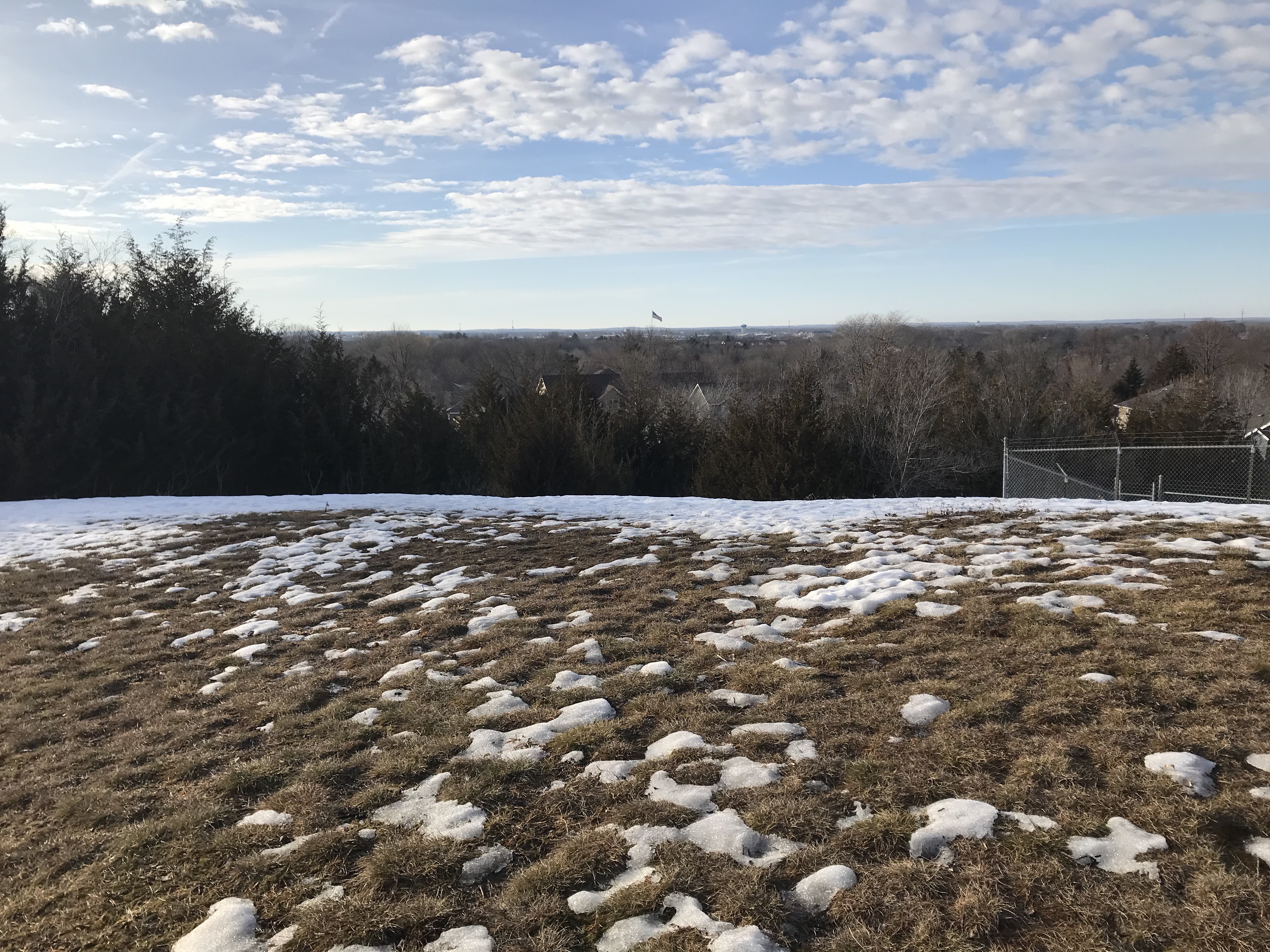
Here in the Northern Hemisphere, spring has officially begun. What does spring look like in Minnesota? The snow has been melting, so we can finally see the ground. It might even snow again tomorrow. Soon, however, we will see many signs of spring we’ve been waiting for!

Our favorite point to stop on our walk, St. Cloud, Minnesota, March, 2022

Many people take walks in my neighborhood. As they stroll past my window, I delight in watching the little ones. I often see them pointing at things–“Look! A butterfly! Look! A puppy!” Their chubby little fingers point to all of the wonderful things around them.

With that thought in mind, I wrote this song called “Hello Spring.” The melody comes from a traditional Scottish song I have always loved called “Ally Bally.” Imagine this song as a greeting to the many things one might see in the spring.

Hello Spring lyrics by Kathy Kampa on Jump Jump Everyone

Hello, bluebirds. Hello, bumblebees.

Hello, red tulips. Hello, cherry trees.

Hello, warm sun. Hello, blue skies.

Hello, little ants and orange butterflies!

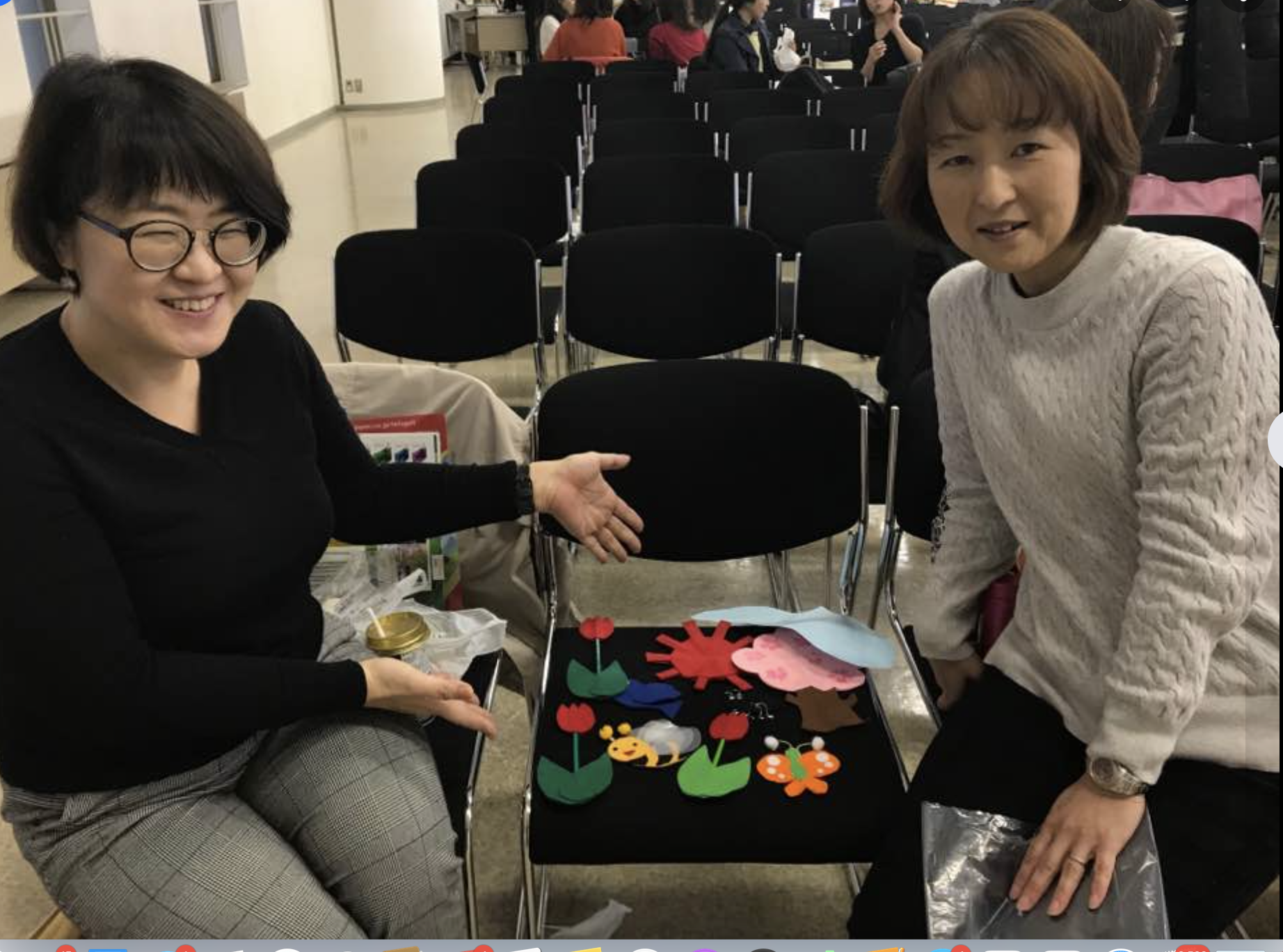
  1. Teach students the vocabulary using the Google images here. You can also create felt images like these creative teachers in Japan.

2. Use my movements from the video, or create your own.

3. I sing the song one part at a time, and the children echo. Then we all sing together.

Feel free to create your own movements. If you’d like some movement ideas, check out my video. We filmed it in Tokyo, Japan at the start of the pandemic in 2020.

Special thanks go out to Andre DiMuzio for his beautiful arrangement. Thanks also to Connor McKeown and Christian Vilina for their help with this video.

You can find this song at iTunes and ETJbookservice. “Hello Spring” is also available on streaming services, such as Spotify and Apple Music.

As an extension to this song, you can create your own lyrics. Ask your students, What do you see in the spring? Arrange the words to create your version of the song. Listen closely to the syllables. so that your song will fit the melody and rhythm. Move the words around to choose the best idea.

Hello, _______ _______. (2 sounds)

Hello, _____ _____ _________. (3 sounds-short-short long)

Hello, _______ _______ _______. ( 3 sounds)

Hello, _____ _____ _________. (3 sounds-short-short long)

Hello, _______ _______. (2 sounds)

Hello, _______ _______. (2 sounds)

Hello, _____ _____ _________. (3 sounds-short-short long)

and orange _____ _____ _________. (3 sounds-short-short long)

If you’re looking for more craft projects to link to this song, try these. You’ll find more ideas on my Pinterest page.

Bugs by Renata. Tulips

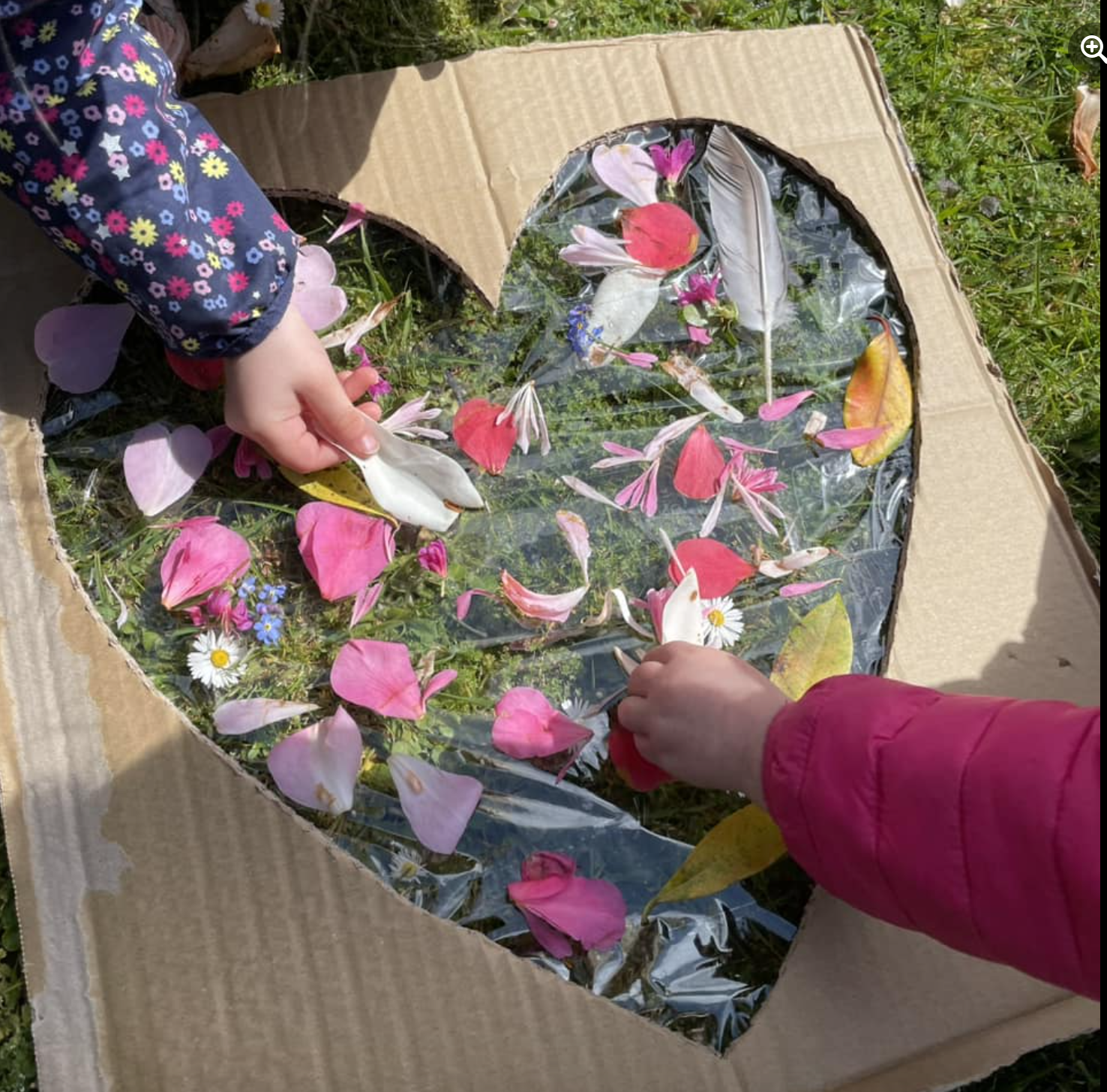
I want to share this beautiful spring project from Jellytots Childcare-Ofsted Registered Childminders.  

They write, “Anyone who follows our page will already know that our tots looooveee found things 🌺🌿🌼🪻🍁 So today we took a homemade heart canvas with us and added tape to make one side sticky. Every time we found something we liked – feathers, fallen petals, leaves, dandelion clocks, daises, etc., we added them to our canvas to create a beautiful floral heart 💖 We’re going to add tape to the open side and keep it up in the playroom so we can watch the changes to the flowers and petals 😍

My second album “Jump Jump Everyone” is filled with many happy songs that have grown in my young learner’s classroom. The songs build language with useful patterns and vocabulary. Many songs link to classroom content. There are numerous classroom management songs, too. Children can dance like falling leaves, bloom like a spring flower, move through the butterfly life cycle . . . . you’ll find LOTS of fun and magic in this album.
Jump Jump Everyone

Happy teaching!

Kathy Kampa is a passionate educator of young learners. She seeks to nurture children’s imaginations and spark creativity through fun and engaging activities. Kathy believes music and movement should be a part of every young child’s learning.

Kathy and her husband Chuck have co-authored English language courses for young learners, including Magic Time, Everybody Up, Oxford Discover, Beehive, and Buzz (all published by Oxford University Press). They have also written English-language songs for Tokyo Shoseki. Kathy has taught young learners in Tokyo, Japan for 30 years. She has returned to her home state of Minnesota in the US where she continues to teach young learners.

Kathy is active as a teacher trainer, inspiring teachers around the world. Kathy presents workshops on English language education for children, including Growth Mindset, Multiple Intelligences strategies, inquiry-based learning, creativity, global skills, and music and movement.

If you’re interested in more of Kathy’s work, check out her YouTube channel at Kathy Kampa.

Hearts and Lots of Love for Valentine’s Day

Featured

Valentine’s Day is a special time for us to express our love or friendship. Here are two of my new songs.

How do I write songs? Sometimes when I’m driving in my car or out for a walk, I’ll hear a song in my head. I’ll keep singing it until I have a place to stop and record it on my phone. Sometimes a song wakes me up from my sleep, and I’ll write notes on a sheet of paper next to my bed. Children often ask me to sing a song about something they are interested in. I’ll ponder that topic until their special song appears.

After a song is born, I use it with lots of young learners to see what works, what variations appear, what we can do with it, what vocabulary and concepts it teaches, and what makes it fun and special. A song is often filled with surprises!

My first new song is called “I Love You.” I love writing songs for young learners to move to. “Jump” by Patty Shukla invites children to move. But children also need time to be calm and quiet. That’s what Patty’s song does. So does mine.

My song “I Love You” can be used to help children feel cozy, calm, and quiet, especially at the end of a class. Children might rock from side to side, hold a stuffed animal, or even get a hug.

For parents at home, this is a lovely lullaby to sing before your child falls asleep.

When our two sons were little boys, we loved to snuggle up and sing lullabies to them.

And if you’re wondering about this photo, our children spent most of their young lives in Japan. We were invited to participate in our local autumn festival by carrying the o-mikoshi, making rice balls, and spending time with our neighbors in Nakamachi.

Here are the lyrics to my song:

I Love You! a calming song by Kathy Kampa (Copyright © 2024 Kathleen A. Kampa)

I love you, I really, really do! I love you.

I love you, I really, really do! I love you.

I love you in the morning,

I love you at night,

I love you through the day when the sun shines bright.

I love you, I really, really do. I really love you.

Here’s the video.

Variations:

SEL (Social Emotional Learning) is now part of many curriculums at school. Use this variation to affirm young learners.

I like me, I really, really do. I like me.

I like me, I really, really do. I like me.

I like me in the morning,

I like me at night,

I like me through the day when the sun shines bright.

I like me, I really, really do. I really like me.

Or JUST CHANGE “ME” to “YOU.” Children can sing this to each other.

I’ve been studying French with Duolingo. I started to wonder if I could write this song in French. With a little help from my French-speaking friends, we’ve come up with this version of the first verse.

 Je t’aime. Encore, toujours, Je t’aime. (Or Je t’aime d’amour– pronounced: J’t’em d’a-mour)

 Je t’aime. Encore, toujours, Je t’aime. (Or Je t’aime d’amour)

Je t’aime le matin.  Je t’aime la nuit,

Et toute la journée quand le soleil sourit, 

Je t’aime. Encore, toujours. Je t’aime. (Or Je t’aime d’amour)

___________________________________________________

Here’s a more active song for young learners called “A Little Heart, A Big Heart.” They can sing and dance to it alone, with a partner, or with their whole class.

When I first teach this, I cut out a small heart and show it to my students. I sing, I made a little heart.

Then I do the same making a big heart, singing, I made a big heart.

Then I put them together, singing, See, it’s a Valentine.

Then I hand this Valentine to someone, singing, Please say you’ll be mine.

Now let’s add some simple movements!

Here’s the video. The lyrics and Google slides will follow.

Video of A Little Heart, A Big Heart by Kathy Kampa

A Little Heart, A Big Heart lyrics by Kathy Kampa (Copyright © 2024 Kathleen A. Kampa) melody inspired from the traditional Bahamian song, Big Bunch of Roses

I made a little heart, (make a little heart shape, or just a small shape)

I made a big heart, (make a big heart shape, or just a big shape)

See, it’s a Valentine. (little by little open your arms to make a big V shape on “Valentine”)

Please say you’ll be mine. (hug)

Think, think, think. Think, think, think. What should we do?

In Place movements: clap, swing, twist, jump, march, hop, turn around, wiggle . . .

Children can dance alone or with a partner. They can also move together as a class.

Sing the melody above using the syllable “la”

La la la la la la!

La la la la la!

La la la la la la !

La la la la la!

Here are the Google slides to help you teach this.

Here’s a BIG heart, little heart craft activity.

Songwriter Kathy Kampa is a passionate educator of young learners. She seeks to nurture children’s imaginations and spark creativity through fun and engaging activities. Kathy believes that music and movement should be a part of every young child’s education. Kathy’s songs for kids (Kathy Kampa’s Special Days and Holidays and Jump Jump Everyone) are available on iTunes.

Kathy uses a globally-minded and inquiry-based approach to teaching through which students develop 21st-century skills. She also supports the development of English language skills by creating songs, chants, and TPR/movement activities targeted to young learners’ needs. Kathy is an author and teacher-trainer with Oxford University Press.

For more kid-tested music and movement activities, check out more music on iTunes, Spotify, and Apple Music. Kathy has produced two music CDs for very young learners, Kathy Kampa’s Special Days and Holidays and Jump Jump Everyone, which build English language skills through music and movement while nurturing creativity and imagination. Grown and loved by real kids!

Check out Kathy Kampa’s YouTube channel here.

I’m Your Friend, a Valentine’s Day Song For Kids

Featured

Valentine’s Day is a time for children to celebrate friendships! Classroom activities like this can teach young learners how to develop healthy relationships.

To celebrate Valentine’s Day here in the United States, children often make cards or little treats for their friends. I’ve invited my friend Ava to share her thoughts about how she celebrates Valentine’s Day with her friends and classmates.

Ava shares Valentine’s Day traditions in the US

I like to celebrate holidays with music and movement! Today’s song is called “I’m Your Friend,” from my album Jump Jump Everyone. With this song, you can add valuable skills such as phonemic awareness to your lesson while celebrating Valentine’s Day and friendship.

Rhyming words

Listen for the rhyming words at the end of each line. In this song, the words mine, nine, and Valentine all rhyme. Why is rhyming important? Check out this fabulous post by Marissa Labuz. Rhyming aids memory, supports phonemic awareness, and builds listening skills. Children have fun singing songs and chants with rhyming words.

Movement

This song invites children to move in various ways, such as galloping, skipping, jumping, walking, and even skating! Developing gross motor skills is important for young learners. The movements encourage students to move from one place to another. These are called “locomotor movements.” If you have a smaller space, students can move in a small circle in their own spot.

You can sing this song with small or large classes. I usually teach this song to kindergarten and early elementary students.

Here’s a video to teach you the lyrics and the movements:

Here are the lyrics to the song:

3. I’m Your Friend words and music by Kathy Kampa

From Jump Jump Everyone CD

Chorus:

I’m your friend.

(Gesture to chest, then to a person)

You are mine.

(Gesture to person, then to heart)

Will you be my Valentine?

(Swing hands with partner or in the circle)

Repeat.

Let’s walk.

(See the notes below. Children can hold hands in a whole class circle or move with a partner.)

Verse:

  1. Walk, walk, walk with me. Walking, walking, 1-2-3,

4-5-6, 7-8-9,  Will you be my Valentine?

(Clap-4-5-6,-7-8-9) Make a heart shape with your fingers or arms by yourself or with a friend. Or give your partner a hug!

*repeat with skip, jump, slide, skate, dance

Here are Google slides for this song.

Building Social Skills

Here’s the version from the video:

Stand in one big circle. Face the middle for the chorus, and then move around the circle with the whole class for the verses. For the counting part, 4-5-6, 7-8-9, clap your hands on one side and then the other. Finally, make a heart shape using your fingers or arms.

Children face the middle, then hold hands together to move around the circle.

Once your children know this song, you can add some new challenges. Step into my English class in Tokyo, Japan. Check out how my English students added their own ideas.

Children can dance with partners. How can you help them find partners? When children are in a circle, you can walk around the circle. Have two children turn to face each other. They can do all of the movements with their partners.

Or you can use this transitional chant. Pat and clap your legs to keep the beat as you say the chant. Count slowly as you get closer to the number ten.

It’s okay for partners to be scattered around your space and move in their own little group. If you have an odd person out, make a group of three.

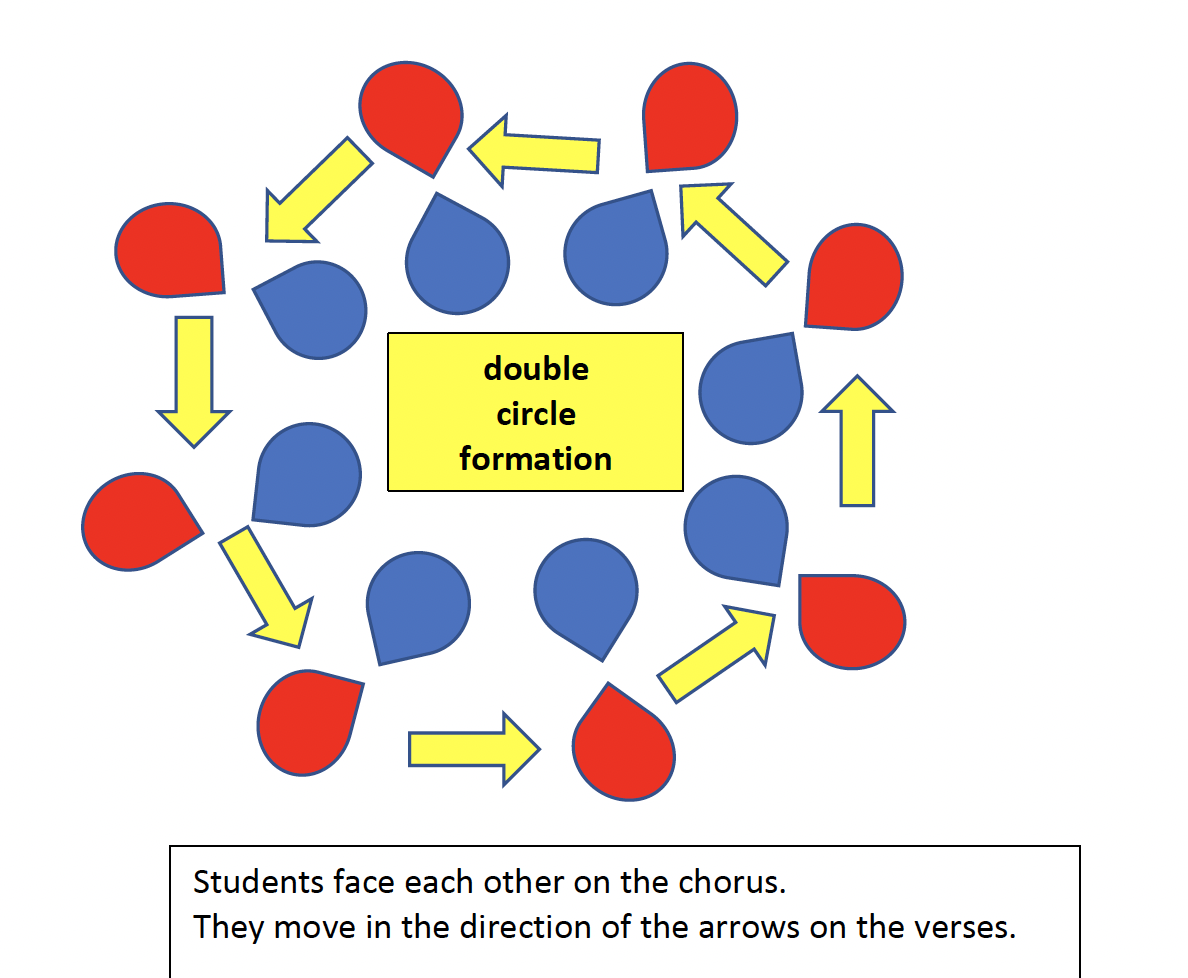
For elementary students, you might try this challenge. Make an inside and an outside circle. One partner stands in the inside circle, and the other in an outside circle. Partners face each other. Children can do the movements for the verse holding hands with their partner around the circle. At the end of the verse, the outside circle children move ahead to the next partner.

So you can make this as simple or as fancy as you’d like!

If you’re looking for music to play in your classroom, check out this Spotify playlist for February:

Come back to my blog to discover more fun activities that build language through music and movement. Thank you!

Celebrate Valentine's Day with this delightful song for children.

Songwriter Kathy Kampa is a passionate educator of young learners. She seeks to nurture children’s imaginations and spark creativity through fun and engaging activities. Kathy believes that music and movement should be a part of every young child’s education. Kathy’s songs for kids (Kathy Kampa’s Special Days and Holidays and Jump Jump Everyone) are available on iTunes.

Kathy uses a globally-minded and inquiry-based approach to teaching through which students develop 21st-century skills. She also supports the development of English language skills by creating songs, chants, and TPR/movement activities targeted to young learners’ needs.

For more kid-tested music and movement activities, check out more music on iTunes. Kathy has produced two music CDs for very young learners, Kathy Kampa’s Special Days and Holidays and Jump Jump Everyone, which build English language skills through music and movement while nurturing creativity and imagination! Grown and loved by real kids!