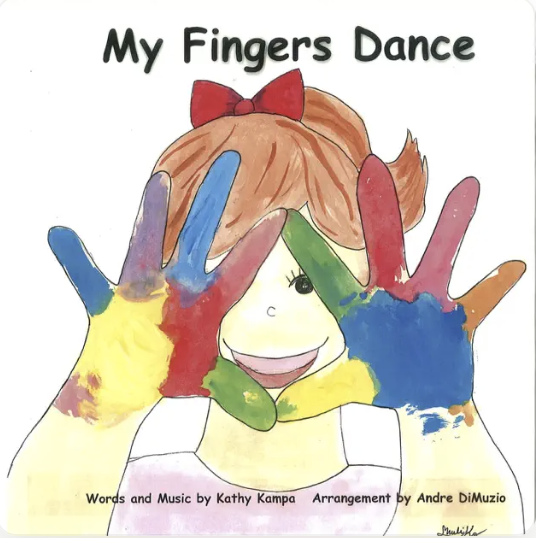
My Fingers Dance!

Fingerplays are a fun way to add movement to your lesson. Students can move their fingers while sitting. When you need an activity to bring the energy level down in your class, consider a fingerplay.

This chant teaches the heart shape (perfect for Valentine’s Day!) as well as other shapes (circle, square, rectangle, triangle, star). Notice the repetition in the phrases, which is important for young learners.
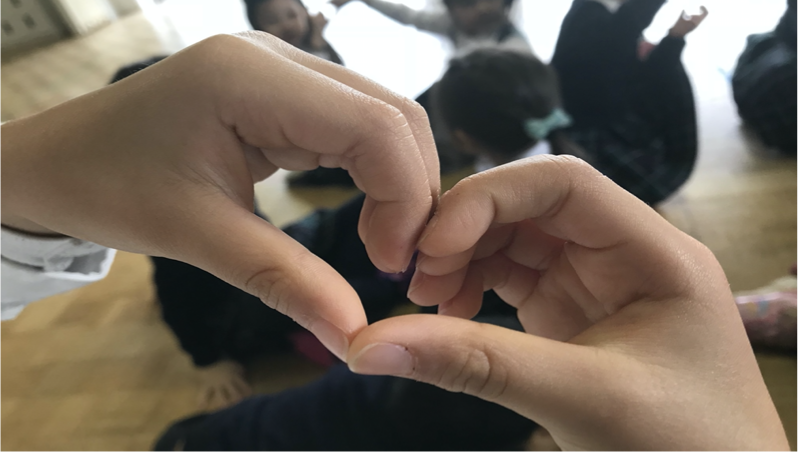
Encourage students to make shapes in different ways to nurture their creativity. Notice the great things your young learners are doing. That’s what I call CCBA–Catch Children Being Amazing!

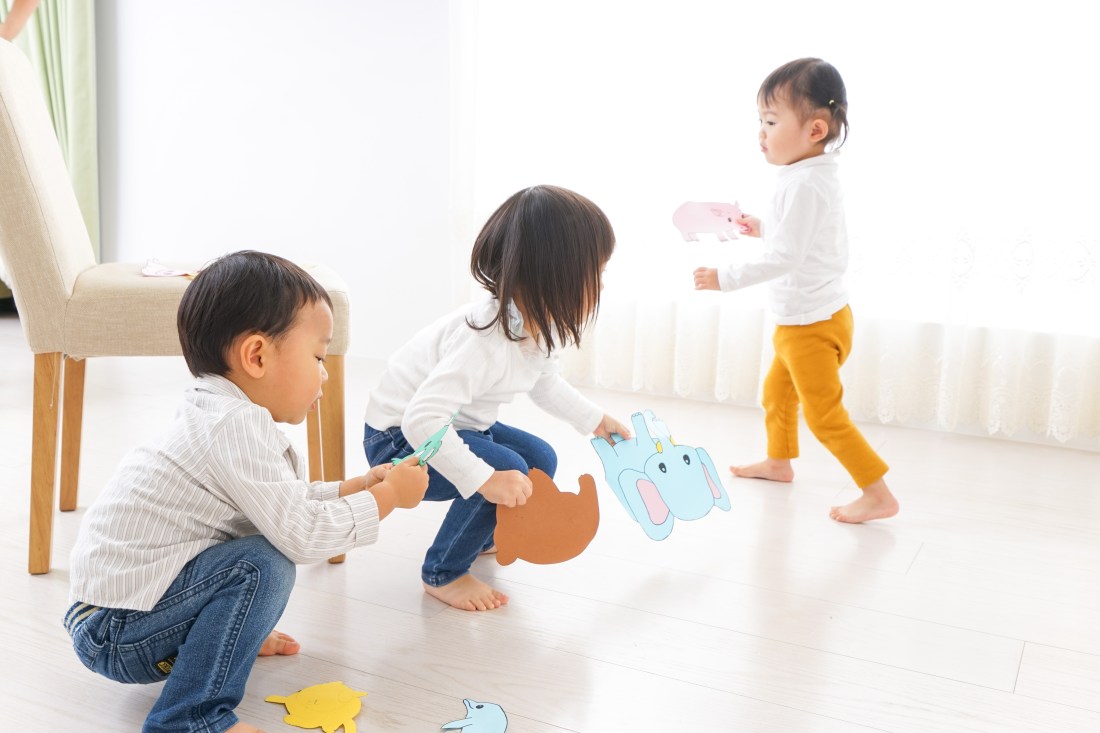
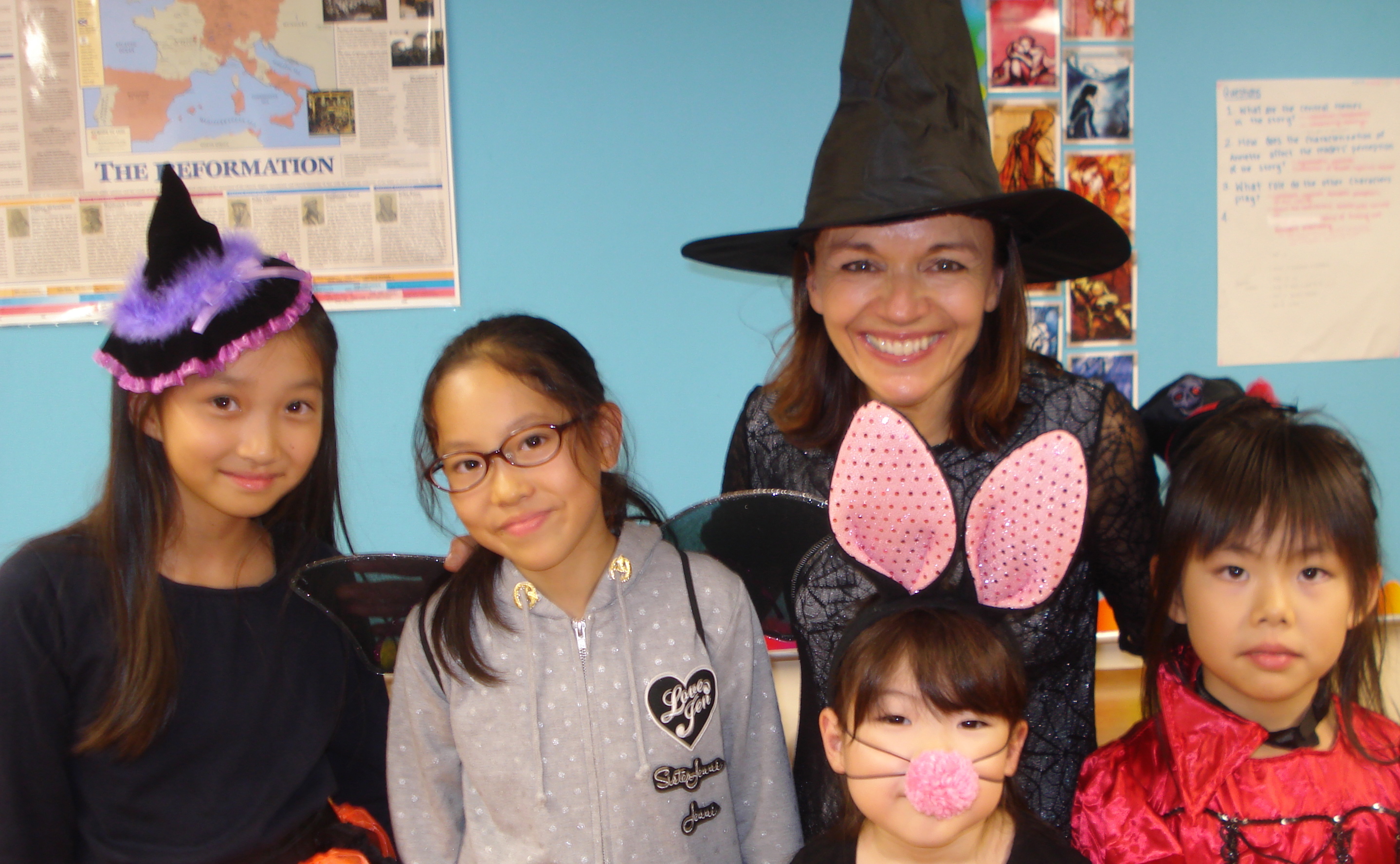
Check out my Japanese students making shapes. Here we are studying together online. (Photos used with permission)
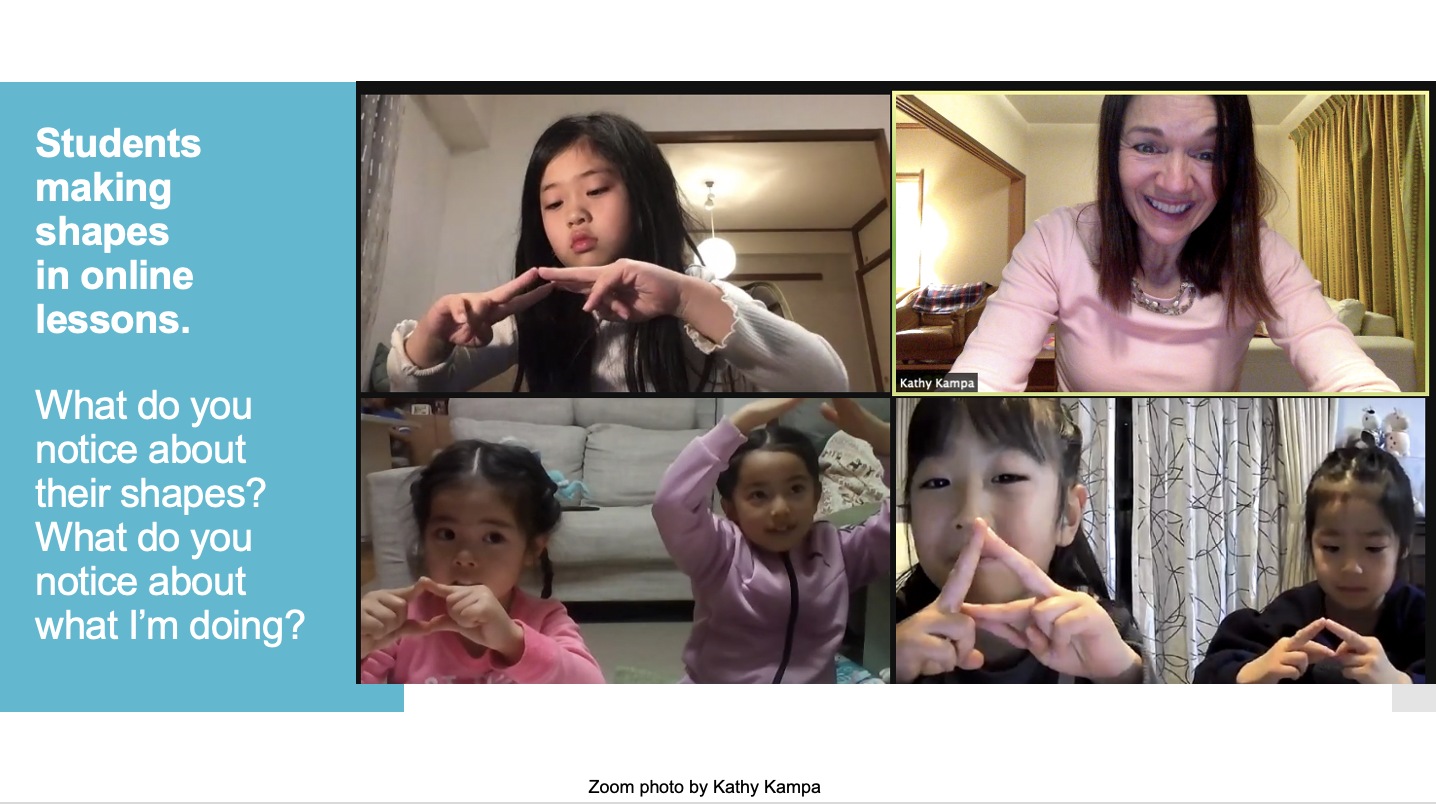
My students just love this chant! I hope that you do, too.

My Fingers Dance

by Kathy Kampa on Jump Jump Everyone. Available on iTunes, Spotify, and other streaming services.

My fingers, fingers, fingers, fingers, fingers dance!

My fingers, fingers, fingers, fingers, fingers dance!

Make a circle! Take a picture. Make a circle! Take a picture.

*Substitute additional shapes for “circle.”

Check out the video below for the simple motions.

This Google slide from the video provides a visual of the shapes.

The music is available on iTunes and on streaming services such as Spotify and Apple Music.

Let’s practice shapes some more!

Time for a surprise! Have students open their hands and close their eyes. Hand them one of the shapes. Use this little chant I just made.

A Big Surprise by Kathy Kampa

Open your hands and close your eyes.

Get ready for a big surprise!

My students enjoy going on a shape hunt. We focus on one shape at a time, and look for things with that shape.

Kids love using the shaped “magnifying glasses” to find shapes in everyday objects around them! You can make these darling shape finders from Amber at Apples to Applique (amber@applestoapplique.com)

Learning something in many ways is fun for young learners! As Dr. Howard Gardner pointed out in his theory of Multiple Intelligences, children can learn more successfully when using many ways to approach a topic. In this lesson, students hear words in rhythm, they move their bodies, they see shapes, and they interact together.

If you’re celebrating Valentine’s Day, students can make cards with LOTS of shapes!

Finally, if you read my last post, you’ll remember how to make a heart shape with your hands. This poem was shared with me by my colleague:

    I put my hands together.  (put the heels of your hands together)

    This is how I start.  (hold)

    I curve my fingers just like this (curve your fingers to touch each other)

    and now I have a heart.  (this should make a heart shape)

    Now, look through the heart to see each of the students in your class.

    Say, “I see you in my heart!”
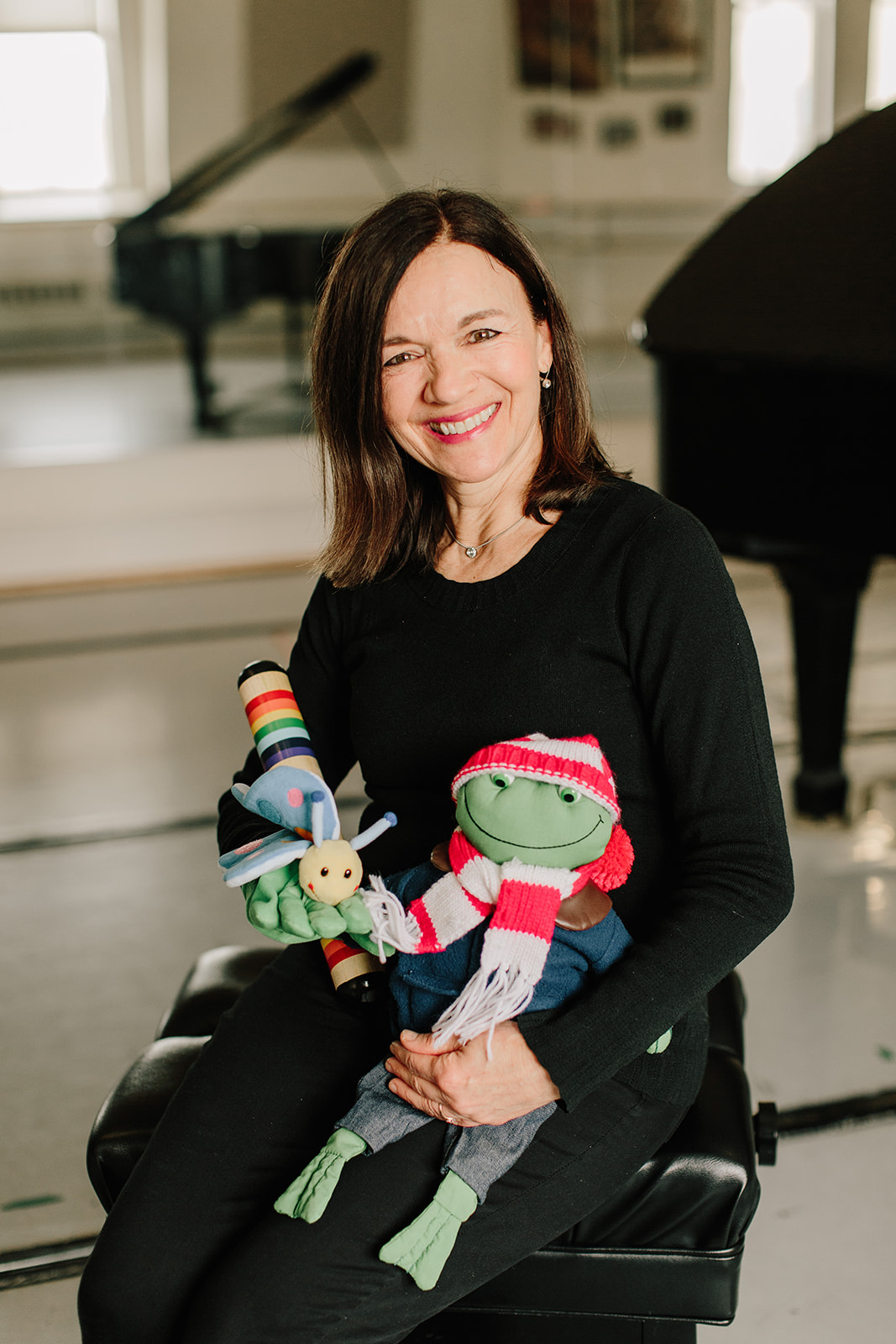
Songwriter Kathy Kampa is a passionate educator of young learners. She seeks to nurture children’s imaginations and spark creativity through fun and engaging activities. Kathy believes that music and movement should be a part of every young child’s education. Kathy’s songs for kids (Kathy Kampa’s Special Days and Holidays and Jump Jump Everyone) are available on iTunes.

Kathy uses a globally-minded and inquiry-based approach to teaching through which students develop 21st-century skills. She also supports the development of English language skills by creating songs, chants, and TPR/movement activities targeted to young learners’ needs. Kathy is an author and teacher-trainer with Oxford University Press.
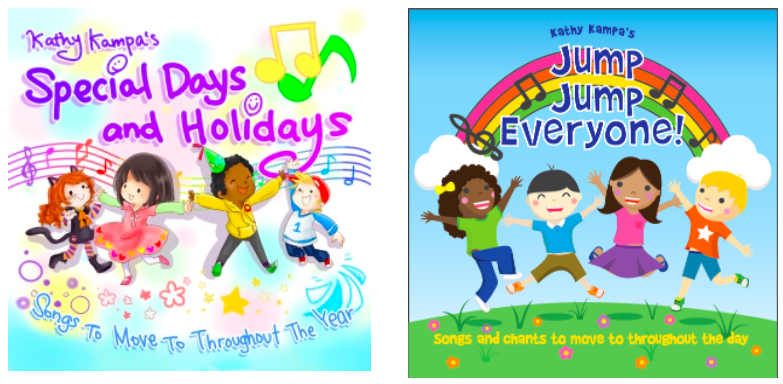
For more kid-tested music and movement activities, check out more music on iTunes, Spotify, and Apple Music. Kathy has produced two music CDs for very young learners, Kathy Kampa’s Special Days and Holidays and Jump Jump Everyone, which build English language skills through music and movement while nurturing creativity and imagination. Grown and loved by real kids!

Check out Kathy Kampa’s YouTube channel here.

V-V Valentine!

Valentine’s Day is right around the corner! What activities will you do with your young learners for Valentine’s Day?

Playing with letter sounds is fun for little ones. Let’s explore ways to make the shape of the letter Vv:

-with our fingers

-with our hands

-with our arms

-with our legs

-with our whole body (balance!!)

-with a friend

Each time you make the shape, say the sound /v/. 

*Try to make only the sound /v/ and not /vƏ/ (vuh)

Can you change your V shape into a heart shape?

I created this song with the phrase “/v/ /v/ valentine.” Make the shapes with your fingers or the heels of your hands, then with your arms. Watch the video for more details. I created it with my nieces Shannon and Brooke many years ago. It’s easy to sing and so much fun!

Here are the lyrics:

Be My Valentine

lyrics by Kathy Kampa, melody “Cho Cho”/”Lightly Row” 

I like you. You like me. Will you be my Valentine?

I like you. You like me. Be my Valentine.

[v] [v] Valentine!

[v] [v] Valentine!

I like you. You like me.

Be my Valentine.

Repeat facing a partner.

This song can be found on iTunes and other streaming services, such as Spotify and Apple Music.

Spotify playlist: Songs for Kids for Valentine’s Day and Friendship

Celebrate the joy of Valentine’s Day while building social skills in your classroom. This playlist includes songs for Valentine’s Day and songs about friendship. You’ll find songs to add movement to your class activities, too. Click here to see Kathy’s Spotify channel. for more curated playlists.

Crafts Activities

On Valentine’s Day, kids love to make things for their friends. Check out these simple craft activities.

Can your students find the letter V in these craft activities?

This first craft is a Valentine chain. Cut narrow paper strips about 1″ wide and fold them in half. Look! There’s the letter V! Then curve the tops in to make a heart. This is a great activity for teaching colors and patterns. Try this when you’re sitting with a small group. Students fold the strips, slide a new strip through, then staple the top of the heart. Then, create a color pattern, such as white-red-pink-white-red-pink. Young learners can count the number of hearts in the chain.

When students have the paper strips open, they can write a secret message on the heart.

This idea comes from https://www.teachwithme.com/blogs/getting-to-the-core/item/588-valentine-ideas.

This second craft is like magic! Each student folds a sheet of construction paper in half. Trace around the student’s hand. Be sure that their thumb and pointer finger are touching the folded edge. Students can cut around their fingers. Then decorate a card for someone they love.

This idea comes from https://easypreschoolcraft.blogspot.com/2013/01/top-20-valentines-day-crafts-for-kids.html?m=1

Come back to my blog to discover more fun activities that build language through music and movement.

It’s Time to Tidy Up!

Have you ever struggled to get your children or students to tidy up and clean up the things they’ve taken out? Here’s your secret tool — songs!

Even Mary Poppins knew that! Songs create seamless transitions and make cleaning up a fun, enjoyable task.

Here are some songs that you can play to make your space sparkling clean! You can find this music on iTunes, Spotify, Apple Music, and other streaming sites. Keep them handy for the next time you have a mess to clean up.

  1. Tidy Up is definitely one of my most popular songs. The lyrics are super simple. I wrote it for my Kindergarten students in Japan. The song gets faster and faster. By the time it’s finished, students should have everything cleaned up. Teachers and parents around the world have told me how much they love this song and use it regularly. Ask Alexa to play it for you! You’ll have it ready whenever you need to start tidying up. Or click the arrow below to play it the next time you’re surrounded by a mess!

2. Perhaps you know this cute song from the Barney show. Our children love to sing along!

Clean Up song

Clean up! Clean up! Everybody, everywhere.

Clean up! Clean up! Everybody do your share.

Click the arrow below to play it.

3. Sometimes you have something specific to put away — picture cards, scarves, instruments, etc. Here are some simple songs to play to collect the items.

Cards, Please lyrics by K. Kampa

T: Cards, please. Ss: Here you are!

T: Cards, please. Ss: Here you are!

T: Cards, please. Ss: Here you are!

T/S: Thank you very much!

*What other materials are you using? Instead of singing the word cards, sing a new word such as scarves.

Click the arrow below to play it. Use it in your next English class.

It’s Time to Put the Instruments Away lyrics by K. Kampa

It’s time to put the instruments away!

Oh, it’s time to put the instruments away!

Oh, we’ve had a lot of fun, and we’ve sung a lot of songs,

But, it’s time to put the instruments away.

Click the arrow below to play it. Use it when you use instruments with your class!

4. I love to celebrate our successes with the “We Did It” chant. My students launch into this chant often in my lessons. We always finish our lessons with this. Send your students off with a positive feeling!

We Did It! by Kathy Kampa

We did it! We did it! We did it today!

We did it! We did it! Hip hip hooray!

Click the arrow below to play it. Play this the next time your students do something great.

For more classroom management songs, check out Kathy’s Spotify playlist.

Songwriter Kathy Kampa is a passionate educator of young learners. She seeks to nurture children’s imaginations and spark creativity through fun and engaging activities. Kathy believes that music and movement should be a part of every young child’s education. Kathy’s songs for kids (Kathy Kampa’s Special Days and Holidays and Jump Jump Everyone) are available on iTunes.

Kathy uses a globally-minded and inquiry-based approach to teaching through which students develop 21st-century skills. She also supports the development of English language skills by creating songs, chants, and TPR/movement activities targeted to young learners’ needs.

For more kid-tested music and movement activities, check out more music on iTunes. Kathy has produced two music CDs for very young learners, Kathy Kampa’s Special Days and Holidays and Jump Jump Everyone, which build English language skills through music and movement while nurturing creativity and imagination! Grown and loved by real kids!

Don’t Forget to Leave Cookies and Milk for Santa

Our Christmas tree is decorated with ornaments from around the world. Some presents are already under the tree. I’ve been busy baking Christmas cookies and plan to bake some more today. Why? On Christmas Eve, we always leave cookies and milk for Santa.

Even though our children are grown up, we continue to believe in the magic of Christmas. This is one of the traditions that lingers in our lives.

So, here’s the song I wrote to celebrate this.

It’s to the melody of Twinkle, Twinkle Little Star. To thank you for your support through the years, I’m including a complimentary music track of this song from my CD entitled Kathy Kampa’s Special Days and Holidays.

Here are some suggestions for movements for this song.

Santa’s Cookies and Milk Words by Kathleen Kampa and Charles Vilina

Spoken: Dear Santa, Welcome to my house. I’ve been very good this year.

Sung: Have some cookies. (gesture with one hand to the side)

Have some milk. (gesture with the other hand)

Christmas cookies and a glass of milk. (Twist hands like twinkling Christmas stars for the words “Christmas cookies” and then make the shape of a glass for the word “milk.”)

Eat the cookies. 1-2-3 (gesture eating cookies, then fingers 1-2-3)

Drink the milk. It’s from me. (gesture drinking milk, then point to self)

Have some cookies. (gesture with one hand to the side)

Have some milk. (gesture with the other hand)

Christmas cookies and a glass of milk. (Twist hands like twinkling Christmas stars for the words “Christmas cookies” and then make the shape of a glass for the word “milk.”) 

Spoken: Thanks Santa! Have a good night! Good-bye! 

For more tips on performances, see this blog post.

Music and movement are one way for students to learn new words and phrases in English. Art projects are another way.

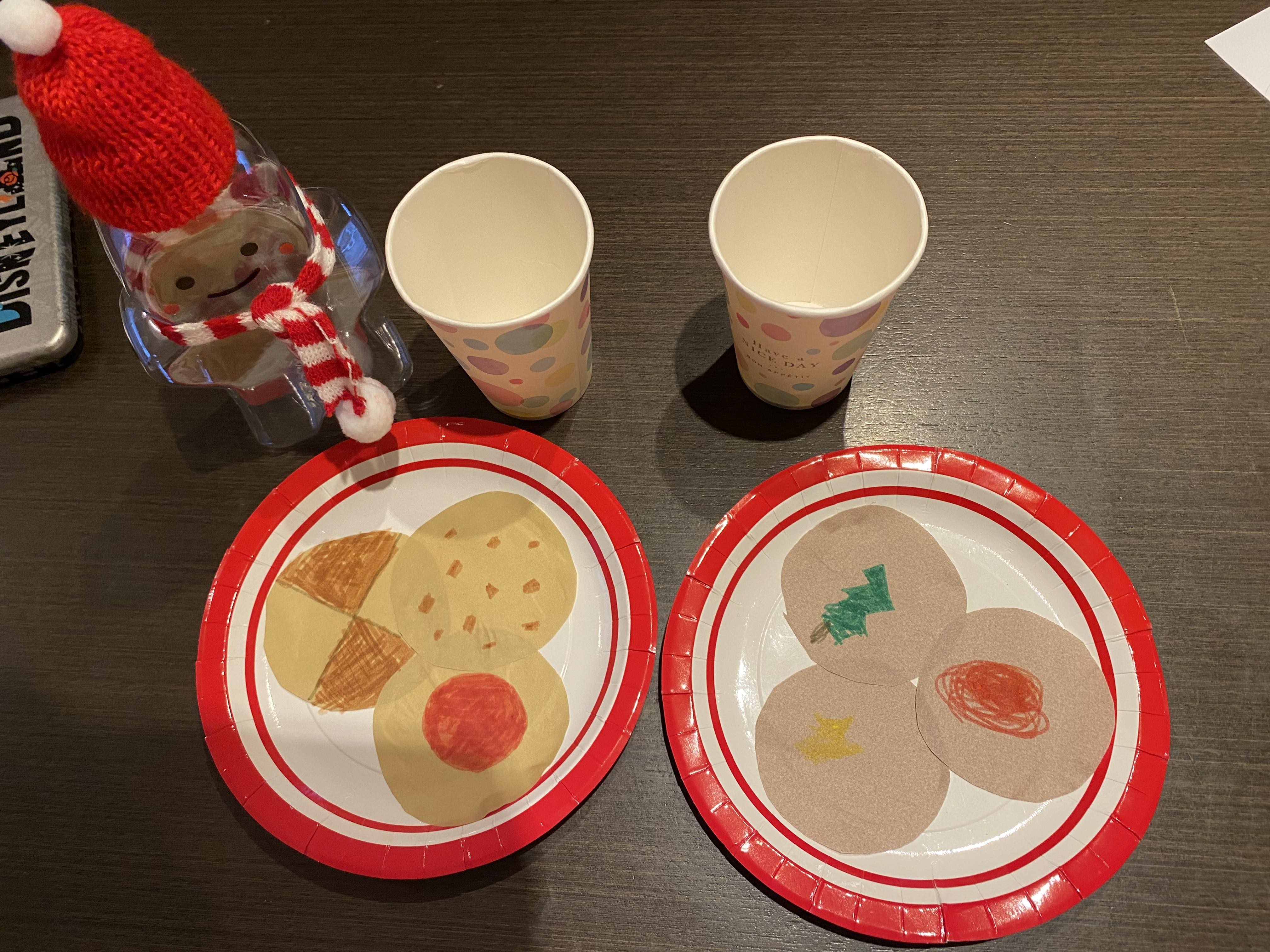
Yoko Matsui created this simple project for her students. They made plates with cookies and milk. Your students could write a little note, too.

If you’re looking for more craft ideas for Christmas, I’ve gathered a bunch of them on my Pinterest page for Christmas.

We wish you all the best for Christmas and throughout the year from our family to yours.  May the magic of Christmas remain in your hearts.

Cookies and Milk left for Santa

Santa's Cookies and Milk is a simple song to celebrate a time-honored tradition of leaving a treat for Santa Claus.

Kathy Kampa is a passionate educator of young learners. She seeks to nurture children’s imaginations and spark creativity through fun and engaging activities. Kathy believes that music and movement should be a part of every young child’s learning.

Kathy is the co-author of Magic Time, Everybody Up, Oxford Discover, Beehive and Buzz (published by Oxford University Press). She has taught young learners in Tokyo, Japan for over 30 years. Kathy is also active as a teacher trainer, inspiring teachers around the world. She has currently returned to her home state of Minnesota in the US.

Celebrate Thanksgiving Day with “The Turkey Dance!”

Celebrate Thanksgiving with this lively song for children! This song is called “The Turkey Dance” and it’s one of my students’ favorite songs.

So use your imaginations and dance like . . . . turkeys!! Get a little silly and have a lot of fun!

Here are the lyrics, which go to the tune “Turkey in the Straw.”

The Turkey Dance

Words by Kathleen Kampa and Charles Vilina, music adapted from Turkey in the Straw

copyright © 2013 by Kathleen Kampa

Spoken: It’s Thanksgiving Day.  Let’s move like turkeys.

First, Move your elbows! (Imagine that these are wings!)

Move your elbows, do the Turkey dance

Move your elbows, do the Turkey dance

Stamp your feet and shout “Hooray!”

It’s Thanksgiving Day.

(You can add “Thank You” in any language you know. Or add a “Gobble! Gobble!)

2. Now move your hips. (Imagine that this is your tail.)

Move your hips, do the Turkey dance

Move your hips, do the Turkey dance

Stamp your feet and shout “Hooray!”

It’s Thanksgiving Day.

(You can add a “Thank You” in any language you know.)

3. Now move your knees. . . .

4. Now move your head . . . .

5. Now move your whole body!

Teacher’s Notes:

In this dance, students are pretending to be turkeys.

Before playing the music, show students a picture of a turkey like the one in this blog.

I usually start with a little TPR by teaching this part of the song first– “Stamp your feet, then shout ‘Hooray!'” Stamp your feet, then jump in the air on “Hooray.” On “It’s Thanksgivixng Day!” put your hands together.

My students added their own ideas between the verses. Some children enjoyed saying “Gobble! Gobble!” while others liked to say “Thank You” in a language they know.

Now teach the body part movements. Say “Move your elbows.”  These are the turkey’s wings.

Repeat with each body part listed below: hips/tail, knees, head, and whole body.

1.  Make turkey wings by moving your elbows.

2.  Make a tail by putting your hands behind your back, and moving your hips.

3.  Move your knees like you’re strutting.

4.  Move your head forward and back.

5.  Choose your favorite movements, or make some new ones.  Dance!

Here’s a video to show you the movements.

For this wonderful “hoedown” song that children LOVE to dance to, download The Turkey Dance on iTunes! You can find it on streaming services like Spotify and Apple Music. The arrangement is fun and lively.

And if you want to add an art project, check out Marnie’s blog, Carrots are Orange for some autumn Montessori activities focusing on turkeys. I especially like the Zentangle turkeys from Laura Hutchinson. There are more activities on my Pinterest page.

Have a wonderful day!

Kathy

Here’s a very short clip of my Magic Time students doing “The Turkey Dance.”

ms kampa 12-8

Happy Thanksgiving everyone! No matter where we live, we all give thanks this season for the blessings we have.

Celebrate Thanksgiving with this silly song --The Turkey Dance! Gobble! Gobble!

Kathy Kampa is a teacher, author, and teacher-trainer who specializes in working with young learners. As a former PYP (Primary Years Program) teacher in Tokyo, Japan, she uses a globally-minded and inquiry-based approach to teaching through which students develop 21st-century skills. She also supports the development of English language skills by creating songs, chants, and TPR/movement activities targeted to young learners’ needs.

Kathy and her husband Charles Vilina are also co-authors of Magic TimeEverybody Up, Oxford Discover (ELTon award), Beehive, and Buzz, all published by Oxford University Press.

Falling Leaves of Autumn

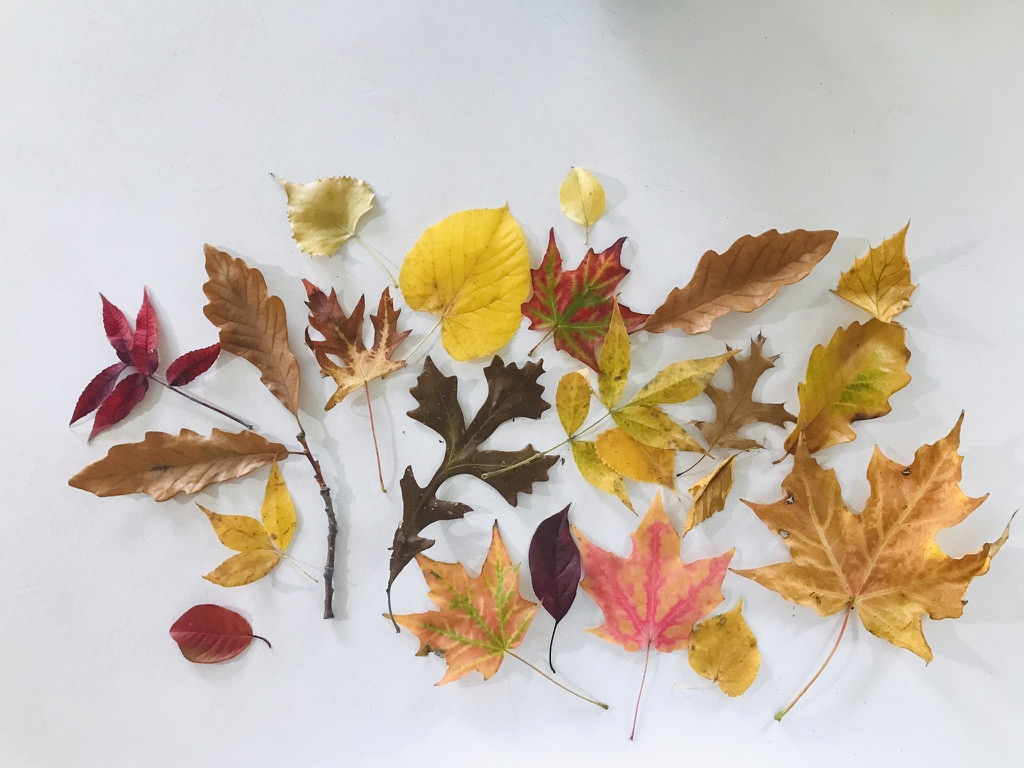
Autumn is one of my favorite times of the year. Here in Minnesota, we can see red maple leaves, yellow aspen, and brown oaks. When we lived in Tokyo, we witnessed such beautiful autumn leaves. Here’s a photo I took in Japan as the leaves started to change colors. People celebrate the season outside by enjoying picnics, taking hikes, and taking lots of pictures!

Photo by Kathleen Kampa, 2020, Showa Kinen Park

My Kindergarten students and my English students delighted in gathering the fallen leaves. Every morning they brought a collection of leaves to school. They enjoyed watching different kinds of leaves falling to the ground. We sang many songs about autumn leaves, but this one is my favorite. I especially love the incredible instrumentation that Andre DiMuzio created to accompany this.

Here are the free Google slides to accompany this song.

It’s fun to teach this song with a xylophone or glockenspiel. You can play it by starting at the shortest bar (C) (do’), and going step by step to the longest bar. If you turn the instrument on its side with the shortest bar on top, it’s easy to see and hear the melody descending.

Falling Leaves Adapted by Kathy Kampa

Down, down, down, down, the leaves are falling to the ground. 

    do       ti        la       sol             fa              mi        re        do

Whoosh!

Red, yellow, orange, and brown, the leaves are falling to the ground. 

  do       ti        la         sol             fa              mi        re        do

Whoosh!

My students will sing this song over and over again. On the recording, the last time just slows down to signal the end of the song.

When I arranged this song, the children first sang the words to build their understanding of autumn. I also created a section where children can create their own movements. It’s important to give children opportunities to express themselves freely. They can spin fast or slow. They can pretend to blow in the wind.

Children love dancing with lightweight scarves. The color doesn’t seem to matter. They just love the way the scarves float so lightly. As students sing, they float their scarves back and forth (crossing their midline) moving their bodies lower and lower, just like the music. When they sing “Whoosh!” they scoop up the scarves.

After this part of the song, we toss the scarves. My students laugh when the scarf lands on their arm, their head, their shoulder . . . . You can model this action with your students. I usually do this twice. Look! The scarf is on my head! Look the scarf is on my elbow! Then encourage students to spin around, a great vestibular movement! This feels so smooth with the scarves.

Here’s a video of my young learners in Tokyo.

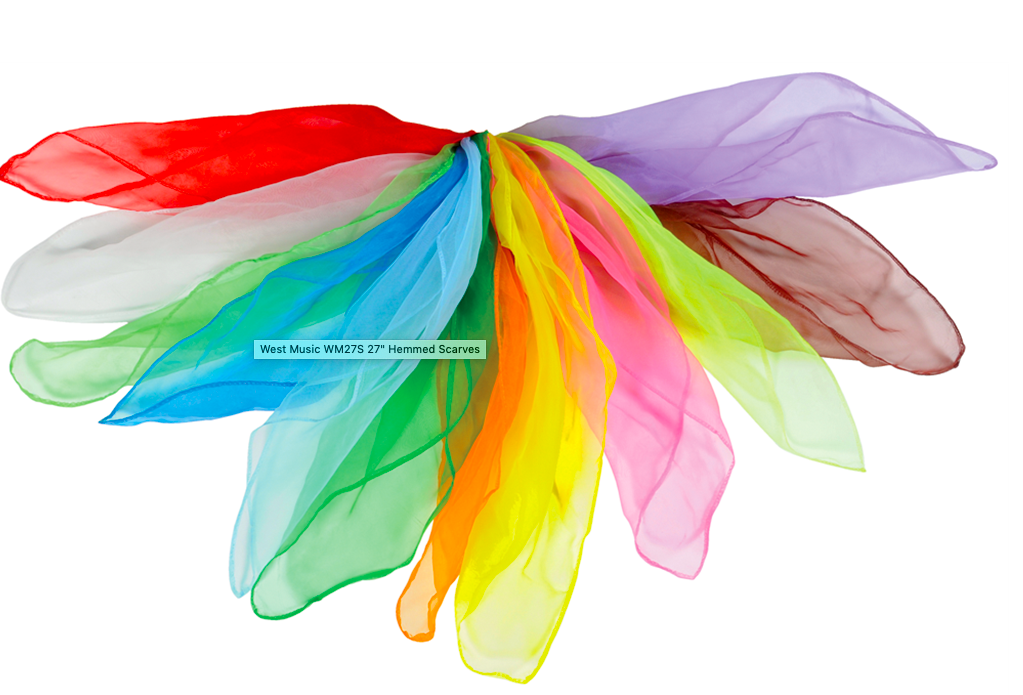
I use small, lightweight hemmed scarves like these. Search for “hemmed scarves” or “juggling scarves.” Check the reviews. I like mine! Young children can practice naming the color, too.

Screen Shot 2020-03-19 at 16.55.57

Check out my Pinterest board for more autumn activities. This song is available on my album “Jump Jump Everyone.” For more kid-tested music and movement activities, check out my music on iTunes.

Jump Jump Everyone
Kathy has produced two music CDs for very young learners, Kathy Kampa’s Special Days and Holidays and Jump Jump Everyone, which build English language skills through movement while nurturing creativity and imagination! Grown and loved by real kids!

Kathy Kampa is a teacher, author, and teacher-trainer who specializes in working with young learners. She taught at Seisen International School in Tokyo, Japan in the PYP (Primary Years Program) and continues to teach young learners in Minnesota. Kathy uses a globally-minded and inquiry-based approach to teaching through which students develop 21st-century skills. She also supports the development of English language skills by creating songs, chants, and TPR/movement activities targeted to young learners’ needs.

Kathy and her husband Charles Vilina are also co-authors of Magic TimeEverybody Up, Oxford Discover, Beehive and Buzz, all published by Oxford University Press.

#AUTUMN #FALLINGLEAVES #KIDSMUSIC #AUTUMNDAYS #AUTUMNCOLORS #NURSERYRHYMES #ENGLISHSONGS #KINDERGARTEN

Pumpkins and Jack-o-lanterns!

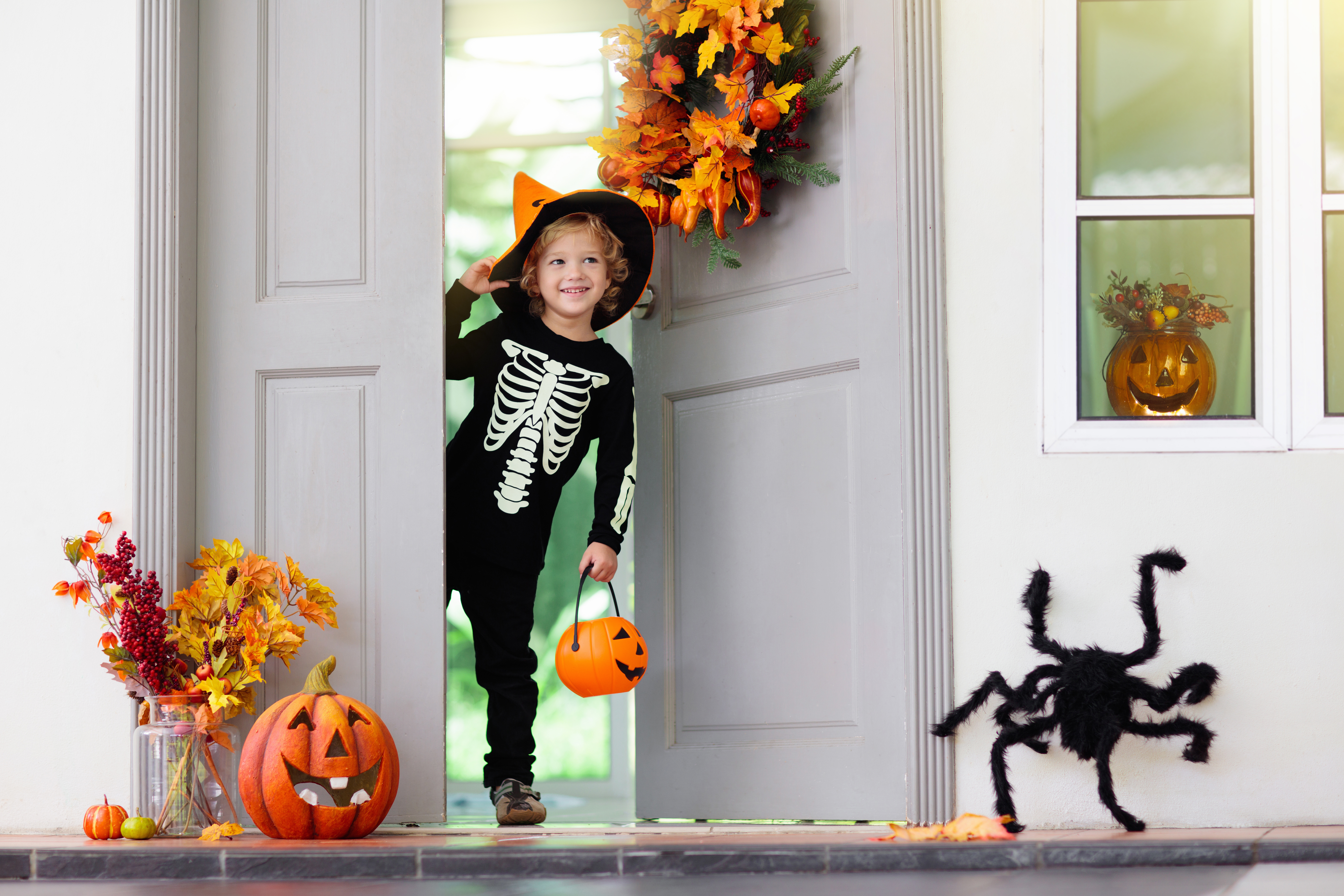
Kids trick or treat on Halloween night.

Halloween is right around the corner! Children love dressing up in costumes, trick-or-treating, and participating in all the wonderful Halloween activities teachers prepare in the classroom.

Halloween is filled with magical changes. Children put on costumes, and “change into” a princess, Spiderman, a witch, a ghost, or a character from their favorite Disney movie. We see the magical change of pumpkins into jack-o-lanterns.  

The concept of change is one of the “big ideas” we teach young learners. Babies grow and change. Bean seeds planted in the soil in little paper cups grow into bean plants. Caterpillars turn into beautiful butterflies. Small pumpkins grow into big pumpkins and pumpkins turn into jack-o-lanterns!

Halloween is also a perfect time to teach new English words and the concept of change.  

The song “Pumpkin, Pumpkin” is a fun Halloween song to do! The children experience change:

-from a pumpkin to a jack-o-lantern

-from small to big

-from a quiet voice to a loud voice

-from tiny, high voice to big, low voice

-from sitting to standing

To begin, make two paper pumpkins — a small one and a large one. Each of the pumpkins should have two sides — one plain side, and one side with a face (jack-o-lantern).  This pattern by Shala on Pinterest is helpful. Show the students the plain side of the “small” pumpkin and say “pumpkin.” Then turn it around and say “jack-o-lantern.”  Once students know these two words, put them into this simple chant:

Jack-o-Lantern Chant by Kathleen Kampa

Pumpkin, pumpkin, (turn picture around) jack-o-lantern
Happy Halloween!

Now you’re ready to expand upon the language and sing the song “Pumpkin, Pumpkin.”

Use this slide show to teach the song. The lyrics and ideas for movements are below:

Pumpkin, Pumpkin
(words adapted by Kathleen Kampa, music: traditional)

(Sit with students in a circle. Sing quietly.)

Pumpkin, pumpkin small and fat,
(With fingers, make the shape of a small pumpkin.)

Turn into a jack-o-lantern,
(Roll hands. Spread fingers out wide.)

Just like that!
(Tap two fingers on the palm of your hand as you say each word.)

(Sing the verse again!)

Spoken: Grow and grow and grow and grow
and grow and grow and grow and GROW!
(Slowly stand up while making a big pumpkin shape. Get louder!)

(Sing loudly.)

Pumpkin, pumpkin big and fat,
(While standing, make the shape of a big pumpkin with your whole body.)

Turn into a jack-o-lantern,
(Turn around. Jump into a big shape.)

JUST LIKE THAT!
(Clap and stamp on each word.)

(Sing the verse again!

Here’s a video of my Japanese students singing this song. 

Thanks to my dear friend Setsuko Toyama for creating this pdf of the song lyrics. 

“Pumpkin, Pumpkin” is one of many holiday songs featured on Kathy Kampa’s Special Days and Holidays CD available on iTunes and Apple Music. Here’s the link on Spotify. Four more Halloween songs are featured, so check out recent the blog posts.

Kathy Kampa’s Special Days and Holidays

ms kampa 12-8

I have numerous activities saved on my Halloween Pinterest board.

Thanks to my dear friend Setsuko Toyama for creating this pdf of the song lyrics. 

Let me know how your children enjoy “Pumpkin, Pumpkin.”  Happy Teaching!

Kathy

Kathy Kampa is a passionate educator of young learners. She seeks to nurture children’s imaginations and spark creativity through fun and engaging activities. Kathy believes that music and movement should be a part of every young child’s learning.

Kathy is the co-author of Magic Time, Everybody Up, Oxford Discover (ELTon winner), and Beehive (published by Oxford University Press). She has been teaching young learners in Tokyo, Japan for over 30 years. Kathy has composed educational music for Tokyo Shoseki and recorded songs for Learning World. She is active as a teacher trainer, inspiring teachers around the world. Kathy and her husband have currently returned to her home state of Minnesota in the US.

If you’re interested in more of Kathy’s work, check out her YouTube channel at Kathy Kampa and subscribe to this blog at magictimekids.com. Her second album, Jump Jump Everyone, is available on iTunes and Apple Music.

Just in case you didn’t find enough goodies here, check out this video of Kathy teaching her Japanese students the song “Pumpkin, Pumpkin” without the recording. Enjoy!

Marching Monsters?

4089923322_05f94d8340_o (1)

Are you ready for Halloween? Add “Marching Monsters” to your Halloween activities  It builds phonemic awareness and is super fun to do!

I’m gifting you with these Google slides. You can print them or just share on your device.  You can easily sync your music to these slides.

Marching Monsters Halloween Slide Show: Kathy Kampa’s Special Days and Holidays

There are four Halloween characters in this song–monsters, skeletons, witches, and jack-o-lanterns. Have fun pretending to be the four characters. Practice the four verbs– march, skip, sway side-to-side in a waltz, and jump! Now put them together.

“How can we march like monsters? (Who doesn’t love marching like monsters???!)

How can we skip like skeletons? 

How do you waltz? How can we waltz like witches? (sway side to side)

How can we jump like jack-o-lanterns?”

Practice “Turn around and stop!”

Note: Moving and stopping is an essential movement skill for very young learners.

For very little ones, skipping is a new skill. Try walking with a little hop. Or galloping.

Here are the lyrics.  You can also find them in the slide show above.

Marching Monsters   

Words and music by Kathleen Kampa

1. Marching monsters! Happy Halloween! Boo!

Marching monsters! Happy Halloween! Boo!

Marching monsters, Turn around and stop! (hold)

Marching monsters Happy Halloween! Boo!

2. Skipping skeletons! Happy Halloween! Boo! . . .

3. Waltzing witches! Happy Halloween! Boo! . . . .

4. Jumping jack-o-lanterns! Happy Halloween! Boo! . . . .

Just watch the video and have fun!

Did you notice that you can build phonemic awareness with this song too?  The word pairs begin with the same initial sound.  You can separate the verbs and nouns.  Students match.

Marching Monsters worksheet and flashcards

For a bigger challenge, write the letters m, sk, w, j, and h on the board. What pair of words begins with these letters in the song?

m-> marching monsters

sk-> skipping skeletons

w-> waltzing witches

j-> jumping jack-o-lanterns

h-> Happy Halloween! 

Picture9-10

Want to add a cute monster craft? http://acupcakefortheteacher.blogspot.jp/2012/07/my-frankenstein-craftivity.html

4089923322_05f94d8340_o (1)Monsters by Gunder on Flickr Attribution CC 2.0 license

http://bit.ly/Gundermonstersdrawing

We hope that your students enjoy singing and dancing throughout the month of October.   The music for this song and other Halloween favorites (Pumpkin, Pumpkin, Skeleton Dance, Marching Monsters, I’m A Witch) are available on Kathy Kampa’s Special Days and Holidays.

Special Days and Holidays

You can search for my music on iTunes. or Apple Music.

If you like this, my second album has more happy songs for children that have grown in my young learner classroom. Dance like falling leaves, bloom like a spring flower, move through the butterfly life cycle . . . . you’ll find LOTS of fun and magic in this album, too.

Jump Jump Everyone

Happy teaching!

Kathy Kampa

Kathy's bio photo

Kathy Kampa is a passionate educator of young learners. She seeks to nurture children’s imaginations and spark creativity through fun and engaging activities. Kathy believes that movement should be a part of every young child’s learning.

Kathy is the co-author of Magic Time, Everybody Up, Oxford Discover, and Beehive (all by Oxford University Press). She has composed music for Tokyo Shoseki’s English language courses.

The Cow Says “Moo”

Young children LOVE to learn about farm animals. When our sons were little, their favorite children’s stories about farm animals included Oh Dear by Rod Campbell and The Very Busy Spider by Eric Carle. There are many traditional farm songs, too. I’d love to have you try out this one, The Cow Says ‘Moo’ from Jump Jump Everyone by Kathy Kampa (available from ETJbookservice, CD Baby, and iTunes).

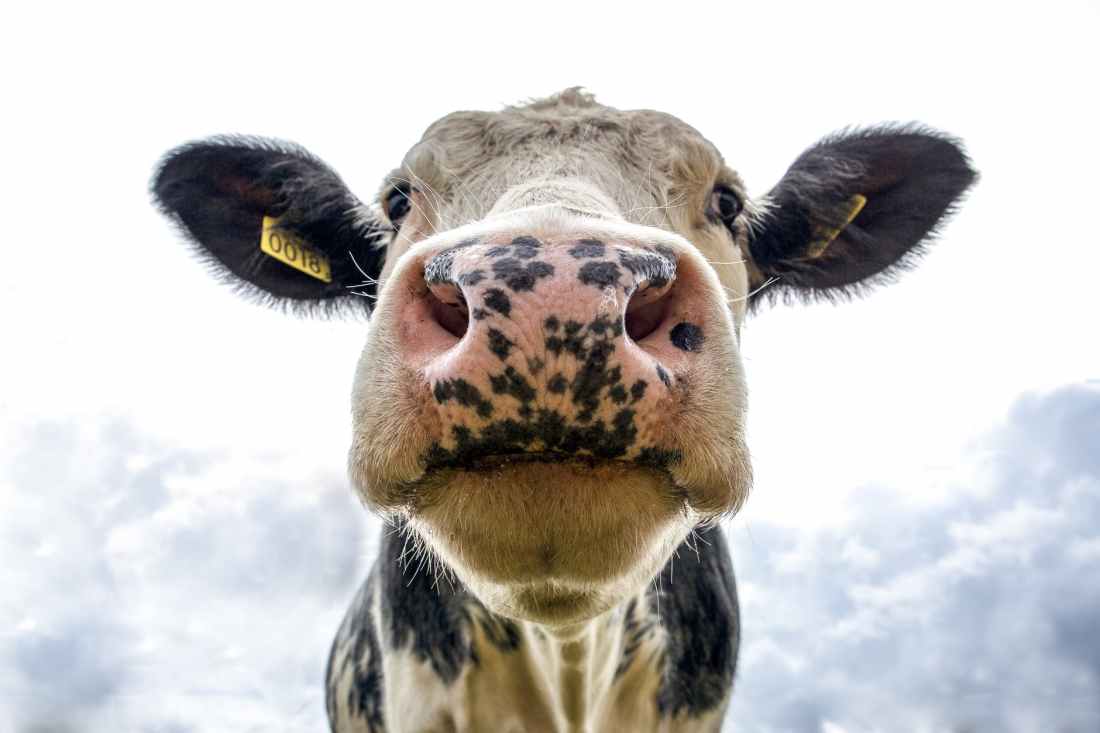
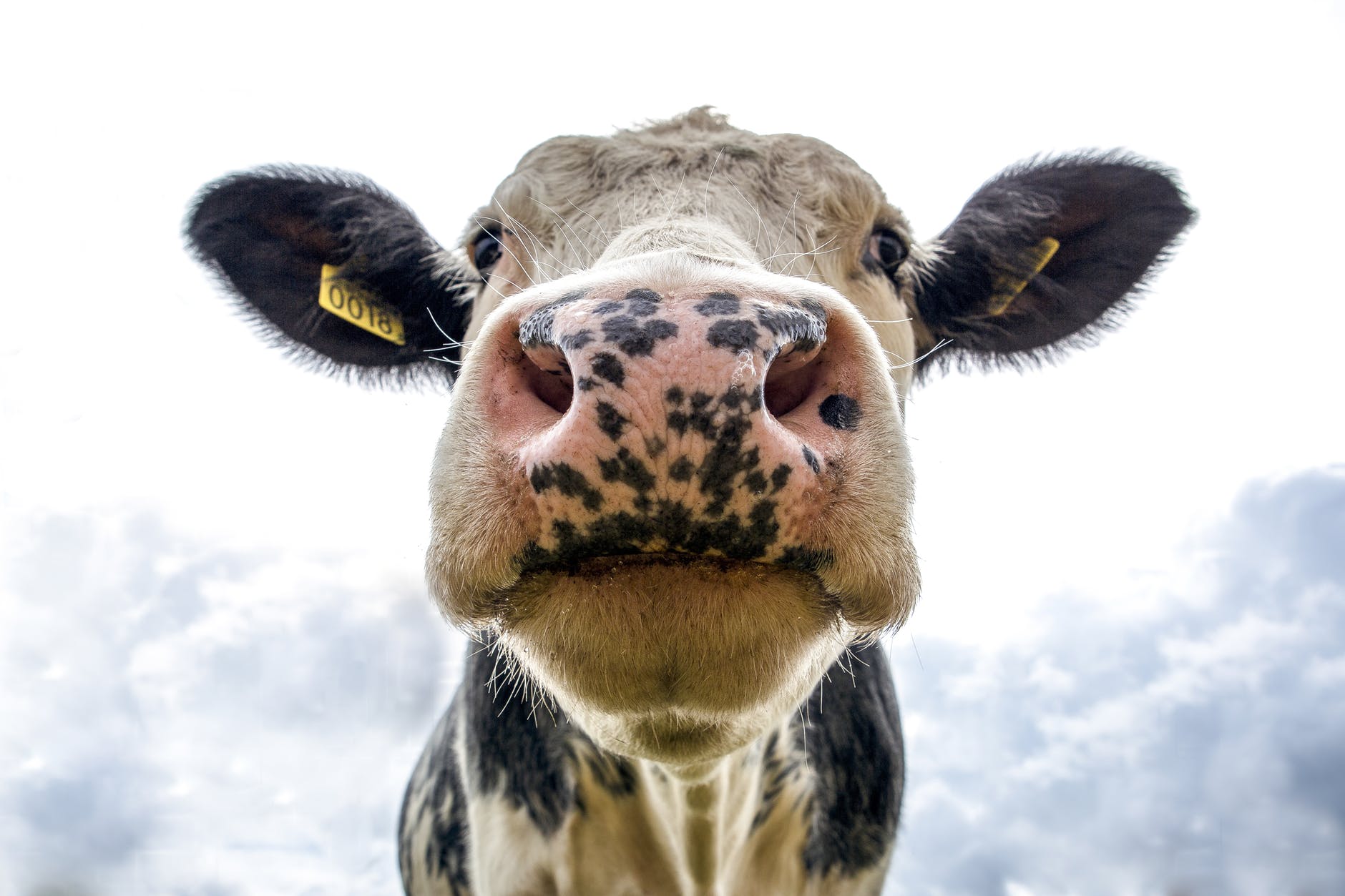
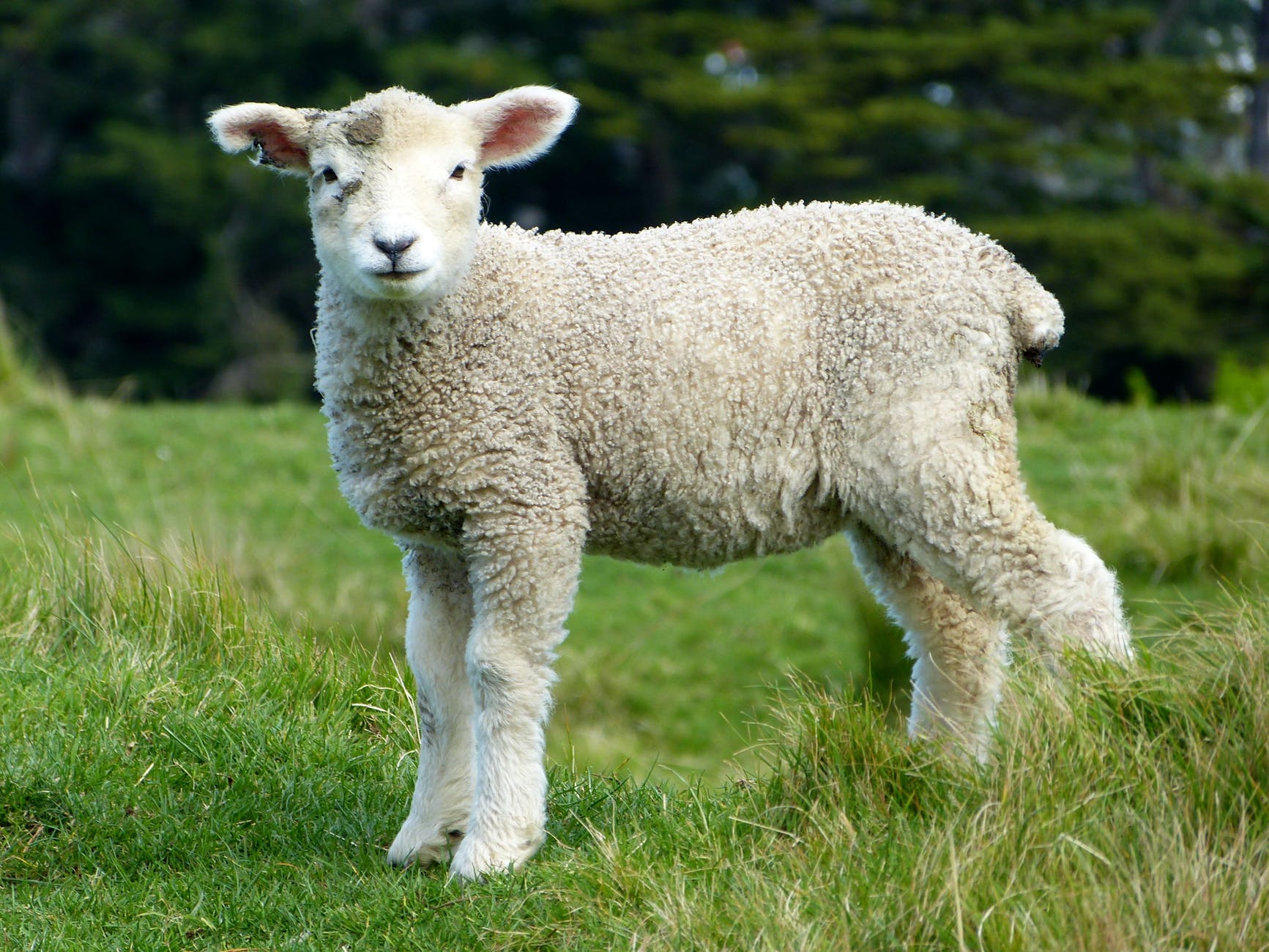
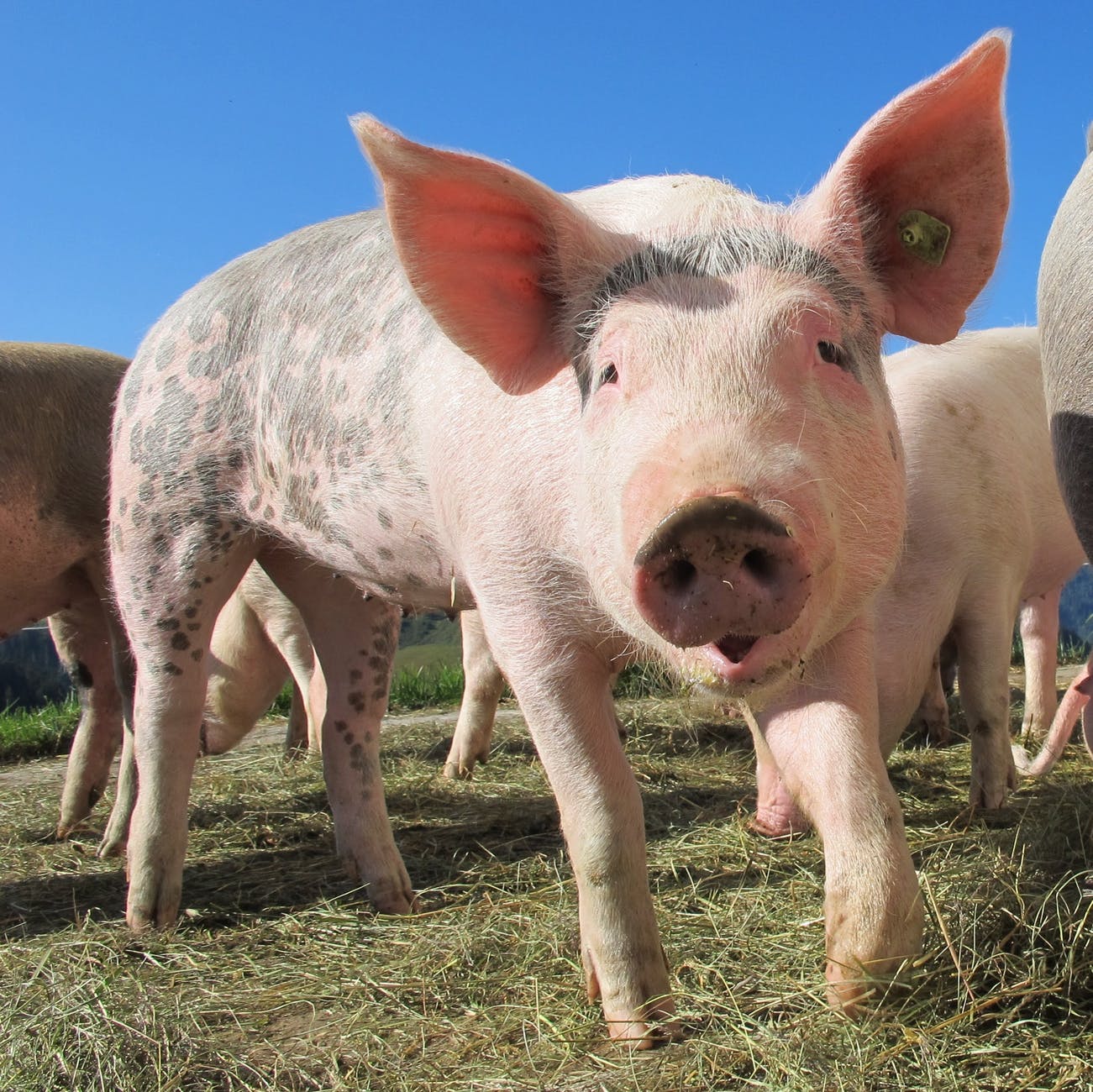
Let’s get started. Show pictures of the various farm animals from a picture book or from these blog images. Children might suggest additional animals from the farm, too.

black and white dairy cow s head
Photo by Public Domain Pictures on Pexels.com

cow

white sheep during daytime
Photo by Public Domain Pictures on Pexels.com

sheep

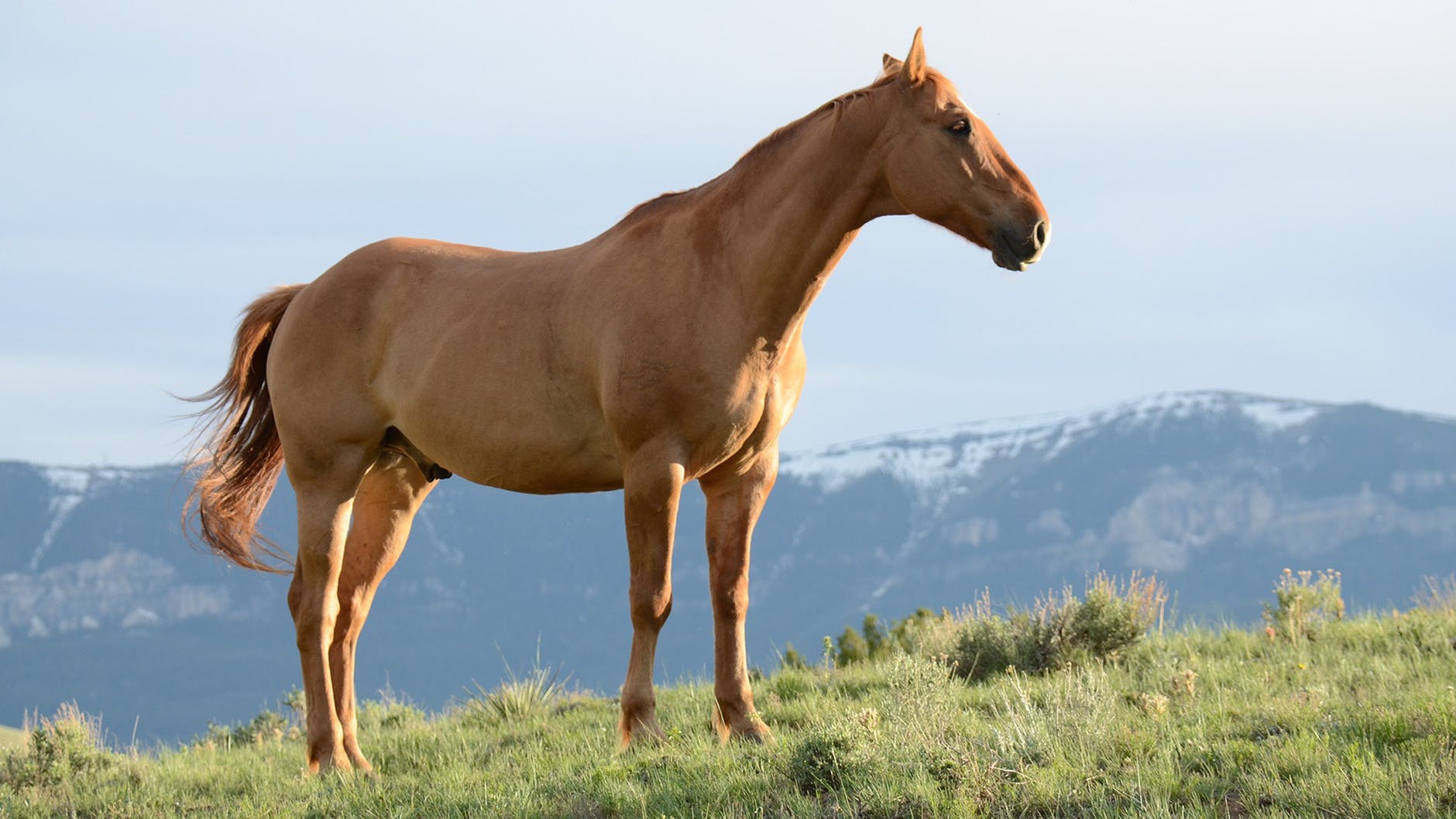
brown horse on grass field
Photo by David Dibert on Pexels.com

horse

beagle puppy
Photo by rawpixel.com on Pexels.com

dog

nature animals pig alp rona
Photo by Pixabay on Pexels.com

pig

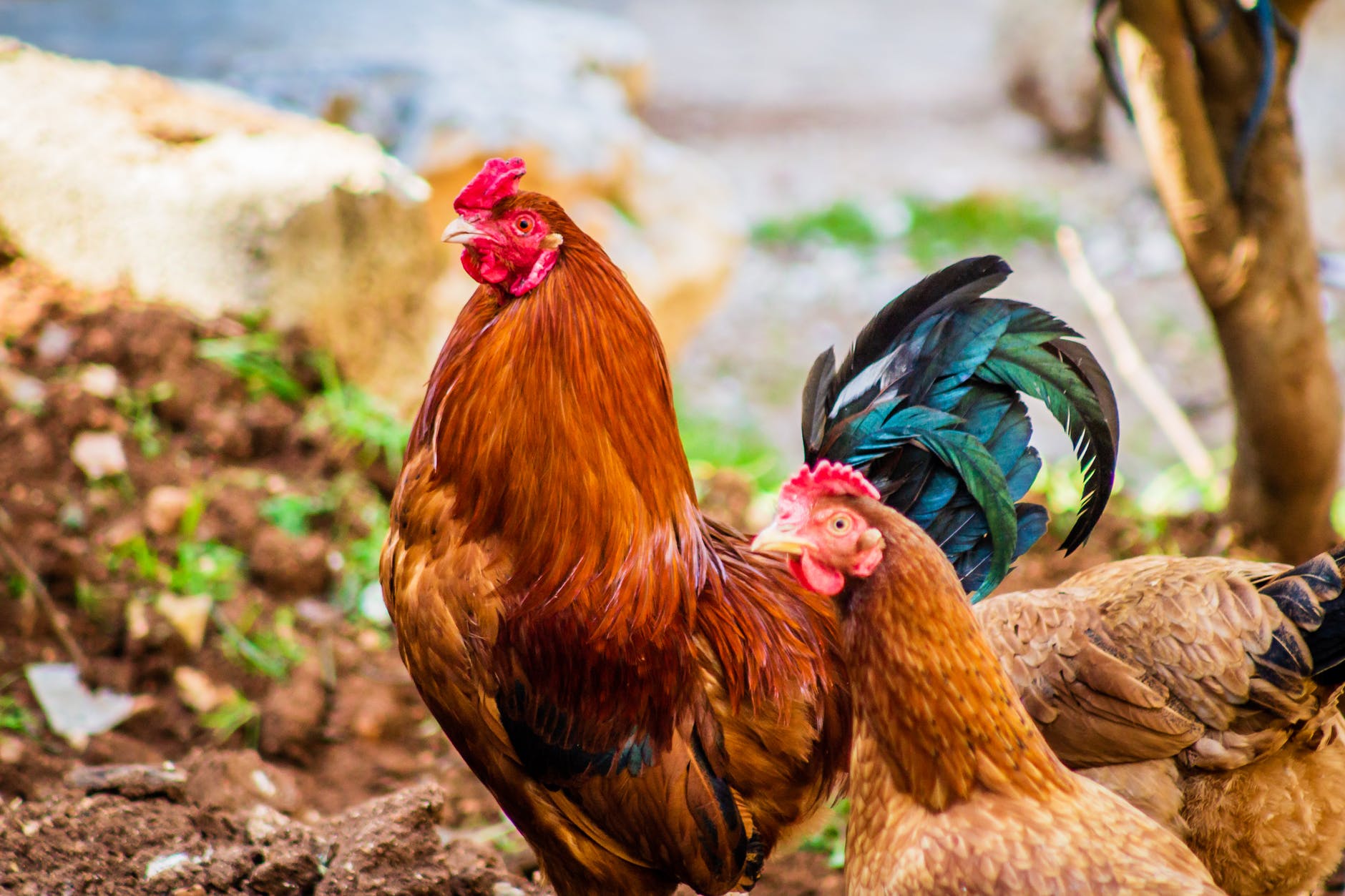
two brown hen and one red rooster
Photo by samer daboul on Pexels.com

rooster

Name the animals. What does each animal say? Even animals make different sounds in English! You can make a game matching the animal picture with its sound or with its name.

Display the vocabulary words. Print the images in this blog and put them into clear file folders. I put magnets on the back of mine. I can use the files with different vocabulary. Hang the picture cards on the board in the order of the words.

Children can stand and sing the song. There are two parts to the song.

The first part is the animal name and sound. Do you see the pattern in the song?

The cow says “Moo”

The cow says “Moo”

“Moo! Moo! Moo! Moo!”

The cow says “Moo”

The second part includes TPR actions. Practice these with the children. Did you notice the rhyming words (floor/ more/ four)? That’s important for our students!

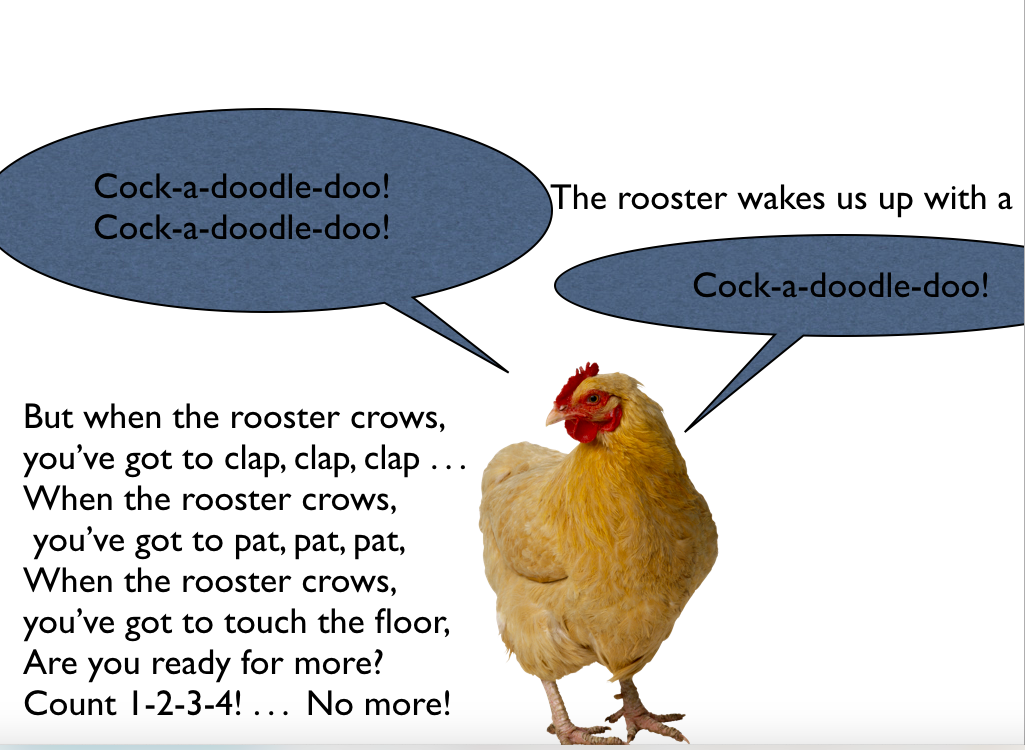
When the cow says “Moo” you’ve got to clap, clap, clap,

When the cow says “Moo” you’ve got to pat, pat, pat,

When the cow says “Moo” you’ve got to touch the floor,

Are you ready for more? Count 1-2-3-4!

Children listen for the next animal sound. In this song you’ll find a sheep (baa), horse (neigh), dog (woof), pig (oink), and rooster (cock-a-doodle doo). The verse with the rooster is slightly different.

Screen Shot 2019-09-14 at 18.30.22

Once children know the song, you can add some props.

  1. Make these animal masks from LifeoverCs. I put a piece of yarn on each mask so that the children can just put them over their heads. You can put a number on the masks to help you remember the order of the animals.

2. Use Beanie Babies, stuffed animals, or puppets. Children love to hold these.

Small groups: Give each child one animal card or puppet. Listen for the name of each animal. When each animal is called in the song, the child with that animal card/puppet goes to the middle of the circle. The other children can walk in a circle around the child.

You can see my English class here.
Large class: If your students use desks, you can have each row designated as one of the animals. The child at the front of the row can hold the card. When each animal is called in the song, the children in that group can move around their desks.

You can also make a card for each student. When each animal is called in the song, the children with that animal card move around their desks holding their card up.

The music for this song is available on the CD “Kathy Kampa’s Jump Jump Everyone!”

Jump Jump Everyone

You can find it on iTunes, CD Baby Store, and ETJbookservice as well as streaming services, such as Spotify and Apple Music.

Have a wonderful time singing and moving with your students!

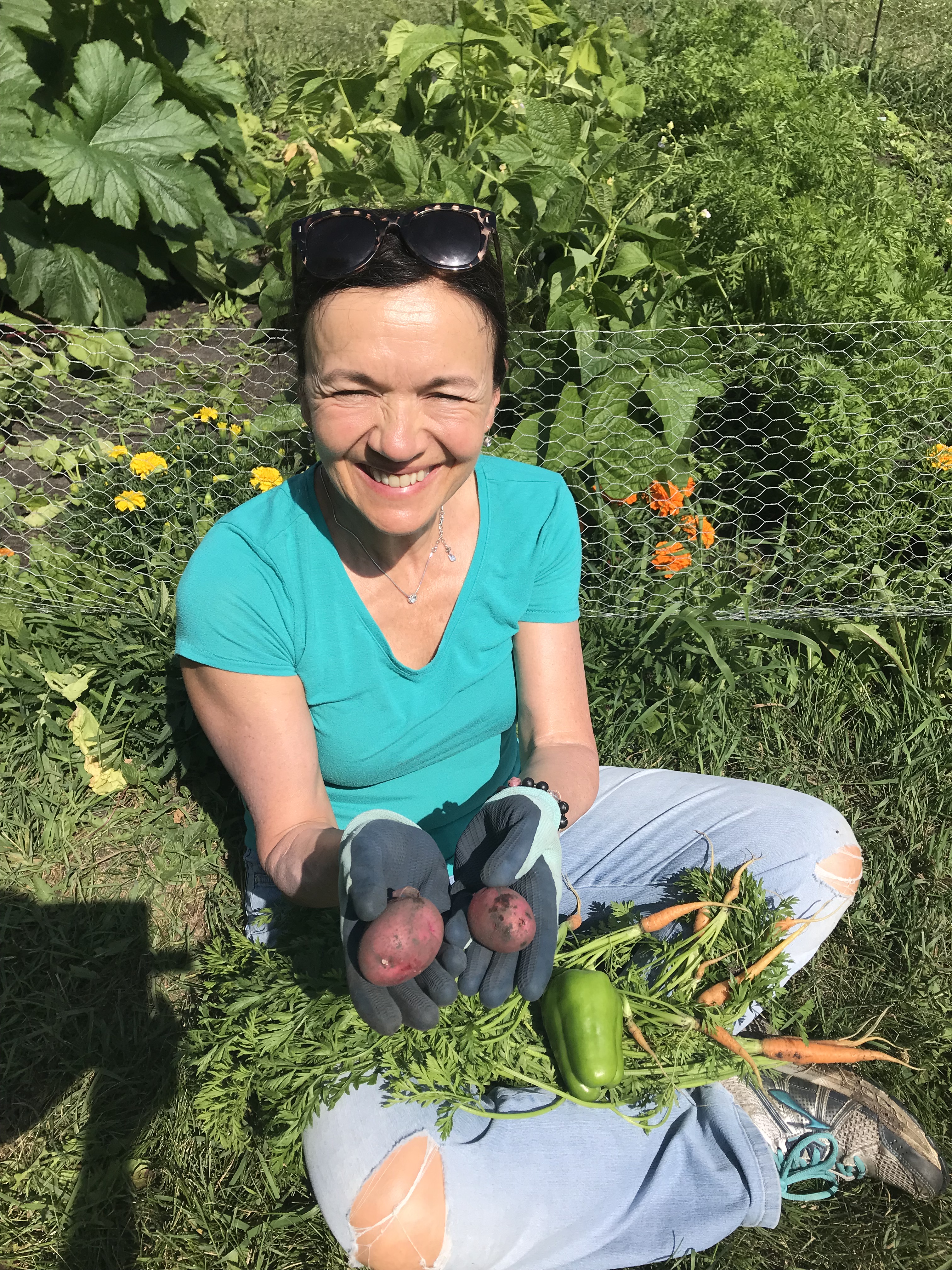
You can find Kathy on the farm in the summertime. There are no animals here, but lots of fresh veggies are growing.

Kathy Kampa is a passionate educator of young learners. She seeks to nurture children’s imaginations and spark creativity through fun and engaging activities. Kathy believes that music and movement should be a part of every young child’s learning.

Kathy is the co-author of Magic Time, Everybody Up, Oxford Discover (ELTon winner), and Beehive (published by Oxford University Press). She has been teaching young learners in Tokyo, Japan for over 30 years. Kathy is also active as a teacher trainer, inspiring teachers around the world. She has currently returned to her home state of Minnesota in the US.

If you’re interested in more of Kathy’s work, check out her YouTube channel at Kathy Kampa

Secrets to Teaching Songs in Young Learner English classes

If you teach young learners, you probably use chants and songs in your class. But how do you teach them to use them most effectively?

Each song we use has different challenges and is magical in its own unique way. Your challenge is to find that unique magic and share it with your students.

Do you know the secrets to teaching songs to young learners? You'll find helpful tips here.
I’m sharing an example from my online Zoom class with English students in Japan to help you see what we did with songs. Today we’ll look at the first song in this video called She Has a Shirt, from Magic Time 2.

Let’s talk about the parts of the lesson that lead up to the first song in this video. Magic Time, Unit 6 lesson takes place in a jungle where everyone has packed their clothing for the trip. In a Magic Time lesson, students first learn the six new vocabulary words (shirt, skirt, cap, dress, jacket, sweater). I like to introduce this vocabulary by making it magical, such as using a suitcase to hide the clothing items or the picture cards. The students are surprised to see them. In the textbook, students search for the vocabulary items in the double-page spread and practice the words in a chant. In the final listening activity, I invite students to predict which number will be said. They say, “I think number one is ________,” and put their eraser on that picture in their book. Then they write the number. This continues until all six numbers have been called. This activity pushes output from an early stage. The kids love it! We play additional games, too.
In the next lesson, students add the grammar paradigm: She/ He has a _________. When I’m in a classroom with the students, I make a rebus sentence using the grammar paradigm and the picture cards.

Now that the students have practiced the vocabulary and grammar, they’re ready to sing the song. Make sure that you listen to the song before you teach it. The first time my students listen to the song, they’re looking at the images in their book. The second time we add movements. You can see the students pointing to their clothing, too. They really love the silly monkey part.

The children really loved this song. It helped them use the vocabulary naturally. What makes this work?

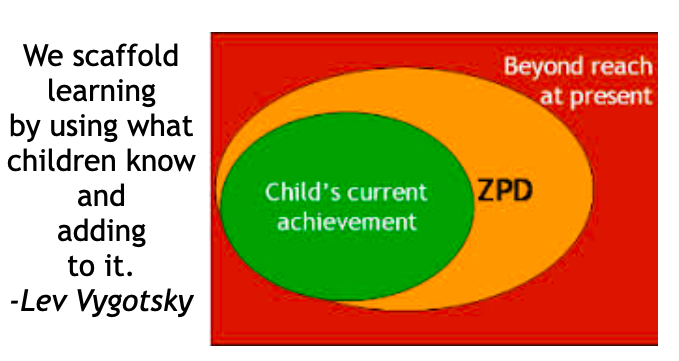
First of all, the language was gently scaffolded. Students had an achievable step. This is called the Zone of Proximal Development.

Next, the language was taught in a variety of ways. On the right, you can see the “Multiple Intelligences Pizza.” This theory was developed by Dr. Howard Gardner and adapted for the classroom by Dr. Thomas Armstrong. Some teachers have used this theory to look at students’ talents. I use it, however, for planning varied ways to teach my lesson. In our lesson, students looked at pictures (individually and in context), followed patterns, explored musical songs and chants, and moved their bodies. They learned alone and played games with their classmates. Learning like this provides repetition that is varied and engaging. When you use MI (Multiple Intelligences) strategies, you create variety in your lessons. 

Remember: Repetition, Repetition, VARIATION.

Last of all, making learning a positive experience is a very important aspect of learning. To nurture students’ imaginations and fun, use hands-on materials, including picture cards, stuffed animals, puppets, instruments, beanbags, scarves, and found items.

Songs build fluency. Games build on the language taught in class. This dice game is so much fun and builds fluency along with reading skills. You can see the children rolling the dice, adding the sight words, then reading the sentence. This activity creates some funny sentences, such as “He has a dress.” (dice pattern in MT 2 Teachers’ book). Alternatively, you can use picture cards. Students turn over one of the character cards, choosing he or she. Then the student adds “has a,” followed by another vocabulary picture card (i.e. shirt).

Just a note that before students go home, I like to play the song again. Create the chance fo students to catch SSIYH, the “song stuck in your head” phenomenon. Good songs are easy for students to repeat. Repetition helps, too. Students will sing independently and happily.

Do you have a secret to teaching songs? Let us know at magictimekids@gmail.com. We’d love to hear from you!

Kathy loves to write music for children. If you’re looking for songs for little ones, check out these two CDs, available on iTunes.

Kathy Kampa is a passionate educator of young learners. She seeks to nurture children’s imaginations and spark creativity through fun and engaging activities. Kathy believes that music and movement should be a part of every young child’s learning.

Kathy and her husband Chuck are co-authors of Magic Time, Everybody Up, Oxford Discover, and Beehive (published by Oxford University Press). They have been teaching young learners in Tokyo, Japan for 30 years. Kathy and Chuck also active as teacher trainers, inspiring teachers around the world. They have currently returned to their home state of Minnesota in the US.

If you’re interested in more of Kathy’s work, check out her YouTube channel at Kathy Kampa. Kathy has collected numerous activities to link with her here on Pinterest.

Share this:

-.