
It’s time to sing “Hello Spring” with your little ones.
Category: Uncategorized
Embracing Winter: Engaging Children with Snowy Songs

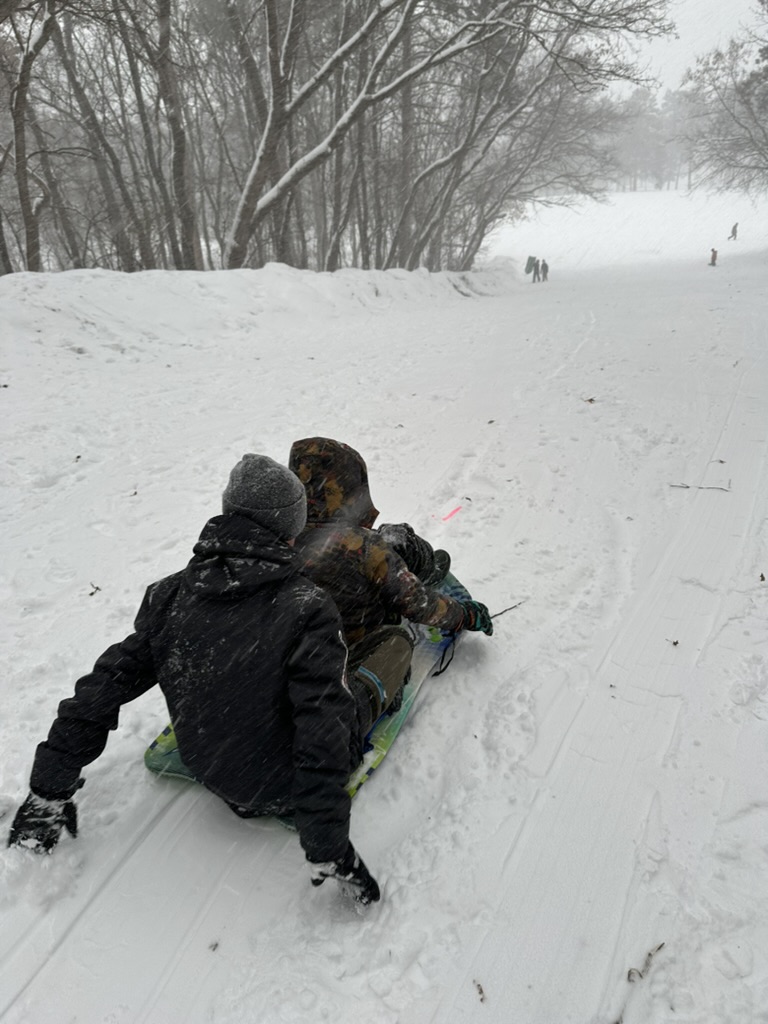
It’s winter 2025 here in Minnesota. We’ve had a lot of snow already! And every time it snows, I start to sing this song in my head. (You might, too!)
A snowy winter is a dream for us here in Minnesota. And today–it’s been snowing all day long! I went sledding with my neighbor’s children. With about eight inches of snow, we have to say that it was a winter wonderland!
Look at this magical fort! I had a delightful time playing there with my great-nephew and my sister.
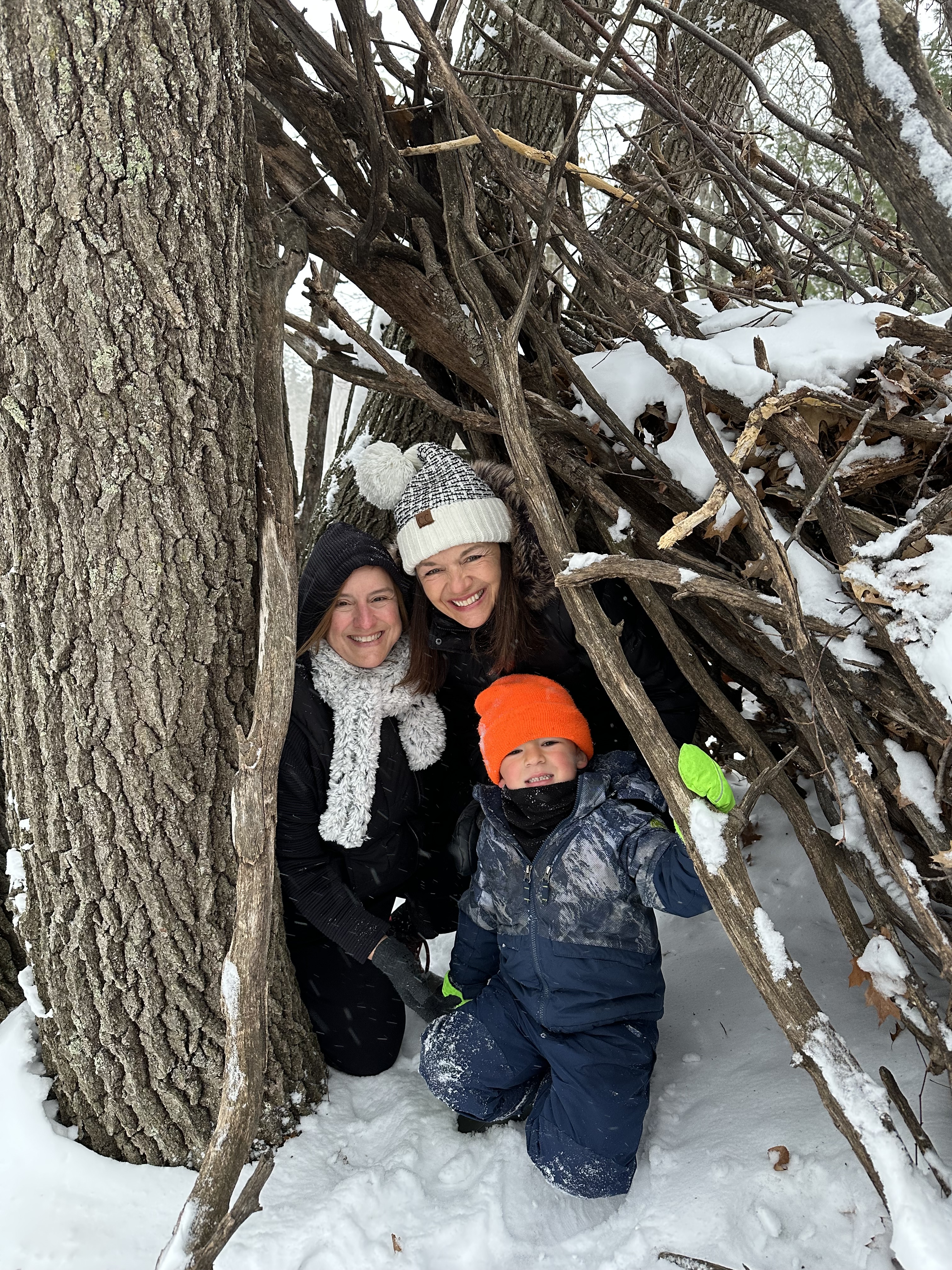
I started writing this song during our first snowfall in November 2024. I taught it to all my students last winter, and it quickly became a favorite. My cousin stopped by with her daughter and her granddaughter. I brought some toys for her to play with. We also sang this song with scarves. I gave each of them a scarf to take home.
This is what my cousin wrote: “We were checking to see if you had recorded it (Snow Is Falling Down) yet. We sang your song so much today that we honestly started searching for it so we could get a little break🤣🤪. Let’s just say the song and the scarves are a real hit with Lucy💝💝💝💝💝💝💝. “

Things you may notice:
-You’ll find repetition in the lyrics to help children learn the song quickly.
– I featured the /l/ sound to support ESL language development (especially for Japanese students) (la, la, la, la, la/ falling/ gently/ whirling)
-I taught this first as a seated song, then as a dance standing in one place.
-I added variety by inviting students to add playful movements with their scarves and dancing with the scarf on a different body part. Scarves are easy for young learners to manipulate.
You can add, Think, think, think, Think, think, think, what should we do? Let’s dance with the scarf on our elbows!
-Movements include toss/catch, crossing the midline with the scarf (standing), and vestibular (turning).

Here are the lyrics. You can choose which body part to put the scarf on.
You can find the Google slides here.
*Note: I use scarves like this for this song.
Snow Is Falling Down by Kathy Kampa
A: (Sit with children and toss scarves)

Snow is falling down, la-la-la-la-la, Falling gently from the sky,
Snow is falling down, la-la-la-la-la,
Falling to the ground. Falling on my head.
(Scarves cover the children’s heads, sit and move with continuous flow)
B. See it falling down, Whirling all around, Dancing on my head. (2X)
Peek-a-peek-a- peek-a-boo! ( Toss!!)
(Sit and toss scarves or stand and dance.)
2. Snow is falling down, la-la-la-la-la, Falling gently from the sky,
Snow is falling down, la-la-la-la-la,
Falling to the ground. Falling on my shoulder.
(Scarves rest on children’s shoulders)
B. See it falling down, Whirling all around, Dancing on my shoulder. (2X)
(toss it in the air . . . Whee!)

3. Snow is falling down, la-la-la-la-la, Falling gently from the sky,
Snow is falling down, la-la-la-la-la,
Falling to the ground. Falling on my hand.
(Children hold the scarf in one hand)
B: See it falling down, Whirling all around, Dancing in my hand. (2X)
(Sit and toss scarves)

Snow is falling down, la-la-la-la-la, Falling gently from the sky,
Snow is falling down, la-la-la-la-la, Falling to the ground.
Falling to the ground. (scrunch up the scarf, make a snowball, and toss!)
* Variation: Add other body parts.
*Try part or all of this song standing. Make sure that children have enough space to move.
- Swing scarf across the body to feel the meter. (1-2-3, 1-2-3, this is a waltz.) End with the scarf on a named body part.
- Make circles with the scarf. OR Turn slowly in one direction, then the other.
- If you’d like to add instruments, try triangles, shakers, or jingle bells.
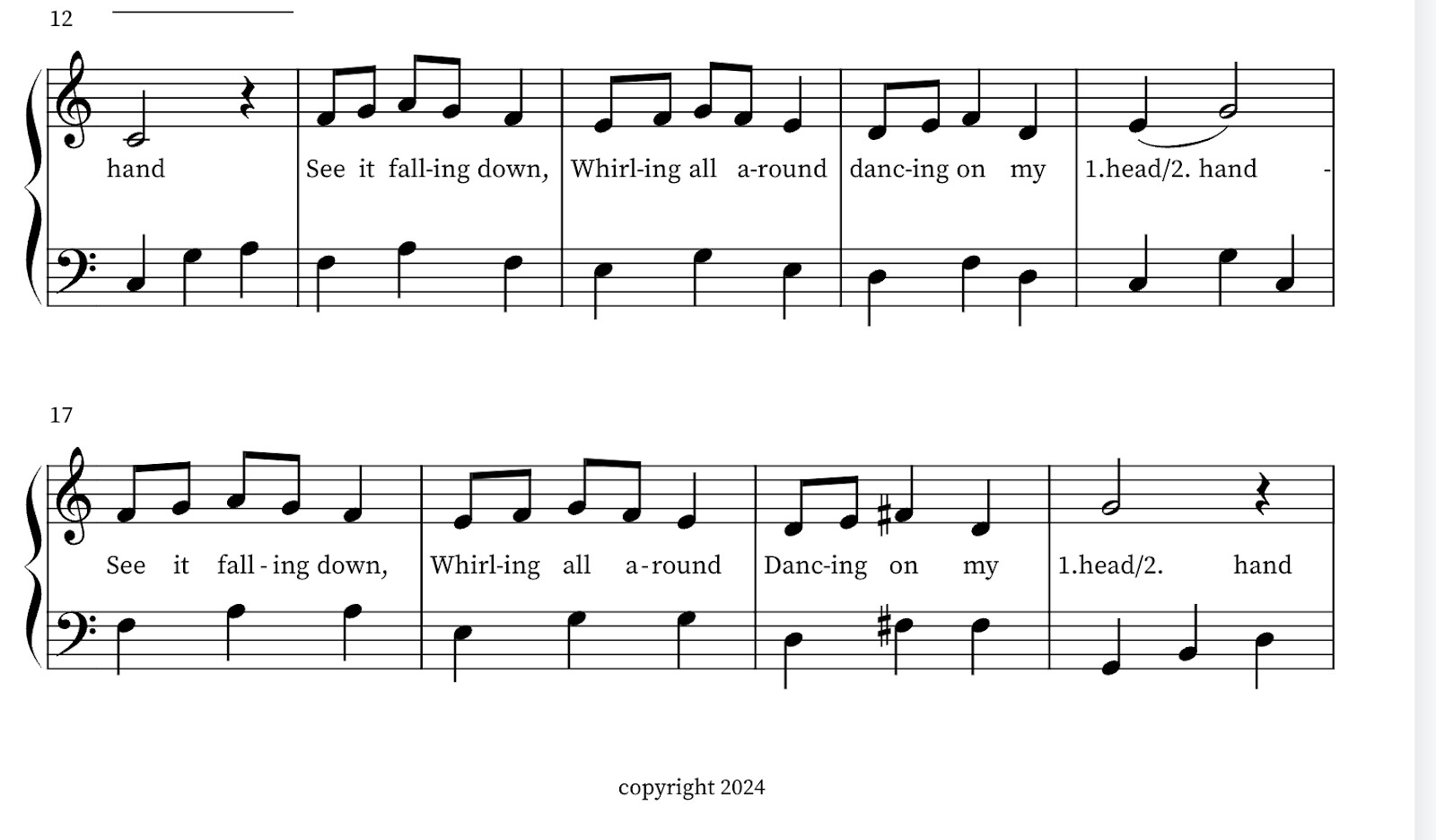
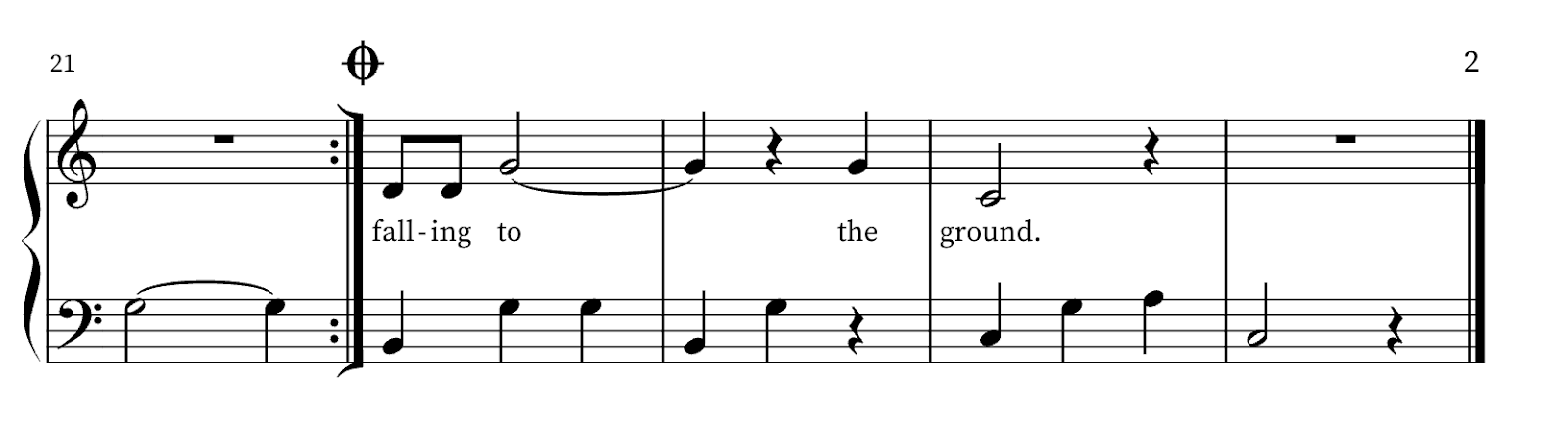
Here’s the notation. Enjoy!

Are you streaming music? Go to Spotify or Apple Music to find Kathy’s additional music. You’ll find these albums there.
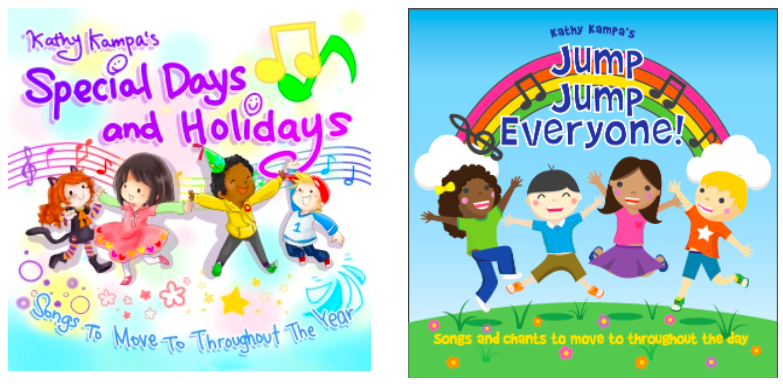
Jump Jump Everyone, Kathy’s second album, is filled with many happy songs that have grown in my young learner classroom. The songs encourage children to move. Many songs link to classroom content. Children can dance like falling leaves, bloom like a spring flower, move through the butterfly life cycle . . . . you’ll find LOTS of fun and magic in this album.
This song will be on Kathy’s next album. If you have song requests, let her know.
Kathy Kampa loves to bring joy to the world through her children’s music. She is passionate about making learning engaging for young learners. You’ll find more resources on Kathy’s YouTube page. Kathy seeks to nurture children’s imaginations and spark creativity through fun and engaging activities. She also supports the development of English language skills by creating songs, chants, and TPR/movement activities targeted to young learners’ needs. She believes music and movement should be a part of every young child’s education. Kathy’s songs for kids (Kathy Kampa’s Special Days and Holidays and Jump Jump Everyone) are available on iTunes and streaming services like Spotify.
Kathy uses a globally-minded and concept-based inquiry approach to teaching and learning through which students develop 21st-century skills. Kathy is an author and teacher-trainer with Oxford University Press. Together with her husband, Charles Vilina, their new course Blue Dot will be released in 2025.
It’s Christmas Time!
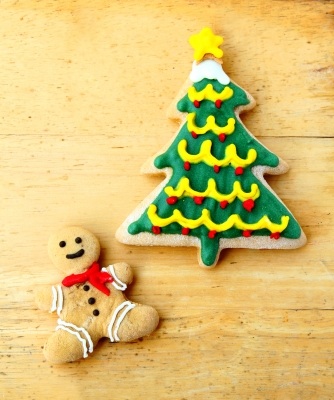

Christmas Day is just around the corner! Here’s a simple song for your little ones!!
You’ll find everything you need to teach this song–a handout, lyrics, movement suggestions, and a video. You can find this song on Apple Music, Spotify, or iTunes.
My dear friend and Oxford co-author, Setsuko Toyama from Niigata, Japan, created this wonderful activity sheet and picture cards. Just click below and print them!
It’s Christmas Time-Song by K. Kampa, Handout by S. Toyama
It’s Christmas Time
Words by Kathleen Kampa, copyright © 2013 by Kathleen Kampa
(music adapted from The Muffin Man)
1. Do you hear the jingle bells,
 the jingle bells, the jingle bells?
Do you hear the jingle bells?
It’s Christmas time!
Chorus:
Christmas! Christmas! Time to celebrate.
Christmas! Christmas! We can hardly wait.
2. Do you see the Christmas tree,
the Christmas tree, the Christmas tree?
Do you see the Christmas tree?
It’s Christmas time!
Chorus:
Christmas! Christmas! Time to celebrate.
Christmas! Christmas! We can hardly wait.
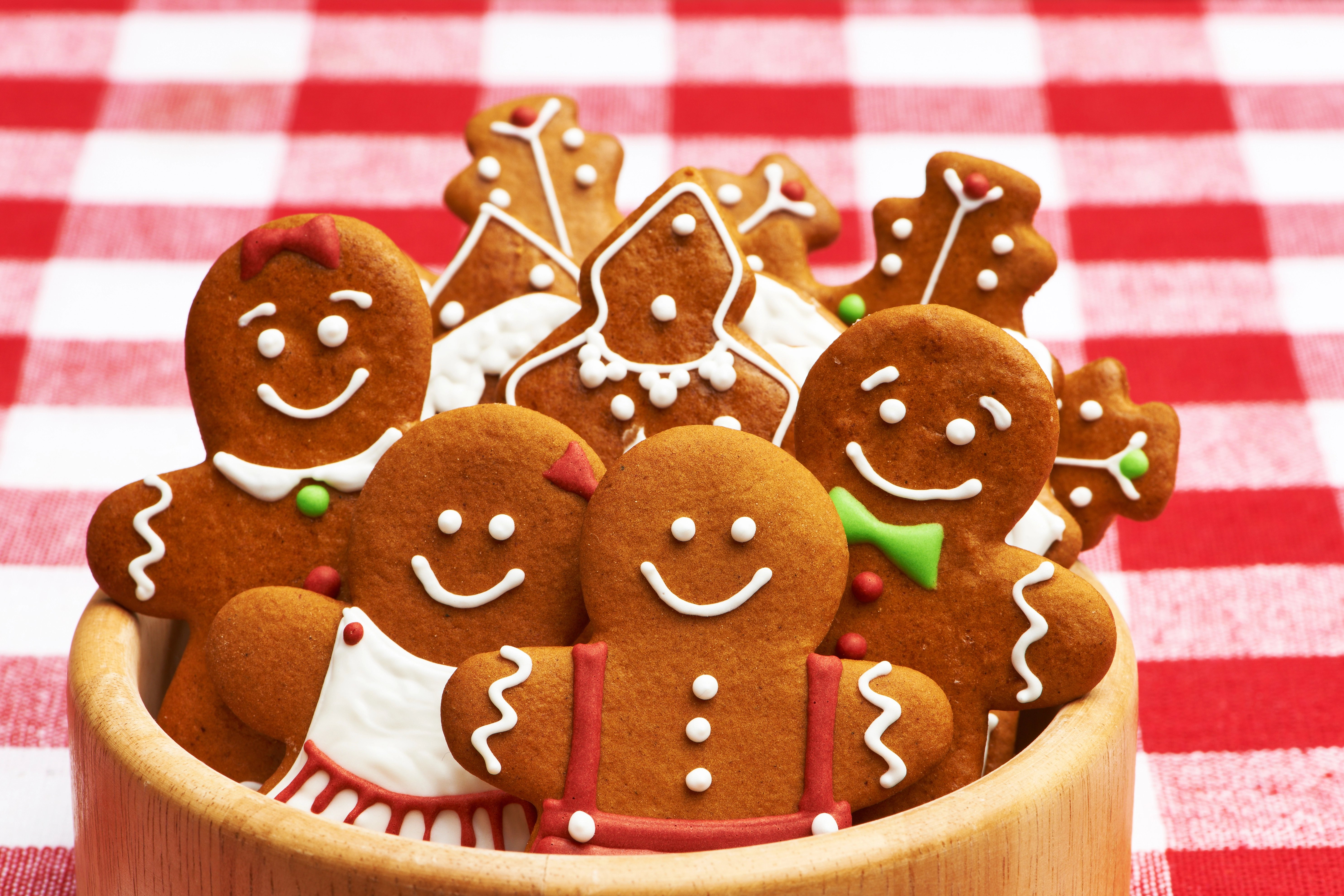
Do you smell the gingerbread,
The gingerbread, the gingerbread?
Do you smell the gingerbread?
It’s Christmas time!
Chorus:
Christmas! Christmas! Time to celebrate.
Christmas! Christmas! We can hardly wait.
4. We feel joy and happiness,
happiness, happiness,
We feel joy and happiness,
It’s Christmas time!
The steps to the activity are as follows:
1. Teach the six new words using the picture cards.
It’s Christmas Time-Song by K. Kampa, Handout by S. Toyama
Create a gesture for each word.
2. As a critical thinking activity, place the pictures for hear, smell, and see in a column on the left side of the board. Place the images for gingerbread, jingle bells, and Christmas tree in a column on the right side. Point to the “hear” card as you ask students, “What can you hear?” When students answer, “jingle bells,” draw a line from hear to jingle bells. Continue in the same way with the other words. In addition, you may ask questions such as, “Can you smell a Christmas tree? Can you see jingle bells?” and so on.
3. Hand out a copy of the activity sheet to each student. Play the song. As students listen, they point to the lyrics with illustrations (known as a rebus).
4. Play the song again, with students standing in a circle or at their desks. On each verse, pantomime the movement with your students. For a performance, you could have different groups perform each of the verses.
5. There are so many possibilities for movements. For example, on the chorus, on Christmas, Christmas, students can a) make a big circle with their arms, b) wave their arms side to side, or c) choose their own idea.
On time to celebrate, students clap their hands five times, once for each syllable.
On We can hardly wait, students hug themselves, then reach their hands up on the word wait!
For the interlude music, pretend to make it snow by moving your fingers gently from up high to the ground!
We hope you enjoy this wonderful Christmas song and activity.
Here’s a video that I made with some amazing kids! They jumped right into the song and we recorded this video at a park.
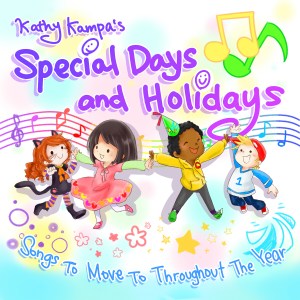
For the studio version of my song, go to iTunes and click on Track #13 of Kathy Kampa’s Special Days and Holidays. (Just click on iTunes above or the album cover below.)
This music is also available on streaming services.
I have collected numerous Christmas craft activities here on Pinterest.
Happy Teaching, and have a very Merry Christmas!
Kathy Kampa
Kathy Kampa is a passionate educator of young learners. She seeks to nurture children’s imaginations and spark creativity through fun and engaging activities. Kathy believes that music and movement should be a part of every young child’s learning.
Kathy is the co-author of Magic Time, Everybody Up, Oxford Discover, Beehive and Buzz , and Blue Dot(all published by Oxford University Press). She has taught young learners in Tokyo, Japan for over 30 years. Kathy is also active as a teacher trainer, inspiring teachers around the world. She has currently returned to her home state of Minnesota in the US.
“Christmas Gingerbreads” image courtesy of nuchylee / FreeDigitalPhotos.net
Get Your Kids Moving with “The Turkey Dance!”
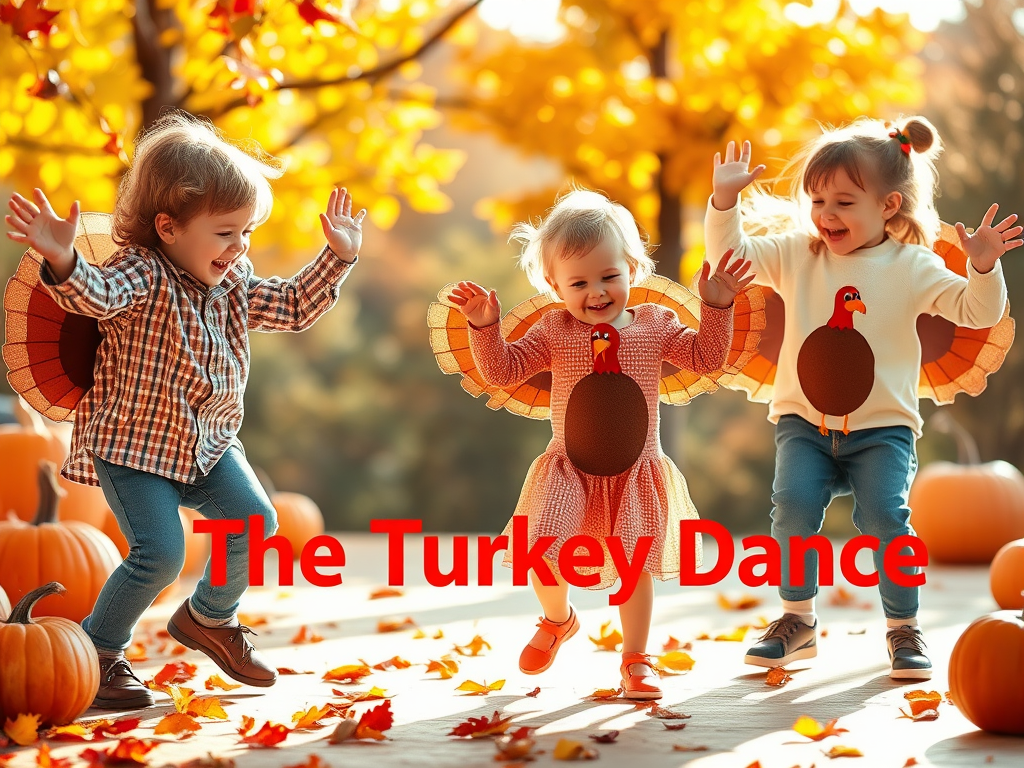
Get up and move with this lively Thanksgiving song by Kathy Kampa! This catchy tune is a fun movement activity for children. Invite them to use their imaginations as they pretend to be turkeys. Move different body parts with each repetition of the song.
Witches, Ghosts, Bats, Owls, and Black Cats . . . What are you going to be for Halloween?
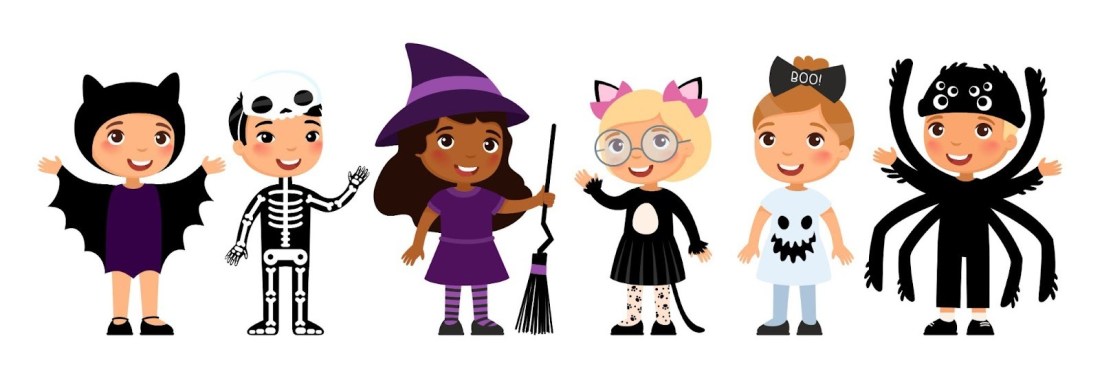
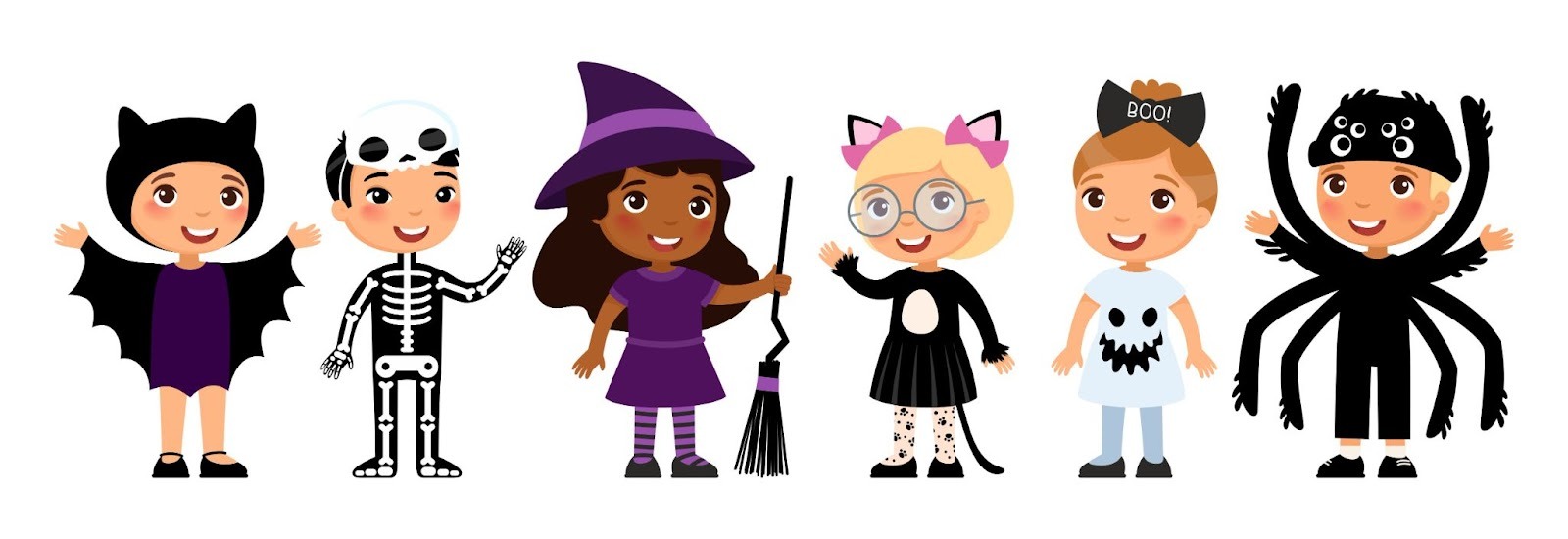
For our young learners, Halloween presents an opportunity to nurture their creativity through imaginative activities. Students can dress up as a character and move in more expressive ways. They can use their voice in different ways, too. Let’s explore moving like various Halloween characters.
First of all, I gather students in front of me to teach the vocabulary from this song. I sing the transitional song, “Come and Sit In Front of Me.” (by K. Kampa) The professional version of this transitional song is here for you.
Come and sit in front of me, in front of me, in front of me.
Come and sit in front of me, in front of me,
You can gather students in a circle, too.
Let’s make a circle, big and round (4X).
Show the Google Slides vocabulary images for the song “I’m A Witch.”
“What sounds do each of the characters make?”
Sing the lyrics below. Students can add hand or arm movements while sitting.
I’m A Witch
Words by Kathleen Kampa melody: Skip to my Lou
Spoken: Let’s be witches and fly on our broomsticks.
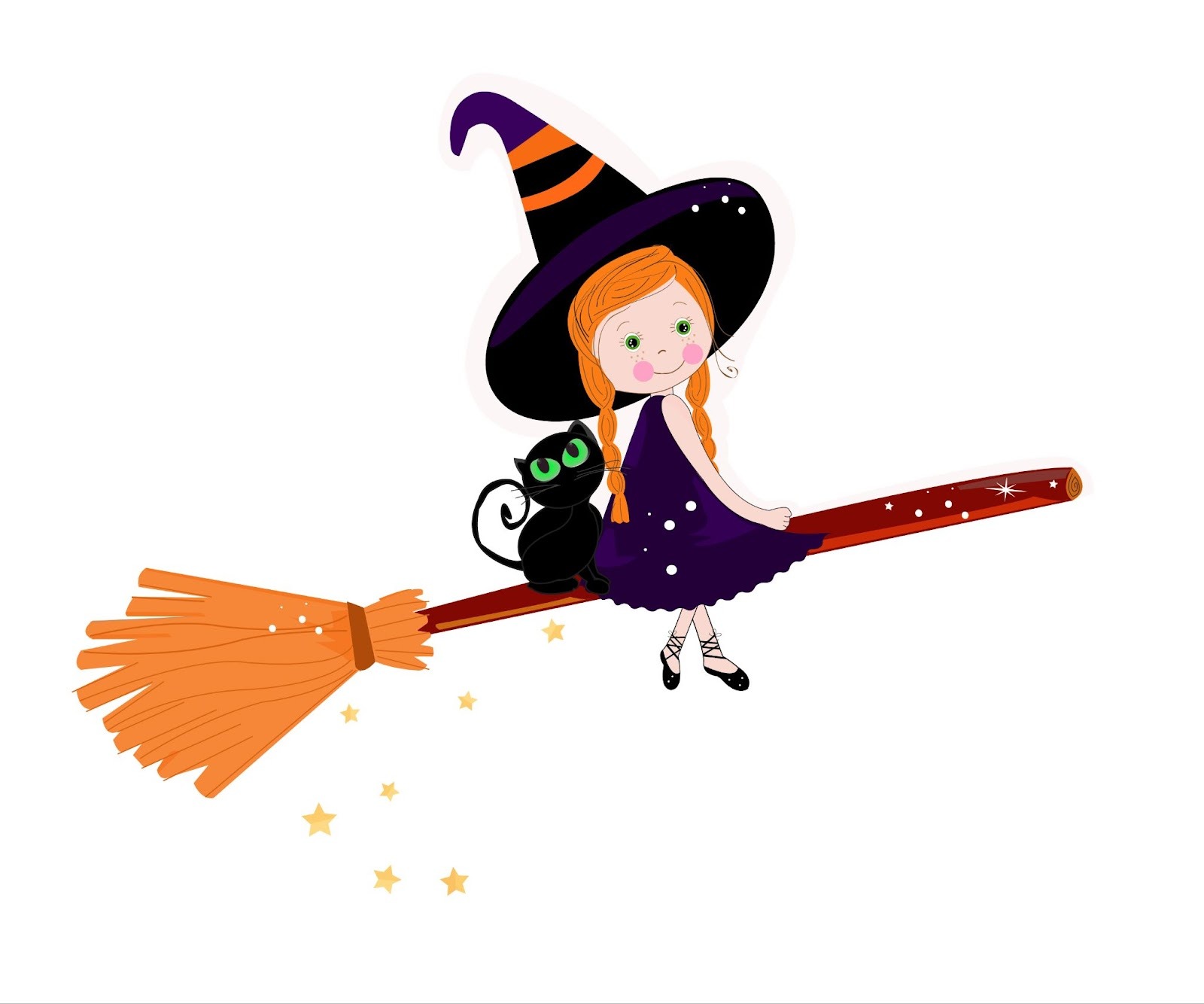
Hee! Hee! Hee! I’m a witch
Hee! Hee! Hee! I’m a witch!
Hee! Hee! Hee! I’m a witch!
Happy Halloween!
2. Spoken: Let’s be ghosts and float gently through the air.
Boo! Boo! I’m a ghost! (3X) Happy Halloween!
3. Spoken: Let’s be bats and fly through the night sky.
Eeek! Eeek! I’m a bat! (3X) Happy Halloween!
4. Spoken: Let’s be owls and turn our heads from side to side.
Whoo! Whooo! I’m an owl! (3X) Happy Halloween!
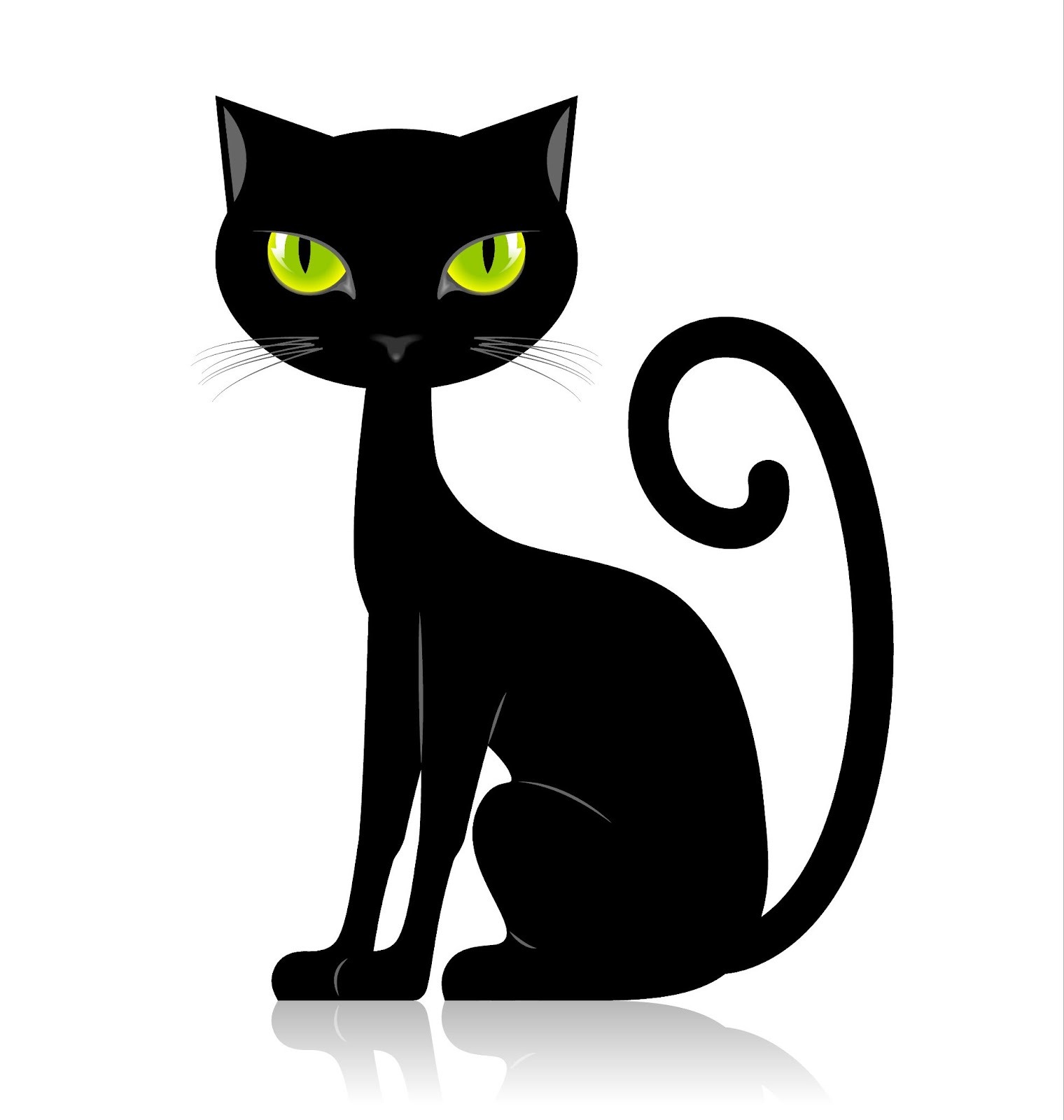
5. Spoken: Let’s be black cats. Put on your whiskers and sneak around.
Meow! Meow! I’m a black cat! (3X) Happy Halloween!
Let’s add some locomotor movements to this song. Stand up and make a slightly larger circle with your students. You can sing the transitional song, Let’s Make a Circle Big and Round, to make a circle.
Make this activity magical by waving your hand or a wand, and saying the words “Abracadabra! You’re a witch!” Ask, “How does a witch move?” Wait for ideas and try some. “Get on your broomsticks and fly around the circle.” Practice each movement, making sure that students are moving in the same direction around the circle. Say “Stop!” to end the movement. Since stopping is an important concept for young learners, acknowledge students who have stopped in interesting poses. Continue with the other characters, asking students how that character might move. While they are moving, describe what you see. “I see Kumi creeping and sneaking around like a cat. Her back is arched, or high in the air.” In this way, students learn more vocabulary and develop more interesting movements.
Now play the music! The spoken cues on the recording guide your students’ movements. My students love the special sound effects. Students start by posing like the characters, such as the witch, then move around in a circle. You can show the characters on the Google Slideshow.
Add your own ideas. What sound or sounds does this character make? Some characters don’t really make a sound, so you have to use your imagination.
When your students are ready, invite them to move throughout your classroom space rather than in a circle.
“I’m a Witch” is on Kathy Kampa’s Special Days and Holidays, available on Spotify or Apple Music.
Find more Halloween ideas on our Magic Time Kids blog and on my Pinterest page. If you’re interested in more of my work, check out my YouTube channel at Kathy Kampa.
My second album is filled with many happy songs that have grown in my young learner classroom. The songs encourage children to move. Many songs link to classroom content. Children can dance like falling leaves, bloom like a spring flower, move through the butterfly life cycle . . . . you’ll find LOTS of fun and magic in this album. This is available at iTunes, Apple Music and Spotify.
A little about me . . .
Kathy Kampa is a passionate educator of young learners. She seeks to nurture children’s imaginations and spark creativity through fun and engaging activities. Kathy believes that music and movement should be a part of every young child’s learning.
Kathy and her husband, Chuck Vilina, are co-authors of Magic Time, Everybody Up, Oxford Discover, Beehive, Buzz, World Class, and Blue Dot (all published by Oxford University Press). Their latest course Blue Dot encourages students to be changemakers and take action in the world.
Kathy has taught young learners in Tokyo, Japan for over 30 years. She’s also active as a teacher trainer, inspiring teachers around the world. She has currently returned to Minnesota where she continues to teach young learners, write educational materials, and compose songs for children.
October 15th is Global Handwashing Day!
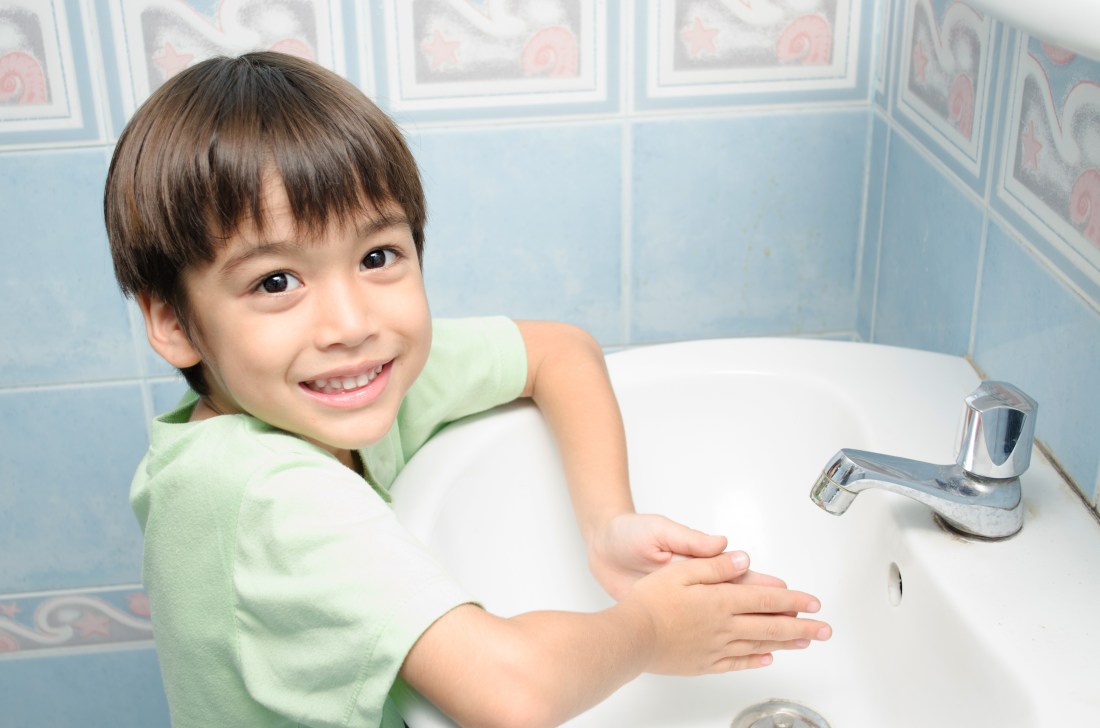

Do you know the five steps to washing your hands well? Wash Those Germs Away, written by children’s songwriter Kathy Kampa, was inspired by the COVID-19 virus and a call to better hand washing by our school nurse. This song will teach you (and those you love!) how to wash your hands thoroughly.
You’ll find a video created for young learners at my school. This might help your very young learners. The other video is a compilation of people who joined me in a “handwashing mission.”
Here are some suggestions for teaching this song:
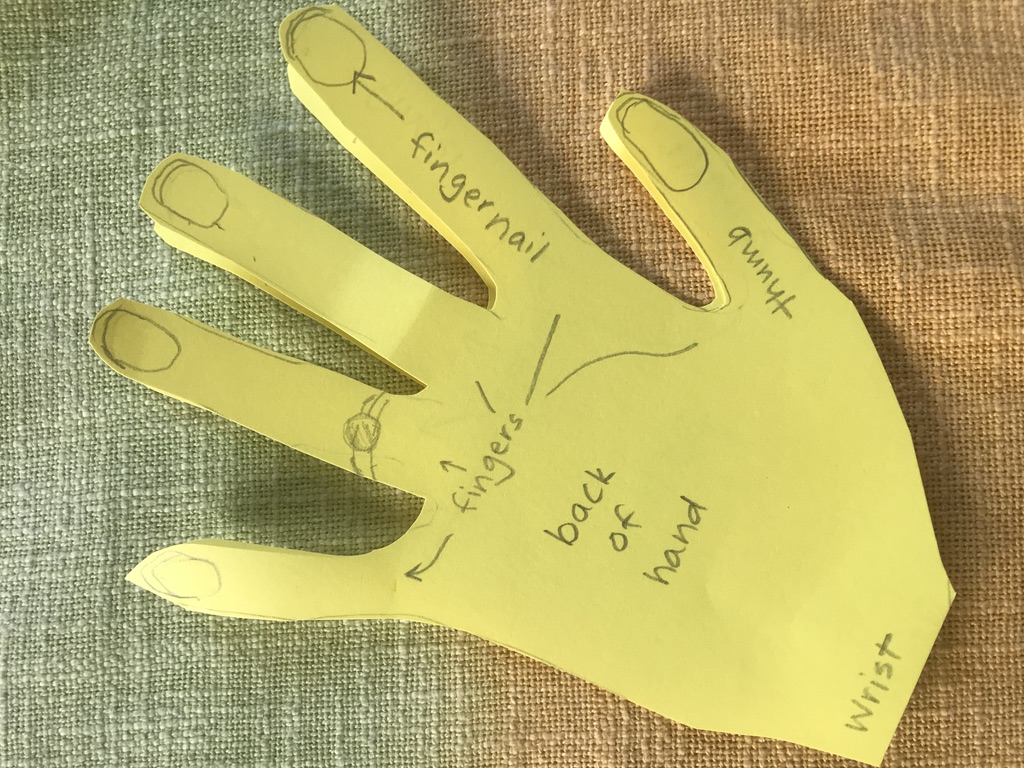
For young learners, check their knowledge of the different parts of their hands. Here are two ways to do this.
- First, let’s name the parts of your hand. You can say, Show me your fingers. Let’s say ‘fingers.’ Show me your thumbs. Let’s say ‘thumbs.’ Let’s count our fingers and our thumbs. 1-2-3-4-5-6-7-8-9-10! Continue in the same way with the other parts of the hand. Show me your fingernails . . . palms . . . . wrists.
- Then, you can prompt the names of each part of the hand by showing: What are these? (wiggle your fingers) Fingers!

Now, prepare soap and a towel or paper towel. Pretend to turn on the water.
| Get started: Turn on the water. Get the soap. Rub your hands together. Let’s wash our hands. Turn off the water. |
| Sing: 1. Wash between, wash between, wash between your fingers, Wash between, wash between, wash between your fingers. |
| 2. Wash the back of each hand, Wash those germs away! |
| 3. (Start with your pinkie and work towards your thumb, then start with your thumb to your pinkie.) Then wash your fingers one by one, Wash each finger, Wash your thumbs, 1-2-3-4-5-6-7-8-9-10, almost done! |
| 4. (Bend your fingers to wash your fingernails in your palm.) Now you wash your fingernails and wash your palms, wash your fingernails and wash your palms, |
| 5. Wash your wrists, both right and left, Wash those germs away! |
| Wash those germs away! Wash – those – germs – away . . . . . . . . . YEAH! Shake off that water and dry your hands. |
Thanks to creative artists

—- Andre DiMuzio for arranging this song
—–Brady Foster for compiling all of the videos!
To ensure that everyone knows how to wash their hands well, we’ve provided additional resources for you. Both the vocal version and the karaoke version are available for free!
Karaoke Version
Thanks to everyone who joined in this hand-washing compilation.
Thatcher Buck
Karoline Buck
Brady Foster
Yuzuho Fujisawa
Emma Hayashi
Maiko Hayashi
Barbara Hoskins-Sakamoto
Patrick Jackson
Kathy Kampa
Brooke Kearney
Lori Kampa Kearney
Shannon Kearney
Yoko Matsui
Dina Mitchell
Nao Oshima
Callie Sisel
Tomoko Tanaka
Christian Vilina
Chuck Vilina
Craig Wright
Special Thanks to Taruna Kapoor and students:
Kindergarten children:
Pushti Bhatti
Vihaan Singh
Pre-Nursery
Prince Rana
Arubhav Shishodia
Ranya Goel
Want to see some fun outtakes? Thanks to dogs Addie and Allie who joined in the fun! We also thank the pair of feet for trying to do this song.
For more kid-tested music and movement activities, check out more music on iTunes. Kathy has produced two music CDs for very young learners, Kathy Kampa’s Special Days and Holidays and Jump Jump Everyone, which build English language skills through movement while nurturing creativity and imagination! Grown and loved by real kids!

Songwriter Kathy Kampa is a passionate educator of young learners. She seeks to nurture children’s imaginations and spark creativity through fun and engaging activities. Kathy believes that music and movement should be a part of every young child’s education. Kathy’s Songs for Kids (Kathy Kampa’s Special Days and Holidays and Jump Jump Everyone) are available on iTunes.
Kathy uses a globally-minded and inquiry-based approach to teaching through which students develop 21st-century skills. She also supports the development of English language skills by creating songs, chants, and TPR/movement activities targeted to young learners’ needs.
Kathy and her husband Charles Vilina are also co-authors of Magic Time, Everybody Up, and the ELTon award-winning course Oxford Discover, all published by Oxford University Press. They recently published Beehive and Buzz, courses for young English Language Learners.
#handwashing #COVID #coronavirus #washyourhands #socialdistancing #corona #handwash #KIDSMUSIC #CHILDRENSMUSIC #KATHYKAMPA #MAGICTIMEKIDS CHILDRENSSONGS #MOVEMENT #MUSICFORKIDS #KIDS #FAMILYMUSIC #MUSICCLASS #BABYMUSIC #TODDLERMUSIC #KIDSMUSICCLASS #preschool
Hand washing image Designed by brgfx / Freepik
The Life Cycle of the Butterfly
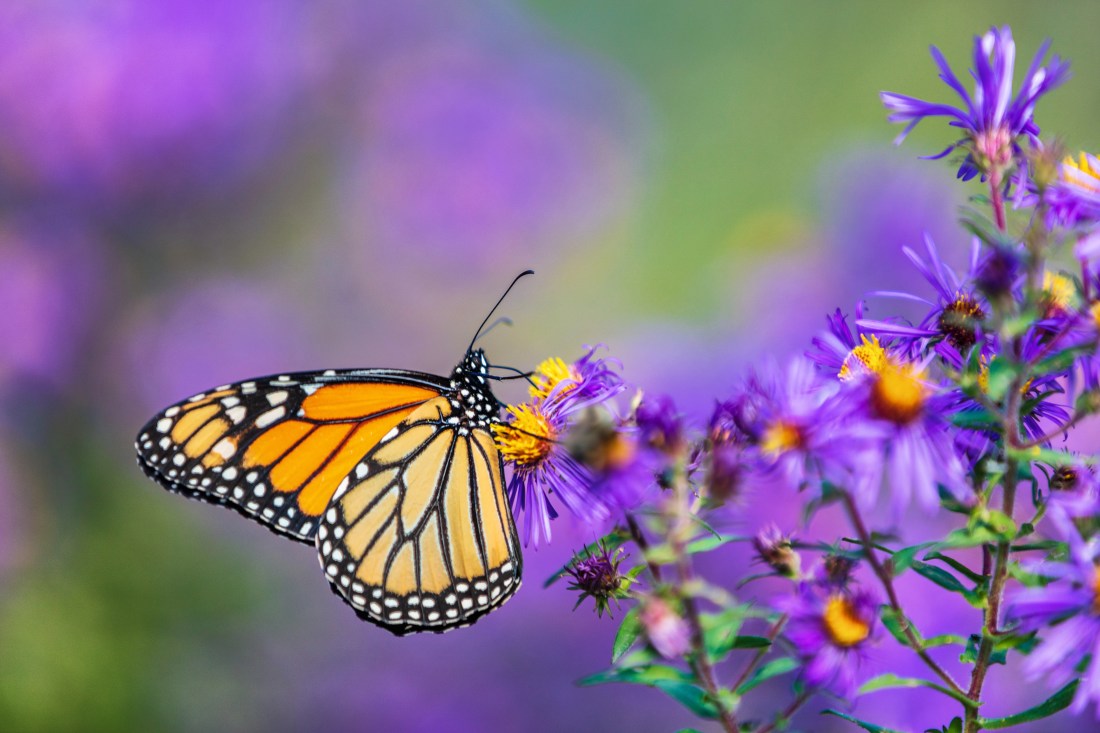
Here in Minnesota, we’ve caught a glimpse of butterflies flying in our pollinator garden. It’s wonderful to see them!
You can teach your students about the butterfly life cycle in a CLIL lesson, or Content and Language Integrated Learning. CLIL lessons link classroom content with vocabulary and grammar paradigms. We can bring the world of nature into our English lessons!

Using the theory of Multiple Intelligences, you can use many ways for your students to learn. Use words to describe the pictures or puppets. Use music and follow the pattern in the chant. Move your fingers or whole body. Invite students to work together and come up with their own ideas. Notice how each part of the life cycle changes.
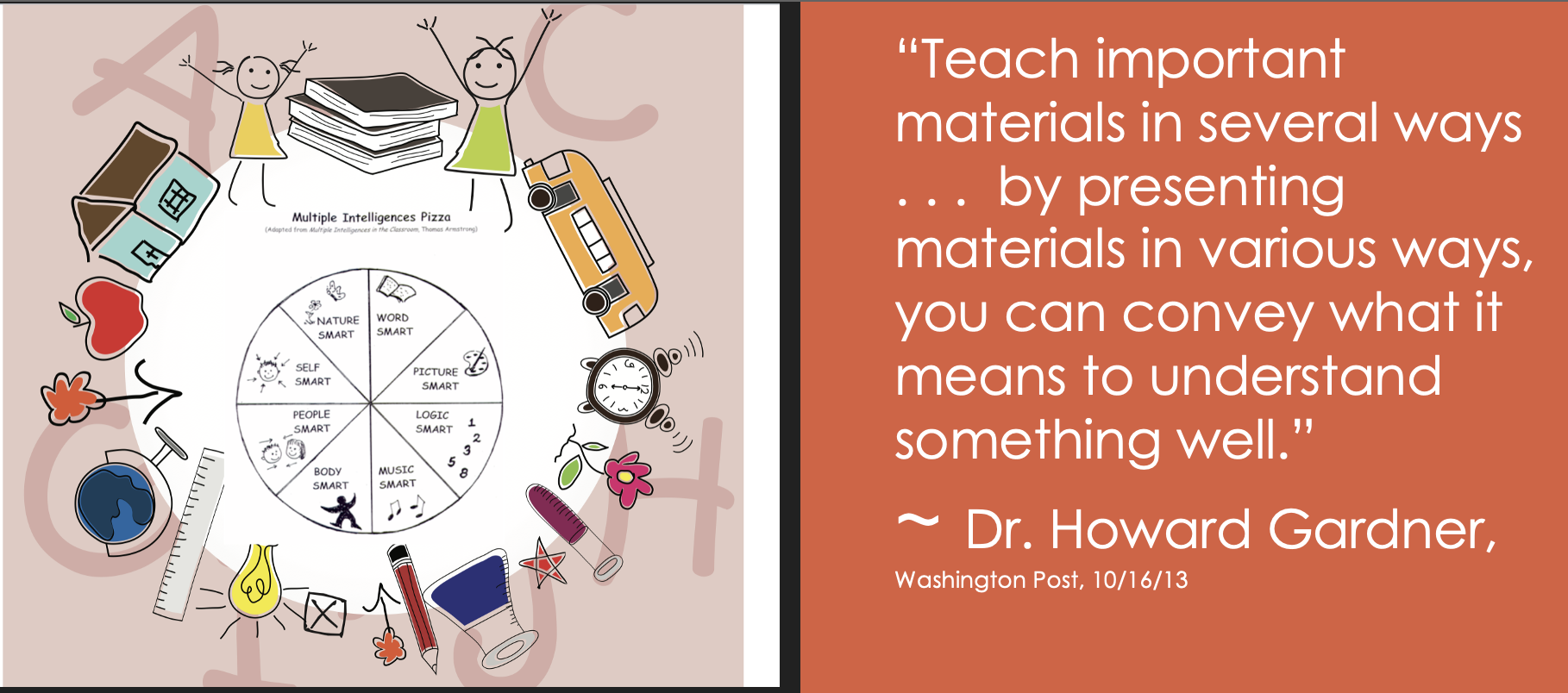
In addition, if you teach want to teach conceptually, consider the concept of “change.” What changed in each part of the life cycle? (size, the way it moves, the way it looks, etc.)
Through this activity, students will:
-know the names of the butterfly life cycle
–create movements for each part, with their fingers, with whole body
–perform a chant
–recognize a life cycle
Please refer to the illustration below as we go through the steps of the lesson.
1. First, present the new language:
egg caterpillar chrysalis butterfly
 You may introduce the language using the picture card illustrations (right), or use these Google slides to show students beautiful images of the vocabulary. It’s fun for students to find these life cycle images in the story of “The Very Hungry Caterpillar” by Eric Carle.
I often introduce the language with an egg shaker, a Folkmanis caterpillar puppet that changes into a butterfly, and a scarf (to be the chrysalis).
2. Create finger shapes for each word. The “fingerplay movements” below the illustrations will show you how, or use your imagination to create your own ideas.
3. Say the chant using the finger movements.
Tiny Egg Chant (Butterfly Life Cycle Chant)
by Kathleen Kampa © 2013
Tiny egg, tiny egg X X XX X (ch – ch- ch ch – ch)
Tiny egg, tiny egg X X XX X (ch – ch- ch ch – ch)
Tiny egg, tiny egg X X XX X (ch – ch- ch ch – ch)
1-2-3-4 LOOK!
Caterpillar, caterpillar X X XX X (ch – ch- ch ch – ch)
Caterpillar, caterpillar X X XX X (ch – ch- ch ch – ch)
Caterpillar, caterpillar X X XX X (ch – ch- ch ch – ch)
1-2-3-4 Look!
Chrysalis, chrysalis X X XX X (ch – ch- ch ch – ch) (Repeat 3 times)
1-2-3-4 Look!
Butterfly, butterfly X X XX X (ch – ch- ch ch – ch) (Repeat 3 times)
Wait . . . . Good-bye!
________________________ ____________________
Here is a simple recording of the chant that you can use:
The professional recording can be found on Jump Jump Everyone.
4. Finally, you can expand the activity by having students move to the chant using their whole body. Students can curl up to make tiny egg shapes, then wiggle about on their tummies as caterpillars. They can balance on one foot in a chrysalis shape. While students are balancing quietly, give each student one or two colorful scarves for butterfly wings. Your students might enjoy moving around the room like butterflies. I often play “Aviary” by Camille Saint-Saëns, or the Japanese song “Cho Cho.” I’ve also written a song called “Flitter Flutter Butterfly” that connects nicely with this.
Video: Here are my young learners in Tokyo doing this chant with me.
______________________________________________________________
Through the power of CLIL, students have now experienced the life cycle of a butterfly in a meaningful, memorable way. They have embodied the vocabulary and will happily repeat this activity in future lessons.
You can transfer the idea of the butterfly life cycle to other animal life cycles, such as the frog life cycle. How does the frog change? How is this similar to the butterfly life cycle?
Let us know how this activity works in your classroom, and if you discovered any new ways to teach it!
Here’s a beautiful visual of the gradual transformation. According to The Butterfly Lady, “When the Monarch caterpillar is ready to pupate it will spin a silk button, attach itself, and hang head-down in a “J” shape. The caterpillar will stay like this for around 24 hours. Shortly before the caterpillar is ready to shed their larval skin, it will straighten and the antennae will become ragged. The caterpillar wiggles to discard the skin and reveals the pupa (chrysalis).”

Happy Teaching!
Kathy
Are you streaming music? Go to Spotify or Apple Music to find my music. You’ll find “Tiny Egg” and “Flitter Flutter Butterfly” on “Jump Jump Everyone.”
Jump Jump Everyone, my second album, is filled with many happy songs that have grown in my young learner classroom. The songs encourage children to move. Many songs link to classroom content. Children can dance like falling leaves, bloom like a spring flower, move through the butterfly life cycle . . . . you’ll find LOTS of fun and magic in this album.
Kathy Kampa loves to bring joy to the world through her children’s music. She is passionate about making learning engaging for young learners. You’ll find more resources on Kathy’s YouTube page.
It’s the Year of the Snake
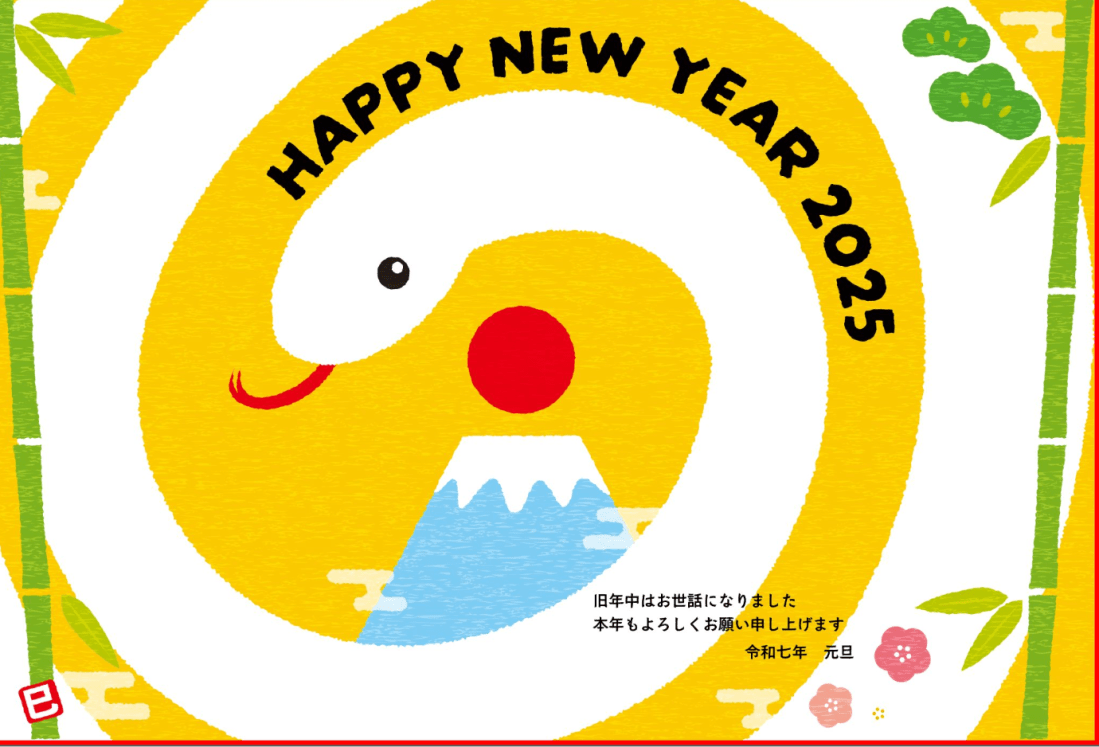
It’s the beginning of a new year! And it’s time for us to celebrate.
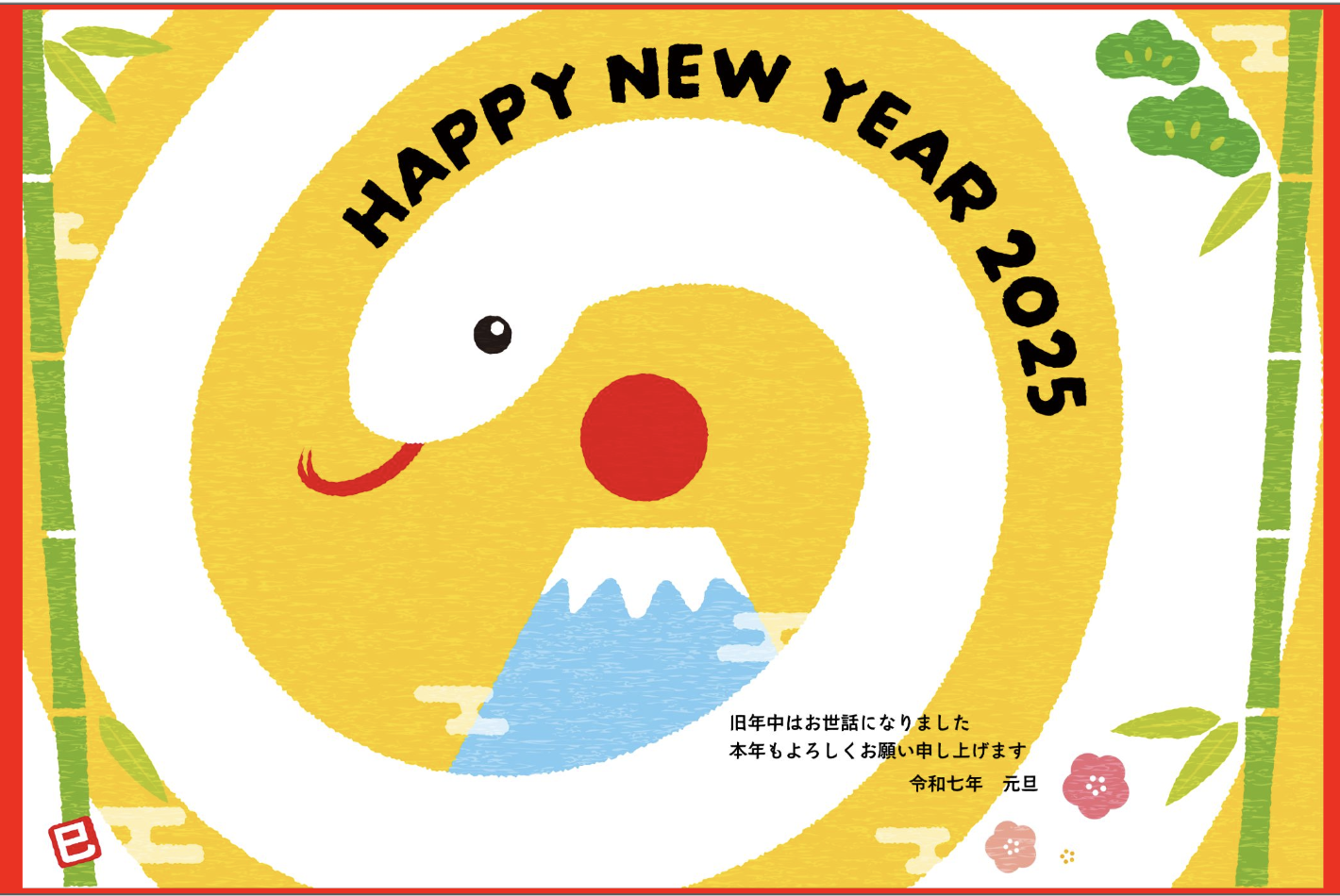
Each year one of the twelve animals in the Chinese Zodiac calendar is celebrated, and this year’s animal is the Snake! We have a special place in our home where we display a small ornament for the new year. People celebrating the Lunar or Chinese New Year will welcome the new year of the Snake on January 29th.
This is a simple song to celebrate the new year. It borrows two familiar melodies to create one new song. The Google slides for this song are here.
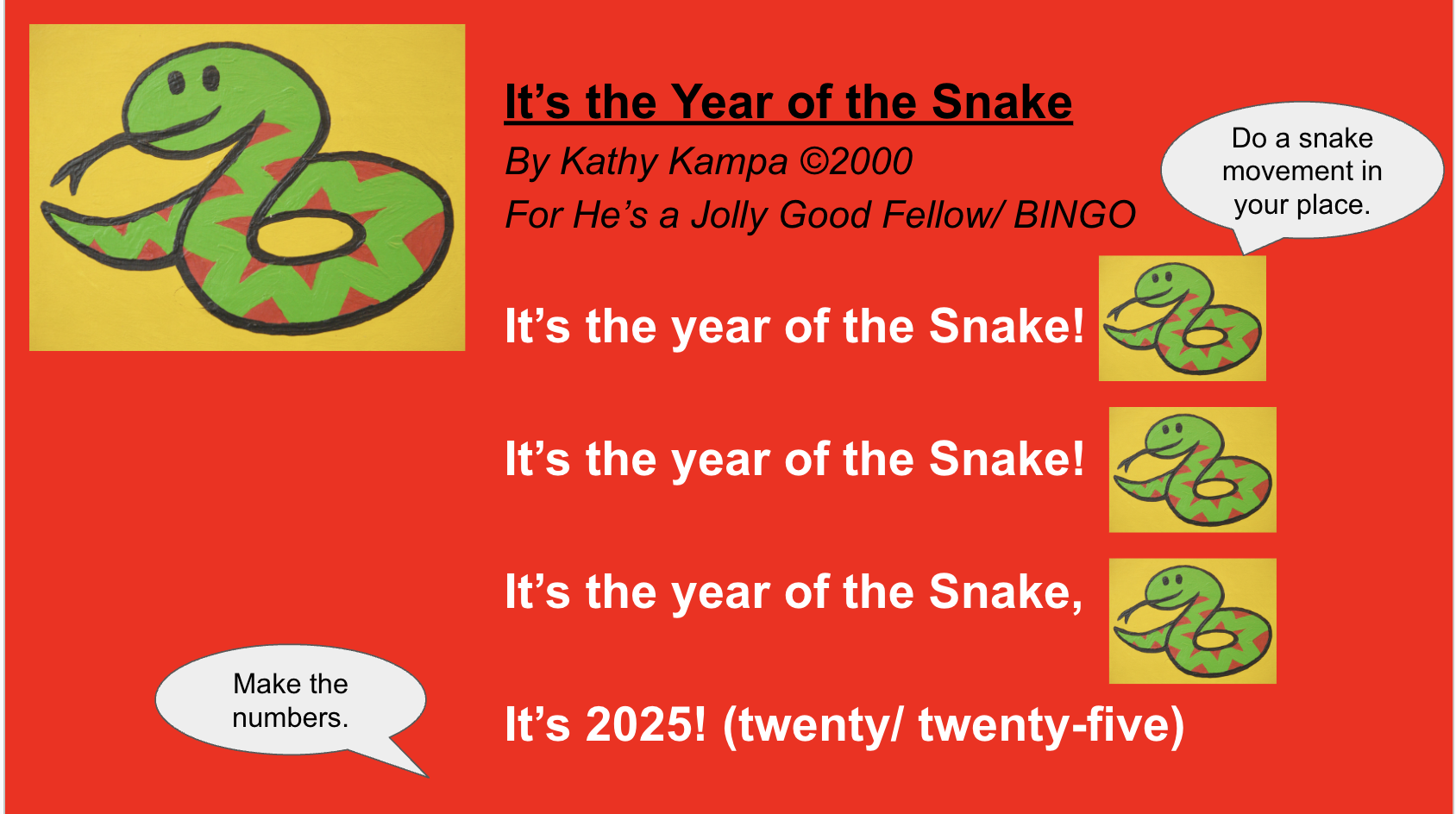
I like to have students move with music whenever possible. What kind of movement can you do? Here are some suggestions.
In Part A, on the words “It’s the year” students can stand tall with their hands at their sides.
On the word “SNAKE,” make a snake pose or movement. My students made a slithering movement with their arms. Students might enjoy using scarves to create a snake movement on the word “snake.”
For the year 2025 (twenty/ twenty-five), students can write the numbers in the air or hold up their fingers to show the numbers. We made the shapes two-zero-two-five. Or even just wave their hands.
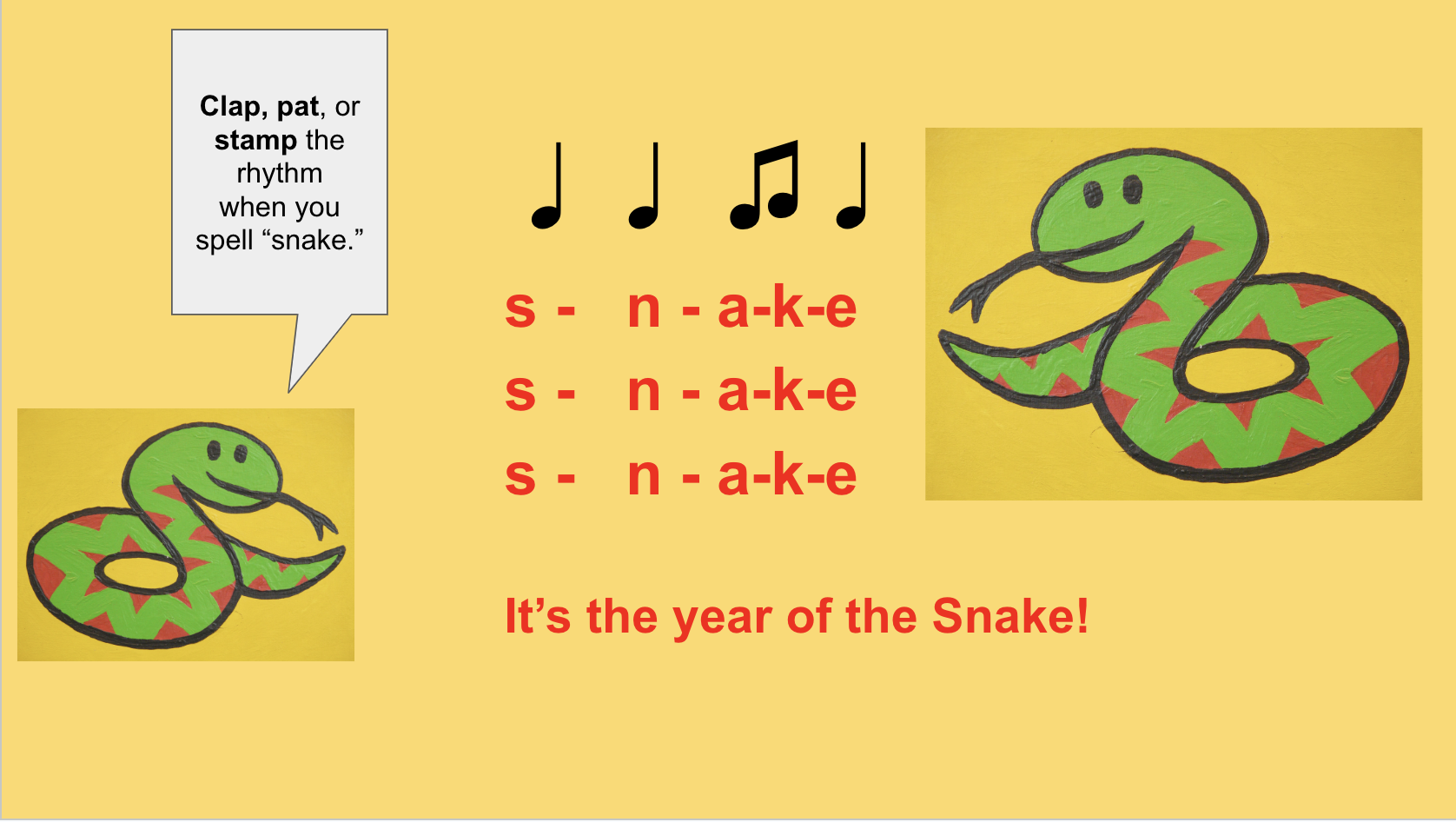
In Part B, students can add body percussion sounds. What’s body percussion? These are sounds students can make using body parts, such as clapping their hands, patting their legs, stamping their feet, or snapping their fingers.
They can play the rhythm of the letters when spelling the word “snake.” Practice spelling the word with many different sounds. Since this repeats three times, you can repeat it with a different body percussion sound each time. Some of my students even tried body spelling by making each of these letters with their fingers or whole body. Challenging!
If you have unpitched instruments, like rhythm sticks, drums, tambourines, or shakers, play the rhythm with the instruments. You might even add a long musical sound on the word, SNAKE.
Since this song comes around once every twelve years, it hasn’t been professionally recorded. Enjoy it with your students to celebrate the new year!
Here’s the video for this song. I’ve still got my cast on, but you’ll get the idea.
Here’s a note from teacher, Chieko Kume.
“I introduced this song to the 3rd and the 4th grade class at an elementary school last week (in Japan) and they loved it. We made a big Y with our body at the “It’s the year…” part, and then wrote a big S in the air with both hands.
I love your songs and ideas of teaching young learners along with music and movement. Thank you again, and please take care.  “
“
Here’s a link to some activities.
About Me:
Kathy has produced two music CDs for very young learners, Kathy Kampa’s Special Days and Holidays and Jump Jump Everyone, which build English language skills through movement while nurturing creativity and imagination! Grown and loved by real kids!
Kathy’s second children’s CD, Jump Jump Everyone, includes songs to move to, seasonal songs, and lots of transitional songs. For more kid-tested music and movement activities, check out my music on iTunes.
Kathy’s CD’s and downloads are available at these locations:
iTunes Streaming sites, such as Spotify.

If you’d like a chant or song about a specific topic, let Kathy know. She has received a grant through the McKnight Foundation to compose some new music for children.
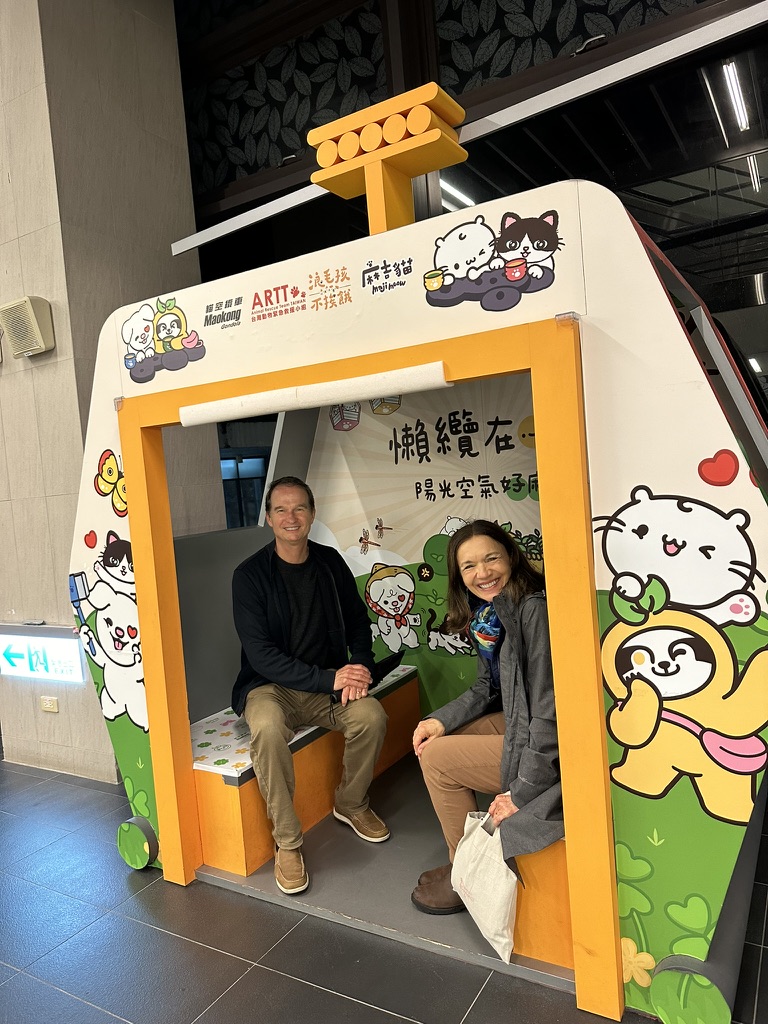
Kathy Kampa is a teacher, author, and teacher-trainer who specializes in working with young learners. As a former PYP (Primary Years Program) teacher in Tokyo, Japan, she uses a globally-minded and Concept-Based Inquiry approach to teaching through which students develop 21st-century skills. She also supports the development of English language skills by creating songs, chants, and TPR/movement activities targeted to young learners’ needs.
Kathy and her husband Charles Vilina are also co-authors of Magic Time, Everybody Up, the Oxford Discover(ELTon award), Beehive, Buzz, and soon to be released, Blue Dot, all published by Oxford University Press.
This photo was taken during our recent Asian teaching tour, Fall 2024.
Wiggly Little Worms


Have you ever wondered why worms surface when it rains? Worms appear everywhere!
My students have been fascinated with worms, so I created an activity where we pretend to be worms.
Follow the video to do a fingerplay or a whole-body activity.
The Little Worms
The little worms are in the mud, wiggling, wiggling, wiggling,
They push their heads up out of the mud and say, “Yippee! It’s a rainy day!”
The little worms are in the mud, wiggling, wiggling, wiggling,
They push their heads up out of the mud and cry, “Oh no! It’s a sunny day!”
Invite your students to think about other types of weather–windy, snowy, hot, cold, etc. How do you think the worms will feel?
If you want to learn more about worms:
There are multiple theories about why worms come out when it rains, including:
- Movement: Wet soil allows worms to move more easily across the surface, which can help them find food, new habitats, or mates. They can also migrate longer distances than they could underground.
- Survival: Worms need a moist environment to survive, and they can’t travel as fast while burrowing tunnels underground. After a rain, the soil pores and worm burrows fill with water, which allows worms to breathe through their skin.
- Escape: The vibrations from raindrops hitting the ground can sound similar to vibrations from predators like moles, causing worms to flee to the surface for safety. Birds also take advantage of this behavior by mimicking rain to lure worms to the surface for food.
- What can you do? If you see worms on the sidewalk after it rains, you can help them by moving them to a nearby patch of dirt or grass so they can burrow back underground more easily.
- For more activities and songs for a rainy day, check out this post.
- Go to Spotify or Apple Music to find Kathy’s music. You’ll find “Little Worms” on “Jump Jump Everyone.”
 Jump Jump Everyone, my second album, is filled with many happy songs that have grown in my young learner classroom. The songs encourage children to move. Many songs link to classroom content. Children can dance like falling leaves, bloom like a spring flower, move through the butterfly life cycle . . . . you’ll find LOTS of fun and magic in this album.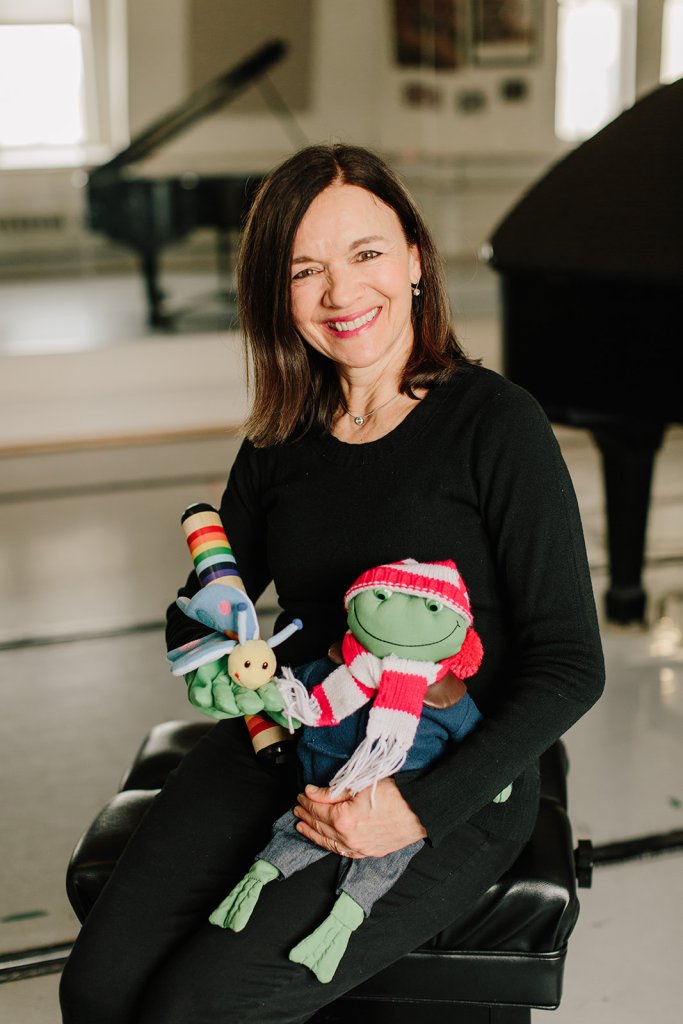
- Kathy Kampa loves to bring joy to the world through her children’s music and English language books (Oxford University Press). She is passionate about making learning engaging for young learners. You’ll find more music and movement resources on Kathy’s YouTube page.
Celebrating Moms
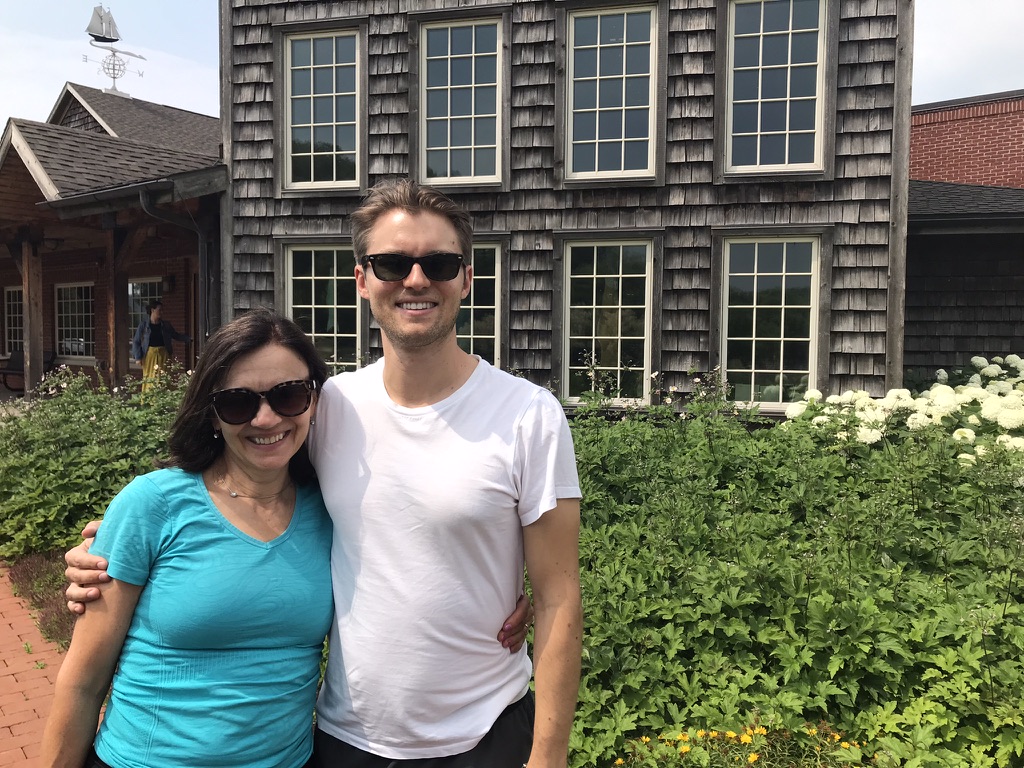
Happy Mother’s Day! These are our two sons. I’m spending Mother’s Day with them this year! It’s a blessing to have family who love and care for each other.
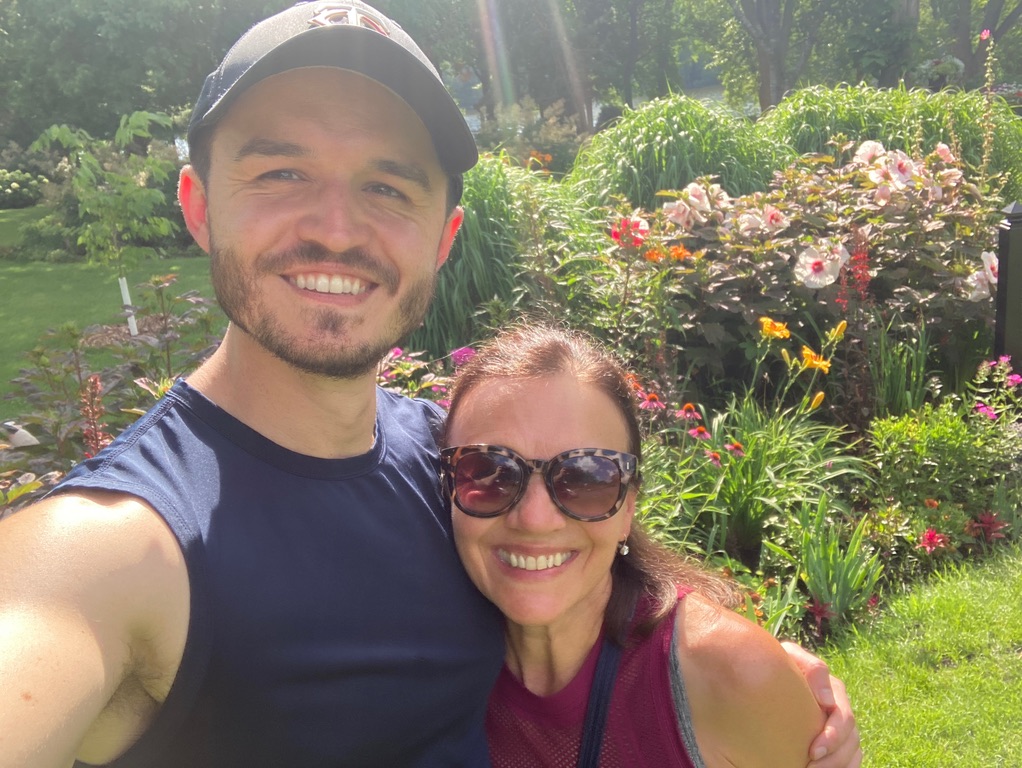
With many types of families in our schools, how will you celebrate Mother’s Day? Here in the US, we’ll celebrate Mother’s Day on May 12th.
Here are some songs that your young learners can share with moms, grandmas, or that significant person in their lives.
- This first song is perfect for babies through toddlers. To be honest, even my 4-6 year olds still like it.
Peek-A-Boo
by Kathy Kampa, melody based on Skip to my Lou
Hold onto the corners of a scarf. Cover your face.
When you sing “boo,” drop the scarf down. Hug.
Peek-a-boo, I see you!
Peek-a-boo, I see you!
Peek-a-boo, I see you!
Here’s a hug ’cause I love you.
Here’s a video demonstrating how to do this. I really love using juggling scarves for this song.
2. I shared “I Love You” earlier this year, but it’s a perfect song for Mother’s Day. Children might rock from side to side, hold a stuffed animal, or even get a hug. They can sing it for their mom, grandma, or caregiver.
For parents at home, this is a lovely lullaby to sing before your child falls asleep. When our two sons were little boys, we loved to snuggle up and sing lullabies to them.
Here are the lyrics to my song:
I Love You!
a calming song by Kathy Kampa (Copyright © 2024 Kathleen A. Kampa)
I love you, I really, really do! I love you.
I love you, I really, really do! I love you.
I love you in the morning,
I love you at night,
I love you through the day when the sun shines bright.
I love you, I really, really do. I really love you.
Here’s the video.
I’ve been studying French with Duolingo. I started to wonder if I could write this song in French. With a little help from my French-speaking friends, we’ve created this version of the first verse.
Je t’aime. Encore, toujours, Je t’aime. (Or Je t’aime d’amour– pronounced: J’t’em d’a-mour)
Je t’aime. Encore, toujours, Je t’aime. (Or Je t’aime d’amour)
Je t’aime le matin. Je t’aime la nuit,
Et toute la journée quand le soleil sourit,
Je t’aime. Encore, toujours. Je t’aime. (Or Je t’aime d’amour)
3. I love to end an early childhood class with this lovely song.
May There Always Be Sunshine
composed by Arkady Ostrovsky, lyrics written by Lev Oshanin
May there always be sunshine,
May there always be blue skies,
May there always be mama/daddy/grandma/grandpa/someone,
May there always be me/ OR Who always loves me.
Here’s a beautiful video of Raffi singing this song.
As Raffi mentions, “May There Always Be Sunshine” (Russian: “Пусть всегда будет солнце!” or “Солнечный круг”) is a popular Soviet children’s song created in 1962. The music was composed by Arkady Ostrovsky and the lyrics written by Lev Oshanin. Korney Chukovsky, a writer and immensely popular children’s poet, later wrote that the inspiration for the song had been the four lines of the refrain, which were composed in 1928 by the four-year-old boy Kostya Barannikov. (source: Wikipedia)
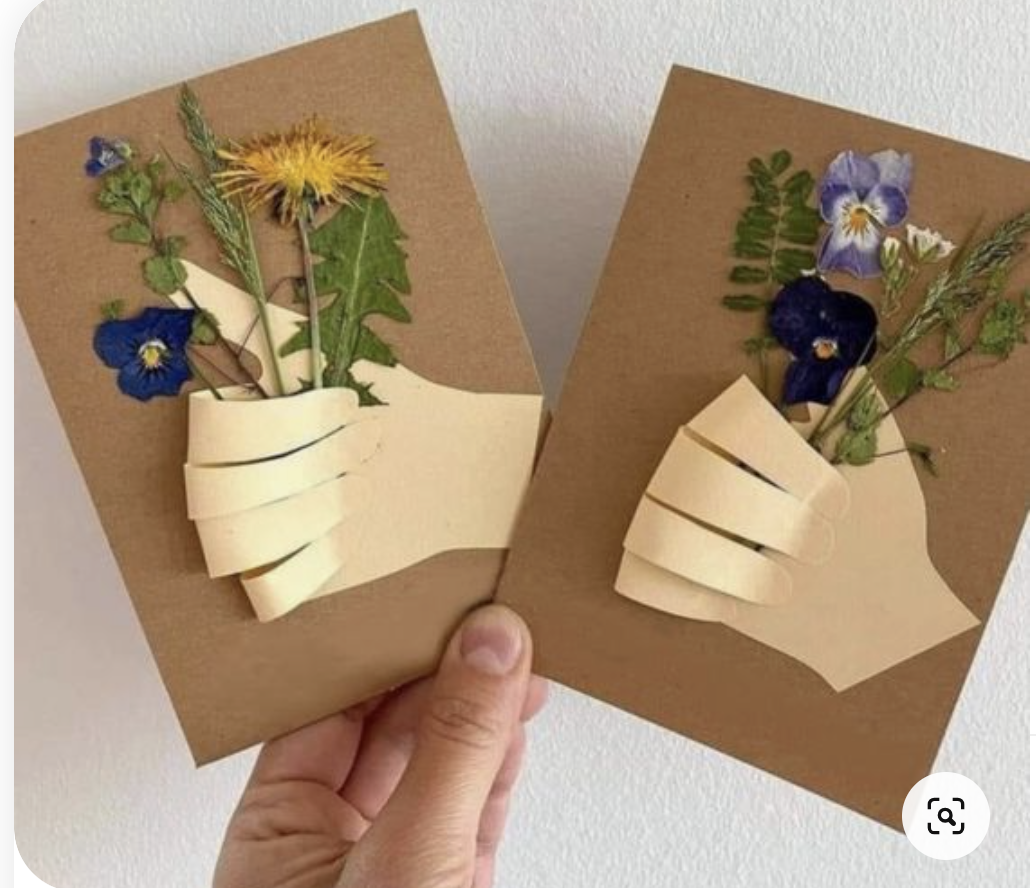
If you’re looking for a simple craft, this one shared by Abby is inexpensive. Children trace around their hands and choose flowers for a bouquet. Paper flowers or stickers would work too.
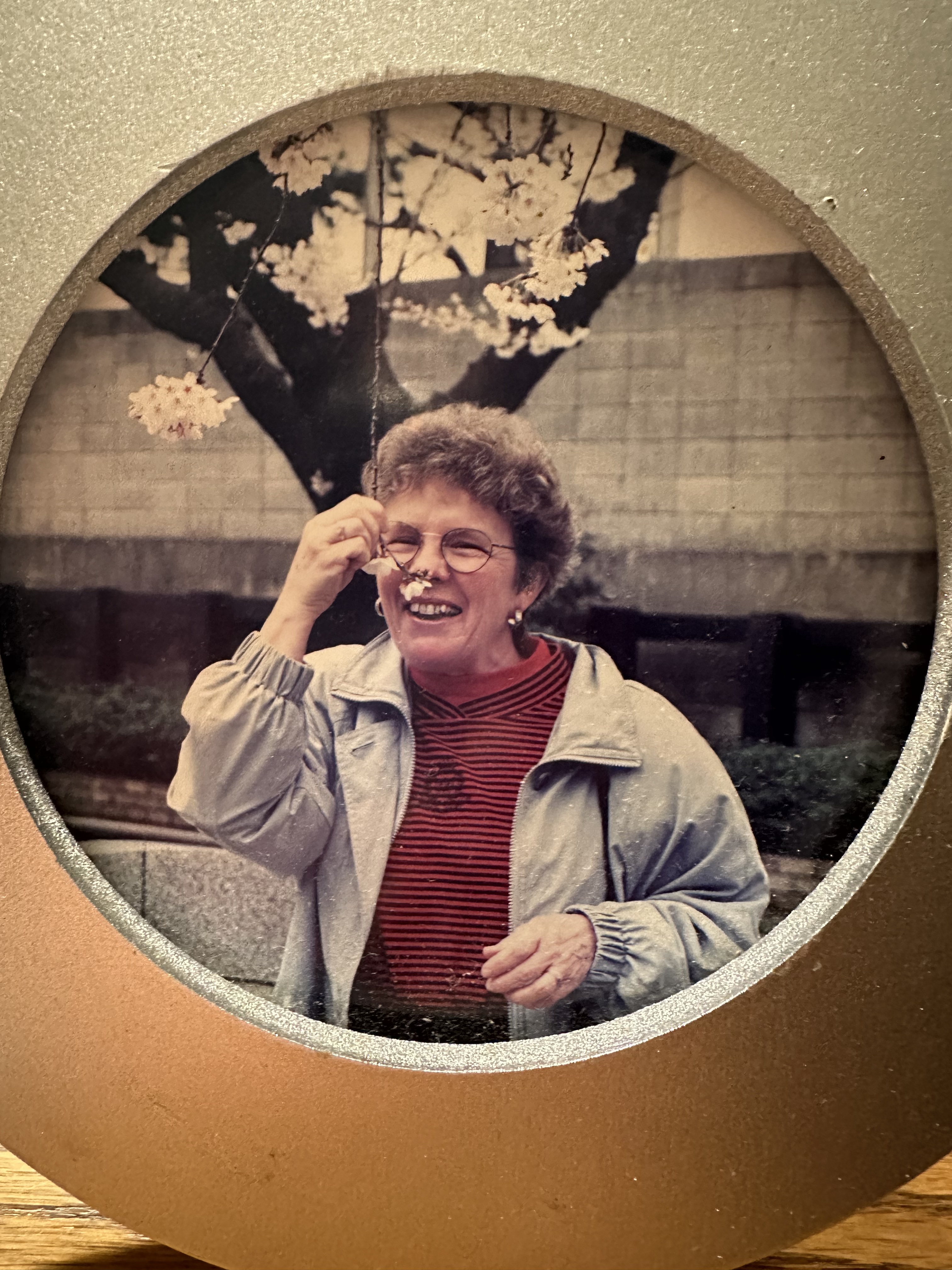
Last of all, I want to share a favorite photo of my mom, Betty Kampa Miller. She visited us in Japan on four different occasions. Mom always encouraged me to write songs. Can you write a song for your grandma? How about a song for . . .? I thought everyone wrote songs. I continue to write songs that tickle the imaginations and hearts of little ones.
Songwriter Kathy Kampa is a passionate educator of young learners. She seeks to nurture children’s imaginations and spark creativity through fun and engaging activities. Kathy believes music and movement should be a part of every young child’s education. Kathy’s songs for kids (Kathy Kampa’s Special Days and Holidays and Jump Jump Everyone) are available on iTunes.
Kathy uses a globally-minded and inquiry-based approach to teaching through which students develop 21st-century skills. She also supports the development of English language skills by creating songs, chants, and TPR/movement activities targeted to young learners’ needs. Kathy is an author and teacher-trainer with Oxford University Press.
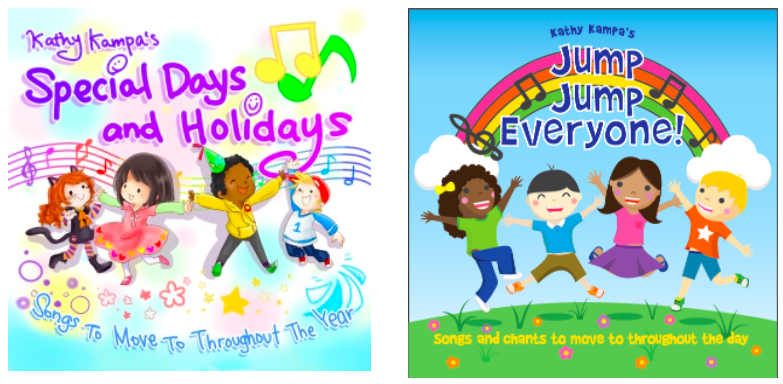
For more kid-tested music and movement activities, check out more music on iTunes, Spotify, and Apple Music. Kathy has produced two music CDs for very young learners, Kathy Kampa’s Special Days and Holidays and Jump Jump Everyone, which build English language skills through music and movement while nurturing creativity and imagination. Grown and loved by real kids!
Check out Kathy Kampa’s YouTube channel here.
 MagicTimeKids