V-V Valentine!

Valentine’s Day is right around the corner! What activities will you do with your young learners for Valentine’s Day?

Playing with letter sounds is fun for little ones. Let’s explore ways to make the shape of the letter Vv:

-with our fingers

-with our hands

-with our arms

-with our legs

-with our whole body (balance!!)

-with a friend

Each time you make the shape, say the sound /v/. 

*Try to make only the sound /v/ and not /vƏ/ (vuh)

Can you change your V shape into a heart shape?

I created this song with the phrase “/v/ /v/ valentine.” Make the shapes with your fingers or the heels of your hands, then with your arms. Watch the video for more details. I created it with my nieces Shannon and Brooke many years ago. It’s easy to sing and so much fun!

Here are the lyrics:

Be My Valentine

lyrics by Kathy Kampa, melody “Cho Cho”/”Lightly Row” 

I like you. You like me. Will you be my Valentine?

I like you. You like me. Be my Valentine.

[v] [v] Valentine!

[v] [v] Valentine!

I like you. You like me.

Be my Valentine.

Repeat facing a partner.

This song can be found on iTunes and other streaming services, such as Spotify and Apple Music.

Spotify playlist: Songs for Kids for Valentine’s Day and Friendship

Celebrate the joy of Valentine’s Day while building social skills in your classroom. This playlist includes songs for Valentine’s Day and songs about friendship. You’ll find songs to add movement to your class activities, too. Click here to see Kathy’s Spotify channel. for more curated playlists.

Crafts Activities

On Valentine’s Day, kids love to make things for their friends. Check out these simple craft activities.

Can your students find the letter V in these craft activities?

This first craft is a Valentine chain. Cut narrow paper strips about 1″ wide and fold them in half. Look! There’s the letter V! Then curve the tops in to make a heart. This is a great activity for teaching colors and patterns. Try this when you’re sitting with a small group. Students fold the strips, slide a new strip through, then staple the top of the heart. Then, create a color pattern, such as white-red-pink-white-red-pink. Young learners can count the number of hearts in the chain.

When students have the paper strips open, they can write a secret message on the heart.

This idea comes from https://www.teachwithme.com/blogs/getting-to-the-core/item/588-valentine-ideas.

This second craft is like magic! Each student folds a sheet of construction paper in half. Trace around the student’s hand. Be sure that their thumb and pointer finger are touching the folded edge. Students can cut around their fingers. Then decorate a card for someone they love.

This idea comes from https://easypreschoolcraft.blogspot.com/2013/01/top-20-valentines-day-crafts-for-kids.html?m=1

Come back to my blog to discover more fun activities that build language through music and movement.
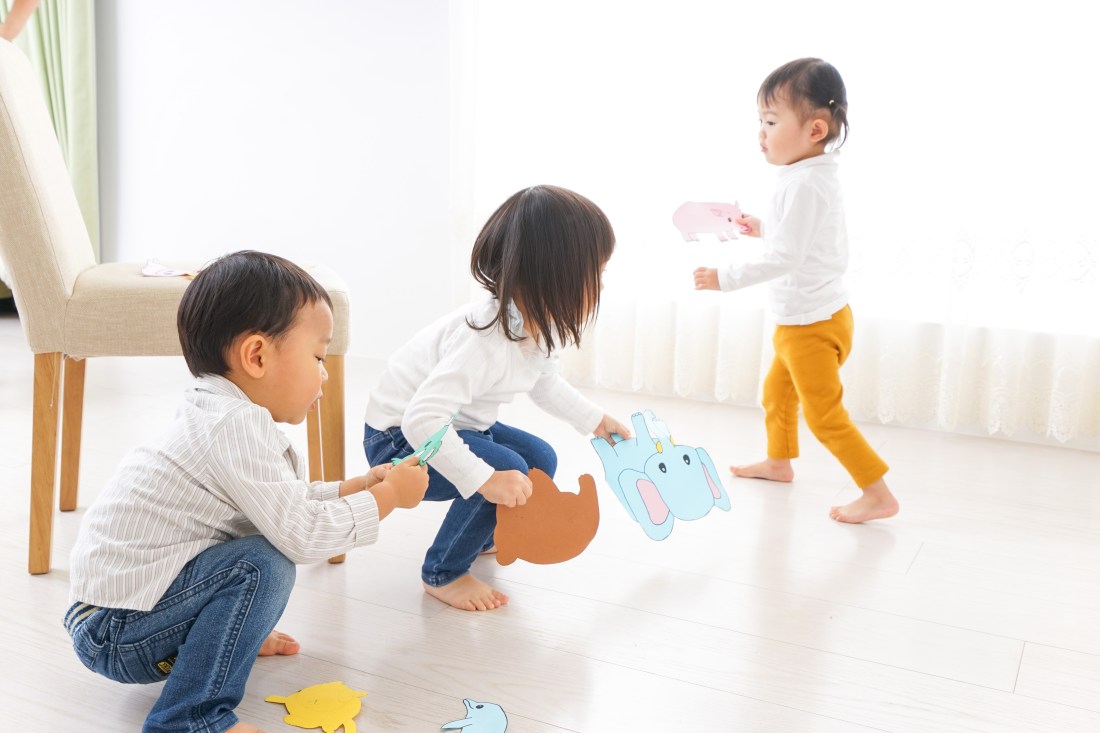
It’s Time to Tidy Up!

Have you ever struggled to get your children or students to tidy up and clean up the things they’ve taken out? Here’s your secret tool — songs!

Even Mary Poppins knew that! Songs create seamless transitions and make cleaning up a fun, enjoyable task.

Here are some songs that you can play to make your space sparkling clean! You can find this music on iTunes, Spotify, Apple Music, and other streaming sites. Keep them handy for the next time you have a mess to clean up.

  1. Tidy Up is definitely one of my most popular songs. The lyrics are super simple. I wrote it for my Kindergarten students in Japan. The song gets faster and faster. By the time it’s finished, students should have everything cleaned up. Teachers and parents around the world have told me how much they love this song and use it regularly. Ask Alexa to play it for you! You’ll have it ready whenever you need to start tidying up. Or click the arrow below to play it the next time you’re surrounded by a mess!

2. Perhaps you know this cute song from the Barney show. Our children love to sing along!

Clean Up song

Clean up! Clean up! Everybody, everywhere.

Clean up! Clean up! Everybody do your share.

Click the arrow below to play it.

3. Sometimes you have something specific to put away — picture cards, scarves, instruments, etc. Here are some simple songs to play to collect the items.

Cards, Please lyrics by K. Kampa

T: Cards, please. Ss: Here you are!

T: Cards, please. Ss: Here you are!

T: Cards, please. Ss: Here you are!

T/S: Thank you very much!

*What other materials are you using? Instead of singing the word cards, sing a new word such as scarves.

Click the arrow below to play it. Use it in your next English class.

It’s Time to Put the Instruments Away lyrics by K. Kampa

It’s time to put the instruments away! 

Oh, it’s time to put the instruments away!

Oh, we’ve had a lot of fun, and we’ve sung a lot of songs,

But, it’s time to put the instruments away.

Click the arrow below to play it. Use it when you use instruments with your class!

4. I love to celebrate our successes with the “We Did It” chant. My students launch into this chant often in my lessons. We always finish our lessons with this. Send your students off with a positive feeling!

We Did It! by Kathy Kampa

We did it! We did it! We did it today!

We did it! We did it! Hip hip hooray!

Click the arrow below to play it. Play this the next time your students do something great.

For more classroom management songs, check out Kathy’s Spotify playlist.

Songwriter Kathy Kampa is a passionate educator of young learners. She seeks to nurture children’s imaginations and spark creativity through fun and engaging activities. Kathy believes that music and movement should be a part of every young child’s education. Kathy’s songs for kids (Kathy Kampa’s Special Days and Holidays and Jump Jump Everyone) are available on iTunes.

Kathy uses a globally-minded and inquiry-based approach to teaching through which students develop 21st-century skills. She also supports the development of English language skills by creating songs, chants, and TPR/movement activities targeted to young learners’ needs.

For more kid-tested music and movement activities, check out more music on iTunes. Kathy has produced two music CDs for very young learners, Kathy Kampa’s Special Days and Holidays and Jump Jump Everyone, which build English language skills through music and movement while nurturing creativity and imagination! Grown and loved by real kids!

It’s the Year of the Dragon!

Photo by Pixabay on Pexels.com

January 1st marks the beginning of the year. Each year one of the twelve animals in the Chinese Zodiac calendar is celebrated, and this year’s animal is the Dragon! We have a special place in our home where we display a small ornament for the new year. People celebrating the Lunar or Chinese New Year will welcome the new year of the Dragon on February 10th.

This is a simple song to celebrate the new year. It borrows two familiar melodies to create one new song. The Google slides for this song are here.

It’s the Year of the Dragon  By Kathy Kampa 

Part A: For He’s a Jolly Good Fellow

It’s the year of the Dragon!

It’s the year of the Dragon!

It’s the year of the Dragon,

It’s 2024. (twenty, twenty-four)

Part B: BINGO

I like to have students move with music whenever possible. What kind of movement can you do? Here are some suggestions.

In Part A, on the words “It’s the year” students can stand tall with their hands at their sides.

On the word “DRAGON,” make a dragon pose or movement. My students made a wavy movement with their arms.
For the year 2024 (twenty/ twenty-four), students can write the numbers in the air or hold up their fingers to show the numbers. We made the shapes two-zero-two-four.

In Part B, students can add body percussion sounds. What’s body percussion? Sounds students can make using body parts, such as clapping their hands, patting their legs, stamping their feet, or snapping their fingers. They can play the rhythm of the letters when spelling the word “dragon.” Practice spelling the word with many different sounds. Since this repeats three times, you can repeat it with a different body percussion sound each time. Some of my students even tried body spelling by making each of these letters with their fingers or whole body. Challenging!

If you have unpitched instruments, like rhythm sticks, drums, tambourines, or shakers, play the rhythm with the instruments. You might even add a big cymbal sound on the word, DRAGON.

Since this song comes around once every twelve years, it hasn’t been professionally recorded. Enjoy it with your students to celebrate the new year!

Here’s a video from my online class with my Japanese students. We tried to capture both my students’ movements and my movements.

It’s a cold winter day here! I made a video of the song from the front so that you can see the movements more easily.

Beautiful videos capture authentic dragon dances. Here’s one that you might share with your students.

Go to Kathy’s Spotify playlists to find more music for young learners.

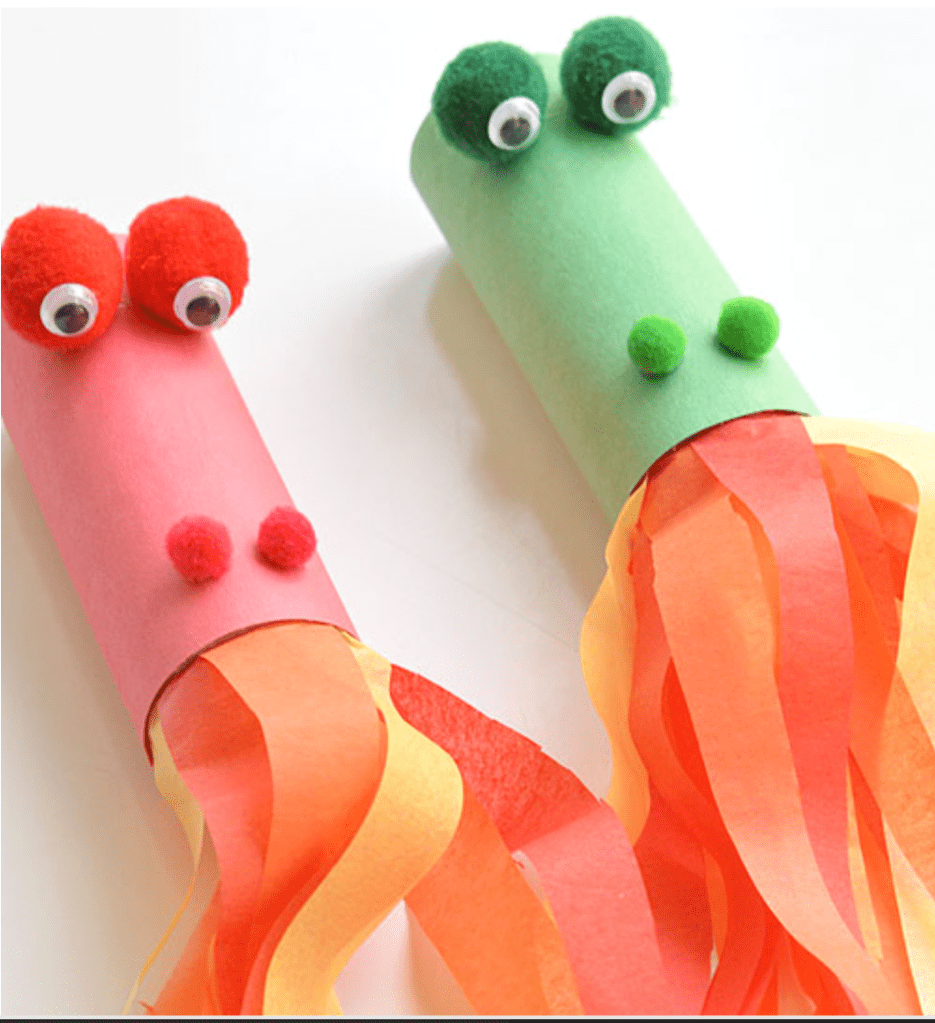
If you’re looking for a craft project, check out this one which uses paper towel rolls. You can use construction paper in lieu of the pom poms.

Kathy currently teaches young learners in her hometown of St. Cloud, Minnesota, USA as well as classes online. She is passionate about creating memorable songs for children that build language as well as music and movement skills. Kathy creates songs that stick in children’s heads long after class. We hope that you enjoy her music, too.

Contact us at magictimekids@gmail.com if you’re looking for a song about a specific idea or topic. We’ll try to write one with that idea in mind.

Don’t Forget to Leave Cookies and Milk for Santa

Our Christmas tree is decorated with ornaments from around the world. Some presents are already under the tree. I’ve been busy baking Christmas cookies and plan to bake some more today. Why? On Christmas Eve, we always leave cookies and milk for Santa.

Even though our children are grown up, we continue to believe in the magic of Christmas. This is one of the traditions that lingers in our lives.

So, here’s the song I wrote to celebrate this.

It’s to the melody of Twinkle, Twinkle Little Star. To thank you for your support through the years, I’m including a complimentary music track of this song from my CD entitled Kathy Kampa’s Special Days and Holidays.

Here are some suggestions for movements for this song.

Santa’s Cookies and Milk Words by Kathleen Kampa and Charles Vilina

Spoken: Dear Santa, Welcome to my house. I’ve been very good this year.

Sung: Have some cookies. (gesture with one hand to the side)

Have some milk. (gesture with the other hand)

Christmas cookies and a glass of milk. (Twist hands like twinkling Christmas stars for the words “Christmas cookies” and then make the shape of a glass for the word “milk.”)

Eat the cookies. 1-2-3 (gesture eating cookies, then fingers 1-2-3)

Drink the milk. It’s from me. (gesture drinking milk, then point to self)

Have some cookies. (gesture with one hand to the side)

Have some milk. (gesture with the other hand)

Christmas cookies and a glass of milk. (Twist hands like twinkling Christmas stars for the words “Christmas cookies” and then make the shape of a glass for the word “milk.”) 

Spoken: Thanks Santa! Have a good night! Good-bye! 

For more tips on performances, see this blog post.

Music and movement are one way for students to learn new words and phrases in English. Art projects are another way.

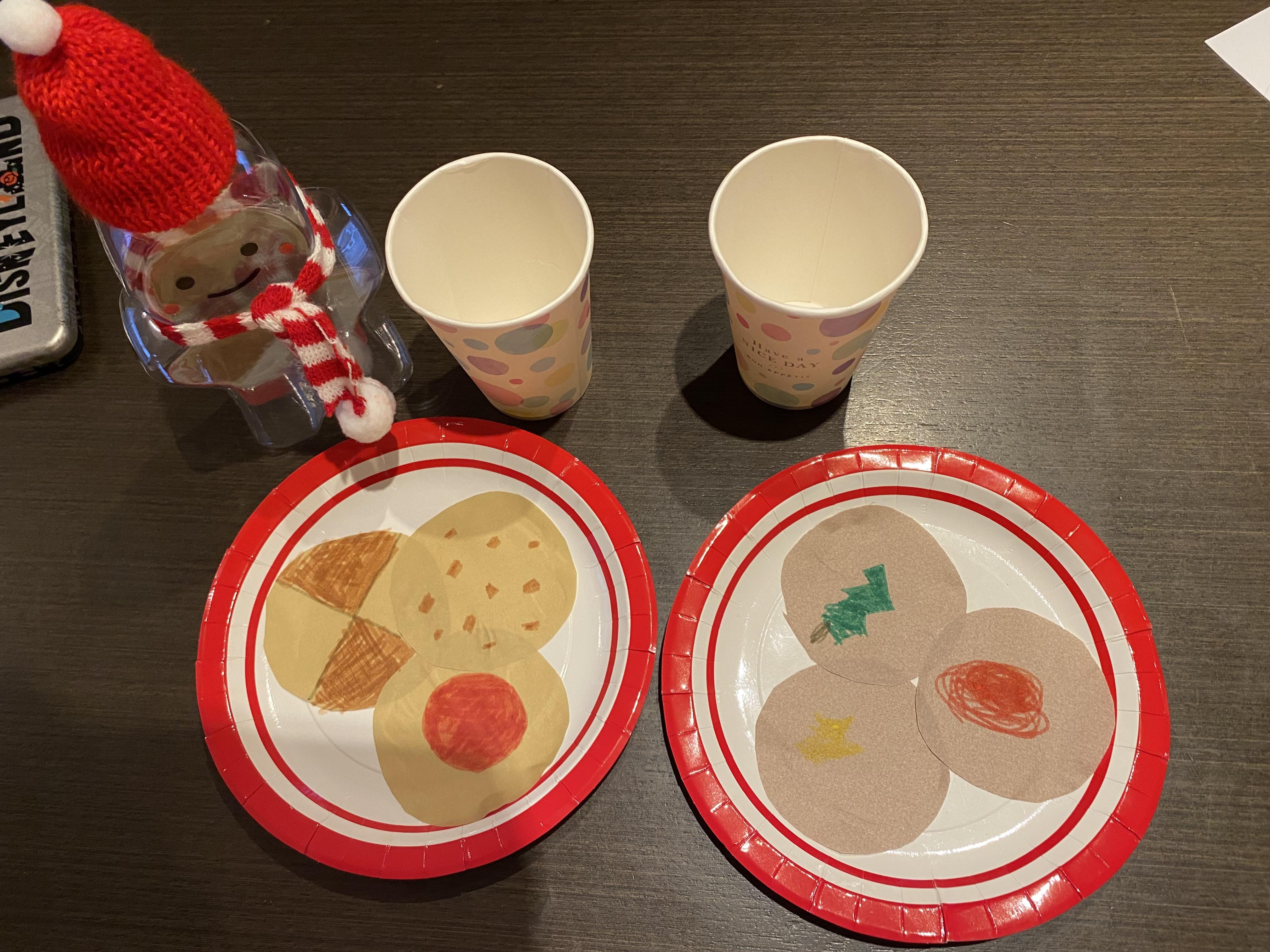
Yoko Matsui created this simple project for her students. They made plates with cookies and milk. Your students could write a little note, too.

If you’re looking for more craft ideas for Christmas, I’ve gathered a bunch of them on my Pinterest page for Christmas.

We wish you all the best for Christmas and throughout the year from our family to yours.  May the magic of Christmas remain in your hearts.

Cookies and Milk left for Santa

Santa's Cookies and Milk is a simple song to celebrate a time-honored tradition of leaving a treat for Santa Claus.

Kathy Kampa is a passionate educator of young learners. She seeks to nurture children’s imaginations and spark creativity through fun and engaging activities. Kathy believes that music and movement should be a part of every young child’s learning.

Kathy is the co-author of Magic Time, Everybody Up, Oxford Discover, Beehive and Buzz (published by Oxford University Press). She has taught young learners in Tokyo, Japan for over 30 years. Kathy is also active as a teacher trainer, inspiring teachers around the world. She has currently returned to her home state of Minnesota in the US.

Celebrate Thanksgiving Day with “The Turkey Dance!”

Celebrate Thanksgiving with this lively song for children! This song is called “The Turkey Dance” and it’s one of my students’ favorite songs.

So use your imaginations and dance like . . . . turkeys!! Get a little silly and have a lot of fun!

Here are the lyrics, which go to the tune “Turkey in the Straw.”

The Turkey Dance

Words by Kathleen Kampa and Charles Vilina, music adapted from Turkey in the Straw

copyright © 2013 by Kathleen Kampa

Spoken: It’s Thanksgiving Day.  Let’s move like turkeys.

First, Move your elbows! (Imagine that these are wings!)

Move your elbows, do the Turkey dance

Move your elbows, do the Turkey dance

Stamp your feet and shout “Hooray!”

It’s Thanksgiving Day.

(You can add “Thank You” in any language you know. Or add a “Gobble! Gobble!)

2. Now move your hips. (Imagine that this is your tail.)

Move your hips, do the Turkey dance

Move your hips, do the Turkey dance

Stamp your feet and shout “Hooray!”

It’s Thanksgiving Day.

(You can add a “Thank You” in any language you know.)

3. Now move your knees. . . .

4. Now move your head . . . .

5. Now move your whole body!

Teacher’s Notes:

In this dance, students are pretending to be turkeys.

Before playing the music, show students a picture of a turkey like the one in this blog.

I usually start with a little TPR by teaching this part of the song first– “Stamp your feet, then shout ‘Hooray!'” Stamp your feet, then jump in the air on “Hooray.” On “It’s Thanksgivixng Day!” put your hands together.

My students added their own ideas between the verses. Some children enjoyed saying “Gobble! Gobble!” while others liked to say “Thank You” in a language they know.

Now teach the body part movements. Say “Move your elbows.”  These are the turkey’s wings.

Repeat with each body part listed below: hips/tail, knees, head, and whole body.

1.  Make turkey wings by moving your elbows.

2.  Make a tail by putting your hands behind your back, and moving your hips.

3.  Move your knees like you’re strutting.

4.  Move your head forward and back.

5.  Choose your favorite movements, or make some new ones.  Dance!

Here’s a video to show you the movements.

For this wonderful “hoedown” song that children LOVE to dance to, download The Turkey Dance on iTunes! You can find it on streaming services like Spotify and Apple Music. The arrangement is fun and lively.

And if you want to add an art project, check out Marnie’s blog, Carrots are Orange for some autumn Montessori activities focusing on turkeys. I especially like the Zentangle turkeys from Laura Hutchinson. There are more activities on my Pinterest page.

Have a wonderful day!

Kathy

Here’s a very short clip of my Magic Time students doing “The Turkey Dance.”

ms kampa 12-8

Happy Thanksgiving everyone! No matter where we live, we all give thanks this season for the blessings we have.

Celebrate Thanksgiving with this silly song --The Turkey Dance! Gobble! Gobble!

Kathy Kampa is a teacher, author, and teacher-trainer who specializes in working with young learners. As a former PYP (Primary Years Program) teacher in Tokyo, Japan, she uses a globally-minded and inquiry-based approach to teaching through which students develop 21st-century skills. She also supports the development of English language skills by creating songs, chants, and TPR/movement activities targeted to young learners’ needs.

Kathy and her husband Charles Vilina are also co-authors of Magic Time, Everybody Up, Oxford Discover (ELTon award), Beehive, and Buzz, all published by Oxford University Press.

Happy Valentine’s Day

Celebrate Valentine’s Day with your young learners!

What will you teach through songs and poems about Valentine’s Day?

Letters and Shapes: I love creating letter shapes and heart shapes. Students can use their fingers, arms, whole body, or even make a shape with a friend. 

For my Japanese students, the sound /v/ can be challenging. This is a perfect way to practice it.

Movement: Students can do movements in place as well as from one place to another. As young learners grow, we can help them to learn these movement skills, like marching, tiptoeing, galloping, jumping, skipping, etc. 

Working with a partner: Valentine poems and songs often invite children to face a partner and hold hands. They can talk about how they want to move together.

This poem prepares children to make a heart shape.

  1. Fingerplay: (shared by Karin Rau)

I put my hands together.  (put the heels of your hands together)

This is how I start.  (hold)

I curve my fingers just like this (curve your fingers to touch each other)

and now I have a heart.  (this should make a heart shape)

Now, look through the heart to see each of the students in your class.

Say, “I see you in my heart!”

 This little song is a favorite of my students and the teachers I work with. You might recognize the melody as “Cho Cho”  or “Lightly Row.”  It focuses on the sound /v/ for Valentine.  When the children hear the word “valentine,” they make a heart shape with their fingers, arms, or whole body.

2. Be My Valentine words by Kathy Kampa

from Kathy Kampa’s Special Days and Holidays CD

I like you. You like me. Will you be my Valentine?

I like you. You like me. Be my Valentine.

[v] [v] Valentine!

[v] [v] Valentine!

I like you. You like me.

Be my Valentine.

Here’s a video link to give you some ideas of how to move to the song.  Special thanks to my nieces Brooke and Shannon for helping out. They were quite little when we made this video. Enjoy!

This next Valentine’s Day song is called “I’m Your Friend,” from my album Jump Jump Everyone. This song invites students to move in various ways, such as skipping, jumping, walking, and even skating! Developing gross motor skills is important for young learners. 

Many songs for young learners use rhyming schemes to build language skills. You’ll hear mine, nine, and Valentine as rhyming words.

You can sing this with small or large classes.  Here are the lyrics to the song.

3. I’m Your Friend words and music by Kathy Kampa

From Jump Jump Everyone CD

Chorus:

I’m your friend. You are mine.

Will you be my Valentine?

I’m your friend. You are mine.

Will you be my Valentine?

Let’s walk.

  1. Walk, walk, walk with me. Walking, walking, 1-2-3,

4-5-6, 7-8-9,  Will you be my Valentine?

*repeat with skip, jump, slide, skate, dance

With a small group, it’s easy to have all of the students join hands in a circle.

.Here’s a video clip of one of my Magic Time classes in Tokyo singing “I’m Your Friend.” 

Try these variations!

 -Dance with a partner. Face a partner for the chorus. On the verses, hold hands and dance together around the circle.

-Stop and clap during the counting section:  4-5-6 clap to one side; 7-8-9 clap to the other side

-Make small heart shapes with hands and big heart shapes with arms.

Need an art activity?

I love to add art activities to my Valentine’s Day lessons. Here are some fun ideas I’ve collected on Pinterest.

Here is an activity from Denmark. You can weave these hearts with paper, too.

To find the songs in this post, check out my CDs Kathy Kampa’s Special Days and Holidays and Jump Jump Everyone.

on iTunes.

You can also find my music at https://www.etjbookservice.com/product-category/songs-chants-3/kathy-kampas-cds-4/

Kathy Kampa's Special Days and Holidays
 Mimi CD cover 2015-10-12 at 1.04.43 AM
Celebrate Valentine's Day with these engaging activities for young learners

Kathy Kampa is a teacher, author, and teacher-trainer who specializes in working with young learners. As a former PYP (Primary Years Program) teacher in Tokyo, Japan, she uses a globally-minded and inquiry-based approach to teaching through which students develop 21st-century skills. She also supports the development of English language skills by creating songs, chants, and TPR/movement activities targeted to young learners’ needs.

Kathy and her husband Charles Vilina are also co-authors of Magic Time, Everybody Up, the ELTon award-winning course Oxford Discover, and Beehive, all published by Oxford University Press.

Time for Trick or Treat!

halloween-1773447_1920

Image by Jill Wellington from Pixabay

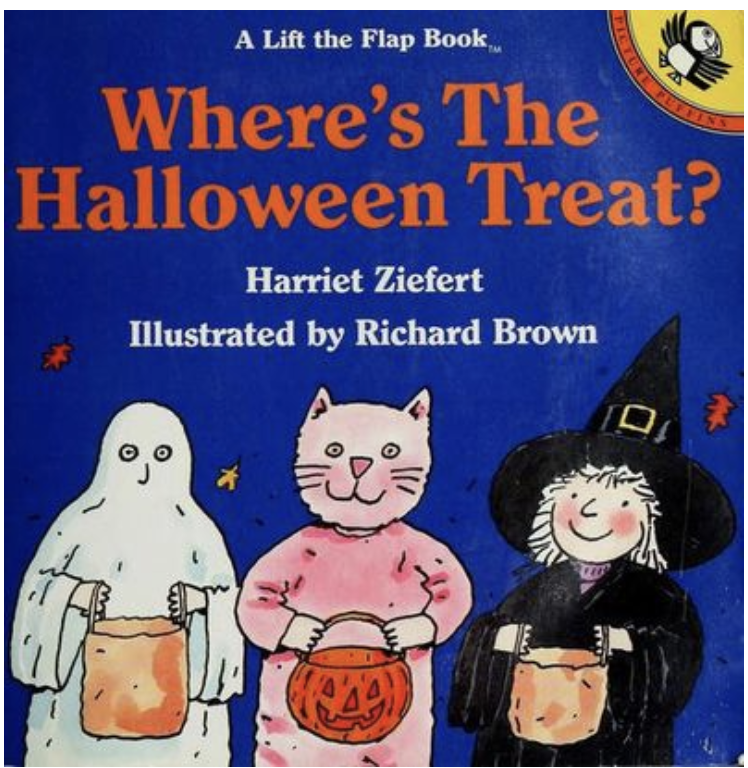
Are your students getting ready for Halloween? Mine are!  This song was inspired by the book “Where’s the Halloween Treat?” by Harriet Ziefert and Richard Brown (Putnam Juvenile).  The children count up to seven in this story.

1) Have students sit in front of you. Get ready by reading a Halloween book. Ask students, What do you see? They may be able to name some of the Halloween vocabulary words.

2) Now use the Trick or Treat picture cards. Make two copies, one to show students and one to display around your classroom.

Point to one word, such as ghost.  Ask students, What do you see? Encourage them to say, I see a ghost. Show all of the words.

Screen Shot 2019-10-20 at 14.33.30

For the ghost, move your arms like you’re floating.

For the witch, you might pretend to make some witch’s brew or cast a spell.

For the monster, make scary fists and stomp in place.

For the skeleton, move your elbows up and down.

For the black cat, you can creep in place.

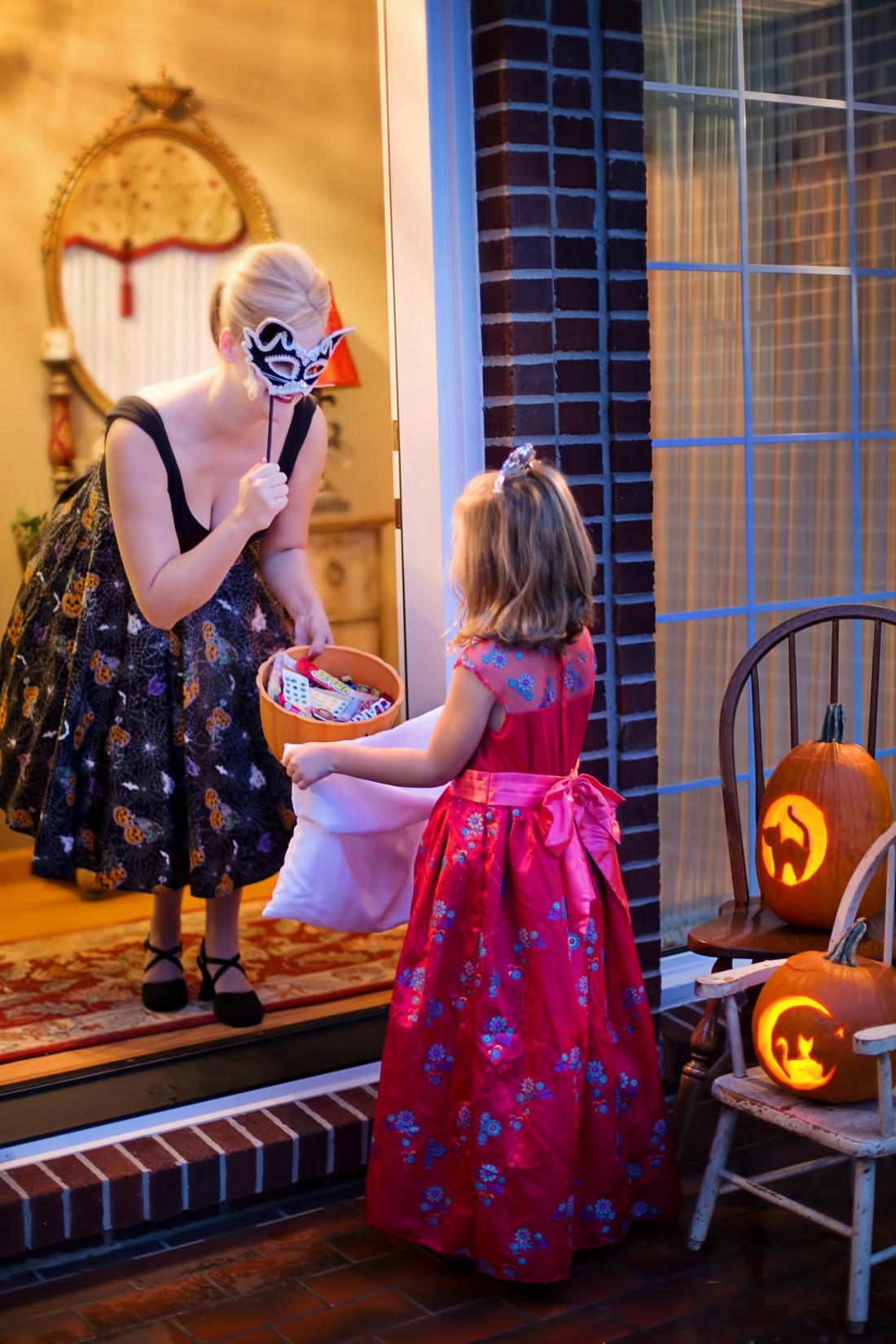
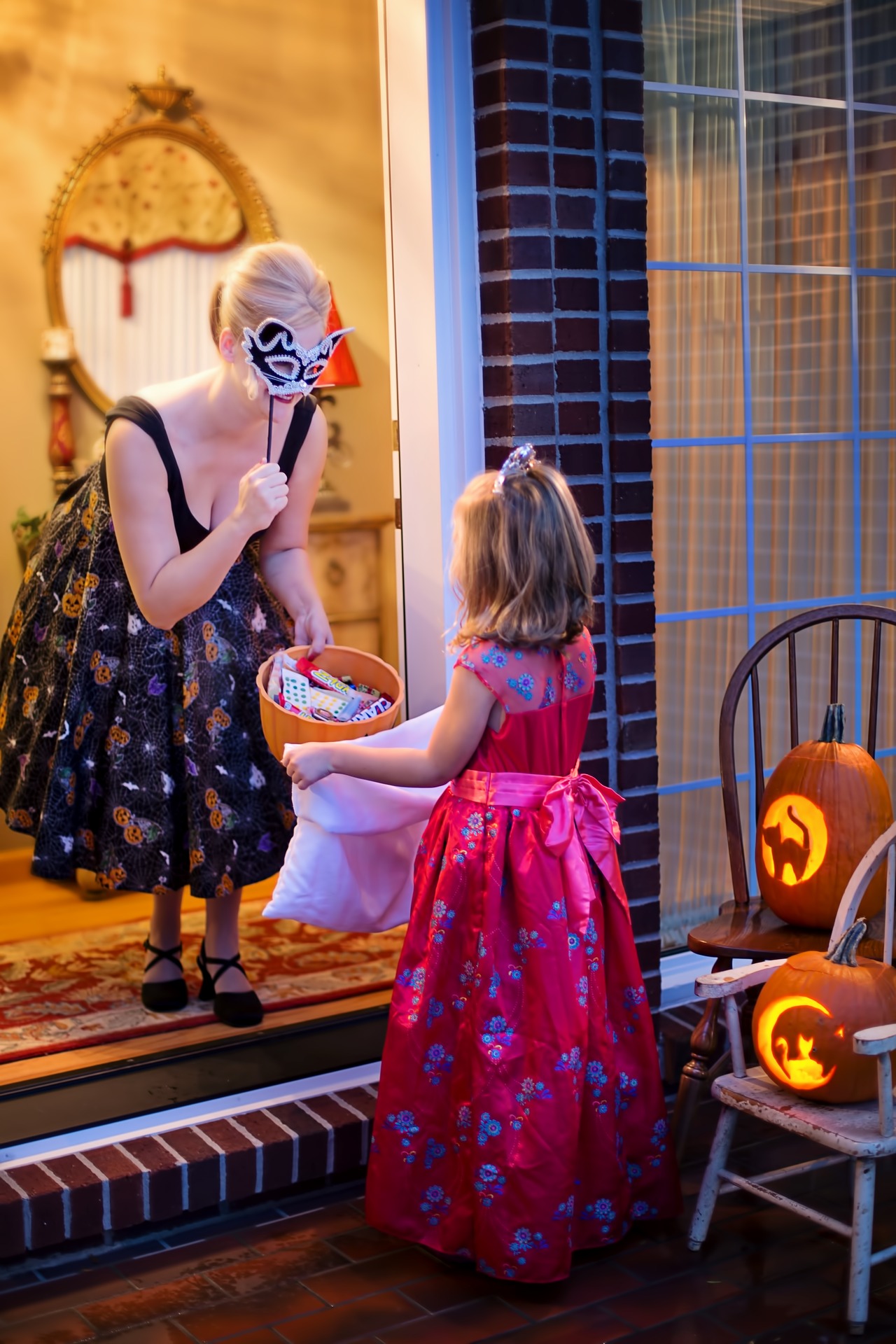
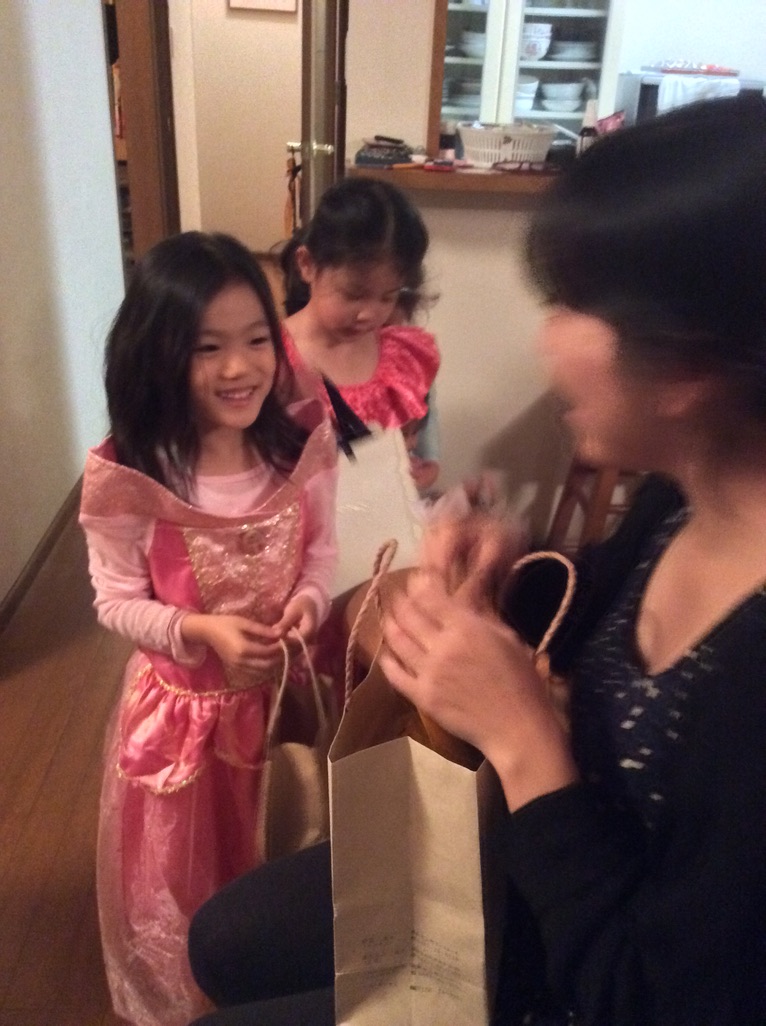
3) Talk about Trick or Treat.  When I taught in Tokyo, I explained the tradition of children going from house to house and getting treats from neighbors.  Bring a treat bag or plastic pumpkin. When children ring the doorbell or knock on the door, children say, Trick or Treat!  

Here are the lyrics:

Trick or Treat

Words and music by Kathleen Kampa and Charles Vilina © 2013 by Kathleen Kampa

Chorus:

Trick or treat! ch-ch-ch  Trick or treat! ch-ch-ch

It’s Halloween!  Say “Trick or treat!”  ch-ch-ch

Trick or treat! ch-ch-ch  Trick or treat! ch-ch-ch

It’s Halloween!  Say “Trick or treat!”   ch-ch-ch

Verse:

I see a ghost!

I see a ghost!

Ooooooooooooooh!

Sing again with Halloween characters: witch, monster, skeleton, black cat

Here’s the music. Kathy Kampa’s Special Days and Holidays. Track #8 or Spotify

Here’s a video I created for my students.  With COVID restrictions, I took the video while I was alone in the room, so I couldn’t move around a circle. I’m holding up the picture cards, but in my classroom, they’re posted around the room.

4) Stand in a circle.  Practice a movement standing in one spot for each Halloween character.

4) Play the music! On the chorus, Trick or Treat . . . march around the circle.

On It’s Halloween, put your arms up in the air as you continue marching.

For each of the verses (such as I see a ghost), stop in one place and pretend to be that character or point to the pictures.

On Oooh, do spooky arm movements.

Then begin marching again around the circle.

5) Add new characters to the song. Invite your students to draw their Halloween costumes and post the pictures around the classroom.

6) Finally,  sing this song at your Halloween party. At our party, I lead the students around the room singing the chorus of “Trick or Treat.” We stop to ring the bell or knock at a pretend door.  One by one, my students’ parents pretend to open the door. The students say, Trick or Treat!, Thank You! and Happy Halloween!

In addition to having fun, this song teaches young learners:

a.  simple phrases, especially for EFL / EAL students –

It’s Halloween!  Trick or Treat!  I see a ____.

b.  Halloween vocabulary words and sight words

c.  movements, such as marching, that go from one place to another

d.  ways to move and stop

e. how to express their own ideas for the vocabulary words and inspire their creativity

We hope that your students enjoy singing and dancing throughout October.   The music for this song and other Halloween favorites (Pumpkin, Pumpkin, Skeleton Dance, Marching Monsters, I’m A Witch) are available on Kathy Kampa’s Special Days and Holidays.

Special Days and Holidays

You can find it at iTunes, CD Baby for downloads, and ETJbookservice.

If you like this, my second album has more happy songs for children that have grown in my young learner classroom. Dance like falling leaves, bloom like a spring flower, move through the butterfly life cycle . . . . you’ll find LOTS of fun and magic in this album, too.

Jump Jump Everyone

Happy teaching!

Kathy Kampa

Kathy's bio photo

Kathy Kampa is a passionate educator of young learners. She seeks to nurture children’s imaginations and spark creativity through fun and engaging activities. Kathy believes that movement should be a part of every young child’s learning.

Kathy is the co-author of Magic Time, Everybody Up, Oxford Discover, and Beehive (all by Oxford University Press). She has composed music for Tokyo Shoseki’s English language courses.

The Cow Says “Moo”

Young children LOVE to learn about farm animals. When our sons were little, their favorite children’s stories about farm animals included Oh Dear by Rod Campbell and The Very Busy Spider by Eric Carle. There are many traditional farm songs, too. I’d love to have you try out this one, The Cow Says ‘Moo’ from Jump Jump Everyone by Kathy Kampa (available from ETJbookservice, CD Baby, and iTunes).

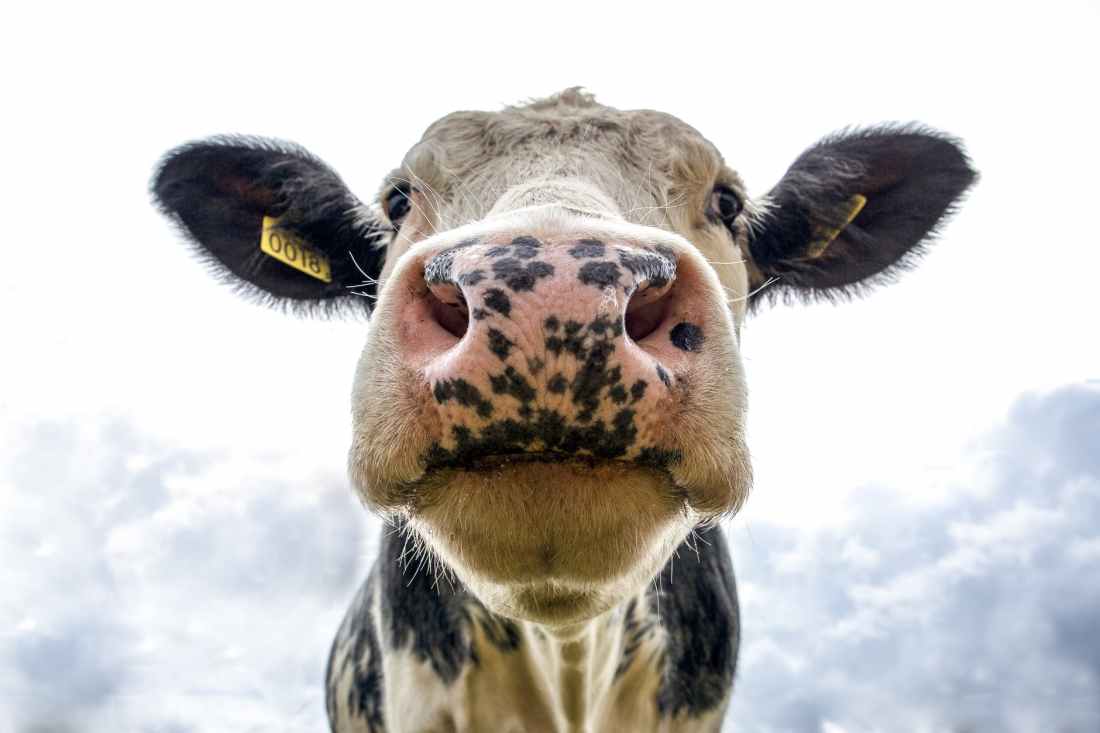
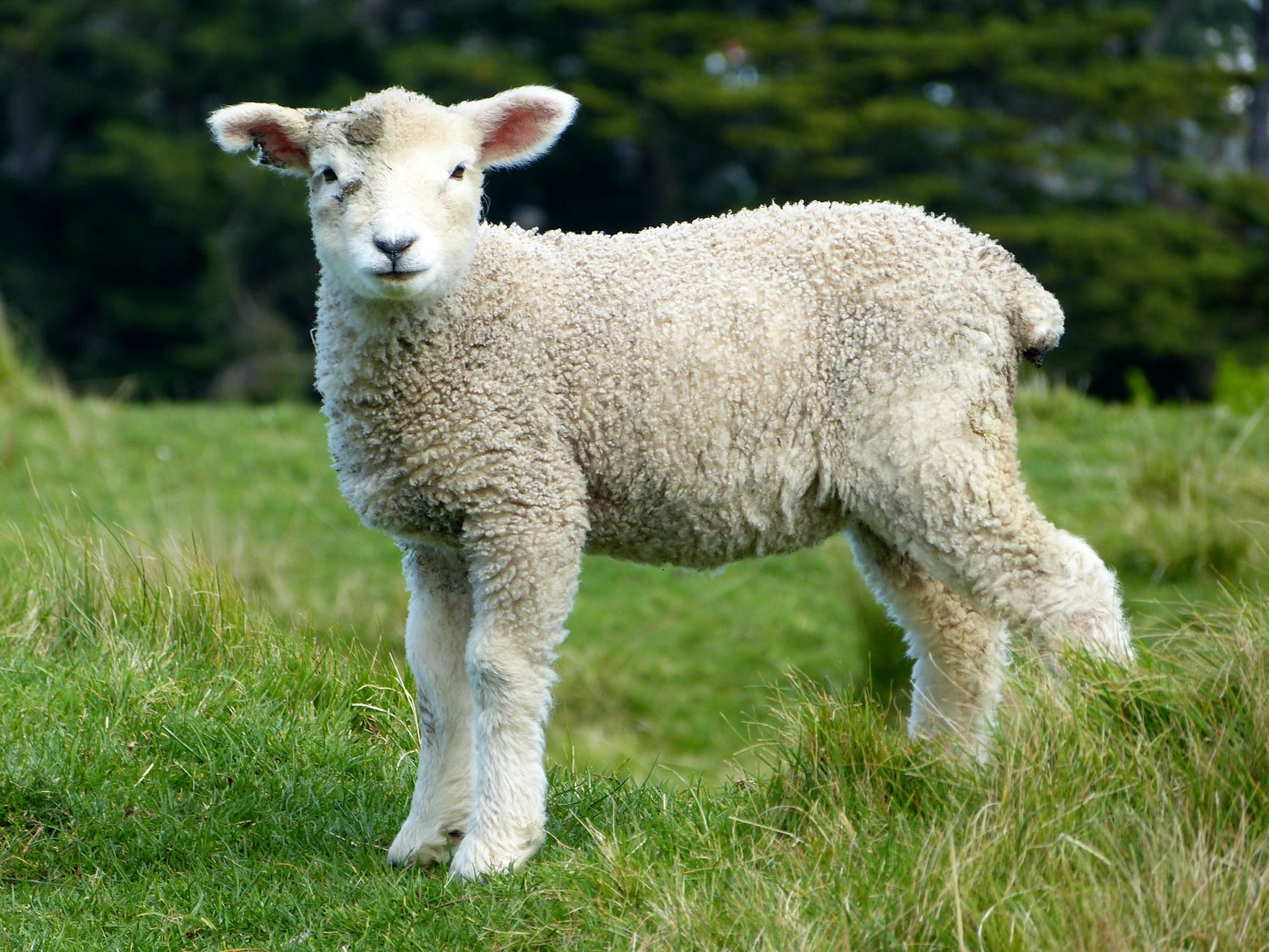
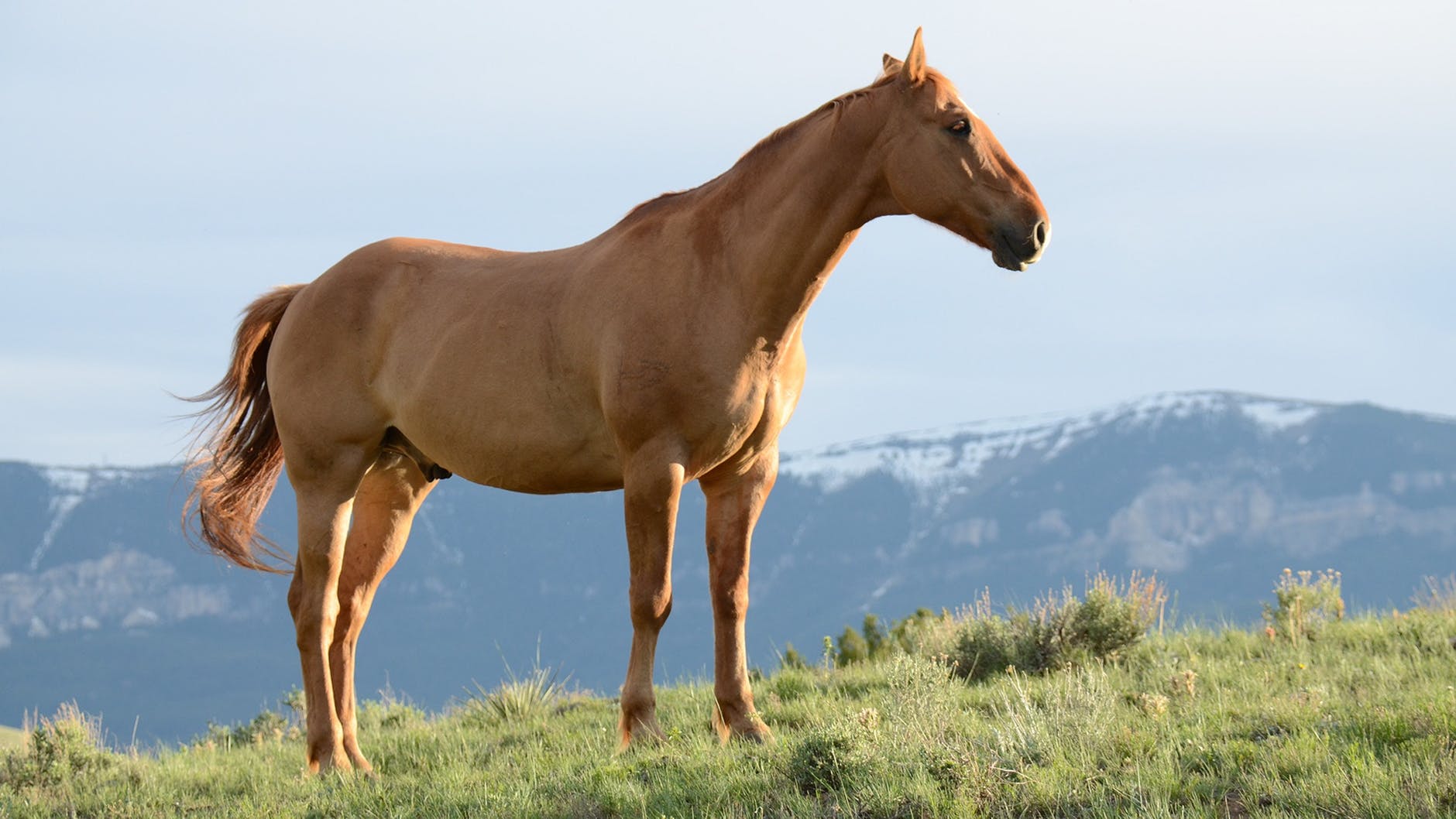
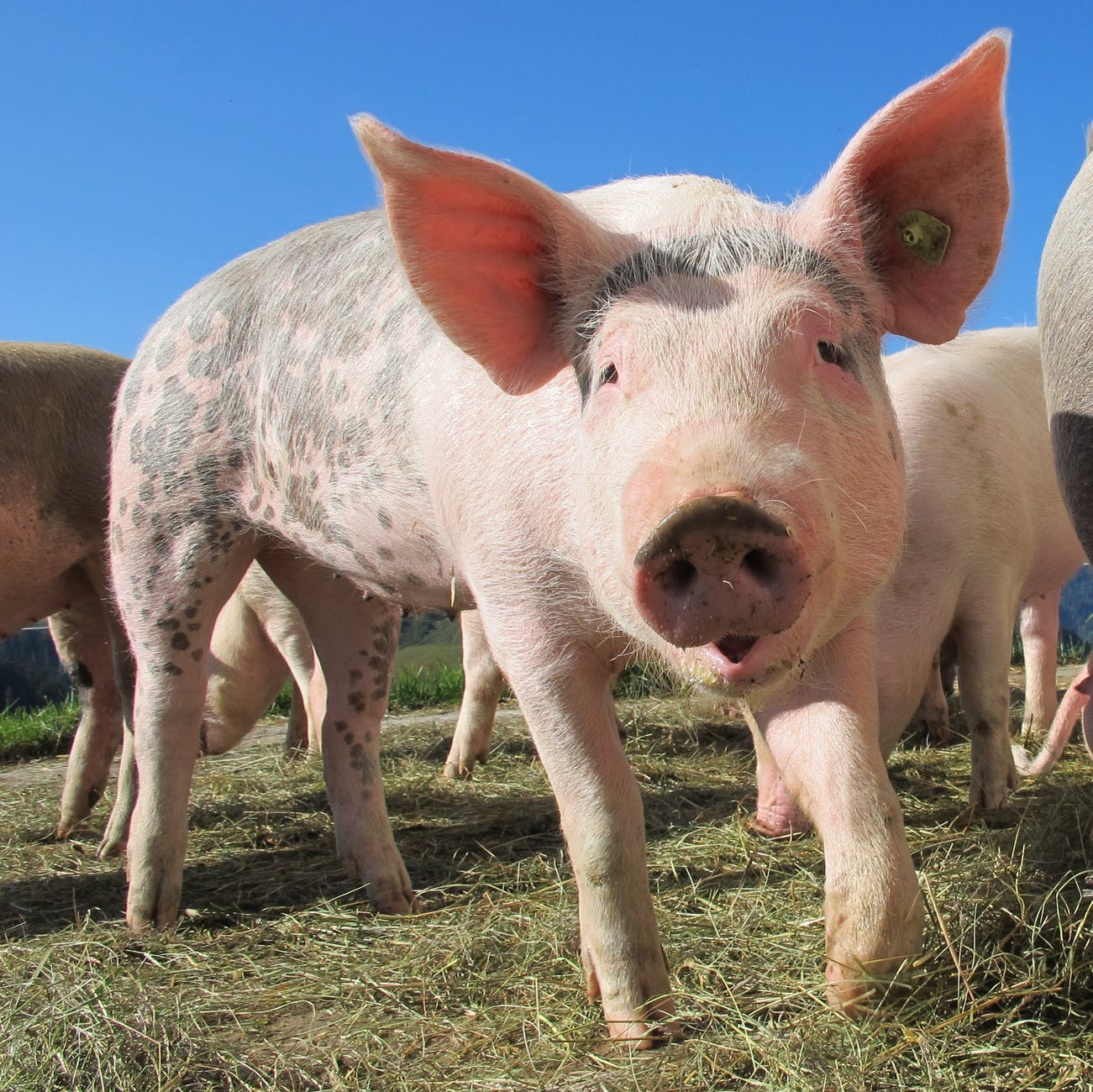
Let’s get started. Show pictures of the various farm animals from a picture book or from these blog images. Children might suggest additional animals from the farm, too.

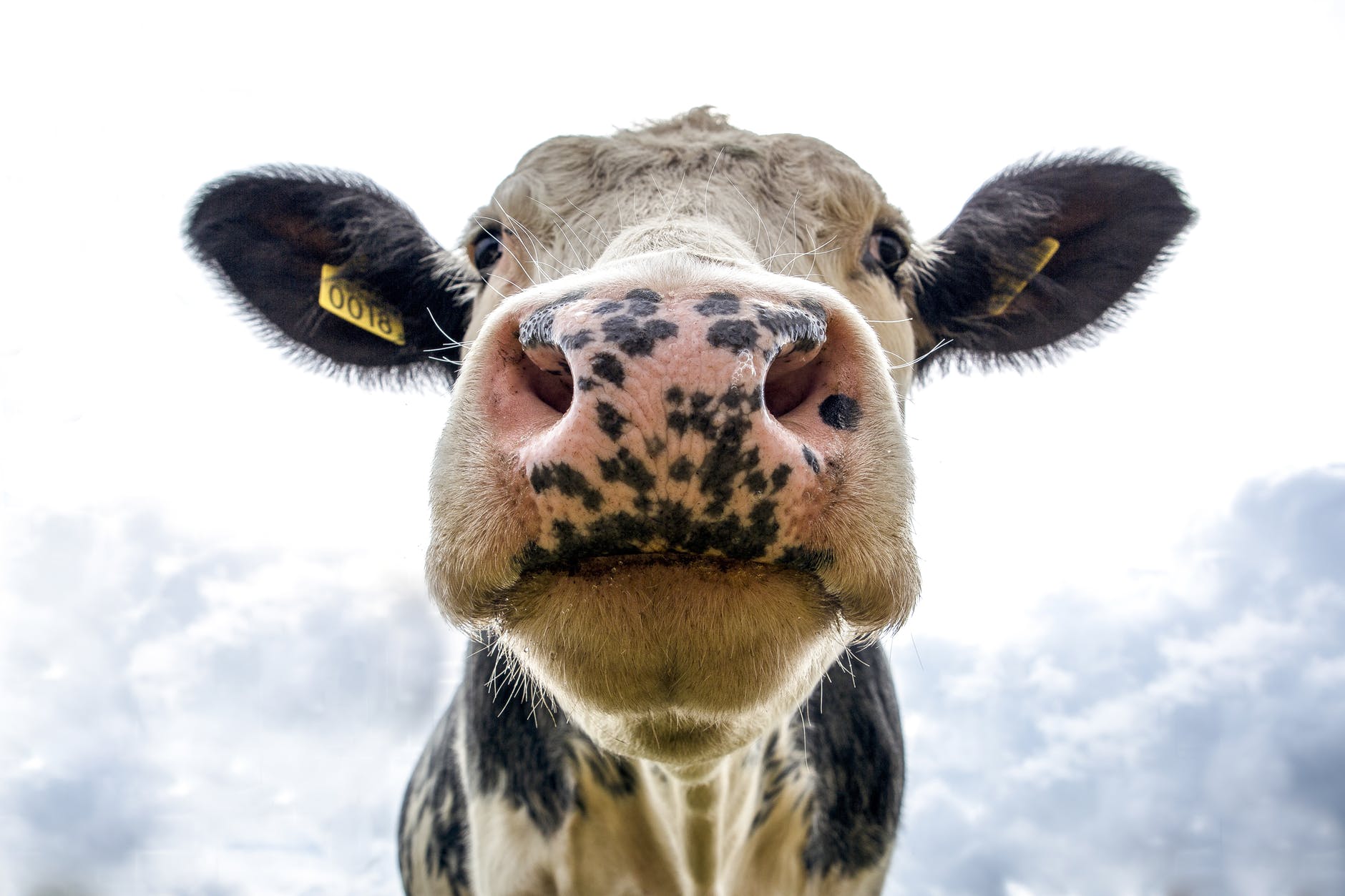
black and white dairy cow s head
Photo by Public Domain Pictures on Pexels.com

cow

white sheep during daytime
Photo by Public Domain Pictures on Pexels.com

sheep

brown horse on grass field
Photo by David Dibert on Pexels.com

horse

beagle puppy
Photo by rawpixel.com on Pexels.com

dog

nature animals pig alp rona
Photo by Pixabay on Pexels.com

pig

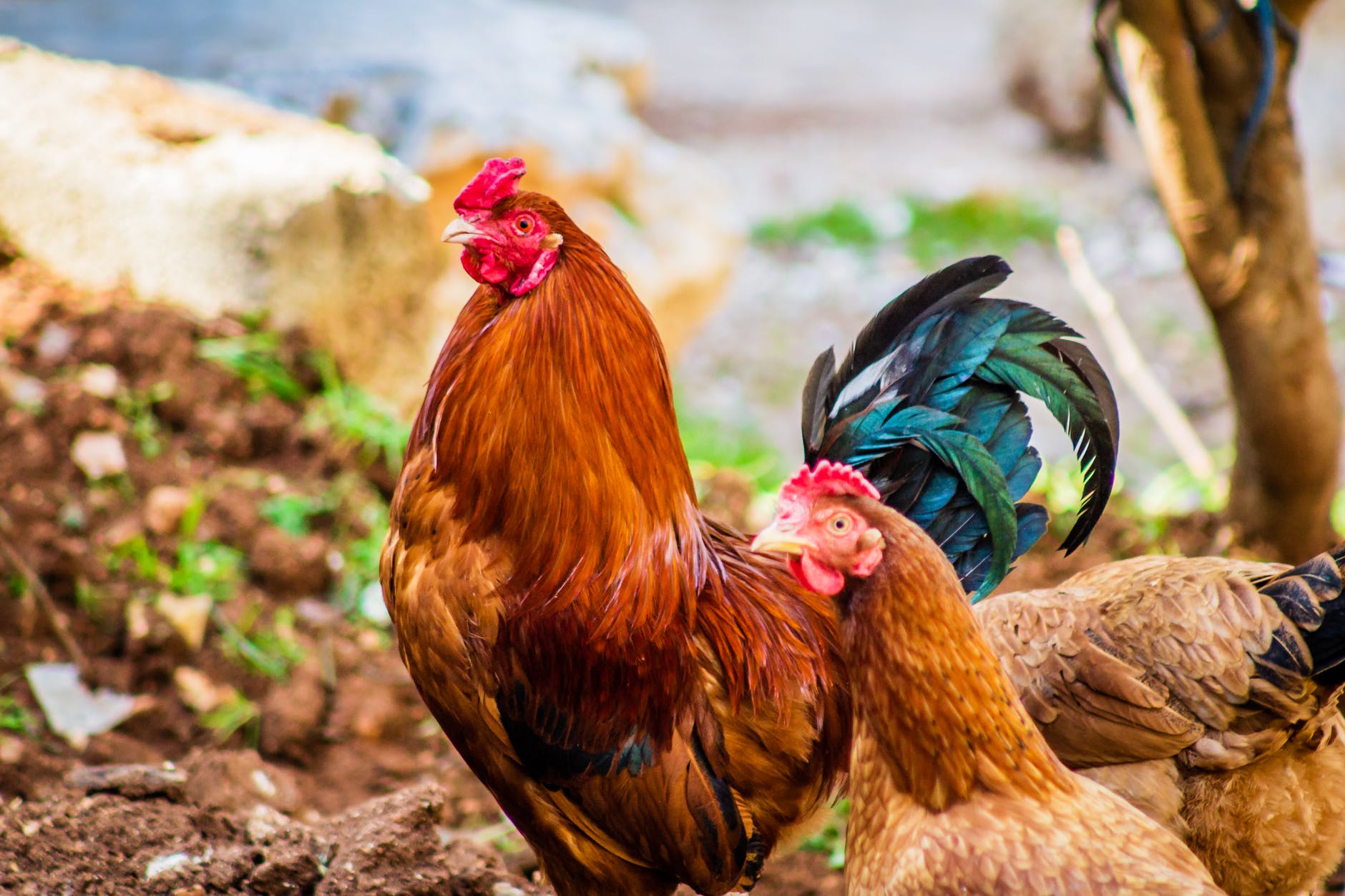
two brown hen and one red rooster
Photo by samer daboul on Pexels.com

rooster

Name the animals. What does each animal say? Even animals make different sounds in English! You can make a game matching the animal picture with its sound or with its name.

Display the vocabulary words. Print the images in this blog and put them into clear file folders. I put magnets on the back of mine. I can use the files with different vocabulary. Hang the picture cards on the board in the order of the words.

Children can stand and sing the song. There are two parts to the song.

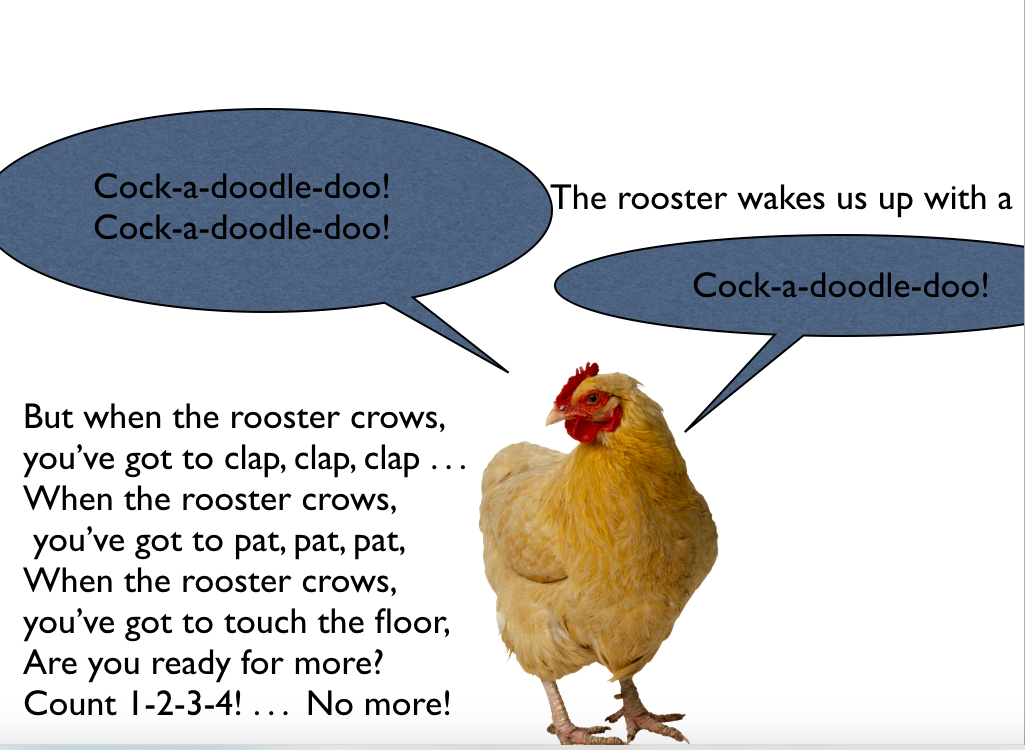
The first part is the animal name and sound. Do you see the pattern in the song?

The cow says “Moo”

The cow says “Moo”

“Moo! Moo! Moo! Moo!”

The cow says “Moo”

The second part includes TPR actions. Practice these with the children. Did you notice the rhyming words (floor/ more/ four)? That’s important for our students!

When the cow says “Moo” you’ve got to clap, clap, clap,

When the cow says “Moo” you’ve got to pat, pat, pat,

When the cow says “Moo” you’ve got to touch the floor,

Are you ready for more? Count 1-2-3-4!

Children listen for the next animal sound. In this song you’ll find a sheep (baa), horse (neigh), dog (woof), pig (oink), and rooster (cock-a-doodle doo). The verse with the rooster is slightly different.

Screen Shot 2019-09-14 at 18.30.22

Once children know the song, you can add some props.

  1. Make these animal masks from LifeoverCs. I put a piece of yarn on each mask so that the children can just put them over their heads. You can put a number on the masks to help you remember the order of the animals.

2. Use Beanie Babies, stuffed animals, or puppets. Children love to hold these.

Small groups: Give each child one animal card or puppet. Listen for the name of each animal. When each animal is called in the song, the child with that animal card/puppet goes to the middle of the circle. The other children can walk in a circle around the child.

You can see my English class here.

Large class: If your students use desks, you can have each row designated as one of the animals. The child at the front of the row can hold the card. When each animal is called in the song, the children in that group can move around their desks.

You can also make a card for each student. When each animal is called in the song, the children with that animal card move around their desks holding their card up.

The music for this song is available on the CD “Kathy Kampa’s Jump Jump Everyone!”

Jump Jump Everyone

You can find it on iTunes, CD Baby Store, and ETJbookservice as well as streaming services, such as Spotify and Apple Music.

Have a wonderful time singing and moving with your students!

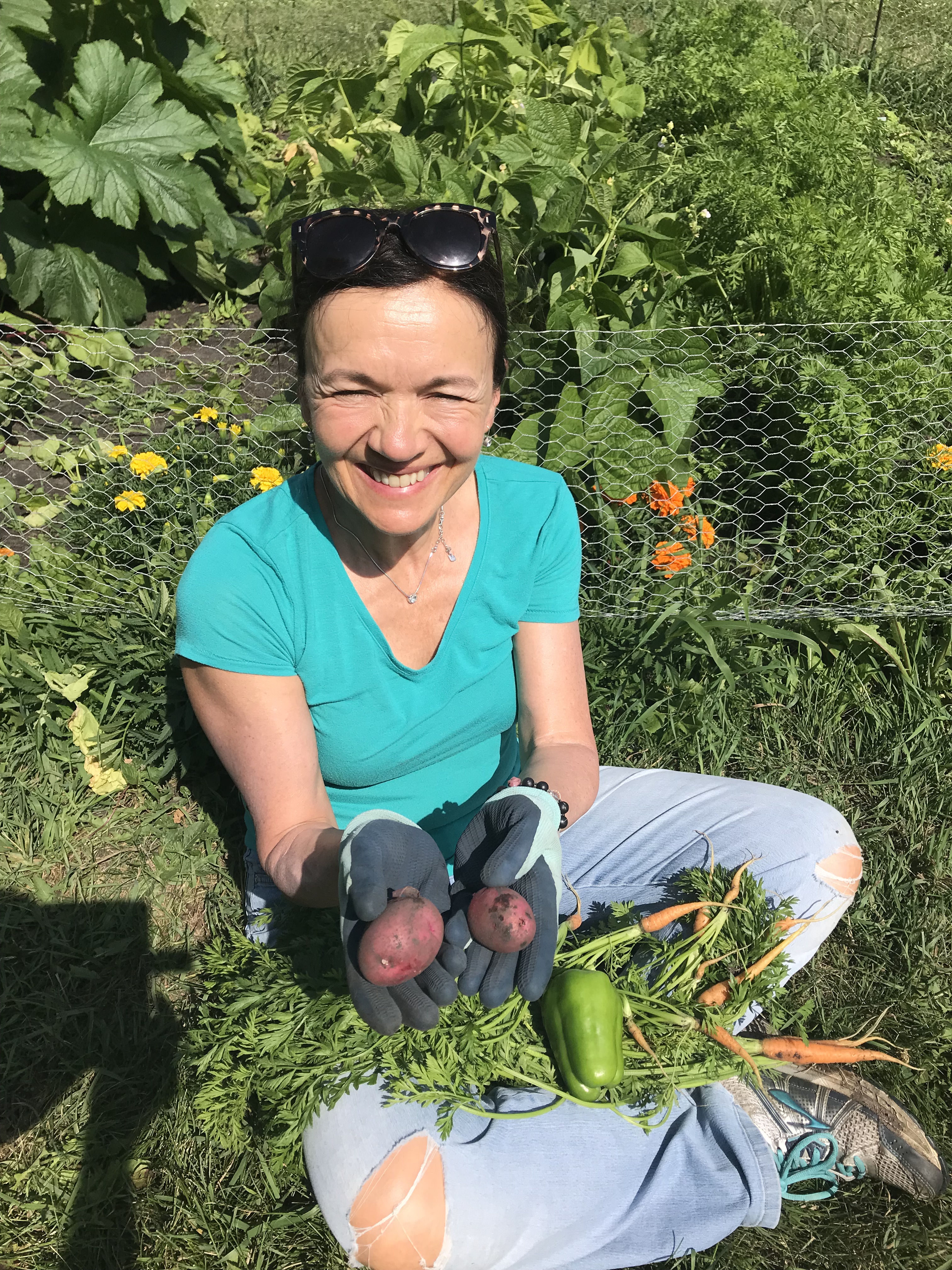
You can find Kathy on the farm in the summertime. There are no animals here, but lots of fresh veggies are growing.

Kathy Kampa is a passionate educator of young learners. She seeks to nurture children’s imaginations and spark creativity through fun and engaging activities. Kathy believes that music and movement should be a part of every young child’s learning.

Kathy is the co-author of Magic Time, Everybody Up, Oxford Discover (ELTon winner), and Beehive (published by Oxford University Press). She has been teaching young learners in Tokyo, Japan for over 30 years. Kathy is also active as a teacher trainer, inspiring teachers around the world. She has currently returned to her home state of Minnesota in the US.

If you’re interested in more of Kathy’s work, check out her YouTube channel at Kathy Kampa

Secrets to Teaching Songs in Young Learner English classes

If you teach young learners, you probably use chants and songs in your class. But how do you teach them to use them most effectively?

Each song we use has different challenges and is magical in its own unique way. Your challenge is to find that unique magic and share it with your students.

Do you know the secrets to teaching songs to young learners? You'll find helpful tips here.

I’m sharing an example from my online Zoom class with English students in Japan to help you see what we did with songs. Today we’ll look at the first song in this video called She Has a Shirt, from Magic Time 2.

Let’s talk about the parts of the lesson that lead up to the first song in this video. Magic Time, Unit 6 lesson takes place in a jungle where everyone has packed their clothing for the trip. In a Magic Time lesson, students first learn the six new vocabulary words (shirt, skirt, cap, dress, jacket, sweater). I like to introduce this vocabulary by making it magical, such as using a suitcase to hide the clothing items or the picture cards. The students are surprised to see them. In the textbook, students search for the vocabulary items in the double-page spread and practice the words in a chant. In the final listening activity, I invite students to predict which number will be said. They say, “I think number one is ________,” and put their eraser on that picture in their book. Then they write the number. This continues until all six numbers have been called. This activity pushes output from an early stage. The kids love it! We play additional games, too.

In the next lesson, students add the grammar paradigm: She/ He has a _________. When I’m in a classroom with the students, I make a rebus sentence using the grammar paradigm and the picture cards.

Now that the students have practiced the vocabulary and grammar, they’re ready to sing the song. Make sure that you listen to the song before you teach it. The first time my students listen to the song, they’re looking at the images in their book. The second time we add movements. You can see the students pointing to their clothing, too. They really love the silly monkey part.

The children really loved this song. It helped them use the vocabulary naturally. What makes this work?

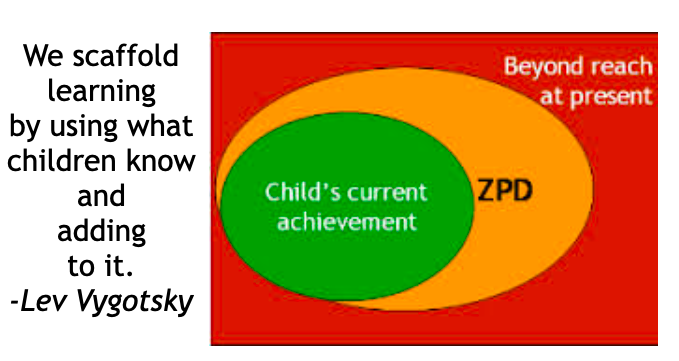
First of all, the language was gently scaffolded. Students had an achievable step. This is called the Zone of Proximal Development.
Next, the language was taught in a variety of ways. On the right, you can see the “Multiple Intelligences Pizza.” This theory was developed by Dr. Howard Gardner and adapted for the classroom by Dr. Thomas Armstrong. Some teachers have used this theory to look at students’ talents. I use it, however, for planning varied ways to teach my lesson. In our lesson, students looked at pictures (individually and in context), followed patterns, explored musical songs and chants, and moved their bodies. They learned alone and played games with their classmates. Learning like this provides repetition that is varied and engaging. When you use MI (Multiple Intelligences) strategies, you create variety in your lessons. 

Remember: Repetition, Repetition, VARIATION.

Last of all, making learning a positive experience is a very important aspect of learning. To nurture students’ imaginations and fun, use hands-on materials, including picture cards, stuffed animals, puppets, instruments, beanbags, scarves, and found items.

Songs build fluency. Games build on the language taught in class. This dice game is so much fun and builds fluency along with reading skills. You can see the children rolling the dice, adding the sight words, then reading the sentence. This activity creates some funny sentences, such as “He has a dress.” (dice pattern in MT 2 Teachers’ book). Alternatively, you can use picture cards. Students turn over one of the character cards, choosing he or she. Then the student adds “has a,” followed by another vocabulary picture card (i.e. shirt).

Just a note that before students go home, I like to play the song again. Create the chance fo students to catch SSIYH, the “song stuck in your head” phenomenon. Good songs are easy for students to repeat. Repetition helps, too. Students will sing independently and happily.

Do you have a secret to teaching songs? Let us know at magictimekids@gmail.com. We’d love to hear from you!

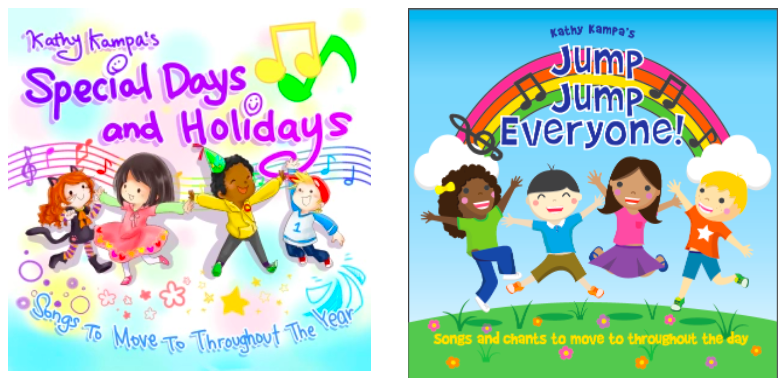
Kathy loves to write music for children. If you’re looking for songs for little ones, check out these two CDs, available on iTunes.

Kathy Kampa is a passionate educator of young learners. She seeks to nurture children’s imaginations and spark creativity through fun and engaging activities. Kathy believes that music and movement should be a part of every young child’s learning.

Kathy and her husband Chuck are co-authors of Magic Time, Everybody Up, Oxford Discover, and Beehive (published by Oxford University Press). They have been teaching young learners in Tokyo, Japan for 30 years. Kathy and Chuck also active as teacher trainers, inspiring teachers around the world. They have currently returned to their home state of Minnesota in the US.

If you’re interested in more of Kathy’s work, check out her YouTube channel at Kathy Kampa. Kathy has collected numerous activities to link with her here on Pinterest.

Share this:

-.

Discover the parts of a flower with this magical fingerplay

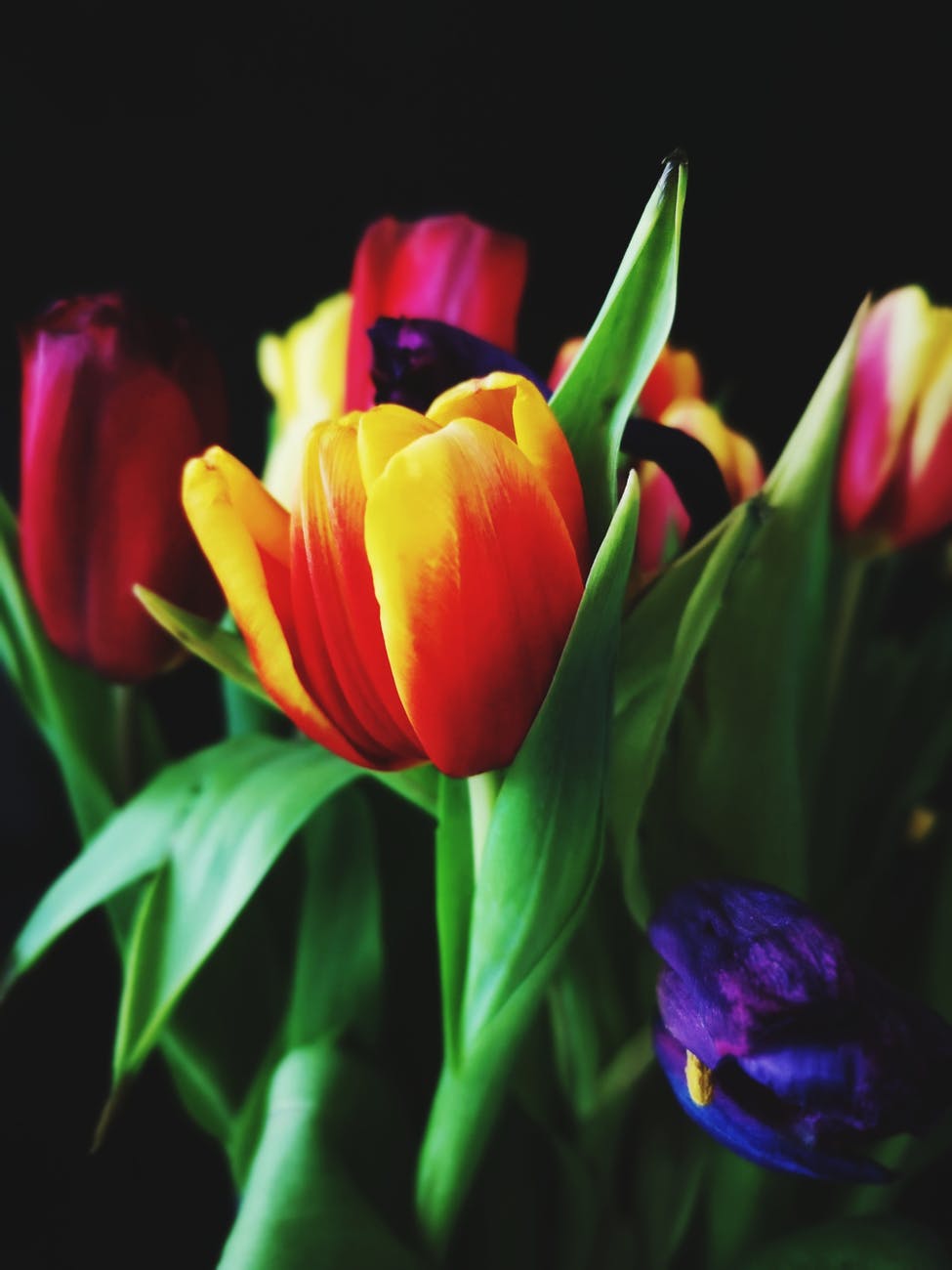
When I was living in Japan, springtime was filled with one beautiful flower after another. We could find flowering trees (especially plum and cherry blossoms), purple and blue hydrangeas, wisteria, tulips, rapeseed, azaleas, and lots of roses.

Now we’re living in Minnesota. It’s been too cold for anything to start blooming yet. Once it warms up, however, we can find gardens filled with colorful flowers–zinnias, daylilies, purple coneflowers, hollyhocks, daisies, bee balms, and more. This year we’re going to plant a pollinator garden to help the bee and butterfly population.

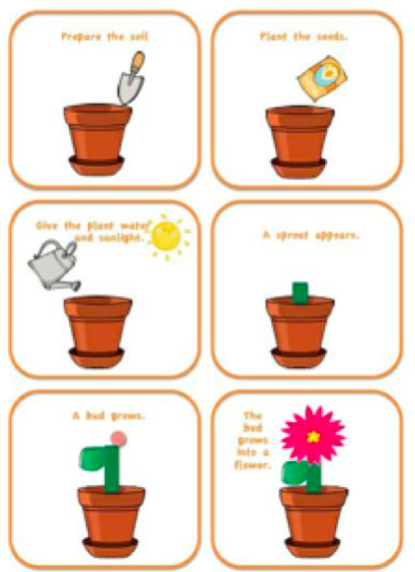
The kindergarten children at my former school learned about living things. They planted seeds and watched them grow. Look at a real plant with your students. Look at the stem, the leaves, the buds, and the flowers. Do all plants have the same types of leaves? Buds? Flowers? What do they look like? If you don’t have a real plant, you can often find a silk one at a bargain store. I like to show students a watering can, too. This graphic showing how to plant from a Garden of Goodies (Pinterest) may be helpful.

Looking at how seeds changed into a flower

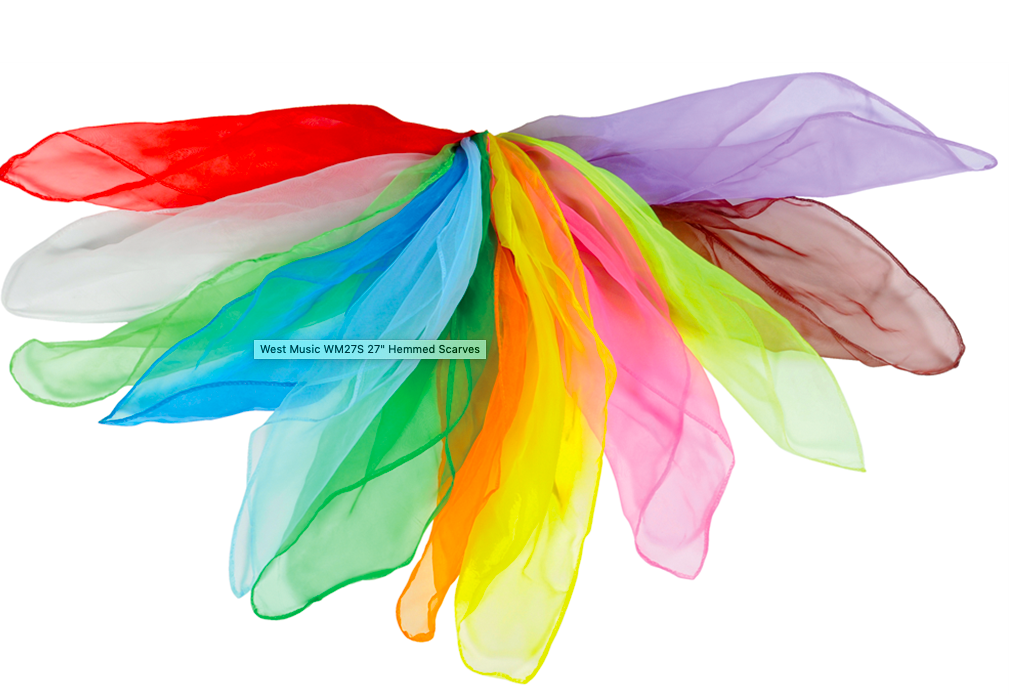
My students loved this poem called Here’s a Leaf! They would ask to do it over and over again. Yours will, too! You’ll see the magic when you try it. I use small, lightweight hemmed scarves like these. Search for “hemmed scarves” or “juggling scarves.” Check the reviews. I like mine! These scarves expand beautifully for this poem. Young children can practice naming the color, too.

Screen Shot 2020-03-19 at 16.55.57

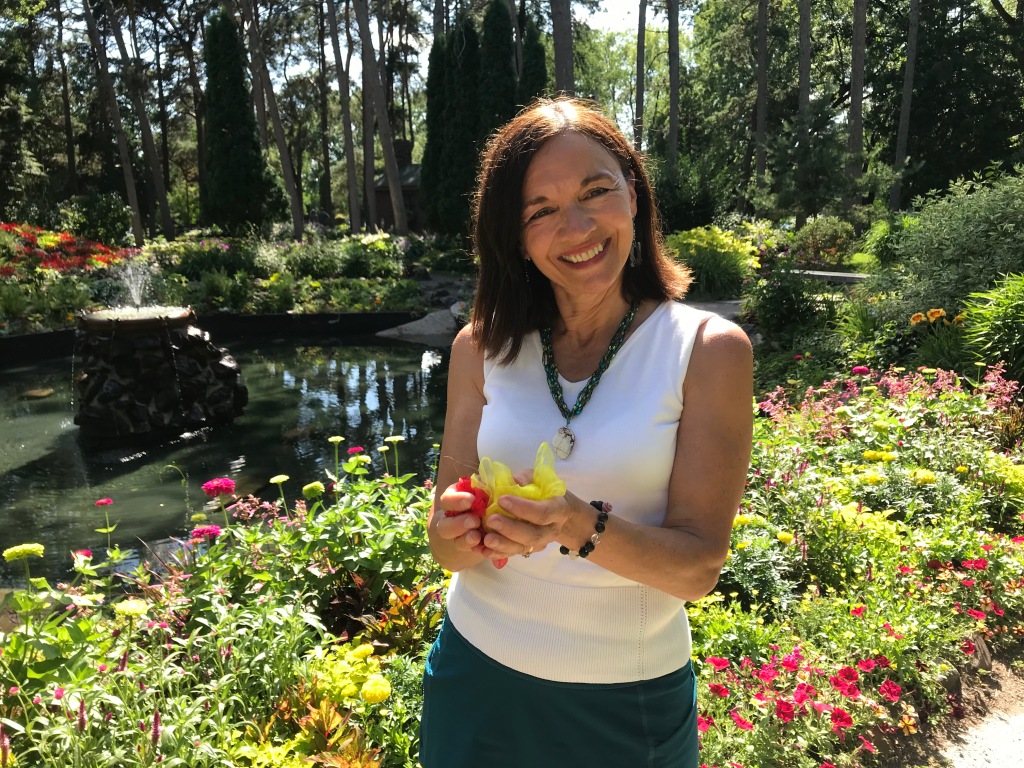
In my video, we take you to Munsinger-Clemens Gardens, one of my favorite places in St. Cloud, Minnesota. Special thanks to my son, Christian Vilina for his awesome video work.

To begin, scrunch up the scarf in your hands, so that it can’t be seen. Here’s the video to show you how you might do it.

Here’s a Leaf (also known as The Flower Poem) adapted by Kathy Kampa

Available on iTunes (Jump Jump Everyone)

Children listen and answer.

Here’s a Leaf video

Do you have a scarf? (Yes!) 

Let’s scrunch up our scarves. (tsch, tsch, tsch, tsch . . . . .)

(Scrunch up the scarf in your hands so that it’s not visible.)

Is your scarf very tiny? (Yes, it is!)

Are you ready? (I’m ready!)

Let’s pretend.

Let’s plant a seed in the dirt.

(Bend down and tap the ground, pretending to plant a seed in the dirt.)

Water it!

(Pretend to water the seeds by tipping your hands.)

Watch it grow and grow and grow.

(Stand up slowly.)

Now show me your thumbs. Here we go.

Here’s a leaf, and here’s a leaf.

(Pretend that your thumbs are leaves. Wiggle one thumb, then the other.)

Count them. 1-2.

(When you count 1-2, move your thumbs up and to the side.)

Here’s a bud.

(Open your hands slightly to reveal the scrunched-up scarf.)

Here’s a flower,

(Open your hands a little more.)

blooming just for you.

(Open your hands and let the scarf ‘bloom’ like a flower.)

Hooray!

(Toss the scarf into the air!)

Let’s grab our scarves and do it again!

For more kid-tested music and movement activities, check out my music on iTunes.

Jump Jump Everyone
Kathy has produced two music CDs for very young learners, Kathy Kampa’s Special Days and Holidays and Jump Jump Everyone, which build English language skills through movement while nurturing creativity and imagination! Grown and loved by real kids!

Kathy Kampa is a teacher, author, and teacher-trainer specializing in working with young learners. As a PYP (Primary Years Program) teacher, she uses a globally-minded and inquiry-based approach to teaching through which students develop 21st-century skills. She also supports the development of English language skills by creating songs, chants, and TPR/movement activities targeted to young learners’ needs.

Kathy and her husband Charles Vilina are also co-authors of Magic Time, Everybody Up, Oxford Discover (ELTon winner), Beehive/Buzz (2022), Blue Dot (2024), all published by Oxford University Press.

Thanks again to my son Christian Vilina for his vision in creating this video.

Images: “Easter Lily” by Recherché Furnishings is licensed under CC BY 2.0