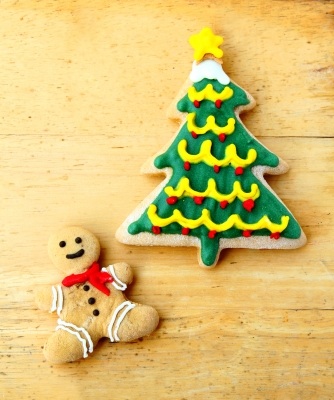
It’s Christmas Time!

Featured

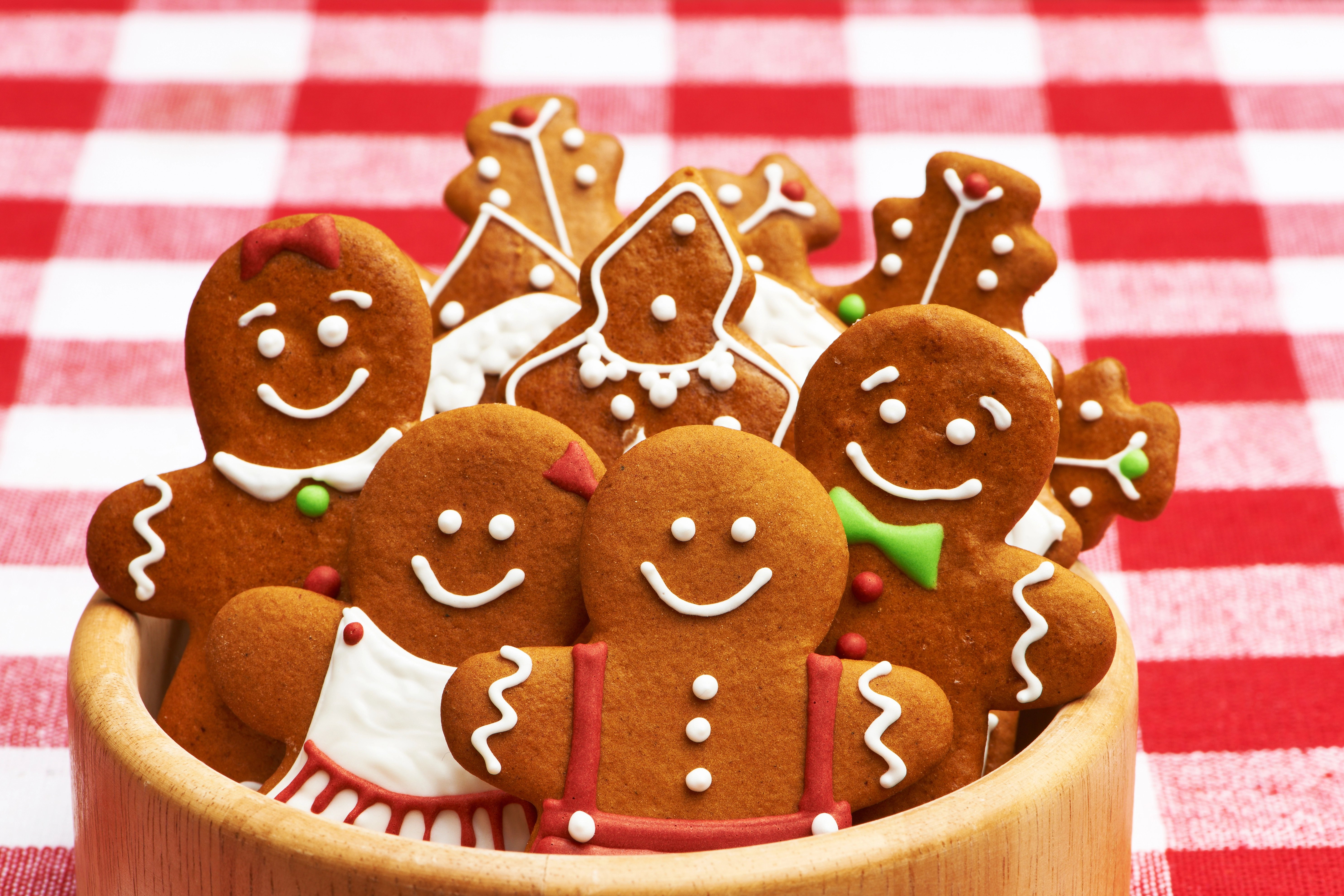
%22Christmas Gingerbreads%22 by nuchylee

Christmas Day is just around the corner!  Here’s a simple song for your little ones!!

You’ll find everything you need to teach this song–a handout, lyrics, movement suggestions, and a video. You can find this song on Apple Music, Spotify, or iTunes. 

My dear friend and Oxford co-author, Setsuko Toyama from Niigata, Japan, created this wonderful activity sheet and picture cards. Just click below and print them!

It’s Christmas Time-Song by K. Kampa, Handout by S. Toyama

It’s Christmas Time

Words by Kathleen Kampa, copyright © 2013 by Kathleen Kampa

(music adapted from The Muffin Man)

1. Do you hear the jingle bells,

the jingle bells, the jingle bells?

Do you hear the jingle bells?

It’s Christmas time!

 Chorus:

Christmas! Christmas! Time to celebrate.

Christmas! Christmas! We can hardly wait. 
 2. Do you see the Christmas tree,

the Christmas tree, the Christmas tree?

Do you see the Christmas tree?

It’s Christmas time!

 Chorus:

Christmas! Christmas! Time to celebrate.

Christmas! Christmas! We can hardly wait. 

Do you smell the gingerbread,

The gingerbread, the gingerbread?

Do you smell the gingerbread?

It’s Christmas time!

 Chorus:

Christmas! Christmas! Time to celebrate.

Christmas! Christmas! We can hardly wait. 

 4. We feel joy and happiness,

happiness, happiness,

We feel joy and happiness,

It’s Christmas time!

The steps to the activity are as follows:

1.  Teach the six new words using the picture cards.

It’s Christmas Time-Song by K. Kampa, Handout by S. Toyama

Create a gesture for each word.

2.  As a critical thinking activity, place the pictures for hear, smell, and see in a column on the left side of the board. Place the images for gingerbread, jingle bells, and Christmas tree in a column on the right side. Point to the “hear” card as you ask students, “What can you hear?” When students answer, “jingle bells,” draw a line from hear to jingle bells. Continue in the same way with the other words. In addition, you may ask questions such as, “Can you smell a Christmas tree? Can you see jingle bells?” and so on.

3.  Hand out a copy of the activity sheet to each student. Play the song. As students listen, they point to the lyrics with illustrations (known as a rebus).

4.  Play the song again, with students standing in a circle or at their desks. On each verse, pantomime the movement with your students. For a performance, you could have different groups perform each of the verses.

5. There are so many possibilities for movements. For example, on the chorus, on Christmas, Christmas, students can a) make a big circle with their arms, b) wave their arms side to side, or c)  choose their own idea. 

On time to celebrate, students clap their hands five times, once for each syllable.

On We can hardly wait, students hug themselves, then reach their hands up on the word wait!

For the interlude music, pretend to make it snow by moving your fingers gently from up high to the ground!

We hope you enjoy this wonderful Christmas song and activity.

Here’s a video that I made with some amazing kids! They jumped right into the song and we recorded this video at a park. 

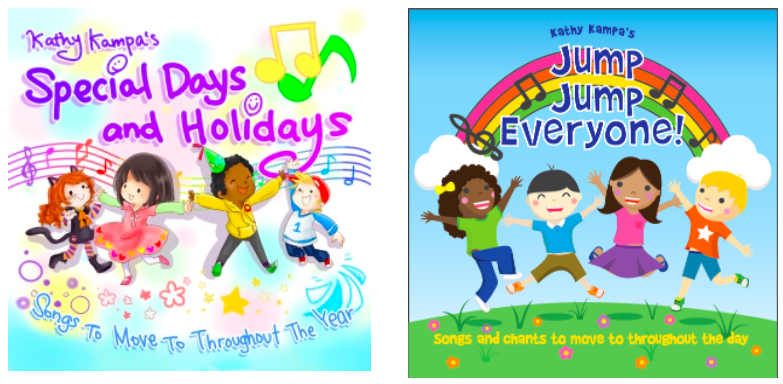
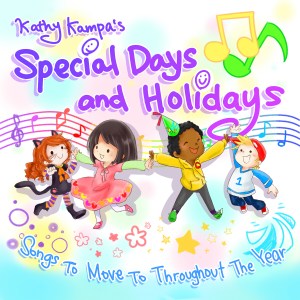
For the studio version of my song, go to iTunes and click on Track #13 of Kathy Kampa’s Special Days and Holidays. (Just click on iTunes above or the album cover below.)

This music is also available on streaming services.
ms kampa 12-8

I have collected numerous Christmas craft activities here on Pinterest.

Happy Teaching, and have a very Merry Christmas!

Kathy Kampa
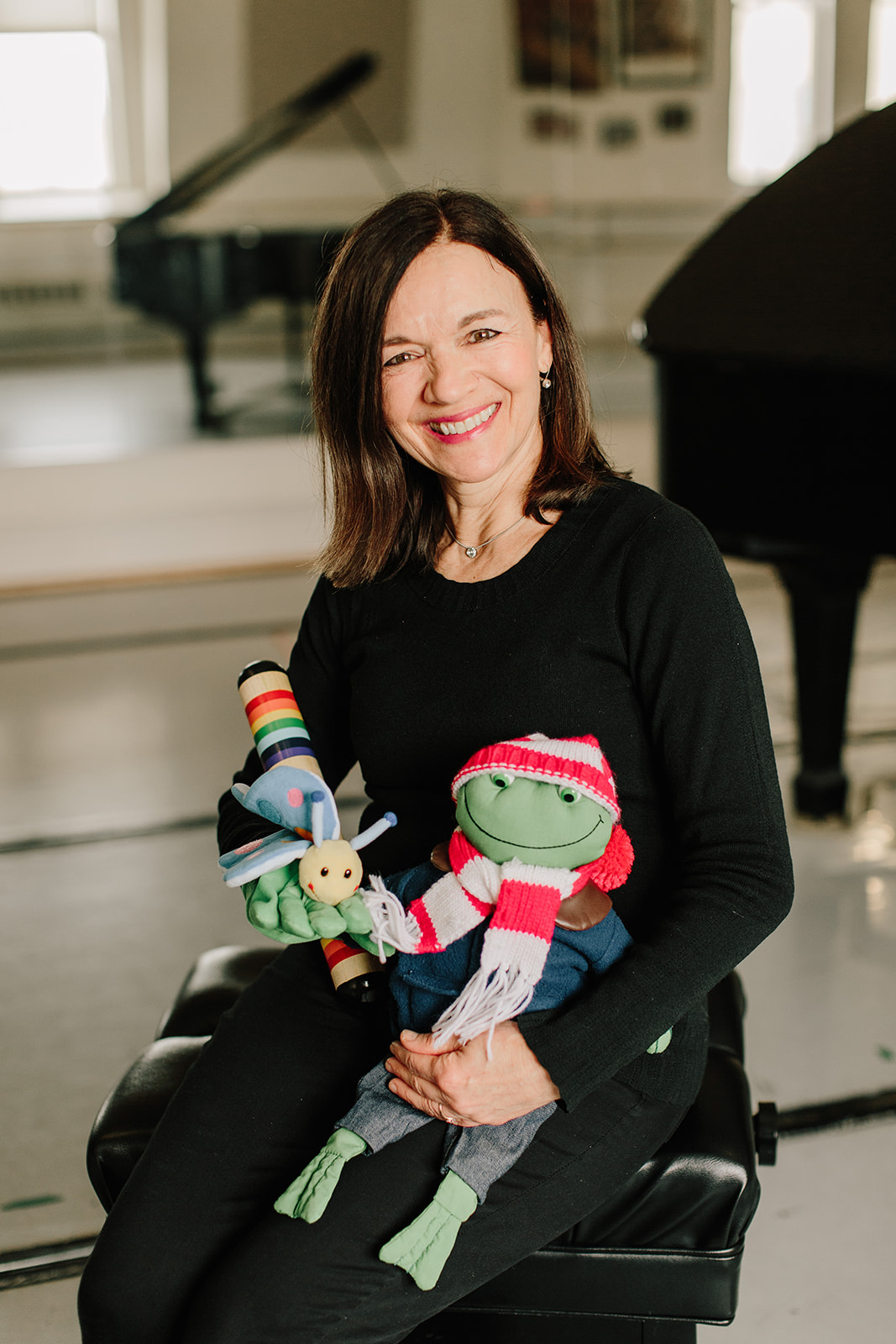
Kathy Kampa is a passionate educator of young learners. She seeks to nurture children’s imaginations and spark creativity through fun and engaging activities. Kathy believes that music and movement should be a part of every young child’s learning.

Kathy is the co-author of Magic Time, Everybody Up, Oxford Discover, Beehive and Buzz , and Blue Dot(all published by Oxford University Press). She has taught young learners in Tokyo, Japan for over 30 years. Kathy is also active as a teacher trainer, inspiring teachers around the world. She has currently returned to her home state of Minnesota in the US.

“Christmas Gingerbreads” image courtesy of nuchylee / FreeDigitalPhotos.net

My Fingers Dance!

Featured

Fingerplays are a fun way to add movement to your lesson. Students can move their fingers while sitting. When you need an activity to bring the energy level down in your class, consider a fingerplay.

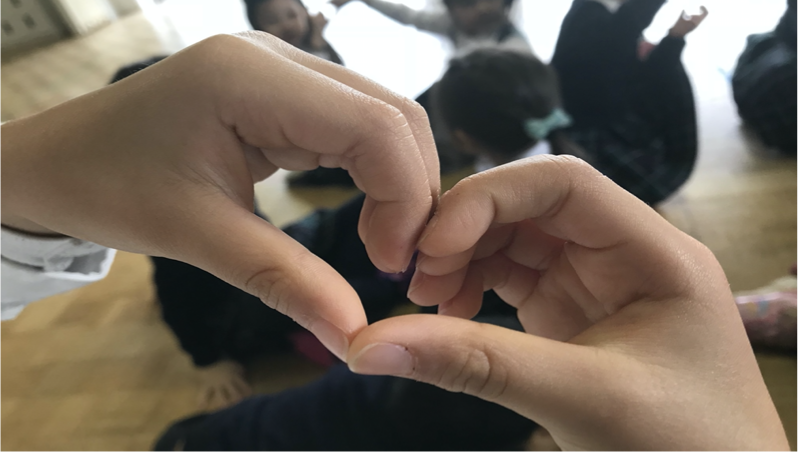
This chant teaches the heart shape (perfect for Valentine’s Day!) as well as other shapes (circle, square, rectangle, triangle, star). Notice the repetition in the phrases, which is important for young learners.

Encourage students to make shapes in different ways to nurture their creativity. Notice the great things your young learners are doing. That’s what I call CCBA–Catch Children Being Amazing!

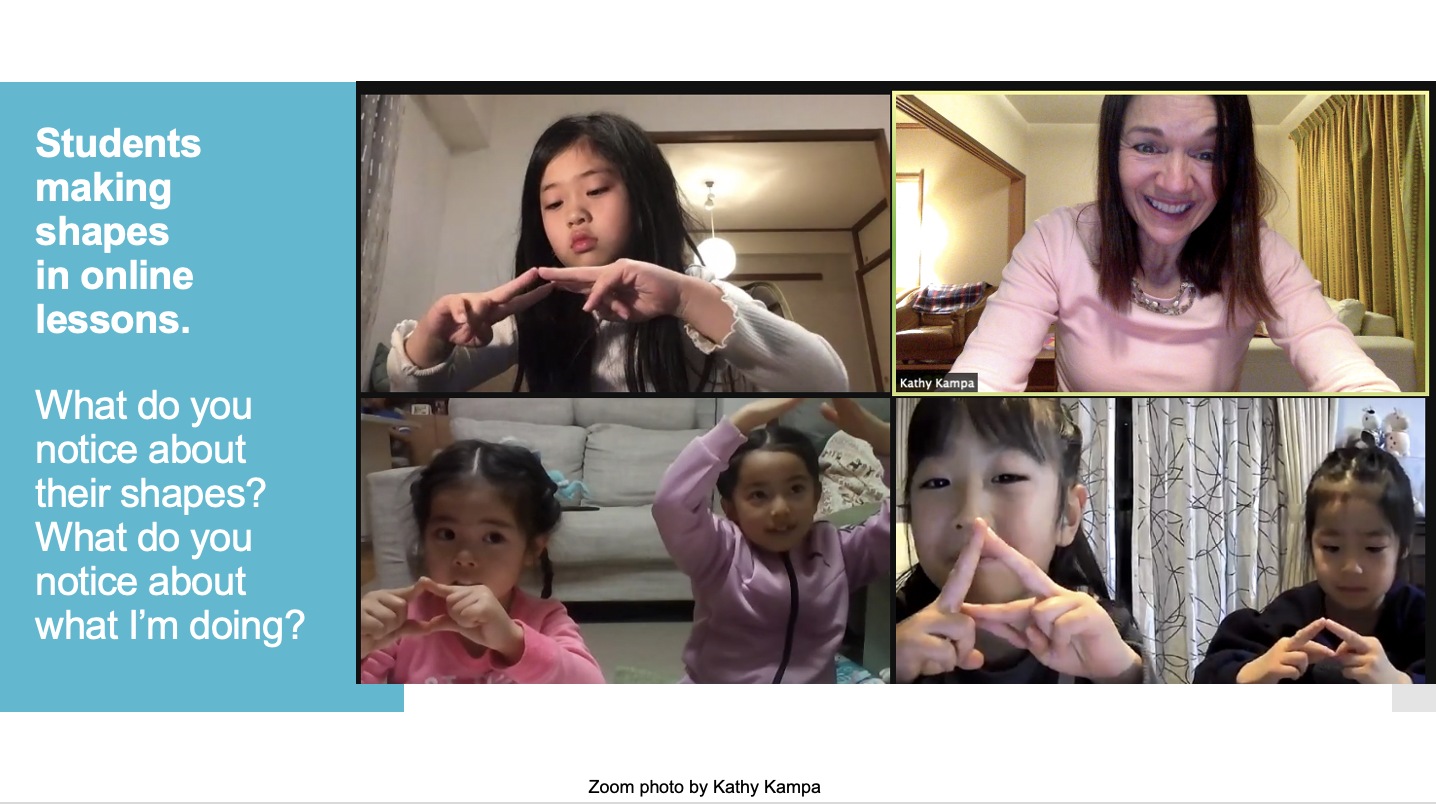
Check out my Japanese students making shapes. Here we are studying together online. (Photos used with permission)

My students just love this chant! I hope that you do, too.

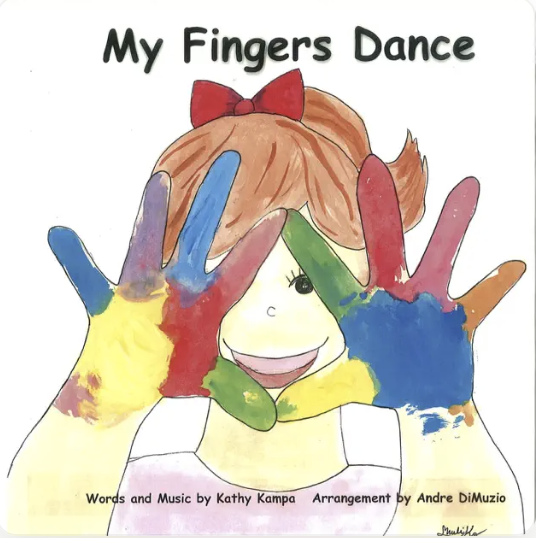
My Fingers Dance

by Kathy Kampa on Jump Jump Everyone. Available on iTunes, Spotify, and other streaming services.

My fingers, fingers, fingers, fingers, fingers dance!

My fingers, fingers, fingers, fingers, fingers dance!

Make a circle! Take a picture. Make a circle! Take a picture.

*Substitute additional shapes for “circle.”

Check out the video below for the simple motions.

This Google slide from the video provides a visual of the shapes.

The music is available on iTunes and on streaming services such as Spotify and Apple Music.

Let’s practice shapes some more!

Time for a surprise! Have students open their hands and close their eyes. Hand them one of the shapes. Use this little chant I just made.

A Big Surprise by Kathy Kampa

Open your hands and close your eyes.

Get ready for a big surprise!

My students enjoy going on a shape hunt. We focus on one shape at a time, and look for things with that shape.

Kids love using the shaped “magnifying glasses” to find shapes in everyday objects around them! You can make these darling shape finders from Amber at Apples to Applique (amber@applestoapplique.com)

Learning something in many ways is fun for young learners! As Dr. Howard Gardner pointed out in his theory of Multiple Intelligences, children can learn more successfully when using many ways to approach a topic. In this lesson, students hear words in rhythm, they move their bodies, they see shapes, and they interact together.

If you’re celebrating Valentine’s Day, students can make cards with LOTS of shapes!

Finally, if you read my last post, you’ll remember how to make a heart shape with your hands. This poem was shared with me by my colleague:

    I put my hands together.  (put the heels of your hands together)

    This is how I start.  (hold)

    I curve my fingers just like this (curve your fingers to touch each other)

    and now I have a heart.  (this should make a heart shape)

    Now, look through the heart to see each of the students in your class.

    Say, “I see you in my heart!”

Songwriter Kathy Kampa is a passionate educator of young learners. She seeks to nurture children’s imaginations and spark creativity through fun and engaging activities. Kathy believes that music and movement should be a part of every young child’s education. Kathy’s songs for kids (Kathy Kampa’s Special Days and Holidays and Jump Jump Everyone) are available on iTunes.

Kathy uses a globally-minded and inquiry-based approach to teaching through which students develop 21st-century skills. She also supports the development of English language skills by creating songs, chants, and TPR/movement activities targeted to young learners’ needs. Kathy is an author and teacher-trainer with Oxford University Press.

For more kid-tested music and movement activities, check out more music on iTunes, Spotify, and Apple Music. Kathy has produced two music CDs for very young learners, Kathy Kampa’s Special Days and Holidays and Jump Jump Everyone, which build English language skills through music and movement while nurturing creativity and imagination. Grown and loved by real kids!

Check out Kathy Kampa’s YouTube channel here.

V-V Valentine!

Featured

Valentine’s Day is right around the corner! What activities will you do with your young learners for Valentine’s Day?

Playing with letter sounds is fun for little ones. Let’s explore ways to make the shape of the letter Vv:

-with our fingers

-with our hands

-with our arms

-with our legs

-with our whole body (balance!!)

-with a friend

Each time you make the shape, say the sound /v/. 

*Try to make only the sound /v/ and not /vƏ/ (vuh)

Can you change your V shape into a heart shape?

I created this song with the phrase “/v/ /v/ valentine.” Make the shapes with your fingers or the heels of your hands, then with your arms. Watch the video for more details. I created it with my nieces Shannon and Brooke many years ago. It’s easy to sing and so much fun!

Here are the lyrics:

Be My Valentine

lyrics by Kathy Kampa, melody “Cho Cho”/”Lightly Row” 

I like you. You like me. Will you be my Valentine?

I like you. You like me. Be my Valentine.

[v] [v] Valentine!

[v] [v] Valentine!

I like you. You like me.

Be my Valentine.

Repeat facing a partner.

This song can be found on iTunes and other streaming services, such as Spotify and Apple Music.

Spotify playlist: Songs for Kids for Valentine’s Day and Friendship

Celebrate the joy of Valentine’s Day while building social skills in your classroom. This playlist includes songs for Valentine’s Day and songs about friendship. You’ll find songs to add movement to your class activities, too. Click here to see Kathy’s Spotify channel. for more curated playlists.

Crafts Activities

On Valentine’s Day, kids love to make things for their friends. Check out these simple craft activities.

Can your students find the letter V in these craft activities?

This first craft is a Valentine chain. Cut narrow paper strips about 1″ wide and fold them in half. Look! There’s the letter V! Then curve the tops in to make a heart. This is a great activity for teaching colors and patterns. Try this when you’re sitting with a small group. Students fold the strips, slide a new strip through, then staple the top of the heart. Then, create a color pattern, such as white-red-pink-white-red-pink. Young learners can count the number of hearts in the chain.

When students have the paper strips open, they can write a secret message on the heart.

This idea comes from https://www.teachwithme.com/blogs/getting-to-the-core/item/588-valentine-ideas.

This second craft is like magic! Each student folds a sheet of construction paper in half. Trace around the student’s hand. Be sure that their thumb and pointer finger are touching the folded edge. Students can cut around their fingers. Then decorate a card for someone they love.

This idea comes from https://easypreschoolcraft.blogspot.com/2013/01/top-20-valentines-day-crafts-for-kids.html?m=1

Come back to my blog to discover more fun activities that build language through music and movement.

Falling Leaves of Autumn

Featured

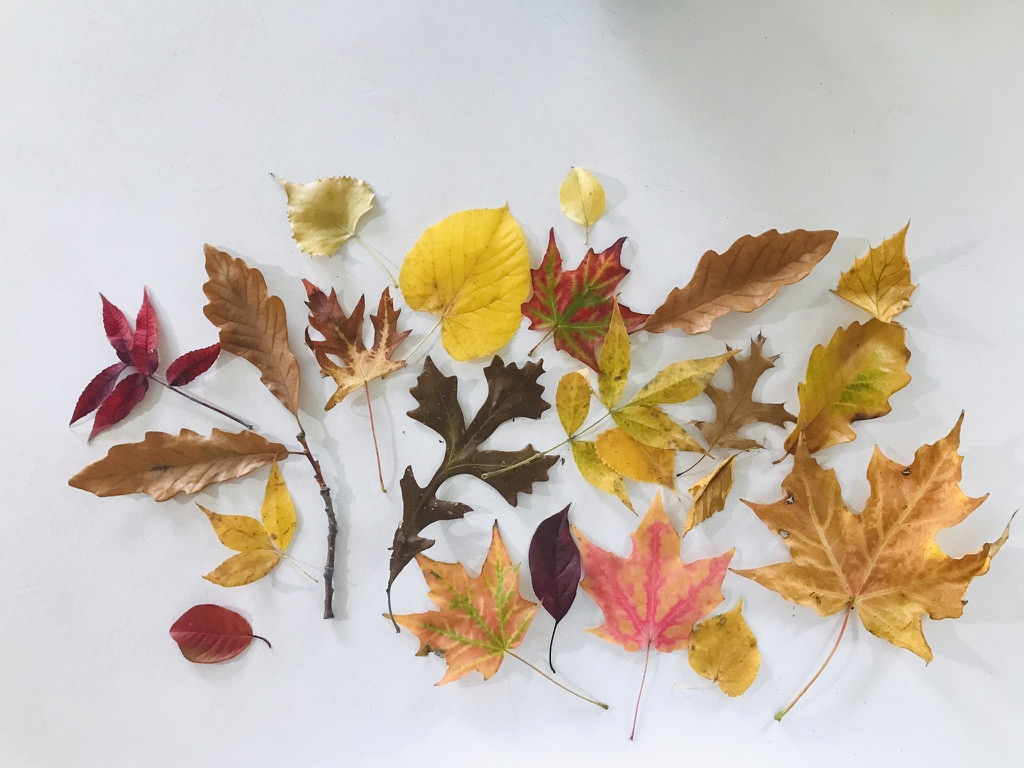
Autumn is one of my favorite times of the year. Here in Minnesota, we can see red maple leaves, yellow aspen, and brown oaks. When we lived in Tokyo, we witnessed such beautiful autumn leaves. Here’s a photo I took in Japan as the leaves started to change colors. People celebrate the season outside by enjoying picnics, taking hikes, and taking lots of pictures!

Photo by Kathleen Kampa, 2020, Showa Kinen Park

My Kindergarten students and my English students delighted in gathering the fallen leaves. Every morning they brought a collection of leaves to school. They enjoyed watching different kinds of leaves falling to the ground. We sang many songs about autumn leaves, but this one is my favorite. I especially love the incredible instrumentation that Andre DiMuzio created to accompany this.

Here are the free Google slides to accompany this song.

It’s fun to teach this song with a xylophone or glockenspiel. You can play it by starting at the shortest bar (C) (do’), and going step by step to the longest bar. If you turn the instrument on its side with the shortest bar on top, it’s easy to see and hear the melody descending.

Falling Leaves Adapted by Kathy Kampa

Down, down, down, down, the leaves are falling to the ground. 

    do       ti        la       sol             fa              mi        re        do

Whoosh!

Red, yellow, orange, and brown, the leaves are falling to the ground. 

  do       ti        la         sol             fa              mi        re        do

Whoosh!

My students will sing this song over and over again. On the recording, the last time just slows down to signal the end of the song.

When I arranged this song, the children first sang the words to build their understanding of autumn. I also created a section where children can create their own movements. It’s important to give children opportunities to express themselves freely. They can spin fast or slow. They can pretend to blow in the wind.

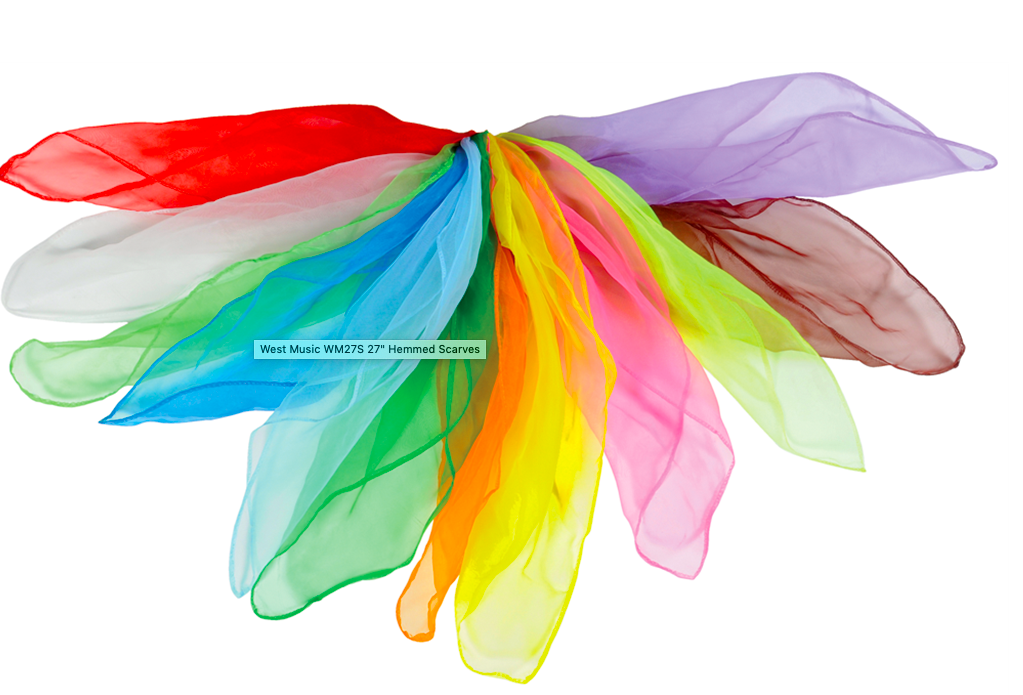
Children love dancing with lightweight scarves. The color doesn’t seem to matter. They just love the way the scarves float so lightly. As students sing, they float their scarves back and forth (crossing their midline) moving their bodies lower and lower, just like the music. When they sing “Whoosh!” they scoop up the scarves.

After this part of the song, we toss the scarves. My students laugh when the scarf lands on their arm, their head, their shoulder . . . . You can model this action with your students. I usually do this twice. Look! The scarf is on my head! Look the scarf is on my elbow! Then encourage students to spin around, a great vestibular movement! This feels so smooth with the scarves.

Here’s a video of my young learners in Tokyo.

I use small, lightweight hemmed scarves like these. Search for “hemmed scarves” or “juggling scarves.” Check the reviews. I like mine! Young children can practice naming the color, too.

Screen Shot 2020-03-19 at 16.55.57

Check out my Pinterest board for more autumn activities. This song is available on my album “Jump Jump Everyone.” For more kid-tested music and movement activities, check out my music on iTunes.

Jump Jump Everyone
Kathy has produced two music CDs for very young learners, Kathy Kampa’s Special Days and Holidays and Jump Jump Everyone, which build English language skills through movement while nurturing creativity and imagination! Grown and loved by real kids!

Kathy Kampa is a teacher, author, and teacher-trainer who specializes in working with young learners. She taught at Seisen International School in Tokyo, Japan in the PYP (Primary Years Program) and continues to teach young learners in Minnesota. Kathy uses a globally-minded and inquiry-based approach to teaching through which students develop 21st-century skills. She also supports the development of English language skills by creating songs, chants, and TPR/movement activities targeted to young learners’ needs.

Kathy and her husband Charles Vilina are also co-authors of Magic TimeEverybody Up, Oxford Discover, Beehive and Buzz, all published by Oxford University Press.

#AUTUMN #FALLINGLEAVES #KIDSMUSIC #AUTUMNDAYS #AUTUMNCOLORS #NURSERYRHYMES #ENGLISHSONGS #KINDERGARTEN

Pumpkins and Jack-o-lanterns!

Featured
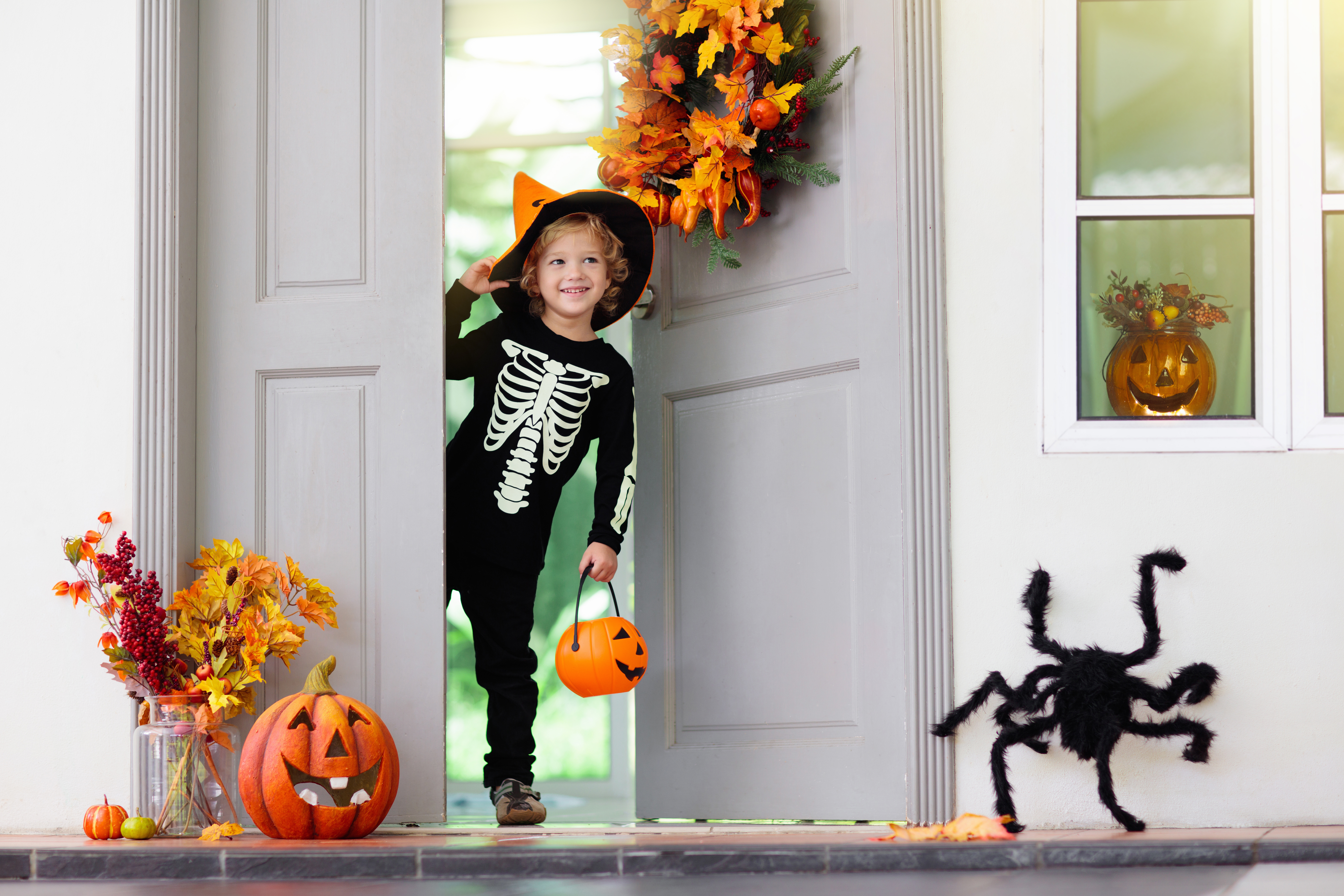
Kids trick or treat on Halloween night.

Halloween is right around the corner! Children love dressing up in costumes, trick-or-treating, and participating in all the wonderful Halloween activities teachers prepare in the classroom.

Halloween is filled with magical changes. Children put on costumes, and “change into” a princess, Spiderman, a witch, a ghost, or a character from their favorite Disney movie. We see the magical change of pumpkins into jack-o-lanterns.  

The concept of change is one of the “big ideas” we teach young learners. Babies grow and change. Bean seeds planted in the soil in little paper cups grow into bean plants. Caterpillars turn into beautiful butterflies. Small pumpkins grow into big pumpkins and pumpkins turn into jack-o-lanterns!

Halloween is also a perfect time to teach new English words and the concept of change.  

The song “Pumpkin, Pumpkin” is a fun Halloween song to do! The children experience change:

-from a pumpkin to a jack-o-lantern

-from small to big

-from a quiet voice to a loud voice

-from tiny, high voice to big, low voice

-from sitting to standing

To begin, make two paper pumpkins — a small one and a large one. Each of the pumpkins should have two sides — one plain side, and one side with a face (jack-o-lantern).  This pattern by Shala on Pinterest is helpful. Show the students the plain side of the “small” pumpkin and say “pumpkin.” Then turn it around and say “jack-o-lantern.”  Once students know these two words, put them into this simple chant:

Jack-o-Lantern Chant by Kathleen Kampa

Pumpkin, pumpkin, (turn picture around) jack-o-lantern
Happy Halloween!

Now you’re ready to expand upon the language and sing the song “Pumpkin, Pumpkin.”

Use this slide show to teach the song. The lyrics and ideas for movements are below:

Pumpkin, Pumpkin
(words adapted by Kathleen Kampa, music: traditional)

(Sit with students in a circle. Sing quietly.)

Pumpkin, pumpkin small and fat,
(With fingers, make the shape of a small pumpkin.)

Turn into a jack-o-lantern,
(Roll hands. Spread fingers out wide.)

Just like that!
(Tap two fingers on the palm of your hand as you say each word.)

(Sing the verse again!)

Spoken: Grow and grow and grow and grow
and grow and grow and grow and GROW!
(Slowly stand up while making a big pumpkin shape. Get louder!)

(Sing loudly.)

Pumpkin, pumpkin big and fat,
(While standing, make the shape of a big pumpkin with your whole body.)

Turn into a jack-o-lantern,
(Turn around. Jump into a big shape.)

JUST LIKE THAT!
(Clap and stamp on each word.)

(Sing the verse again!

Here’s a video of my Japanese students singing this song. 

Thanks to my dear friend Setsuko Toyama for creating this pdf of the song lyrics. 

“Pumpkin, Pumpkin” is one of many holiday songs featured on Kathy Kampa’s Special Days and Holidays CD available on iTunes and Apple Music. Here’s the link on Spotify. Four more Halloween songs are featured, so check out recent the blog posts.

Kathy Kampa’s Special Days and Holidays

ms kampa 12-8

I have numerous activities saved on my Halloween Pinterest board.

Thanks to my dear friend Setsuko Toyama for creating this pdf of the song lyrics. 

Let me know how your children enjoy “Pumpkin, Pumpkin.”  Happy Teaching!

Kathy

Kathy Kampa is a passionate educator of young learners. She seeks to nurture children’s imaginations and spark creativity through fun and engaging activities. Kathy believes that music and movement should be a part of every young child’s learning.

Kathy is the co-author of Magic Time, Everybody Up, Oxford Discover (ELTon winner), and Beehive (published by Oxford University Press). She has been teaching young learners in Tokyo, Japan for over 30 years. Kathy has composed educational music for Tokyo Shoseki and recorded songs for Learning World. She is active as a teacher trainer, inspiring teachers around the world. Kathy and her husband have currently returned to her home state of Minnesota in the US.

If you’re interested in more of Kathy’s work, check out her YouTube channel at Kathy Kampa and subscribe to this blog at magictimekids.com. Her second album, Jump Jump Everyone, is available on iTunes and Apple Music.

Just in case you didn’t find enough goodies here, check out this video of Kathy teaching her Japanese students the song “Pumpkin, Pumpkin” without the recording. Enjoy!

Frequency Adverbs

Yes, this is an unusual post for this blog! I have been asked by many teachers to write about the game I created to practice frequency adverbs.JM-03292016-Healthy-pranje_auta_4.jpg

The goal of this game is to practice frequency adverbs (never, sometimes, usually, always) with everyday chores. You need one dice and a set of “chore”  flashcards. The chores in Everybody Up (published by Oxford University Press) include the following: wash the car, take out the garbage, water the plants, vacuum the carpet, sweep the floor, clean the bathroom. If you don’t have chore flashcards, you can certainly make up your own list.
This game works well in groups of three to four students.

My students decided that the numbers on the dice would represent the following words or choices.

1 never
2 sometimes
3 usually
4 always
5 my choice
6 my classmate’s or teacher’s choice

Place a set of flashcards for chores (from Everybody Up, Level 3, Unit 6) in the center of the group. The first student rolls the dice, then picks a “chore card.”

dice-style-cube-with-heart-pattern_fkc9iiooIf the student rolls the number 2 (sometimes) and picks the chore card “wash the car,” the student says “I sometimes wash the car.”

If the student rolls the number 5, he/she can choose which frequency adverb to use.

If the student rolls the number 6, he/she can ask a classmate or teacher to choose which frequency adverb to use.

After each person’s turn, other students might ask if the statement is true or false. When a student says, I always make my bed, the others ask, Is it true?

To expand the practice, change the pronoun from “I” to “he“or “she.” Using these pronouns requires the use of the third person “s.” If a student rolls the number 4 (always) and picks the chore card “waters the plants,” he/she says, “She always waters the plants.”

Here’s a link to a short video of my students playing this game. I hope that you enjoy it!

Happy New Year!

Japanese Sheep
Japanese Sheep

Happy New Year! All around the globe the new year is celebrated in different ways. Here in Japan people celebrate o-shogatsu, the new year, with many special traditions. One of the important traditions seen all over the country is the celebration of the new animal for the year. This year it is the year of the sheep. Perhaps you’re familiar with the Chinese calendar of twelve different animals.

At our first class this week, we’ll begin by wishing everyone a Happy New Year 2015, the year of the sheep. I wrote a simple song to teach the year and how to spell the word “sheep.” We had fun creating a recording for you at home with our son Christian.

It’s The Year 

lyrics by Kathleen Kampa Vilina, melody (For He’s a Jolly Good Fellow/ BINGO)

sung by Christian Vilina

Intro:

Baa, baa, black sheep,

Have you any wool?

Yes, sir, yes, sir.

Three bags full.

It’s the year of the sheep.

It’s the year of the sheep.

It’s the year of the sheep.

It’s 2015!

s-h-e-e-p, s-h-e-e-p, s-h-e-e-p,

It’s the year of the sheep.

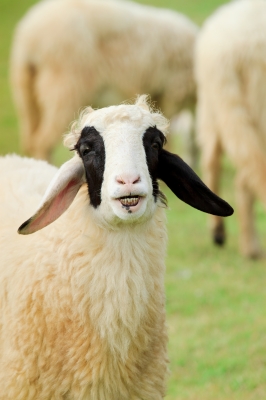
1. Show students the picture of a sheep.

 Image courtesy of TCJ2020 at FreeDigitalPhotos.net
Image courtesy of TCJ2020 at FreeDigitalPhotos.net

When they sing the word “sheep” they can make a pose like a sheep or point to the picture. If you have lively students, they might enjoy skipping or galloping during this part of the song instead.

2. On the words, “It’s 2015,” students stop moving and make the numbers 2015 with their fingers. Very young students can stop and wave their arms in the air as if saying “Hooray!”

3. Write the letters for the word “sheep” on the board. Clap the rhythm below to accompany the letters. (slow, slow, quick quick, slow)

UnknownUnknown images-1Unknown

To make it more challenging, students can pat, stamp, or snap the rhythm. My students like to clap the first time they spell “sheep,” then they pat their legs, and finally they stamp their feet. If you have instruments in your classroom, you can play this part.

4. The song ends with “It’s the year of the sheep!” Students make the sheep pose, or point to the picture.

———————————————————————————————————————-

You can also celebrate the New Year with our song, “Happy New Year!” I wrote it with our son Christian, and it is always a hit with our students. You can find it on Kathy Kampa’s Special Days and Holidays. The lyrics are easy for students to follow.

Students like to pat their legs, then clap their hands to the beat.

On the last Happy New Year, they turn around and wave their hands.

Happy New Year!

Happy New Year!  Happy New Year!

Happy New Year!  Happy New Year!

Happy New Year!  Happy New Year!

Happy New Year!  Hip hip hooray!

ms kampa 12-8

Engaging Vocabulary Activities for Young Learners

stockimages

Image courtesy of stockimages / FreeDigitalPhotos.net
Do your students enjoy learning vocabulary? It is certainly one of the first steps in learning a new language. A few simple strategies can help our students learn vocabulary meaningfully and productively.

 Presenting the new words

Picture cards can be a very effective way of introducing vocabulary. One method is to point to a picture, say the word, and ask students to repeat it. However, this is a passive approach that doesn’t motivate children to learn — and it doesn’t build their deeper thinking skills.

One approach that provides active learning and deeper thinking is as follows. Let’s assume you are introducing words from Magic Time One Unit 10, which introduces the following pets:

rabbit     dog     turtle     bird     frog     cat

Before class, attach the picture cards for this vocabulary to the board face down (with the back of the card facing the students). Explain to students that you have six pets that you want to introduce to them.

Peel back the first card to secretly look at the first pet. Turn to the students as you imitate the shape or movement of the animal (such as a hopping rabbit, the wagging tail of a dog, or a slow-moving turtle).

Some of your students may know the English word for the animal, and will call out its name. If they do so correctly, nod yes and reveal the card. If not, say the word as you do the action (for example, say frog as you jump like a frog). Then reveal the picture card. When you show the picture card, say the word twice, first pointing to the picture, then to the written word beneath it. Continue in the same way with all six cards.

Another way to do this would be to bring in stuffed animals, pulling them slowly out of a bag until students are able to identify them. You may also do a “slow reveal” of the picture card, sliding it up from behind a book until students are able to guess what it is.

The above activities allow students to tap into their prior knowledge – this will tell us what they already know. It also gets them to think about the subject of pets – as they guess the animals, their brains are thinking about which animals could possibly be pets. This simple activity then becomes a critical thinking activity that engages students far beyond memorization.

Producing the new words

In the next activity, we want to move to more productive skills – with our students actually using the language. Remember that this can take time – students need to move through the receptive stage first. However, this activity motivates them to use the language more quickly.

Let’s assume you are using the set of words from Magic Time One Unit 11, which introduces family members:

grandmother     mother     sister     grandfather     father     brother

Let’s also assume that we have taught these words using one of the activities described above. Our next goal is to get our students to produce these words while using their critical thinking skills.

Attach the family picture cards in random order across the board so that students can see the family members. Then draw a simple picture of a girl on one side of the board, and a picture of a boy on the other side. Ask students to tell you which picture cards belong on which side. This requires students to say the words (grandmother, father, etc.) as they point to them. Then attach the picture cards under the boy or girl, but not in any particular order.

photo 1

Next, invite students to pair up the family members. To do so, point to the mother card as students say mother. Move the card to the top of the board as you say “mother and . . .” Students point to the father card as they say the word father. Then place the two picture cards together on the board. Continue in the same way with sister – brother and grandmother – grandfather.

photo 2

Students can each have their own set of six picture cards, which they can make themselves, or which can be copied from the Magic Time Picture and Word Card Book. You can ask students to classify the cards at their desks, in the two ways described above. You can also ask students to classify and arrange the cards in other ways — from oldest pairs to youngest pairs, for example, or in ABC order. With other picture card sets (such as classroom items), students can arrange the items in other ways, such as from biggest to smallest.

Songs and chants

In Magic Time, we also practice vocabulary by putting the words into chants and songs. This gives students an opportunity to produce the language as they chant and sing along. It also helps students build comprehension of the words. Chants and songs make learning fun and memorable.

Predicting and producing vocabulary

Finally, for Magic Time users, the following activity is very engaging for students, allowing them to predict, think about what they know, and use the language productively. This is normally done after the chant is taught to the students:

On the first and third pages of each unit in Magic Time, students are asked to “Listen and write the number.” Normally, students listen as the narrator on the CD says, “Number One,” followed by a word. Students then write the number “1” in the white circle next to the correct picture in the large scene. This serves as an assessment to see what students know. Click on the link below to see sample pages from Magic Time One Unit 7.

MT1 U7

To make this activity more productive, first put the six picture cards on the board facing the students. Draw a white circle next to each picture card. Pause the CD, and ask students to guess what they think “Number One” will be. Each student needs to point to a picture card and say the word. Write each student’s name beside the picture cards they choose. Then listen to what the narrator says on the CD for “Number One.” Of course, students are listening very closely to see if their guess is correct. If so, they cheer! All students then write the number “1” in the correct white circle in their student books. With the CD paused, students then try to guess the second word, and so on. You can keep track of each student’s correct guesses if you wish. With a large class, this activity can be done with partners or with teams.

These are just three ways to get your students to think more deeply as they use the vocabulary words meaningfully and productively. These activities go beyond simple memorization and comprehension – they allow students to tap into their prior knowledge, to understand relationships, and to predict. They require active participation and active learning, which means happier and more engaged students.

Happy Teaching!

Kathy and Chuck