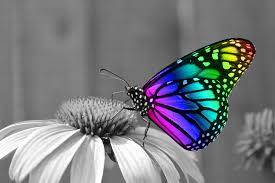
The Life Cycle of the Butterfly

Here in Minnesota, we’ve caught a glimpse of butterflies flying in our pollinator garden. It’s wonderful to see them!

You can teach your students about the butterfly life cycle in a CLIL lesson, or Content and Language Integrated Learning.  CLIL lessons link classroom content with vocabulary and grammar paradigms. We can bring the world of nature into our English lessons!

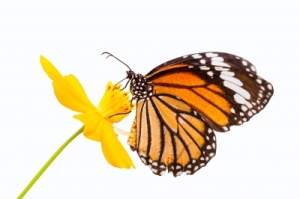
Butterfly life cycle stages illustration

Using the theory of Multiple Intelligences, you can use many ways for your students to learn. Use words to describe the pictures or puppets. Use music and follow the pattern in the chant. Move your fingers or whole body. Invite students to work together and come up with their own ideas. Notice how each part of the life cycle changes.
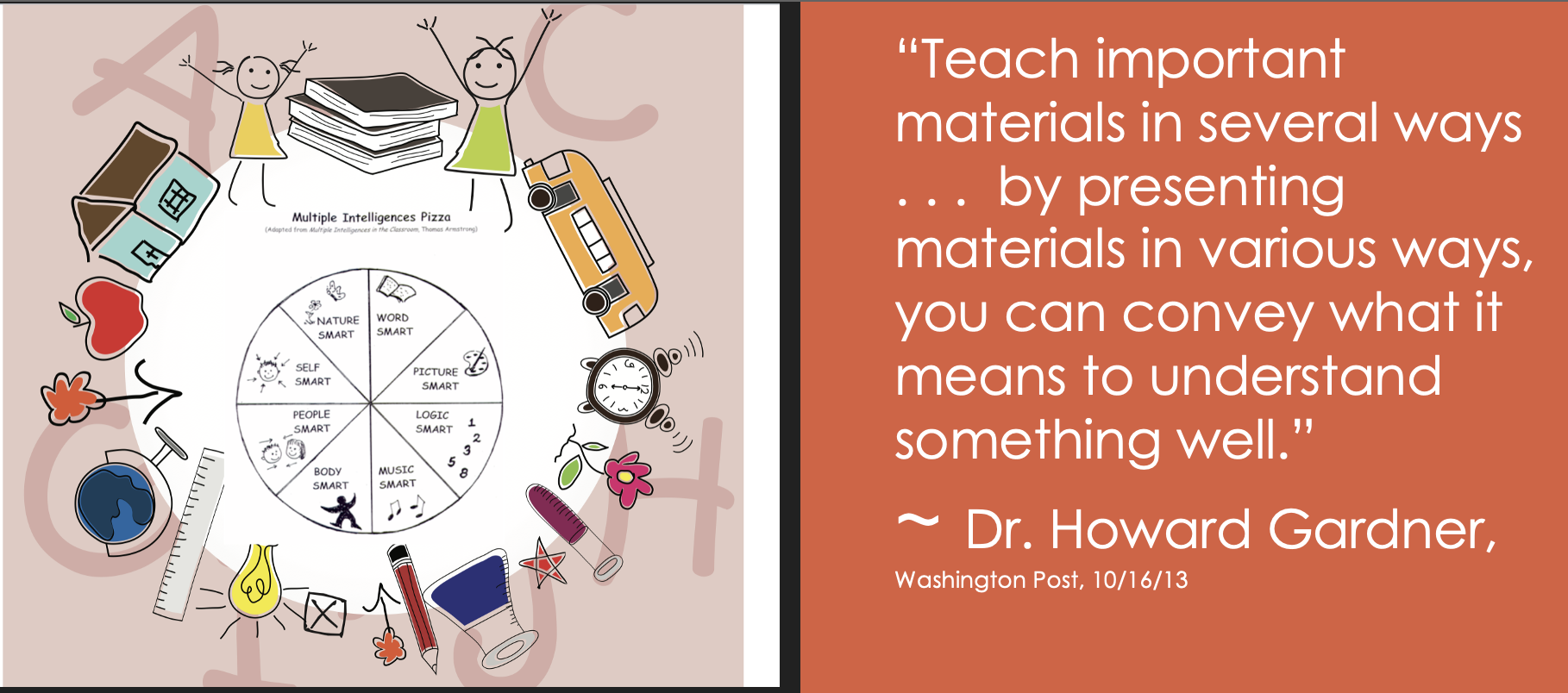
In addition, if you teach want to teach conceptually, consider the concept of “change.”  What changed in each part of the life cycle? (size, the way it moves, the way it looks, etc.)

Through this activity, students will:

 -know the names of the butterfly life cycle

create movements for each part, with their fingers, with whole body

perform a chant

recognize a life cycle 

Please refer to the illustration below as we go through the steps of the lesson.

1.  First, present the new language:

egg              caterpillar            chrysalis               butterfly

Butterfly life cycle drawings. pngYou may introduce the language using the picture card illustrations (right), or use these Google slides to show students beautiful images of the vocabulary.  It’s fun for students to find these life cycle images in the story of “The Very Hungry Caterpillar” by Eric Carle.

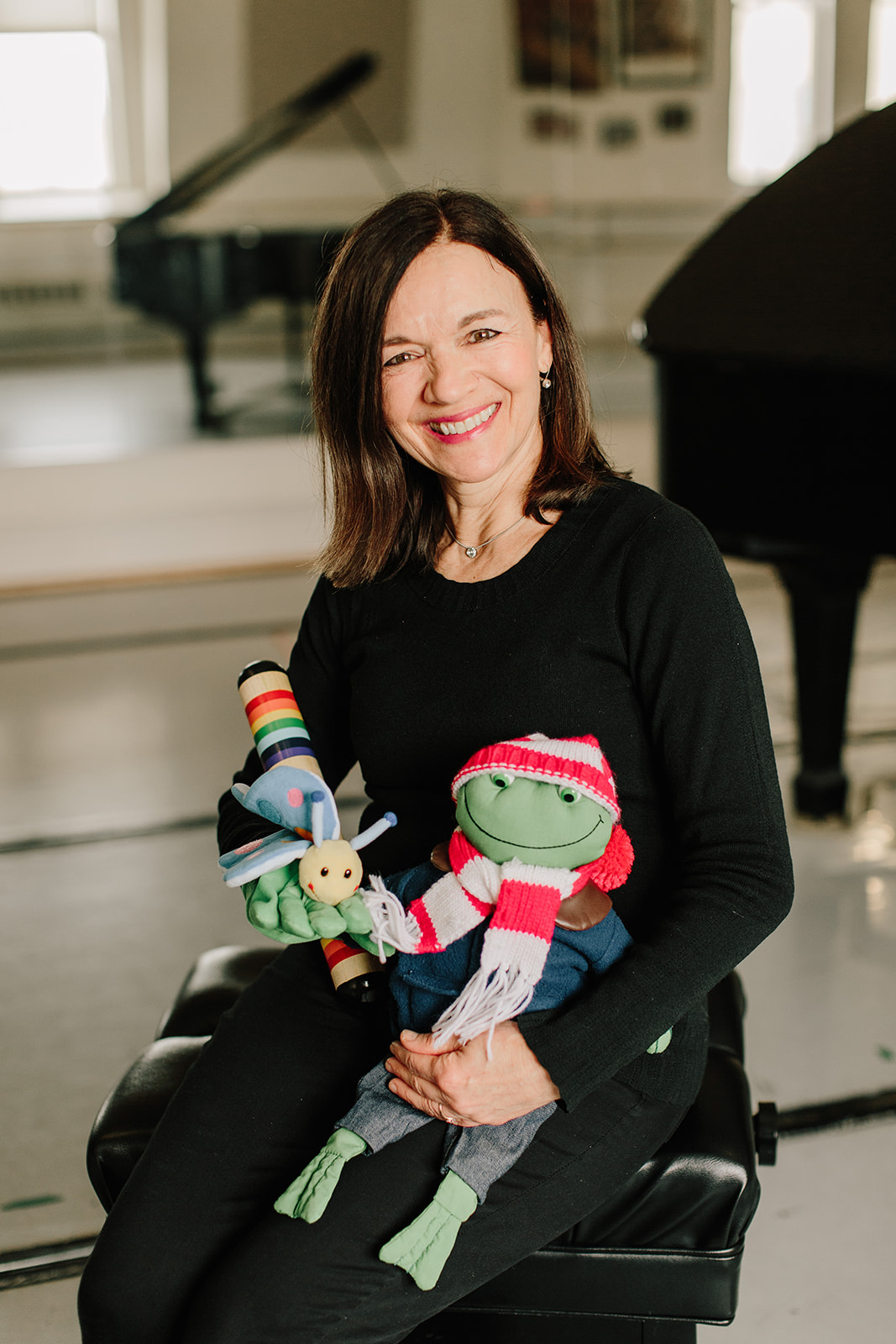
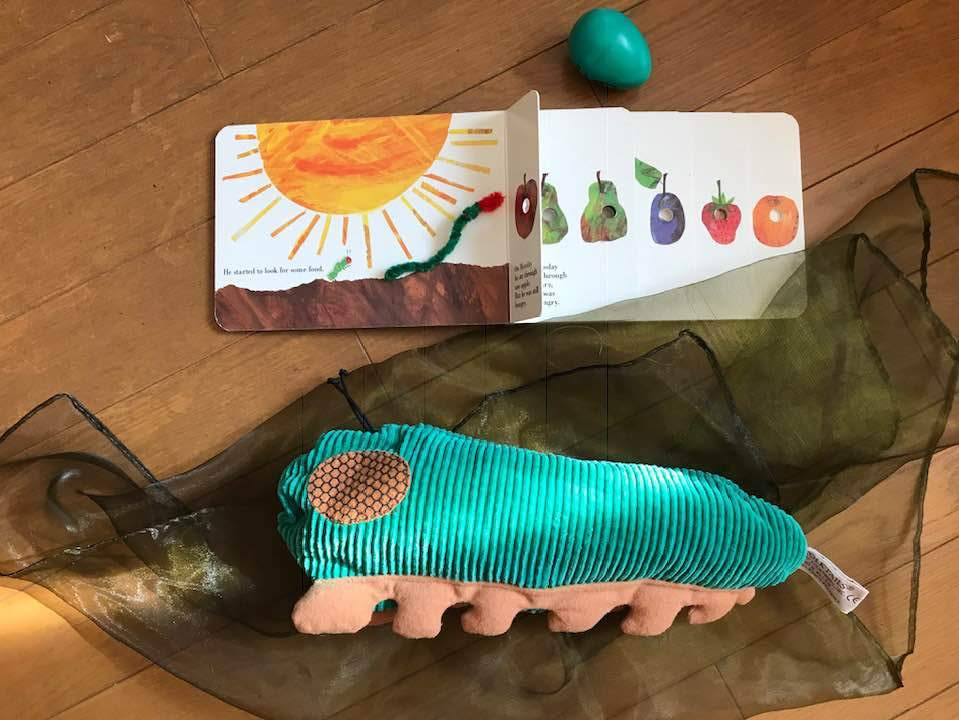
I often introduce the language with an egg shaker, a Folkmanis caterpillar puppet that changes into a butterfly, and a scarf (to be the chrysalis).  

2. Create finger shapes for each word.  The “fingerplay movements” below the illustrations will show you how, or use your imagination to create your own ideas.

3.  Say the chant using the finger movements.

 Tiny Egg Chant  (Butterfly Life Cycle Chant)

by Kathleen Kampa © 2013

Tiny egg, tiny egg  X  X  XX  X  (ch – ch- ch ch – ch)

Tiny egg, tiny egg  X  X  XX  X  (ch – ch- ch ch – ch)

Tiny egg, tiny egg  X  X  XX  X  (ch – ch- ch ch – ch)

1-2-3-4   LOOK!

Caterpillar, caterpillar X  X  XX  X  (ch – ch- ch ch – ch)

Caterpillar, caterpillar X  X  XX  X  (ch – ch- ch ch – ch)

Caterpillar, caterpillar X  X  XX  X  (ch – ch- ch ch – ch)

1-2-3-4  Look!

Chrysalis, chrysalis X  X  XX  X  (ch – ch- ch ch – ch)   (Repeat 3 times)

1-2-3-4  Look!

Butterfly, butterfly X X XX X  (ch – ch- ch ch – ch)   (Repeat 3 times)

Wait . . . .   Good-bye!

________________________Image courtesy of japanachai at FreeDigitalPhotos.net____________________
Here is a simple recording of the chant that you can use:

The professional recording can be found on Jump Jump Everyone.

4.  Finally, you can expand the activity by having students move to the chant using their whole body. Students can curl up to make tiny egg shapes, then wiggle about on their tummies as caterpillars. They can balance on one foot in a chrysalis shape. While students are balancing quietly, give each student one or two colorful scarves for butterfly wings.  Your students might enjoy moving around the room like butterflies.  I often play “Aviary” by Camille Saint-Saëns, or the Japanese song “Cho Cho.” I’ve also written a song called “Flitter Flutter Butterfly” that connects nicely with this. 

Video: Here are my young learners in Tokyo doing this chant with me.

______________________________________________________________

Through the power of CLIL, students have now experienced the life cycle of a butterfly in a meaningful, memorable way. They have embodied the vocabulary and will happily repeat this activity in future lessons.

You can transfer the idea of the butterfly life cycle to other animal life cycles, such as the frog life cycle. How does the frog change? How is this similar to the butterfly life cycle?

Let us know how this activity works in your classroom, and if you discovered any new ways to teach it!

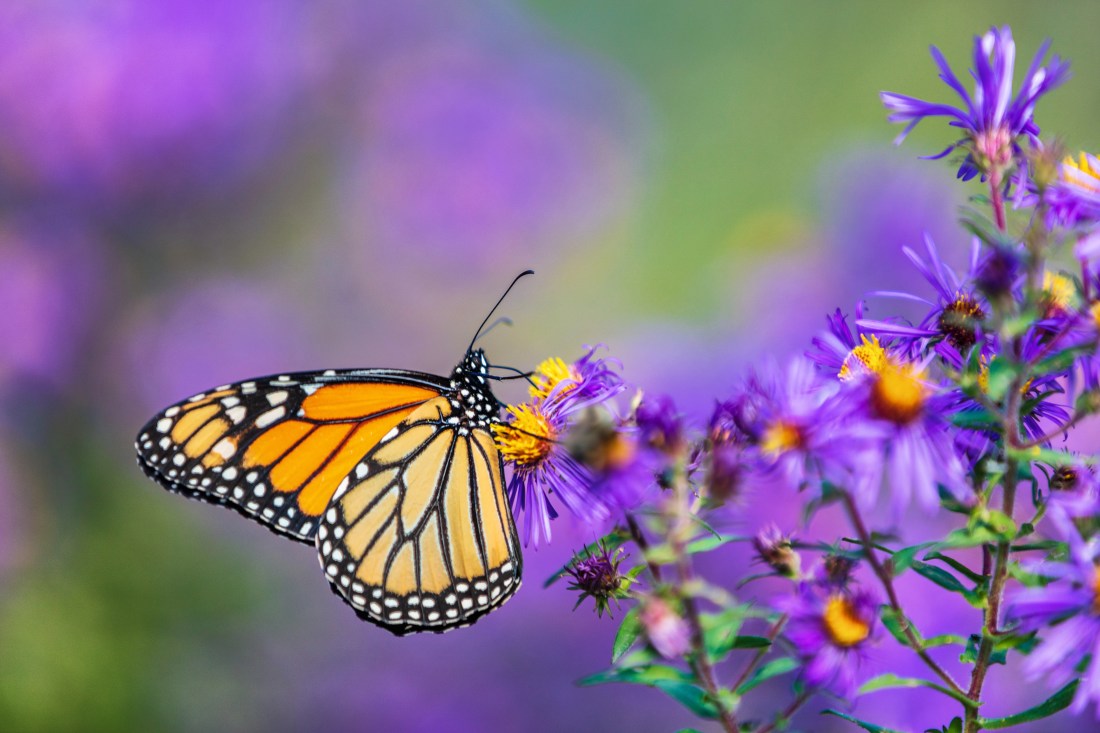
Here’s a beautiful visual of the gradual transformation. According to The Butterfly Lady, “When the Monarch caterpillar is ready to pupate it will spin a silk button, attach itself, and hang head-down in a “J” shape. The caterpillar will stay like this for around 24 hours. Shortly before the caterpillar is ready to shed their larval skin, it will straighten and the antennae will become ragged. The caterpillar wiggles to discard the skin and reveals the pupa (chrysalis).”

Inspire your students by teaching them the life cycle of the butterfly. This simple chant invites students to do fingerplay movement or use their whole body. You can find this beautiful chant by Kathy Kampa on Jump Jump Everyone.

Happy Teaching!

Kathy

Are you streaming music? Go to Spotify or Apple Music to find my music. You’ll find “Tiny Egg” and “Flitter Flutter Butterfly” on “Jump Jump Everyone.”
Jump Jump Everyone, my second album, is filled with many happy songs that have grown in my young learner classroom. The songs encourage children to move. Many songs link to classroom content. Children can dance like falling leaves, bloom like a spring flower, move through the butterfly life cycle . . . . you’ll find LOTS of fun and magic in this album.

Kathy Kampa loves to bring joy to the world through her children’s music. She is passionate about making learning engaging for young learners. You’ll find more resources on Kathy’s YouTube page.


Wiggly Little Worms

Have you ever wondered why worms surface when it rains? Worms appear everywhere!

My students have been fascinated with worms, so I created an activity where we pretend to be worms.

Follow the video to do a fingerplay or a whole-body activity.

The Little Worms

The little worms are in the mud, wiggling, wiggling, wiggling,

They push their heads up out of the mud and say, “Yippee! It’s a rainy day!”

The little worms are in the mud, wiggling, wiggling, wiggling,

They push their heads up out of the mud and cry, “Oh no! It’s a sunny day!”

Invite your students to think about other types of weather–windy, snowy, hot, cold, etc. How do you think the worms will feel?

If you want to learn more about worms:

There are multiple theories about why worms come out when it rains, including:

  • Movement: Wet soil allows worms to move more easily across the surface, which can help them find food, new habitats, or mates. They can also migrate longer distances than they could underground.
  • Survival: Worms need a moist environment to survive, and they can’t travel as fast while burrowing tunnels underground. After a rain, the soil pores and worm burrows fill with water, which allows worms to breathe through their skin.
  • Escape: The vibrations from raindrops hitting the ground can sound similar to vibrations from predators like moles, causing worms to flee to the surface for safety. Birds also take advantage of this behavior by mimicking rain to lure worms to the surface for food.
  • What can you do? If you see worms on the sidewalk after it rains, you can help them by moving them to a nearby patch of dirt or grass so they can burrow back underground more easily. 
  •  For more activities and songs for a rainy day, check out this post.
  • Go to Spotify or Apple Music to find Kathy’s music. You’ll find “Little Worms” on “Jump Jump Everyone.”Jump Jump Everyone, my second album, is filled with many happy songs that have grown in my young learner classroom. The songs encourage children to move. Many songs link to classroom content. Children can dance like falling leaves, bloom like a spring flower, move through the butterfly life cycle . . . . you’ll find LOTS of fun and magic in this album.
  • Kathy Kampa loves to bring joy to the world through her children’s music and English language books (Oxford University Press). She is passionate about making learning engaging for young learners. You’ll find more music and movement resources on Kathy’s YouTube page.

Jump! Jump!

Featured

If you teach young learners, you know that they love to move! In some classrooms, students need to move in a small space. You might have circle time with students standing on a spot. Your students might just stand beside their desks. This is a movement chant that you can do in ONE SPOT.

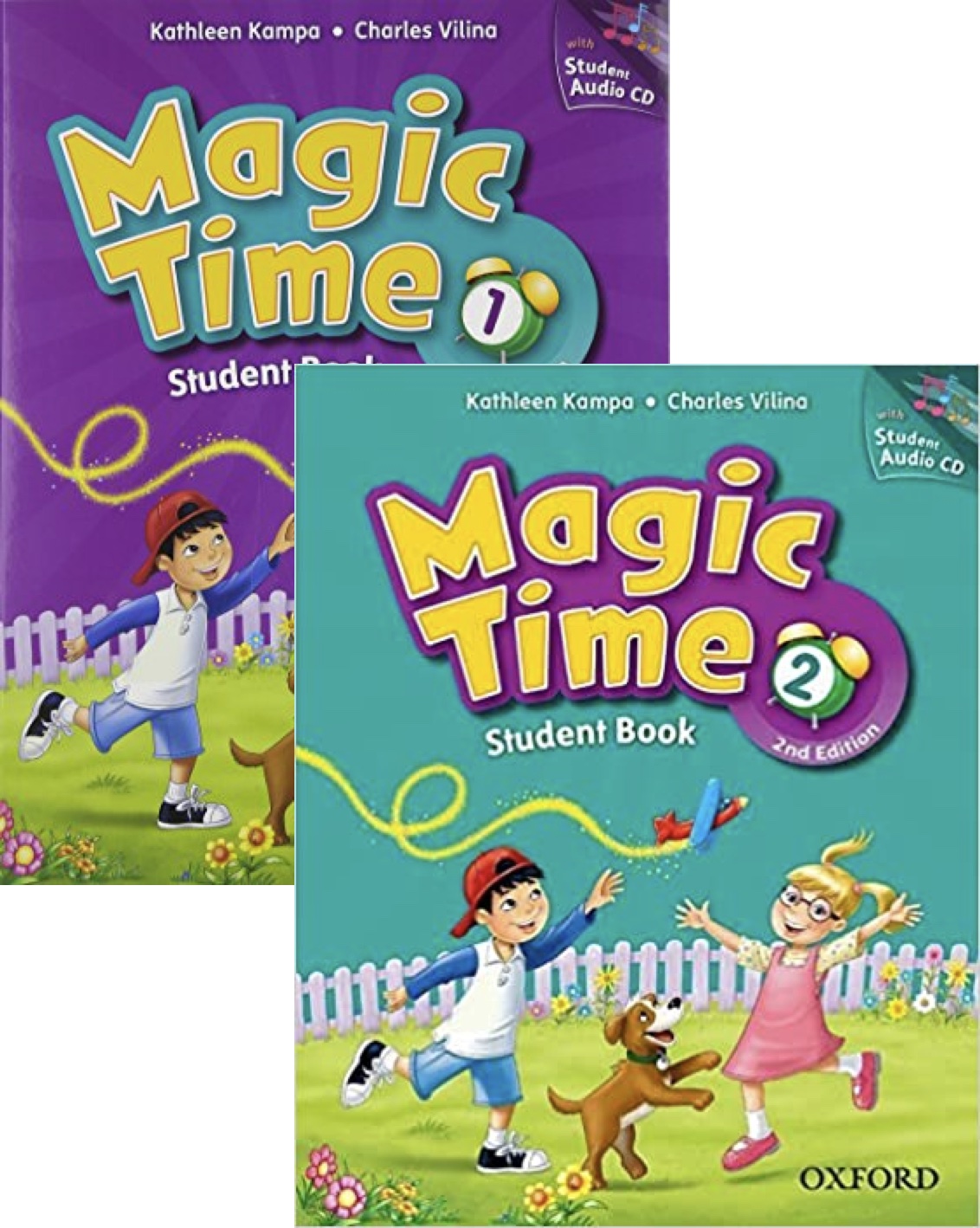
This chant comes from OUP’s Magic Time, Book One. There are just verbs–jump, run, hop, fly, stop. Once you and your students know the pattern, add your ideas. Here are some ideas: march, wiggle, twist, spin, stretch, bend, shake.

In Unit 10, students learned animal names. When they flip the page, the animals are moving. Here are the words to this simple chant.

Run, Run, Run

by Kathleen Kampa and Charles Vilina, Magic Time One

Jump! Jump! Run, run, run.

Jump! Jump! Run, run, run.

Jump! Jump! Run, run, run.

Jump! Jump! Stop!

The second time, substitute hop for the word jump.

Hop! Hop! Run, run, run. (3X)

Hop! Hop! Stop!

Last of all, substitute fly for the word hop.

Fly! Fly! Run, run, run. (3X)

Fly! Fly! Stop!

Students do all of the movements on their spot. When they say, Stop! they can make an interesting pose. Watch how my students create their own ideas.

We need to practice moving and stopping with our young learners. This develops their focus and self-control. Plus, it’s a fun activity for our little ones.

Here are my young learners in Tokyo, Japan. I placed the picture cards on the floor as a reminder of the order, similar to a rebus reading. This chant helps them practice their /r/ sound.

Songwriter Kathy Kampa is a passionate educator of young learners. She seeks to nurture children’s imaginations and spark creativity through fun and engaging activities. Kathy believes music and movement should be a part of every young child’s education.

Kathy uses a globally-minded and inquiry-based approach to teaching through which students develop 21st-century skills. She also supports the development of English language skills by creating songs, chants, and TPR/movement activities targeted to young learners’ needs. Kathy is an author and teacher-trainer with Oxford University Press. She is delighted to be teaching young learners in her hometown.

This chant comes from Magic Time 1, by Oxford University Press. Each lesson has a simple chant or song to practice the language. Many of these chants and songs invite children to move

For more fun and engaging songs that have been loved by many kids, check out these albums. Kathy’s songs for kids (Kathy Kampa’s Special Days and Holidays and Jump Jump Everyone) are available on iTunes, Spotify, and other streaming services.

Are your students ready to learn? How do you focus their attention?

Featured

If you’re starting a new school year or you’re experiencing the excitement of the end of the year, how do you get all of your students’ attention?  Teachers need to guide students to prepare for learning at different times during a class, such as:


Beginning a lesson

Moving to a new space in your classroom 

Introducing an activity

Checking in during an activity

Finishing an activity

First of all, with any strategy you use, you must practice it before you actually use it.

Secondly, the success of each strategy depends on you, your group of students, their age, and their disposition. 

Lastly, choose one or two strategies to start. Figure out what works best. When you’re ready, add a new strategy.

 1. Get attention with something that creates an interesting sound.

screen-shot-2017-03-06-at-9-29-03-pmWhat do you have readily available in your classroom?  A slide whistle is one of the most interesting sounds I have in my classroom.  If you have a big group of students, it quickly gets their attention.  Don’t have a slide whistle?  How about a shaker, a tambourine, or a kazoo?

(Check out West Music for interesting instruments.)

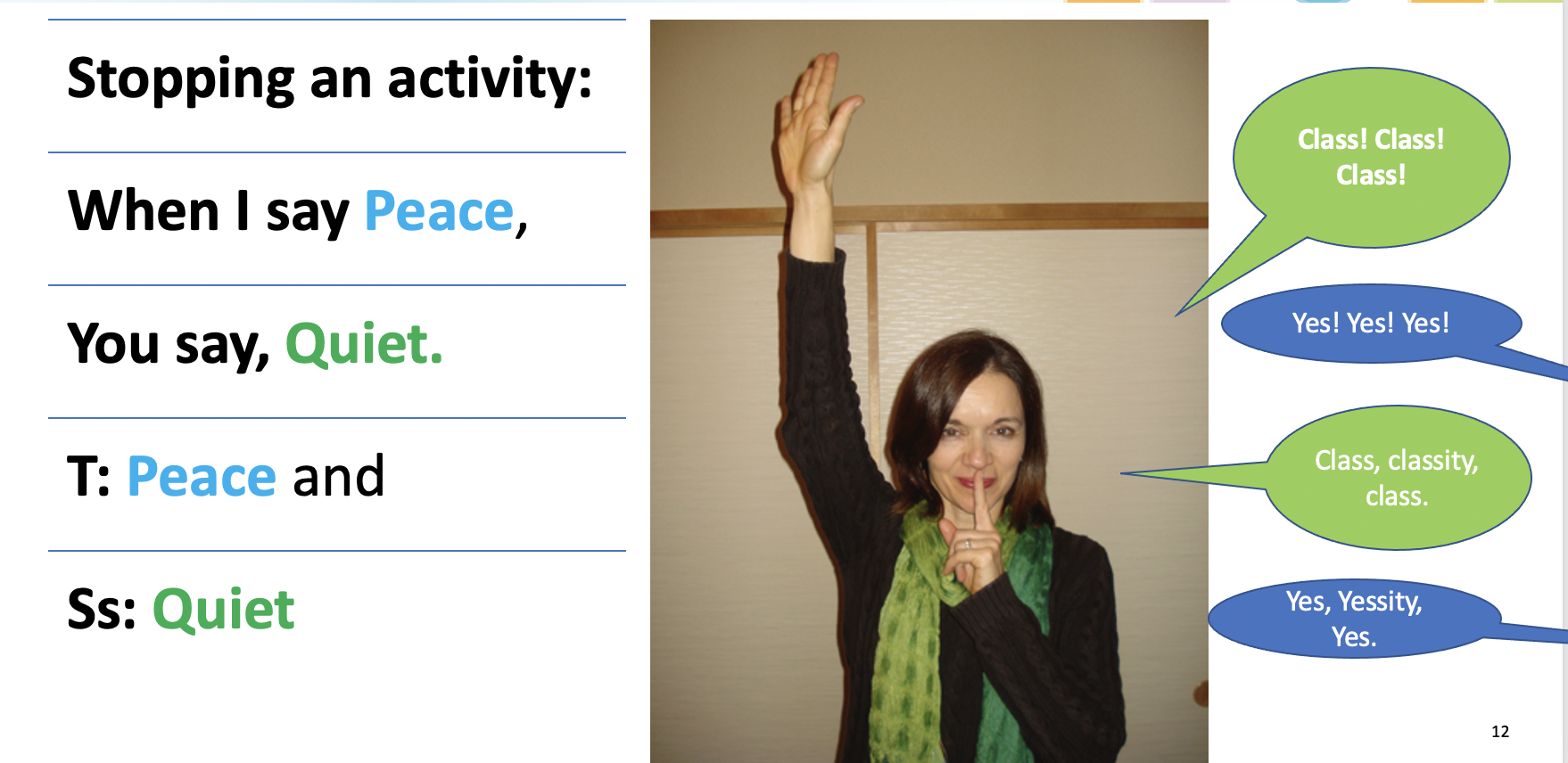
2.  Peace and Quiet

To gesture “peace” you can make a Peace sign with two fingers up. Alternatively, you can just raise your hand.

To gesture “quiet,” put your finger to your lips.

When I say, Peace, you say Quiet. Peace and Quiet.

3. Add a little rhythm and vocal expression to get attention.

Teachers at my school loved this way of getting students’ attention. Nina Septina shared this at the JALT 2023 conference.

a. Echo the same rhythm saying the word, Yes! Change the rhythm, the tempo, your voice, etc.

T: Class, class, class.                                             Echo: Yes, yes, yes!

T: Class, classity, class.                                         Echo: Yes, yessity, yes!

T: (fast) Class, class, class, class, class.             Echo: (fast) Yes, yes, yes, yes, yes.

T: (whisper) Class, class, class.                           Echo: (whisper) Yes, yes, yes!

b. Rhythm Clap (copyright © 2012 by Kathleen Kampa and Charles Vilina)

(Clap on every syllable. Students echo your clap.)

I   like    ba-na-nas.      (I   like    ba-na-nas.)

I   like   po-ta-toes.        (I   like   po-ta-toes.)

I   like   to-ma-toes.     (I   like   to-ma-toes.)

4.   How about trying some rhyming conversations?  These help your students develop phonemic awareness too!

Smiling boy posing in front of a wall

My Grade One students love “Hands on Top.”

The teacher says,  Hands on top! (put your hands on top of your head)

The students answer, That means “Stop!” (students do the same)

One, Two, Three, Eyes on Me is another rhyming conversation.

The teacher sings, “One, two, three, eyes on me.”  (so-so, mi, so-so, mi)

Hold up fingers as if you’re counting to three.  Point to yourself.

The students answer, “One, two, eyes on you!”(so, mi, so-so, mi)

Hold up fingers as if you’re counting to two.  Students point to the teacher.

My students can do “Peace and Quiet” (above) by putting two fingers in the air (peace) and one finger to their lips (quiet).

5. How about fun phrases? 

T: Peanut, peanut butter ——-Ss: JELLY.

T: Macaroni and cheese . . . Ss: everybody freeze!

T: Hocus pocus.  Ss: Everybody focus!

Check out more fun attention-getters here from Jenn at The Teacher Next Door.

6.  How about making butterfly wings? 

images-1

I love to pretend with my very young students.  Say, Let’s make butterfly wings. What color are your wings today?”  Pretend to paint each arm by gently rubbing it and naming a color.   i.e  This wing is pink, but this one is purple.

Raise and lower your arms to your sides as if you’re flying. Inhale and exhale.

7. Calm students with this breathing activity called “Candles.”

Finally, inhale while raising your arms from your sides to above your head. Put your hands together above your head, then bring them down in front of you.  Exhale when your hands are in front of your mouth.  This is an effective way to calm students after a lively activity. The teachers I worked with in Tokyo loved the way this activity quickly quieted my students.

Remember to practice your strategies first. Add new strategies little by little. Having some strategies in place will help your classes run smoothly.

If you’re looking for Class Management Songs for Kids, check out this collection on Spotify.

Kathy Kampa loves to bring joy to the world through her children’s music. She is passionate about making learning engaging for young learners. You’ll find more resources on Kathy’s YouTube page.

My Fingers Dance!

Featured

Fingerplays are a fun way to add movement to your lesson. Students can move their fingers while sitting. When you need an activity to bring the energy level down in your class, consider a fingerplay.

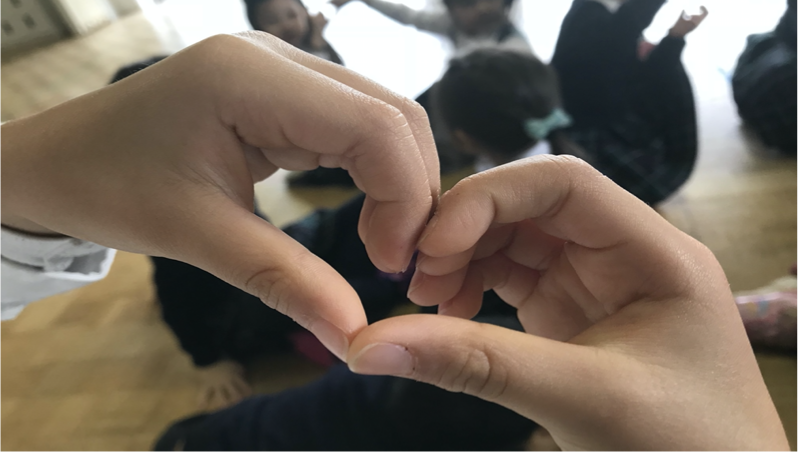
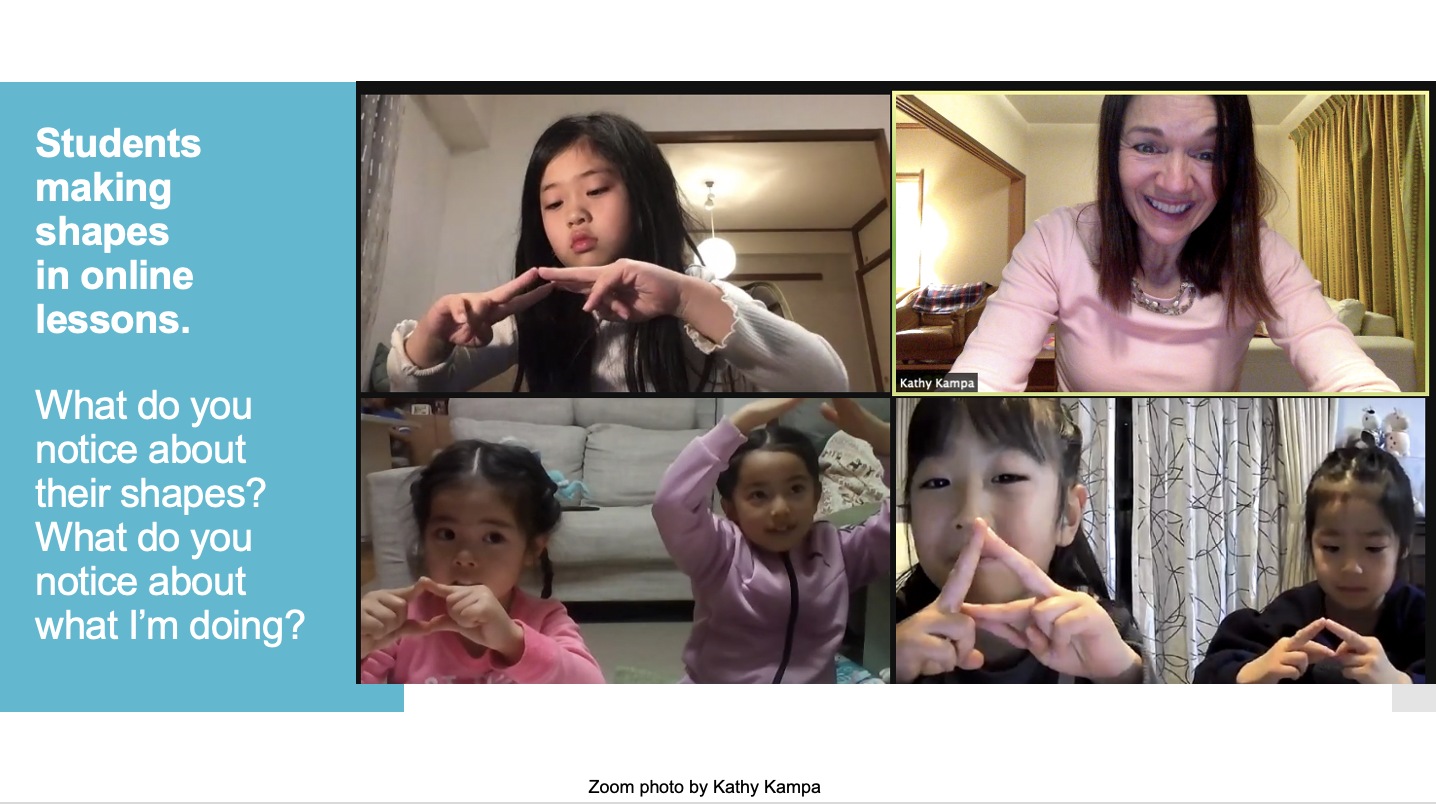
This chant teaches the heart shape (perfect for Valentine’s Day!) as well as other shapes (circle, square, rectangle, triangle, star). Notice the repetition in the phrases, which is important for young learners.

Encourage students to make shapes in different ways to nurture their creativity. Notice the great things your young learners are doing. That’s what I call CCBA–Catch Children Being Amazing!

Check out my Japanese students making shapes. Here we are studying together online. (Photos used with permission)

My students just love this chant! I hope that you do, too.

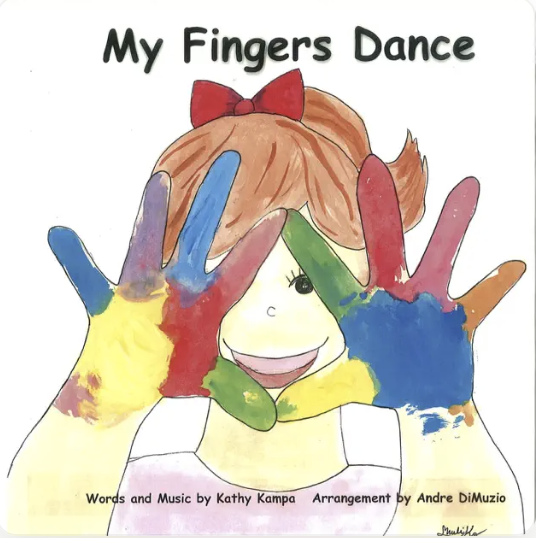
My Fingers Dance

by Kathy Kampa on Jump Jump Everyone. Available on iTunes, Spotify, and other streaming services.

My fingers, fingers, fingers, fingers, fingers dance!

My fingers, fingers, fingers, fingers, fingers dance!

Make a circle! Take a picture. Make a circle! Take a picture.

*Substitute additional shapes for “circle.”

Check out the video below for the simple motions.

This Google slide from the video provides a visual of the shapes.

The music is available on iTunes and on streaming services such as Spotify and Apple Music.

Let’s practice shapes some more!

Time for a surprise! Have students open their hands and close their eyes. Hand them one of the shapes. Use this little chant I just made.

A Big Surprise by Kathy Kampa

Open your hands and close your eyes.

Get ready for a big surprise!

My students enjoy going on a shape hunt. We focus on one shape at a time, and look for things with that shape.

Kids love using the shaped “magnifying glasses” to find shapes in everyday objects around them! You can make these darling shape finders from Amber at Apples to Applique (amber@applestoapplique.com)

Learning something in many ways is fun for young learners! As Dr. Howard Gardner pointed out in his theory of Multiple Intelligences, children can learn more successfully when using many ways to approach a topic. In this lesson, students hear words in rhythm, they move their bodies, they see shapes, and they interact together.

If you’re celebrating Valentine’s Day, students can make cards with LOTS of shapes!

Finally, if you read my last post, you’ll remember how to make a heart shape with your hands. This poem was shared with me by my colleague:

    I put my hands together.  (put the heels of your hands together)

    This is how I start.  (hold)

    I curve my fingers just like this (curve your fingers to touch each other)

    and now I have a heart.  (this should make a heart shape)

    Now, look through the heart to see each of the students in your class.

    Say, “I see you in my heart!”

Songwriter Kathy Kampa is a passionate educator of young learners. She seeks to nurture children’s imaginations and spark creativity through fun and engaging activities. Kathy believes that music and movement should be a part of every young child’s education. Kathy’s songs for kids (Kathy Kampa’s Special Days and Holidays and Jump Jump Everyone) are available on iTunes.

Kathy uses a globally-minded and inquiry-based approach to teaching through which students develop 21st-century skills. She also supports the development of English language skills by creating songs, chants, and TPR/movement activities targeted to young learners’ needs. Kathy is an author and teacher-trainer with Oxford University Press.

For more kid-tested music and movement activities, check out more music on iTunes, Spotify, and Apple Music. Kathy has produced two music CDs for very young learners, Kathy Kampa’s Special Days and Holidays and Jump Jump Everyone, which build English language skills through music and movement while nurturing creativity and imagination. Grown and loved by real kids!

Check out Kathy Kampa’s YouTube channel here.

It’s Time to Tidy Up!

Featured

Have you ever struggled to get your children or students to tidy up and clean up the things they’ve taken out? Here’s your secret tool — songs!

Even Mary Poppins knew that! Songs create seamless transitions and make cleaning up a fun, enjoyable task.

Here are some songs that you can play to make your space sparkling clean! You can find this music on iTunes, Spotify, Apple Music, and other streaming sites. Keep them handy for the next time you have a mess to clean up.

  1. Tidy Up is definitely one of my most popular songs. The lyrics are super simple. I wrote it for my Kindergarten students in Japan. The song gets faster and faster. By the time it’s finished, students should have everything cleaned up. Teachers and parents around the world have told me how much they love this song and use it regularly. Ask Alexa to play it for you! You’ll have it ready whenever you need to start tidying up. Or click the arrow below to play it the next time you’re surrounded by a mess!

2. Perhaps you know this cute song from the Barney show. Our children love to sing along!

Clean Up song

Clean up! Clean up! Everybody, everywhere.

Clean up! Clean up! Everybody do your share.

Click the arrow below to play it.

3. Sometimes you have something specific to put away — picture cards, scarves, instruments, etc. Here are some simple songs to play to collect the items.

Cards, Please lyrics by K. Kampa

T: Cards, please. Ss: Here you are!

T: Cards, please. Ss: Here you are!

T: Cards, please. Ss: Here you are!

T/S: Thank you very much!

*What other materials are you using? Instead of singing the word cards, sing a new word such as scarves.

Click the arrow below to play it. Use it in your next English class.

It’s Time to Put the Instruments Away lyrics by K. Kampa

It’s time to put the instruments away!

Oh, it’s time to put the instruments away!

Oh, we’ve had a lot of fun, and we’ve sung a lot of songs,

But, it’s time to put the instruments away.

Click the arrow below to play it. Use it when you use instruments with your class!

4. I love to celebrate our successes with the “We Did It” chant. My students launch into this chant often in my lessons. We always finish our lessons with this. Send your students off with a positive feeling!

We Did It! by Kathy Kampa

We did it! We did it! We did it today!

We did it! We did it! Hip hip hooray!

Click the arrow below to play it. Play this the next time your students do something great.

For more classroom management songs, check out Kathy’s Spotify playlist.

Songwriter Kathy Kampa is a passionate educator of young learners. She seeks to nurture children’s imaginations and spark creativity through fun and engaging activities. Kathy believes that music and movement should be a part of every young child’s education. Kathy’s songs for kids (Kathy Kampa’s Special Days and Holidays and Jump Jump Everyone) are available on iTunes.

Kathy uses a globally-minded and inquiry-based approach to teaching through which students develop 21st-century skills. She also supports the development of English language skills by creating songs, chants, and TPR/movement activities targeted to young learners’ needs.

For more kid-tested music and movement activities, check out more music on iTunes. Kathy has produced two music CDs for very young learners, Kathy Kampa’s Special Days and Holidays and Jump Jump Everyone, which build English language skills through music and movement while nurturing creativity and imagination! Grown and loved by real kids!

Secrets to Teaching Songs in Young Learner English classes

Featured

If you teach young learners, you probably use chants and songs in your class. But how do you teach them to use them most effectively?

Each song we use has different challenges and is magical in its own unique way. Your challenge is to find that unique magic and share it with your students.

Do you know the secrets to teaching songs to young learners? You'll find helpful tips here.

I’m sharing an example from my online Zoom class with English students in Japan to help you see what we did with songs. Today we’ll look at the first song in this video called She Has a Shirt, from Magic Time 2.

Let’s talk about the parts of the lesson that lead up to the first song in this video. Magic Time, Unit 6 lesson takes place in a jungle where everyone has packed their clothing for the trip. In a Magic Time lesson, students first learn the six new vocabulary words (shirt, skirt, cap, dress, jacket, sweater). I like to introduce this vocabulary by making it magical, such as using a suitcase to hide the clothing items or the picture cards. The students are surprised to see them. In the textbook, students search for the vocabulary items in the double-page spread and practice the words in a chant. In the final listening activity, I invite students to predict which number will be said. They say, “I think number one is ________,” and put their eraser on that picture in their book. Then they write the number. This continues until all six numbers have been called. This activity pushes output from an early stage. The kids love it! We play additional games, too.

In the next lesson, students add the grammar paradigm: She/ He has a _________. When I’m in a classroom with the students, I make a rebus sentence using the grammar paradigm and the picture cards.

Now that the students have practiced the vocabulary and grammar, they’re ready to sing the song. Make sure that you listen to the song before you teach it. The first time my students listen to the song, they’re looking at the images in their book. The second time we add movements. You can see the students pointing to their clothing, too. They really love the silly monkey part.

The children really loved this song. It helped them use the vocabulary naturally. What makes this work?

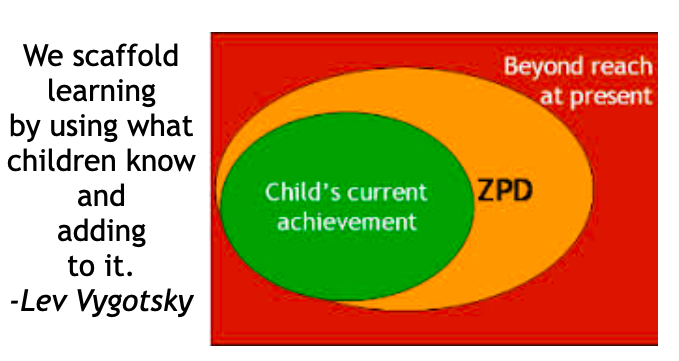
First of all, the language was gently scaffolded. Students had an achievable step. This is called the Zone of Proximal Development.

Next, the language was taught in a variety of ways. On the right, you can see the “Multiple Intelligences Pizza.” This theory was developed by Dr. Howard Gardner and adapted for the classroom by Dr. Thomas Armstrong. Some teachers have used this theory to look at students’ talents. I use it, however, for planning varied ways to teach my lesson. In our lesson, students looked at pictures (individually and in context), followed patterns, explored musical songs and chants, and moved their bodies. They learned alone and played games with their classmates. Learning like this provides repetition that is varied and engaging. When you use MI (Multiple Intelligences) strategies, you create variety in your lessons. 

Remember: Repetition, Repetition, VARIATION.

Last of all, making learning a positive experience is a very important aspect of learning. To nurture students’ imaginations and fun, use hands-on materials, including picture cards, stuffed animals, puppets, instruments, beanbags, scarves, and found items.

Songs build fluency. Games build on the language taught in class. This dice game is so much fun and builds fluency along with reading skills. You can see the children rolling the dice, adding the sight words, then reading the sentence. This activity creates some funny sentences, such as “He has a dress.” (dice pattern in MT 2 Teachers’ book). Alternatively, you can use picture cards. Students turn over one of the character cards, choosing he or she. Then the student adds “has a,” followed by another vocabulary picture card (i.e. shirt).

Just a note that before students go home, I like to play the song again. Create the chance fo students to catch SSIYH, the “song stuck in your head” phenomenon. Good songs are easy for students to repeat. Repetition helps, too. Students will sing independently and happily.

Do you have a secret to teaching songs? Let us know at magictimekids@gmail.com. We’d love to hear from you!

Kathy loves to write music for children. If you’re looking for songs for little ones, check out these two CDs, available on iTunes.

Kathy Kampa is a passionate educator of young learners. She seeks to nurture children’s imaginations and spark creativity through fun and engaging activities. Kathy believes that music and movement should be a part of every young child’s learning.

Kathy and her husband Chuck are co-authors of Magic Time, Everybody Up, Oxford Discover, and Beehive (published by Oxford University Press). They have been teaching young learners in Tokyo, Japan for 30 years. Kathy and Chuck also active as teacher trainers, inspiring teachers around the world. They have currently returned to their home state of Minnesota in the US.

If you’re interested in more of Kathy’s work, check out her YouTube channel at Kathy Kampa. Kathy has collected numerous activities to link with her here on Pinterest.

Share this:

-.

Discover the parts of a flower with this magical fingerplay

Featured

When I was living in Japan, springtime was filled with one beautiful flower after another. We could find flowering trees (especially plum and cherry blossoms), purple and blue hydrangeas, wisteria, tulips, rapeseed, azaleas, and lots of roses.

Now we’re living in Minnesota. It’s been too cold for anything to start blooming yet. Once it warms up, however, we can find gardens filled with colorful flowers–zinnias, daylilies, purple coneflowers, hollyhocks, daisies, bee balms, and more. This year we’re going to plant a pollinator garden to help the bee and butterfly population.

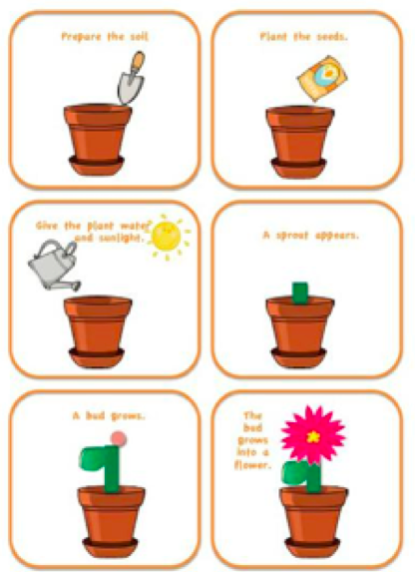
The kindergarten children at my former school learned about living things. They planted seeds and watched them grow. Look at a real plant with your students. Look at the stem, the leaves, the buds, and the flowers. Do all plants have the same types of leaves? Buds? Flowers? What do they look like? If you don’t have a real plant, you can often find a silk one at a bargain store. I like to show students a watering can, too. This graphic showing how to plant from a Garden of Goodies (Pinterest) may be helpful.

Looking at how seeds changed into a flower

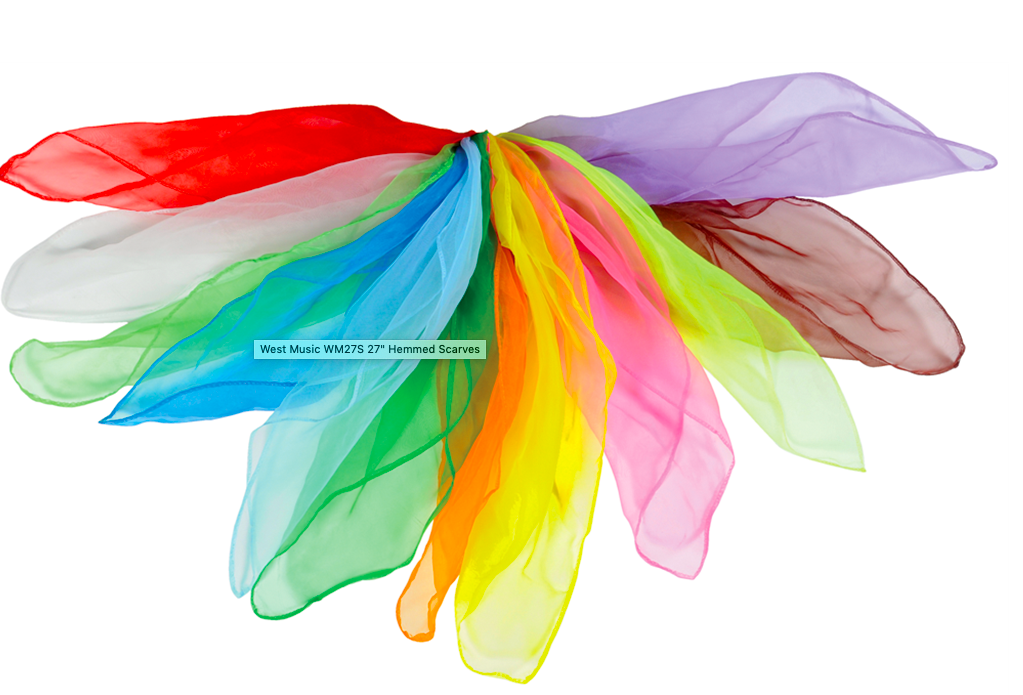
My students loved this poem called Here’s a Leaf! They would ask to do it over and over again. Yours will, too! You’ll see the magic when you try it. I use small, lightweight hemmed scarves like these. Search for “hemmed scarves” or “juggling scarves.” Check the reviews. I like mine! These scarves expand beautifully for this poem. Young children can practice naming the color, too.

Screen Shot 2020-03-19 at 16.55.57

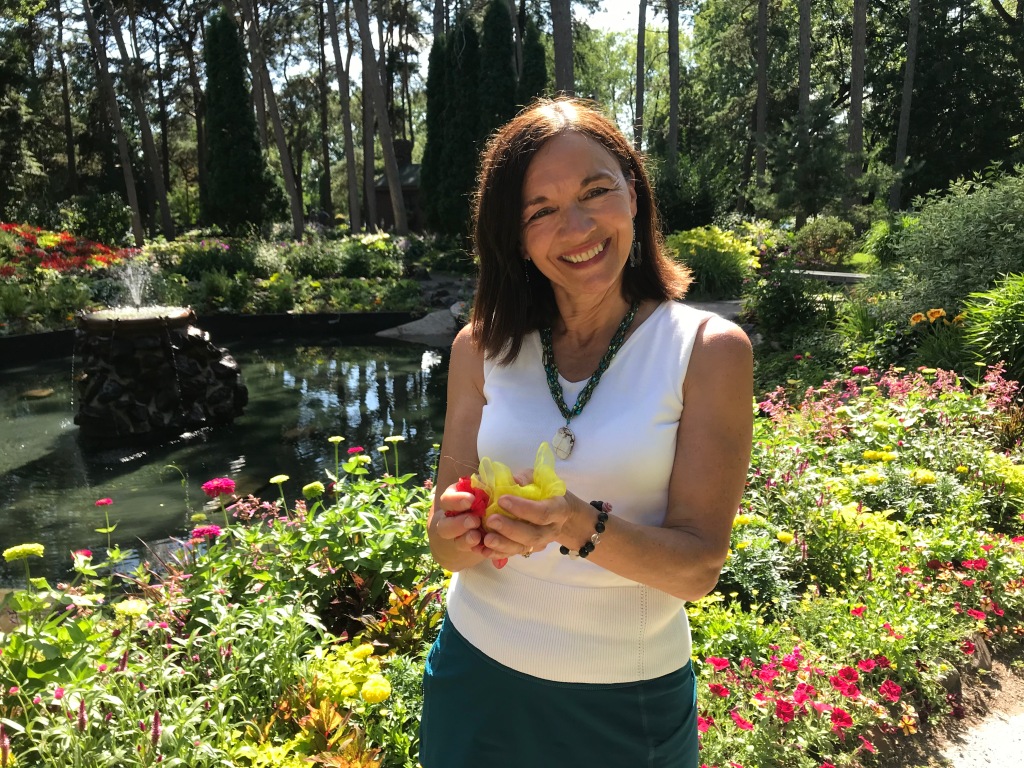
In my video, we take you to Munsinger-Clemens Gardens, one of my favorite places in St. Cloud, Minnesota. Special thanks to my son, Christian Vilina for his awesome video work.

To begin, scrunch up the scarf in your hands, so that it can’t be seen. Here’s the video to show you how you might do it.

Here’s a Leaf (also known as The Flower Poemadapted by Kathy Kampa

Available on iTunes (Jump Jump Everyone)

Children listen and answer.

Here’s a Leaf video

Do you have a scarf? (Yes!) 

Let’s scrunch up our scarves. (tsch, tsch, tsch, tsch . . . . .)

(Scrunch up the scarf in your hands so that it’s not visible.)

Is your scarf very tiny? (Yes, it is!)

Are you ready? (I’m ready!)

Let’s pretend.

Let’s plant a seed in the dirt.

(Bend down and tap the ground, pretending to plant a seed in the dirt.)

Water it!

(Pretend to water the seeds by tipping your hands.)

Watch it grow and grow and grow.

(Stand up slowly.)

Now show me your thumbs. Here we go.

Here’s a leaf, and here’s a leaf.

(Pretend that your thumbs are leaves. Wiggle one thumb, then the other.)

Count them. 1-2.

(When you count 1-2, move your thumbs up and to the side.)

Here’s a bud.

(Open your hands slightly to reveal the scrunched-up scarf.)

Here’s a flower,

(Open your hands a little more.)

blooming just for you.

(Open your hands and let the scarf ‘bloom’ like a flower.)

Hooray!

(Toss the scarf into the air!)

Let’s grab our scarves and do it again!

For more kid-tested music and movement activities, check out my music on iTunes.

Jump Jump Everyone
Kathy has produced two music CDs for very young learners, Kathy Kampa’s Special Days and Holidays and Jump Jump Everyone, which build English language skills through movement while nurturing creativity and imagination! Grown and loved by real kids!

Kathy Kampa is a teacher, author, and teacher-trainer specializing in working with young learners. As a PYP (Primary Years Program) teacher, she uses a globally-minded and inquiry-based approach to teaching through which students develop 21st-century skills. She also supports the development of English language skills by creating songs, chants, and TPR/movement activities targeted to young learners’ needs.

Kathy and her husband Charles Vilina are also co-authors of Magic Time, Everybody Up, Oxford Discover (ELTon winner), Beehive/Buzz (2022), Blue Dot (2024), all published by Oxford University Press.

Thanks again to my son Christian Vilina for his vision in creating this video.

Images: “Easter Lily” by Recherché Furnishings is licensed under CC BY 2.0

Let’s Add a Little Music and Movement

If you’re looking for activities for young learners, check out my Facebook LIVE workshop. I teach children from age 2 – 12 in Tokyo, and these activities have all been LOVED in my classrooms. The activities support English language development as well as developmental body movement.
Today’s FB LIVE (February 21, 2019) included the following: It Is Raining (focus on body parts), Little Worms (vocal expression, yoga movement, building group unity), Come and Sit In Front of Me (transitional), Tiny Egg (Butterfly Life Cycle, creative movement, connection to Eric Carle’s The Very Hungry Caterpillar), Flitter Flutter Butterfly (pronunciation practice, rhyming sounds, movement), Here’s a Leaf (seed-leaf-bud-flower), Folding Scarves (transitional), Scarves Please (Transitional), We Love Hina Matsuri (song/canon for Japanese Girls’ Day), We Did It.  You can find all of the lyrics inside the CDs. 

If you like my music, it’s available on iTunes or https://www.etjbookservice.com/…/kathy-kampas-cds-4/

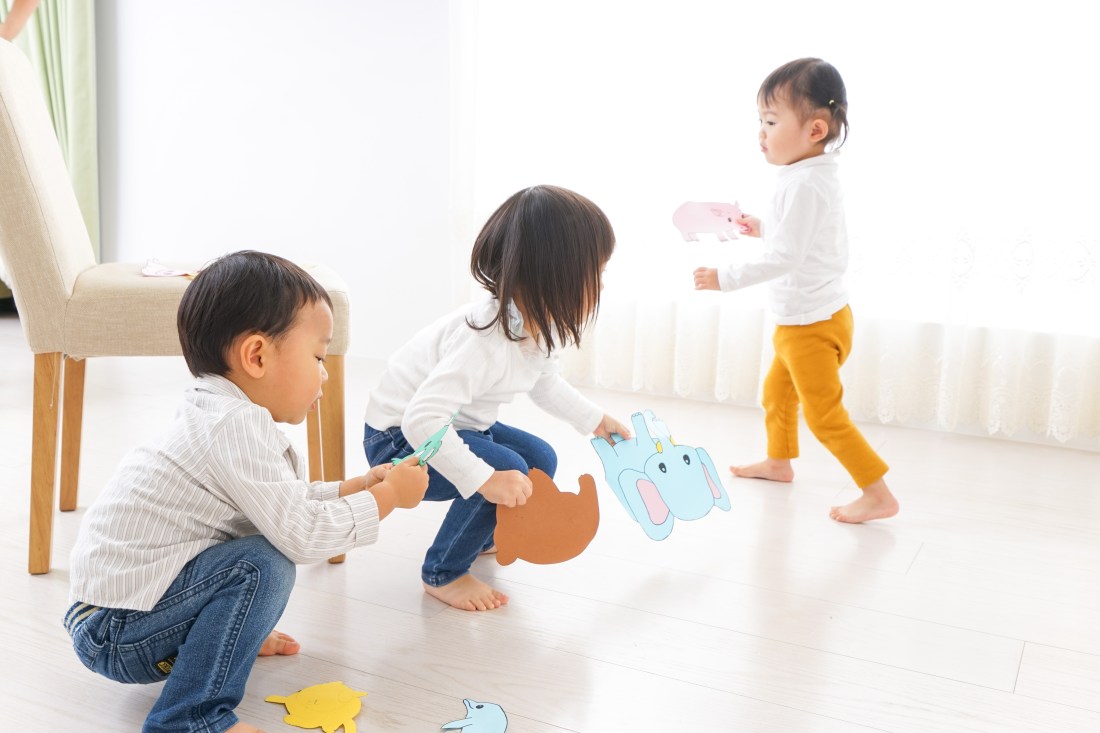
Materials for "Tiny Egg" chant
These are the materials used for the Tiny Egg chant (available on iTunes)

Kathy Kampa's Special Days and Holidays
 .     .  Children’s songs for special events for pre-school, kindergarten, and elementary students

Jump Jump Everyone
Jump! Turn into butterflies. Plant magical flowers!

Run, Run, Run!

happy kids , jumping
I teach very young learners. I love the energy that these students bring to my class!  The question is how to harness that energy productively.  This chant from Magic Time One 2nd edition (OUP) is perfect for very young learners.

In the lessons prior to this, students learned about various pets, such as cat, dog, rabbit, bird, turtle, and frog.  (Actually the artwork shows additional pets that the children find in the pictures). The four verbs in this lesson are jump, run, hop, fly.

First of all, students practice each of the four verbs–jump, run, hop, fly–standing in one place.  It’s also important for young learners to learn “Stop!”  It’s fun to make it a game by saying these verbs several times (Jump! Jump! Jump!), and then “Stop!”  You can do this with music by starting and stopping the music.  When my students, they love to make interesting poses, too.

Secondly, put these four words into the chant pattern.  I like to do this as a fingerplay sitting with the students.

For jump, place two fingers in your palm, then pretend to “jump.”

For run, make your fingers move quickly in your palm.

For hop, place one finger in your palm, then pretend to “hop.”

For fly, move your fingers in the air.

You can place the four picture cards in the order of the song like this.  Put the three verbs in one row, and run in another.

Jump           Hop                Fly

              Run

You can see in the video that my students matched the animals to the picture cards.

Run, Run, Run! from Magic Time One 2e Unit 10

Jump! Jump! Run, run, run!

Jump! Jump! Run, run, run!

Jump! Jump! Run, run, run!

Jump! Jump! Stop!

Change jump to hop.  Then change to fly.

Here’s a video of some of my very young learners performing this chant.

Students extend this language by putting it into the phrase, It can _______.  Students are then able to talk about all of the pets they’ve learned about.

Have fun!!!