Happy Valentine’s Day

Celebrate Valentine’s Day with your young learners!

What will you teach through songs and poems about Valentine’s Day?

Letters and Shapes: I love creating letter shapes and heart shapes. Students can use their fingers, arms, whole body, or even make a shape with a friend. 

For my Japanese students, the sound /v/ can be challenging. This is a perfect way to practice it.

Movement: Students can do movements in place as well as from one place to another. As young learners grow, we can help them to learn these movement skills, like marching, tiptoeing, galloping, jumping, skipping, etc. 

Working with a partner: Valentine poems and songs often invite children to face a partner and hold hands. They can talk about how they want to move together.

This poem prepares children to make a heart shape.

  1. Fingerplay: (shared by Karin Rau)

I put my hands together.  (put the heels of your hands together)

This is how I start.  (hold)

I curve my fingers just like this (curve your fingers to touch each other)

and now I have a heart.  (this should make a heart shape)

Now, look through the heart to see each of the students in your class.

Say, “I see you in my heart!”

 This little song is a favorite of my students and the teachers I work with. You might recognize the melody as “Cho Cho”  or “Lightly Row.”  It focuses on the sound /v/ for Valentine.  When the children hear the word “valentine,” they make a heart shape with their fingers, arms, or whole body.

2. Be My Valentine words by Kathy Kampa

from Kathy Kampa’s Special Days and Holidays CD

I like you. You like me. Will you be my Valentine?

I like you. You like me. Be my Valentine.

[v] [v] Valentine!

[v] [v] Valentine!

I like you. You like me.

Be my Valentine.

Here’s a video link to give you some ideas of how to move to the song.  Special thanks to my nieces Brooke and Shannon for helping out. They were quite little when we made this video. Enjoy!

This next Valentine’s Day song is called “I’m Your Friend,” from my album Jump Jump Everyone. This song invites students to move in various ways, such as skipping, jumping, walking, and even skating! Developing gross motor skills is important for young learners. 

Many songs for young learners use rhyming schemes to build language skills. You’ll hear mine, nine, and Valentine as rhyming words.

You can sing this with small or large classes.  Here are the lyrics to the song.

3. I’m Your Friend words and music by Kathy Kampa

From Jump Jump Everyone CD

Chorus:

I’m your friend. You are mine.

Will you be my Valentine?

I’m your friend. You are mine.

Will you be my Valentine?

Let’s walk.

  1. Walk, walk, walk with me. Walking, walking, 1-2-3,

4-5-6, 7-8-9,  Will you be my Valentine?

*repeat with skip, jump, slide, skate, dance

With a small group, it’s easy to have all of the students join hands in a circle.

.Here’s a video clip of one of my Magic Time classes in Tokyo singing “I’m Your Friend.” 

Try these variations!

 -Dance with a partner. Face a partner for the chorus. On the verses, hold hands and dance together around the circle.

-Stop and clap during the counting section:  4-5-6 clap to one side; 7-8-9 clap to the other side

-Make small heart shapes with hands and big heart shapes with arms.

Need an art activity?

I love to add art activities to my Valentine’s Day lessons. Here are some fun ideas I’ve collected on Pinterest.

Here is an activity from Denmark. You can weave these hearts with paper, too.

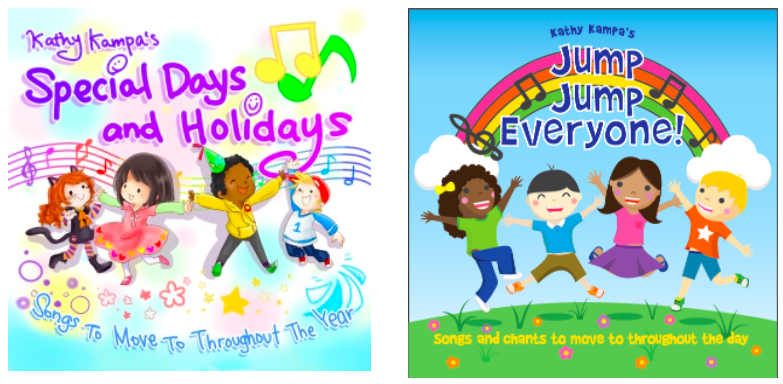
To find the songs in this post, check out my CDs Kathy Kampa’s Special Days and Holidays and Jump Jump Everyone.

on iTunes.

You can also find my music at https://www.etjbookservice.com/product-category/songs-chants-3/kathy-kampas-cds-4/
Kathy Kampa's Special Days and Holidays
 Mimi CD cover 2015-10-12 at 1.04.43 AM
Celebrate Valentine's Day with these engaging activities for young learners

Kathy Kampa is a teacher, author, and teacher-trainer who specializes in working with young learners. As a former PYP (Primary Years Program) teacher in Tokyo, Japan, she uses a globally-minded and inquiry-based approach to teaching through which students develop 21st-century skills. She also supports the development of English language skills by creating songs, chants, and TPR/movement activities targeted to young learners’ needs.

Kathy and her husband Charles Vilina are also co-authors of Magic TimeEverybody Up, the ELTon award-winning course Oxford Discover, and Beehive, all published by Oxford University Press.
Pumpkins and Jack-o-lanterns!

Kids trick or treat on Halloween night.

Halloween is right around the corner! Children love dressing up in costumes, trick-or-treating, and participating in all the wonderful Halloween activities teachers prepare in the classroom.

Halloween is filled with magical changes. Children put on costumes, and “change into” a princess, Spiderman, a witch, a ghost, or a character from their favorite Disney movie. We see the magical change of pumpkins into jack-o-lanterns.  

The concept of change is one of the “big ideas” we teach young learners. Babies grow and change. Bean seeds planted in the soil in little paper cups grow into bean plants. Caterpillars turn into beautiful butterflies. Small pumpkins grow into big pumpkins and pumpkins turn into jack-o-lanterns!

Halloween is also a perfect time to teach new English words and the concept of change.  

The song “Pumpkin, Pumpkin” is a fun Halloween song to do! The children experience change:

-from a pumpkin to a jack-o-lantern

-from small to big

-from a quiet voice to a loud voice

-from tiny, high voice to big, low voice

-from sitting to standing

To begin, make two paper pumpkins — a small one and a large one. Each of the pumpkins should have two sides — one plain side, and one side with a face (jack-o-lantern).  This pattern by Shala on Pinterest is helpful. Show the students the plain side of the “small” pumpkin and say “pumpkin.” Then turn it around and say “jack-o-lantern.”  Once students know these two words, put them into this simple chant:

Jack-o-Lantern Chant by Kathleen Kampa

Pumpkin, pumpkin, (turn picture around) jack-o-lantern
Happy Halloween!

Now you’re ready to expand upon the language and sing the song “Pumpkin, Pumpkin.”

Use this slide show to teach the song. The lyrics and ideas for movements are below:

Pumpkin, Pumpkin
(words adapted by Kathleen Kampa, music: traditional)

(Sit with students in a circle. Sing quietly.)

Pumpkin, pumpkin small and fat,
(With fingers, make the shape of a small pumpkin.)

Turn into a jack-o-lantern,
(Roll hands. Spread fingers out wide.)

Just like that!
(Tap two fingers on the palm of your hand as you say each word.)

(Sing the verse again!)

Spoken: Grow and grow and grow and grow
and grow and grow and grow and GROW!
(Slowly stand up while making a big pumpkin shape. Get louder!)

(Sing loudly.)

Pumpkin, pumpkin big and fat,
(While standing, make the shape of a big pumpkin with your whole body.)

Turn into a jack-o-lantern,
(Turn around. Jump into a big shape.)

JUST LIKE THAT!
(Clap and stamp on each word.)

(Sing the verse again!

Here’s a video of my Japanese students singing this song. 

Thanks to my dear friend Setsuko Toyama for creating this pdf of the song lyrics. 

“Pumpkin, Pumpkin” is one of many holiday songs featured on Kathy Kampa’s Special Days and Holidays CD available on iTunes and Apple Music. Here’s the link on Spotify. Four more Halloween songs are featured, so check out recent the blog posts.

Kathy Kampa’s Special Days and Holidays

ms kampa 12-8

I have numerous activities saved on my Halloween Pinterest board.

Thanks to my dear friend Setsuko Toyama for creating this pdf of the song lyrics. 

Let me know how your children enjoy “Pumpkin, Pumpkin.”  Happy Teaching!

Kathy

Kathy Kampa is a passionate educator of young learners. She seeks to nurture children’s imaginations and spark creativity through fun and engaging activities. Kathy believes that music and movement should be a part of every young child’s learning.

Kathy is the co-author of Magic Time, Everybody Up, Oxford Discover (ELTon winner), and Beehive (published by Oxford University Press). She has been teaching young learners in Tokyo, Japan for over 30 years. Kathy has composed educational music for Tokyo Shoseki and recorded songs for Learning World. She is active as a teacher trainer, inspiring teachers around the world. Kathy and her husband have currently returned to her home state of Minnesota in the US.

If you’re interested in more of Kathy’s work, check out her YouTube channel at Kathy Kampa and subscribe to this blog at magictimekids.com. Her second album, Jump Jump Everyone, is available on iTunes and Apple Music.

Just in case you didn’t find enough goodies here, check out this video of Kathy teaching her Japanese students the song “Pumpkin, Pumpkin” without the recording. Enjoy!

Secrets to Teaching Songs in Young Learner English classes

If you teach young learners, you probably use chants and songs in your class. But how do you teach them to use them most effectively?

Each song we use has different challenges and is magical in its own unique way. Your challenge is to find that unique magic and share it with your students.

Do you know the secrets to teaching songs to young learners? You'll find helpful tips here.

I’m sharing an example from my online Zoom class with English students in Japan to help you see what we did with songs. Today we’ll look at the first song in this video called She Has a Shirt, from Magic Time 2.

Let’s talk about the parts of the lesson that lead up to the first song in this video. Magic Time, Unit 6 lesson takes place in a jungle where everyone has packed their clothing for the trip. In a Magic Time lesson, students first learn the six new vocabulary words (shirt, skirt, cap, dress, jacket, sweater). I like to introduce this vocabulary by making it magical, such as using a suitcase to hide the clothing items or the picture cards. The students are surprised to see them. In the textbook, students search for the vocabulary items in the double-page spread and practice the words in a chant. In the final listening activity, I invite students to predict which number will be said. They say, “I think number one is ________,” and put their eraser on that picture in their book. Then they write the number. This continues until all six numbers have been called. This activity pushes output from an early stage. The kids love it! We play additional games, too.

In the next lesson, students add the grammar paradigm: She/ He has a _________. When I’m in a classroom with the students, I make a rebus sentence using the grammar paradigm and the picture cards.

Now that the students have practiced the vocabulary and grammar, they’re ready to sing the song. Make sure that you listen to the song before you teach it. The first time my students listen to the song, they’re looking at the images in their book. The second time we add movements. You can see the students pointing to their clothing, too. They really love the silly monkey part.

The children really loved this song. It helped them use the vocabulary naturally. What makes this work?

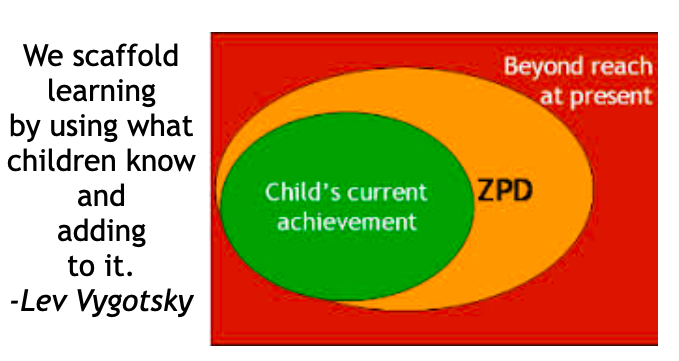
First of all, the language was gently scaffolded. Students had an achievable step. This is called the Zone of Proximal Development.

Next, the language was taught in a variety of ways. On the right, you can see the “Multiple Intelligences Pizza.” This theory was developed by Dr. Howard Gardner and adapted for the classroom by Dr. Thomas Armstrong. Some teachers have used this theory to look at students’ talents. I use it, however, for planning varied ways to teach my lesson. In our lesson, students looked at pictures (individually and in context), followed patterns, explored musical songs and chants, and moved their bodies. They learned alone and played games with their classmates. Learning like this provides repetition that is varied and engaging. When you use MI (Multiple Intelligences) strategies, you create variety in your lessons. 

Remember: Repetition, Repetition, VARIATION.

Last of all, making learning a positive experience is a very important aspect of learning. To nurture students’ imaginations and fun, use hands-on materials, including picture cards, stuffed animals, puppets, instruments, beanbags, scarves, and found items.

Songs build fluency. Games build on the language taught in class. This dice game is so much fun and builds fluency along with reading skills. You can see the children rolling the dice, adding the sight words, then reading the sentence. This activity creates some funny sentences, such as “He has a dress.” (dice pattern in MT 2 Teachers’ book). Alternatively, you can use picture cards. Students turn over one of the character cards, choosing he or she. Then the student adds “has a,” followed by another vocabulary picture card (i.e. shirt).

Just a note that before students go home, I like to play the song again. Create the chance fo students to catch SSIYH, the “song stuck in your head” phenomenon. Good songs are easy for students to repeat. Repetition helps, too. Students will sing independently and happily.

Do you have a secret to teaching songs? Let us know at magictimekids@gmail.com. We’d love to hear from you!

Kathy loves to write music for children. If you’re looking for songs for little ones, check out these two CDs, available on iTunes.

Kathy Kampa is a passionate educator of young learners. She seeks to nurture children’s imaginations and spark creativity through fun and engaging activities. Kathy believes that music and movement should be a part of every young child’s learning.

Kathy and her husband Chuck are co-authors of Magic Time, Everybody Up, Oxford Discover, and Beehive (published by Oxford University Press). They have been teaching young learners in Tokyo, Japan for 30 years. Kathy and Chuck also active as teacher trainers, inspiring teachers around the world. They have currently returned to their home state of Minnesota in the US.

If you’re interested in more of Kathy’s work, check out her YouTube channel at Kathy Kampa. Kathy has collected numerous activities to link with her here on Pinterest.

Share this:

-.

It’s The Year of the Tiger

It’s time to celebrate the Chinese New Year! We welcome the year of the tiger.

Let’s learn a song to celebrate! We’ll learn parts of the song first by making simple movements. Then we’ll put them together.

  1. How can we move like a tiger standing in our space?

Make a movement while we say ti-ger. You could move your hands like paws. Change your expression

2. How can you show two thousand twenty-two or twenty twenty-two using your fingers? You could draw numbers in the air, or hold up your fingers (2-0-2-2).

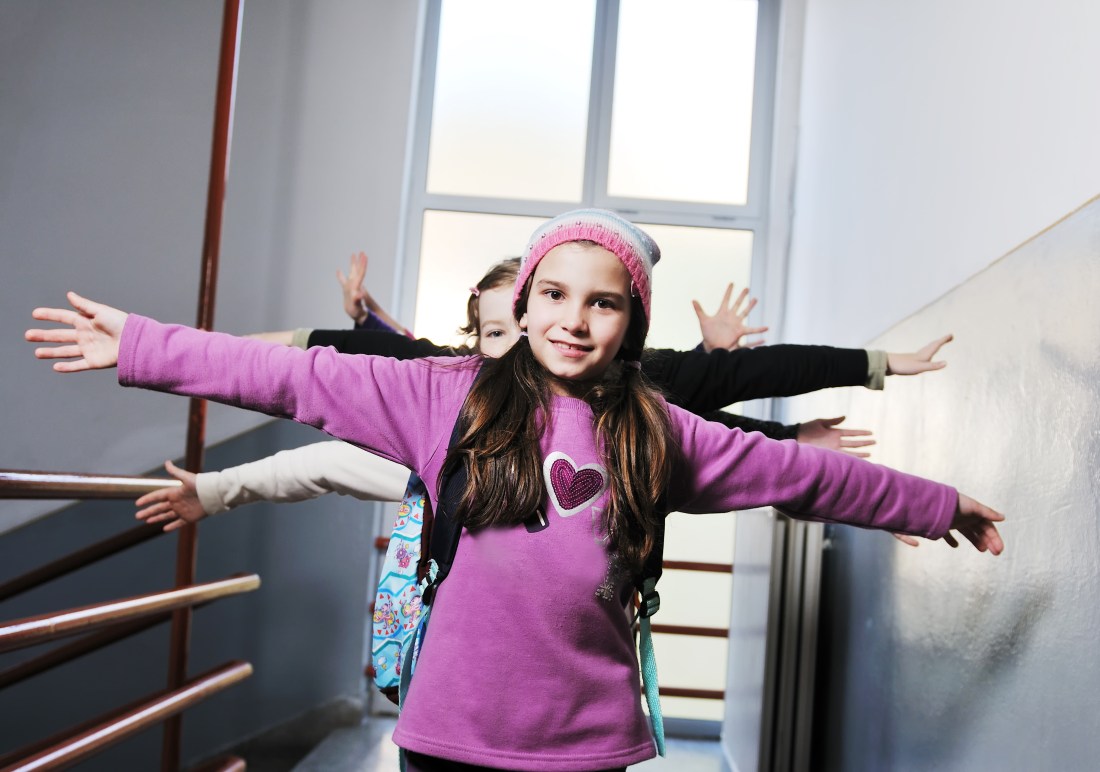
3. Last of all, let’s spell the word tiger. How can you make each letter using your fingers? Try making the letters with your arms or even your whole body. Which way do you like to make these letters the best? If you’re making letters, take time to make them.

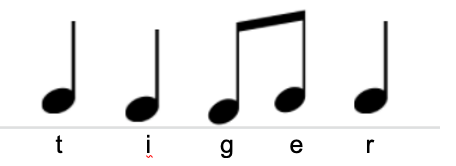
Or you can clap, pat, stamp, or snap the rhythm when you spell tiger. This rhythm repeats three times, so you could choose a different type of sound each time.

  • It’s the Year of the Tiger by Kathy Kampa
  • Part 1: (melody: For He’s a Jolly Good Fellow) It’s the year of the tiger. It’s the year of the tiger. It’s the year of tiger. It’s 2022!
  • Part 2: (melody: BINGO) t-i-g-e-r, t-i-g-e-r, t-i-g-e-r, It’s the year of the tiger!

Here’s a video of my Zoom Magic Time English class. We always do music and movement during our class. Together, we created these movements. These students really enjoyed making the letter shapes. You can find videos from my classes and specially prepared videos on my YouTube Channel (Kathy Kampa).                                

My online Magic Time class singing It’s the Year of the Tiger

I change this song annually, so you won’t find it on my CDs. I create a new version for you each year! You can, however, find my lively song “Happy New Year” on Kathy Kampa’s Special Days and Holidays (available on iTunes).

Check out my music as a download on iTunes or order a CD complete with lyrics.

The songs on Kathy Kampa’s Special Days and Holidays celebrate various special moments throughout the year–the New Year, Valentine’s Day, Girls’ Day, Easter, Halloween, Thanksgiving, Christmas, plus birthdays and a loose tooth!

Run, Run, Run!

happy kids , jumping
I teach very young learners. I love the energy that these students bring to my class!  The question is how to harness that energy productively.  This chant from Magic Time One 2nd edition (OUP) is perfect for very young learners.

In the lessons prior to this, students learned about various pets, such as cat, dog, rabbit, bird, turtle, and frog.  (Actually the artwork shows additional pets that the children find in the pictures). The four verbs in this lesson are jump, run, hop, fly.

First of all, students practice each of the four verbs–jump, run, hop, fly–standing in one place.  It’s also important for young learners to learn “Stop!”  It’s fun to make it a game by saying these verbs several times (Jump! Jump! Jump!), and then “Stop!”  You can do this with music by starting and stopping the music.  When my students, they love to make interesting poses, too.

Secondly, put these four words into the chant pattern.  I like to do this as a fingerplay sitting with the students.

For jump, place two fingers in your palm, then pretend to “jump.”

For run, make your fingers move quickly in your palm.

For hop, place one finger in your palm, then pretend to “hop.”

For fly, move your fingers in the air.

You can place the four picture cards in the order of the song like this.  Put the three verbs in one row, and run in another.

Jump           Hop                Fly

              Run

You can see in the video that my students matched the animals to the picture cards.

Run, Run, Run! from Magic Time One 2e Unit 10

Jump! Jump! Run, run, run!

Jump! Jump! Run, run, run!

Jump! Jump! Run, run, run!

Jump! Jump! Stop!

Change jump to hop.  Then change to fly.

Here’s a video of some of my very young learners performing this chant.

Students extend this language by putting it into the phrase, It can _______.  Students are then able to talk about all of the pets they’ve learned about.

Have fun!!!

What Day Is It?

happy children group in school
Students love to make letter shapes with their bodies.

Learning the names of the days of the week in English can be tricky.  For many of us, we teach our English class on the same day each week.  This song “What Day Is It?” is a fun way to practice the days of the week.

First of all, write a letter on the board or show a picture card.  Model making that letter with your fingers, arms, or whole body.  Make the letter so that students are able to read it. You might imagine how that letter would look when you write it on your whiteboard. Students will be able to “read” your letter. Invite students to make letters with you.  They might even make letters with the entire class! Try making letters in many different ways.

We started at the beginning of the alphabet.  Students made  A, a, and B, b (see B below).  In Magic Time (Oxford University Press) students have fun making letter shapes to learn the letter name and its sound.

Now write the names of the days of the week.  Run your finger under the word as you say it (Sunday). Point out the first letter. Encourage students to make that letter with their bodies in several ways.  Remind students that days of the week begin with capital letters. As you can see, sometimes the letters appear flipped around to us.  The important idea is that students are making the letter shapes.

I love to catch my students making their amazing letters by taking photos. Remember CCBA (Catch Children Being Amazing!)

Pass out the “days of the week” cards, one to each student. Students line up in order around the circle starting with Sunday.  Students make the initial letter shape as they sing  each day of the week.  When they sing “Tra la la la la” add a group movement, such as pat your knees, clap your own hands, clap your “neighbor’s” hands.

What Day Is It? 

from Magic Time Two, Unit 8, Use the Words

What day is it?

Today is Sunday.

Today is Sunday.

Today is Sunday.

Tra la la la la.

*repeat with the remaining days of the week

Here are some of my students demonstrating this song.  Come and join them!


Santa’s Cookies and Milk

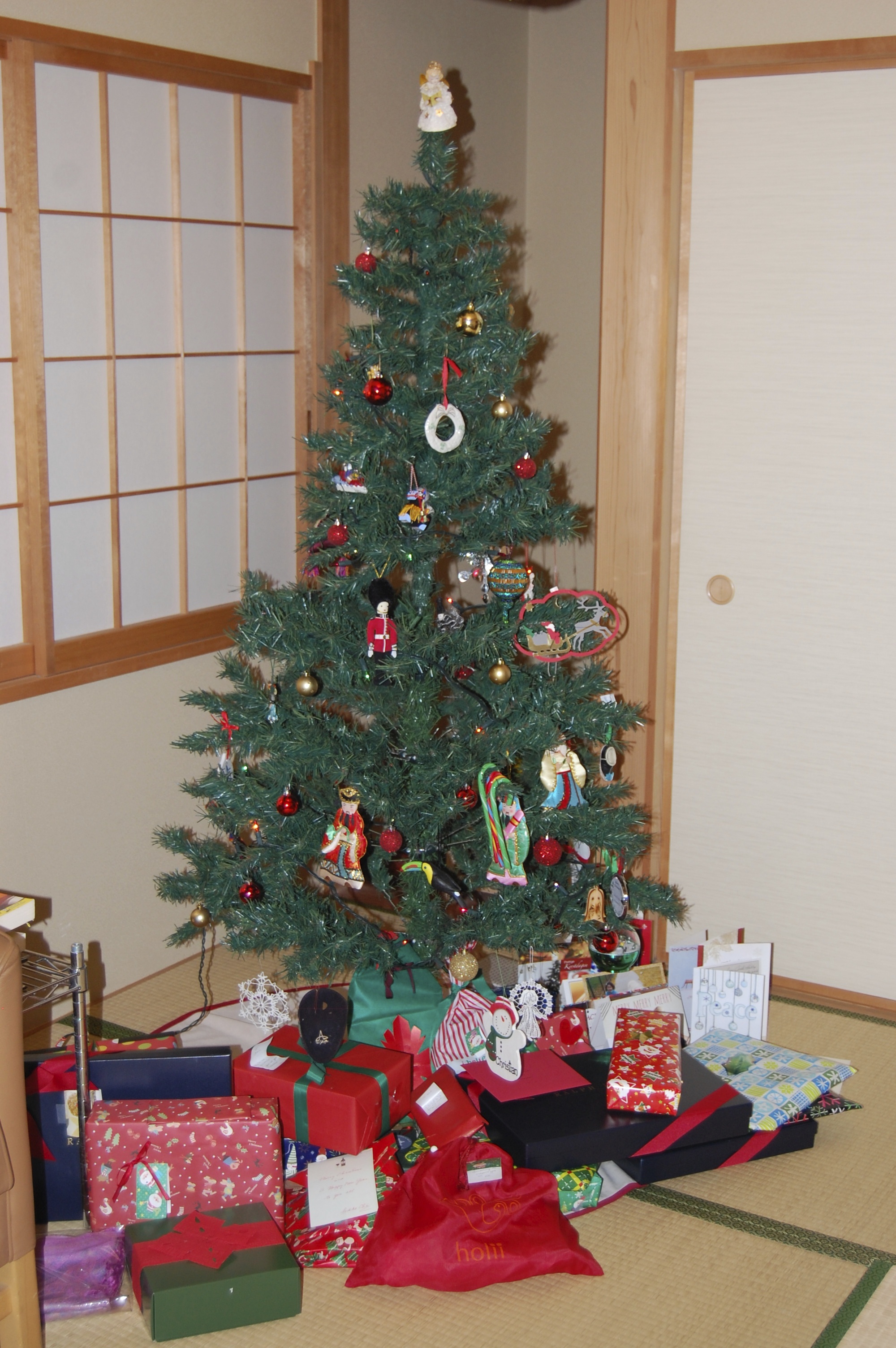
Our Christmas Tree here in Japan with ornaments from around the world
Our Christmas tree here in Japan with ornaments from around the world

Do you celebrate Christmas?  For us, it’s a time to sing songs about Santa Claus, reindeer, Christmas trees, jingle bells,  gingerbread cookies, and the birth of Jesus. It’s a time to bake special cookies, too.

Even though our two sons are adults, we still enjoy many of the traditions they knew as children. Our Christmas Eve celebrations include a festive dinner, opening gifts by the Christmas tree, and singing Christmas carols. When the evening draws to a close, we put out a plate of homemade cookies and a glass of milk for Santa Claus. A note is written for Santa, and the next morning, a reply from Santa is waiting for us!

Cookies and Milk left for Santa
Cookies and milk left for Santa

I wrote this simple song to the melody of Twinkle, Twinkle Little Star to remember this special moment in our lives. The lyrics were written with EFL and ESL students in mind.

You can sing it on your own, but here’s a complimentary music track from my CD entitled Kathy Kampa’s Special Days and Holidays.

Santa’s Cookies and Milk Words by Kathleen Kampa and Charles Vilina

Spoken: Dear Santa, Welcome to my house. I’ve been very good this year.

Have some cookies. (gesture with one hand to the side)

Have some milk. (gesture with the other hand)

Christmas cookies and a glass of milk. (Shake hands like twinkling Christmas stars. You can make it fancier by moving your hands in big circles from above your head to your sides.)

Eat the cookies. 1-2-3 (gesture eating cookies, then fingers 1-2-3)

Drink the milk. It’s from me. (gesture drinking milk, then point to self)

Have some cookies. (gesture with one hand to the side)

Have some milk. (gesture with the other hand)

Christmas cookies and a glass of milk.   (Shake hands like twinkling Christmas stars. )

Spoken: Thanks Santa! Have a good night! Good-bye!

For more tips on performances, see this blog post. https://magictimekids.com/2014/12/05/making-the-most-of-student-performances/

Cute way to give Christmas cookies!
A cute way to give Christmas cookies!

Check out this cute idea for a cookie holder! Invite students to decorate the plate before folding it up. Be sure to show students a model of the folded one so that they know where they can draw. Turn the plate upside down on a clean surface to add drawings. Cut on the lines, too, before drawing.  Remember that the drawings will be on the bottom of the plate. Decorate with red ribbon and a little bell for Christmas. Wishing you all the best for Christmas and throughout the year from our family to yours.  May the magic of Christmas remain in your hearts.

Chuck, Christian, Kathy, and John on Christmas Eve 2013

Reading and Dancing Holiday Songs

DSC07486

It’s October and we’re busy singing and dancing to Halloween songs. My students love getting up and moving to a song! At this time of year, we’re marching like monsters, skipping like skeletons, waltzing like witches, and jumping like jack-o-lanterns. If you want to find more Halloween songs, you can find teaching notes for songs like “Marching Monsters” on earlier blogs on this site.

On this blog, however, I want to share a handout and flash cards made by my good friend Setsuko Toyama. Setsuko is a well-known teacher trainer and author in Japan. On her worksheet, students match the same initial sound of the words, an important skill in developing phonemic awareness. They also have fun playing with alliteration, words that begin with the same sound. Many American nursery rhymes feature alliteration.

Marching Monsters worksheet and flashcards

I like having my students do craft projects from time to time. While they’re busy creating their artwork, I play music to fit the holiday. Kathy Kampa’s Special Days and Holidays CD has several Halloween songs that children can easily sing along to for your Halloween parties.

Check out my Pinterest page for lots of Halloween craft activities.

Grasshoppers, Butterflies, and Spiders

While our summer was filled with many opportunities to enjoy the nature of Minnesota, it was also a busy time of successfully completing my MA degree. Now we have time to share many more ideas with you!

On our second day back at school, my Grade One students found a giant grasshopper outside of our classroom. It was as big as a praying mantis. We took it into our classroom. What an exciting way to begin our new school year!

Giant grasshopper
Giant grasshopper

Children are fascinated with living creatures–especially insects and other mini-beasts. While some children may be a bit timid about holding certain insects, most seem to enjoy them.

Here are a couple of activities that you can easily do in your classroom.

1.  Simple, Invented Songs

It’s easy to nurture creativity in young learners through music.  Try “playing” with words.

Here’s a simple pattern to create a song or chant.

I Love Bugs!

I like ladybugs. (longer word, 2-3 syllables)

I like ants. (shorter word, 1-2 syllables)

I like bumblebees. (longer word, 2-3 syllables)

I love bugs!


Students choose three insects for their song, usually one shorter word, and two longer words.

When young children sing, they often use so and mi in their invented songs.  You can use so and mi for this song, too.

My students think it’s funny to sing the negative form of this. I don’t like ______.  I hate bugs!


Another activity to help students play with words is to repeat the first consonant of a word, such as /b/ /b/ /b/ /b/ Bees!  Bees!

2. Stories

I love using stories with my students–especially predictable ones.  A predictable story uses repetition, similar to the way a song might have a chorus.  It might have repeated words, phrases, sentences, and other patterns.  New characters, new events, and other surprises keep the children guessing about what’s going to happen next.

Story: The Very Busy Spider by Eric Carle

This story shows how a spider gradually spins a web. In my edition of this book, students can also feel the change in the web as it gets bigger.  You can read the book to your students in a traditional manner, but you can use the pictures in the book like flash cards to help you tell the story.

A.  Pre-read by looking at the pictures of the animals in the book.  You can chant this pattern, or sing it to the melody of “The Farmer in the Dell.”

The horse says “Neigh!”
The horse says “Neigh!”
Let’s play together. “Neigh! Neigh! Neigh!”

Many animals visit the spider, but the spider continues to spin the web.
Repeat with the other animals from the story (cow, sheep, goat, pig, dog, duck, rooster).

The cow says “Moo!”
The cow says “Moo!”
Let’s play together. “Moo! Moo! Moo!”

The phrase for the rooster is longer than the rest.

“Cock-a-doodle-doo!”  “Cock-a-doodle-doo!”  Let’s play together. “Cock-a-doodle-doo!”

B. Now add the following chant pattern.

(But the spider said . . . )
Sorry. I’m busy. I’m spinning a web.
Busy, busy, busy. I’m spinning a web.

Add gestures to help children remember the language. Change your voice to express the sounds of the animals.

C.  Now I “read” the story by showing the children the pictures of the animals and singing the animal songs. I show students the web in the book.  With a small class, students can feel the texture of the web on the page. On subsequent readings, you can draw the web on a whiteboard as the story progresses by drawing a couple of lines at a time.  If your students can sit in a circle, you can even create a yarn web by passing a ball of yarn from one student to one across on the other side.

D.  At the very end, an owl comes and the spider is sleeping.

Whisper . . . .

The spider was busy, but she’s sleeping now.
Sh! Sh! Be quiet!  She’s sleeping now.

*Another fun predictable story with insects and animals is Lily and the Moon by Mari Nakamura and Patricia Daly Oe.

3.  Find It!

You can look for insects outside with your students.  You can also find them in books! In Magic Time One, Unit One, Annie and Ted are outside playing.  In addition to finding the target vocabulary, students can look for animals and insects on these pages too.  They can find a dragonfly, grasshopper, rabbit, turtle, frog, squirrel, bird, butterfly, and caterpillar.  We love to add little surprises for the students to discover.

Enjoy this season of insects and mini-beasts!  Happy teaching!


Let’s Pretend for Halloween–Time for Witches, Black Cats, and More!

Shannon

Brooke and Shannon

My nieces like to dress up as black cats for Halloween.

I love Halloween! It’s a time of year when students can enjoy expressing their ideas. They’re encouraged to use their imaginations and can pretend to be many different characters.

How can your students use their imaginations?

First, you can encourage students to create movements like Halloween characters. For example, students can make a pose while sitting. Then, they can do movements around a circle. Finally, you can let them move freely around an open space. For shy students, demonstrate some simple ideas. Soon they’ll be creating their own ideas.

Students can also use their imaginations with costumes or props. With a scarf, a student can turn into a prince or princess, ride a witch’s broomstick, or become a spooky ghost. Pieces of fabric can be used over and over again and made into various costumes. Show students photos of children dressed up to go trick-or-treating. Although many companies sell fancy costumes, I have fond memories of creating costumes from things we had around the house.

Here’s a Halloween song I wrote entitled “I’m A Witch.” It prompts students to imagine that they’re different Halloween characters. To teach this song, sit with students in front of you.

(Use the transitional song:  Come and sit in front of me . . .)

Show students images of each of the characters in the song — a witch on a broomstick, a ghost floating in the air, a bat flying in the air, an owl sitting in a tree, and a black cat creeping. Using visuals is important — especially for students learning English. This is an important first step in learning the vocabulary in the song.

Here’s a simple version of the song. (A more professional version is available below.) You can listen to the song while showing students these pictures.

Here are the lyrics if you want to sing along.

I’m A Witch

Words by Kathleen Kampa and Charles Vilina

copyright © 2013 by Kathleen Kampa

Music: Skip to my Lou

(Available on iTunes on Kathy Kampa’s Special Days and Holidays — see Track #10)

Spoken: Let’s be witches and fly on our broomsticks.

Hee! Hee! Hee! I’m a witch!

Hee! Hee! Hee! I’m a witch!

Hee! Hee! Hee! I’m a witch!

Happy Halloween!

Spoken: Let’s be ghosts and float gently through the air.

Boo! Boo! I’m a ghost! (3X) Happy Halloween!

Spoken: Let’s be bats and fly through the night sky.

Eeek! Eeek! I’m a bat! (3X) Happy Halloween!

Spoken: Let’s be owls and turn our heads from side to side.

Whoo! Whooo! I’m an owl! (3X) Happy Halloween!

Spoken: Let’s be black cats. Put on your whiskers and sneak around.

Meow! Meow! I’m a black cat! (3X) Happy Halloween!

Now students can stand in a circle, move around the circle, or move freely around the classroom. Hold up pictures of each character. Before playing the music, I like to practice movements for each of the characters. You may want to share your own ideas. Just remember that if you demonstrate the movement first, your students are more likely to copy your ideas.

Here are some suggestions:

Witch: Students pretend to fly on broomsticks by holding their hands in front of their bodies and galloping.

Ghost: Students move their arms smoothly up and down, while walking in curvy pathways around the room.

Bat: Students pull their elbows in to create small wings. They move quickly around the room. My students also like to pretend they’re sleeping bats by folding their arms in and creating an upside-down pose.

Owl: Students stand in one place with their arms down. They turn their heads from side to side.

Black Cat: Students pretend to have whiskers, paws, and a tail. They sneak around with tiptoeing movements. I remind them to be “kind cats.”

Whenever students are moving in your classroom, check to make sure that everything is safe. Push chair legs in, and move things out of the way.

Now play the music! My students love moving freely about the room while they hear the cues. I remind them to stop after each character, and listen for the new cues. I hope that your students have as much fun as mine do with this song!

The professional version of “I’m a Witch” is available on iTunes and CDBaby. Just click on the title below:

 Kathy Kampa’s Special Days and Holidays (Click on Track #10)

Happy Halloween and Happy Teaching!

Kathy and Chuck